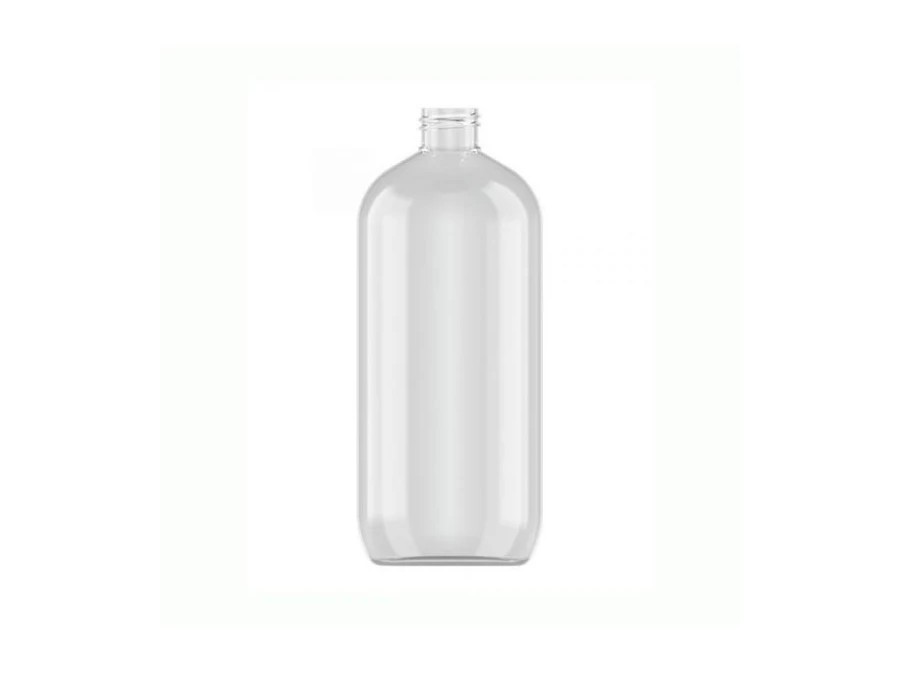
Bottles
750ml White HDPE Trigger Spray Bottle 28/400 Neck
750ml White HDPE Trigger Spray Bottle 28/400 Neck. We will confirm current availability, lead time, compatibility and the…
Contact for price
View product
Compare packaging options for HDPE bottle packaging for chemical, household and powder products, with direct links to relevant bottles, pouches, caps, labels and shrink film pages.
HDPE Plastic Bottles is a useful search and buying route when a customer already knows the packaging format they need but still has to confirm sizes, materials and compatible components. This page groups the relevant Recyclable Packaging Materials catalogue areas so the enquiry can move from broad research to a specific quote.
For HDPE bottle packaging for chemical, household and powder products, compare the primary pack, closure, label and any outer wrap together rather than treating them as separate purchases. The best option normally depends on fill volume, product chemistry, storage conditions, display requirements, order quantity and whether repeat supply is expected.
The catalogue is quote-led, so current cost, lead time, colour, material and compatibility can be checked before committing to a specification. That avoids ranking a product page for a search that later needs a different cap, pouch structure, label adhesive or film grade.
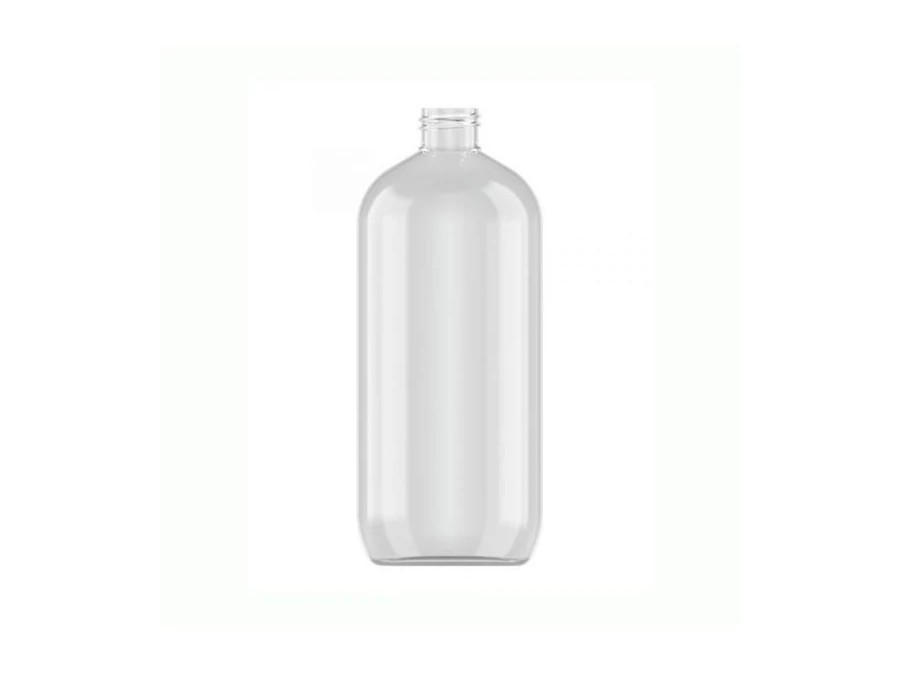
Start with the main category pages, then use the quote route to confirm current pricing, compatibility and lead time.
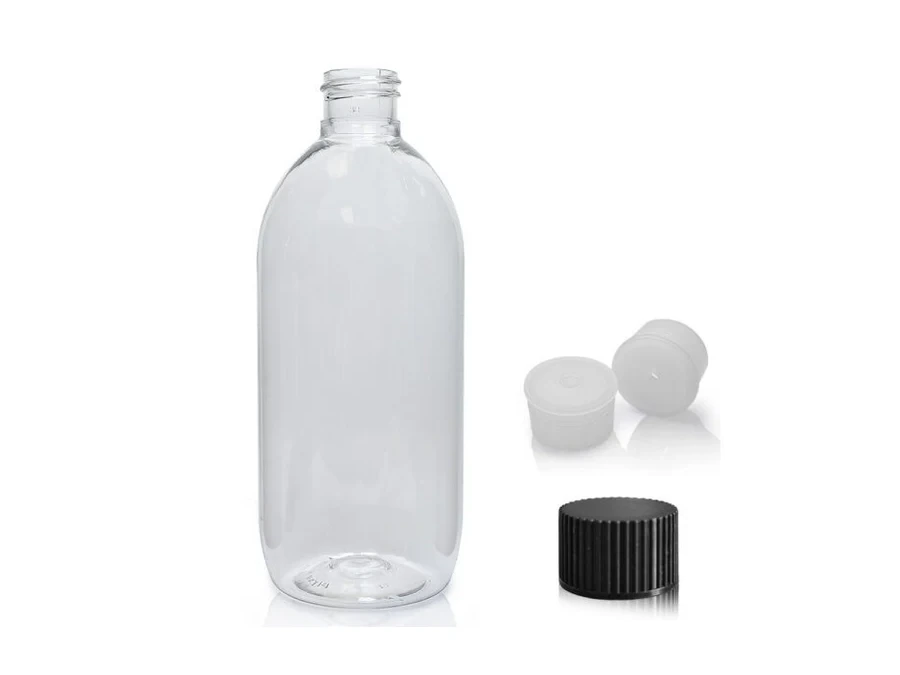
PET, HDPE, glass and aluminium bottle options for liquids, samples and retail product packaging.
View range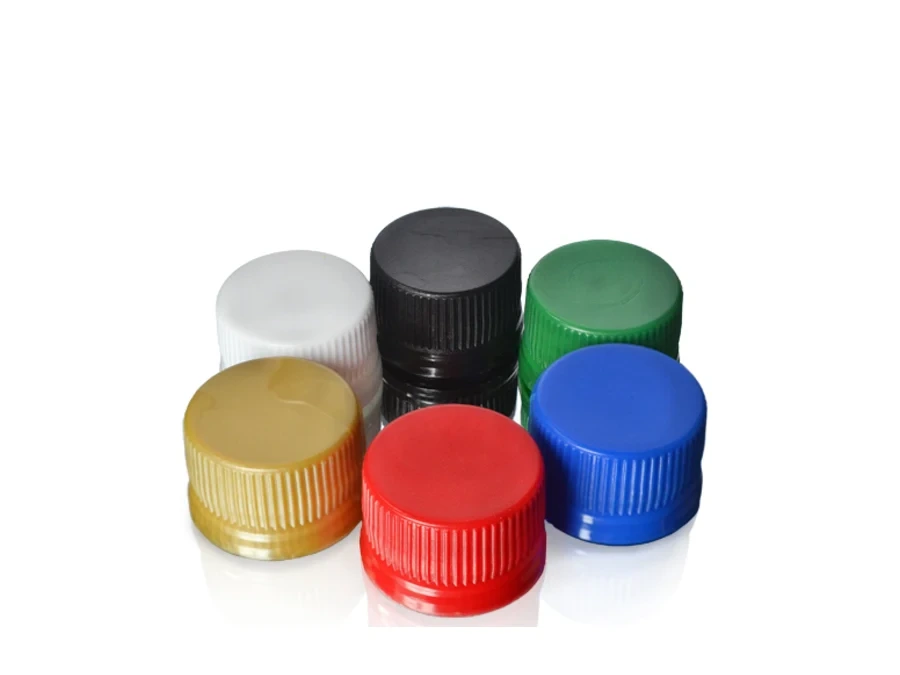
Screw caps, tamper-evident caps, pumps, sprays, disc tops and specialist closures for compatible bottles.
View range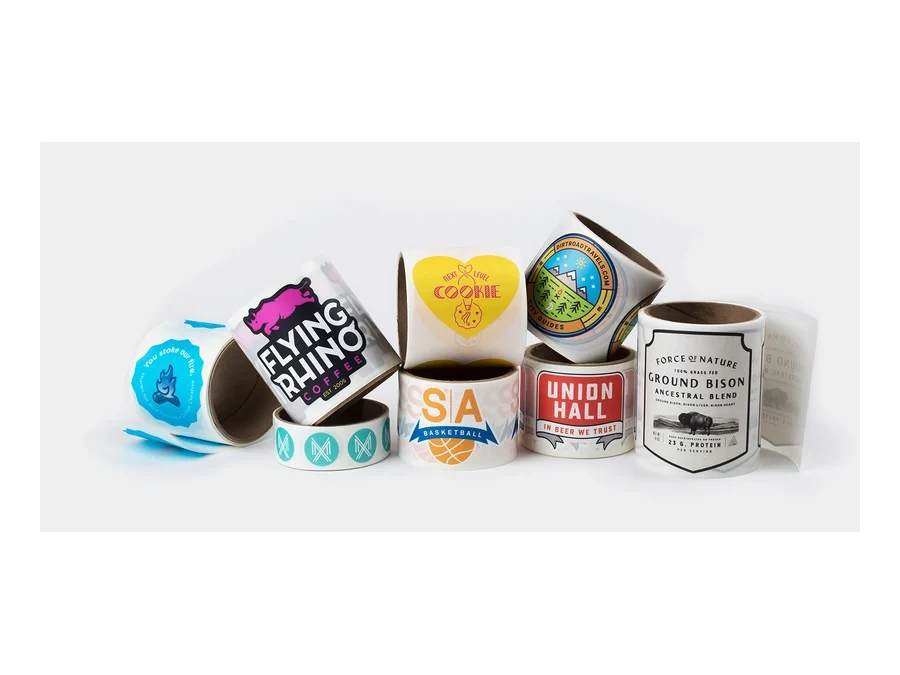
Roll labels, vinyl labels, paper labels, thermal labels and printed label options for product identification.
View rangeThese product pages connect this guide to the catalogue so buyers can compare relevant items before requesting a quote.
750ml White HDPE Trigger Spray Bottle 28/400 Neck. We will confirm current availability, lead time, compatibility and the…
1 Litre Natural HDPE Chemical Bottle 38mm Neck. We will confirm current availability, lead time, compatibility and the best…
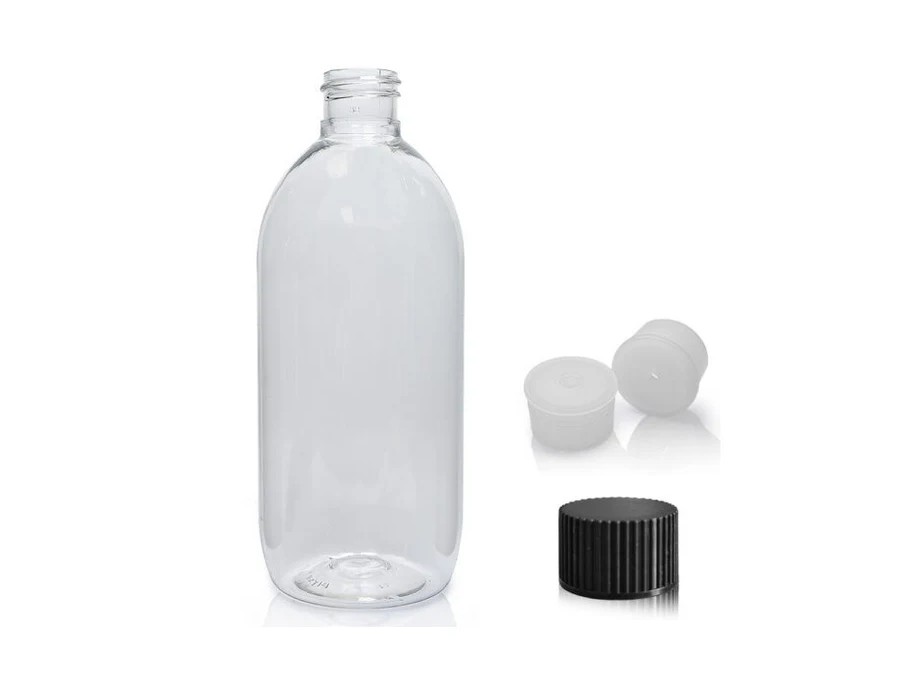
100ml Clear PET Plastic Boston Bottle With Disc Top Cap. We will confirm current availability, lead time, compatibility and…
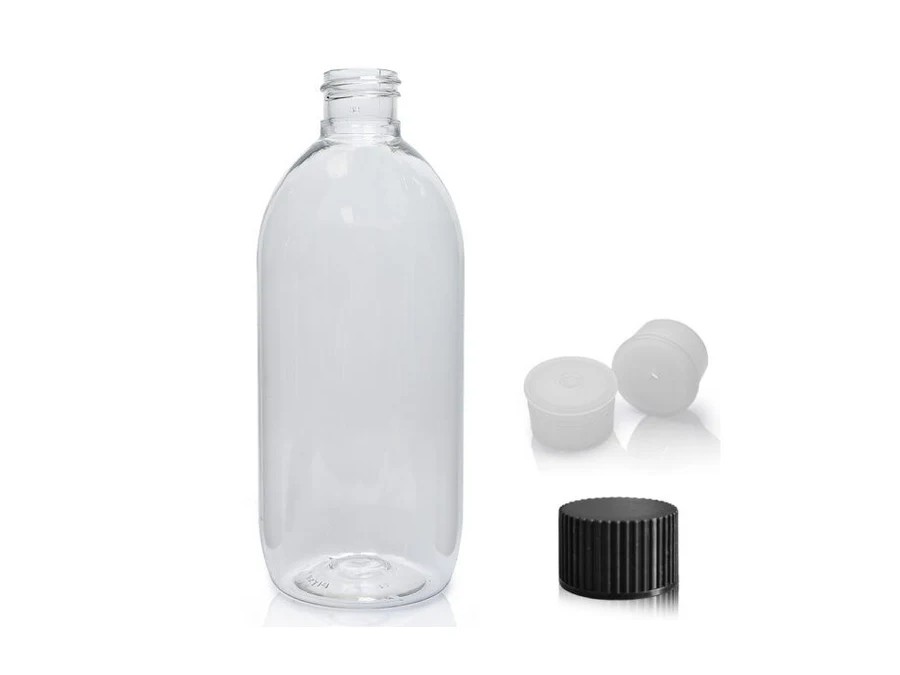
500ml Clear PET Plastic Cylindrical Bottle & 28mm Screw Cap. We will confirm current availability, lead time, compatibility…
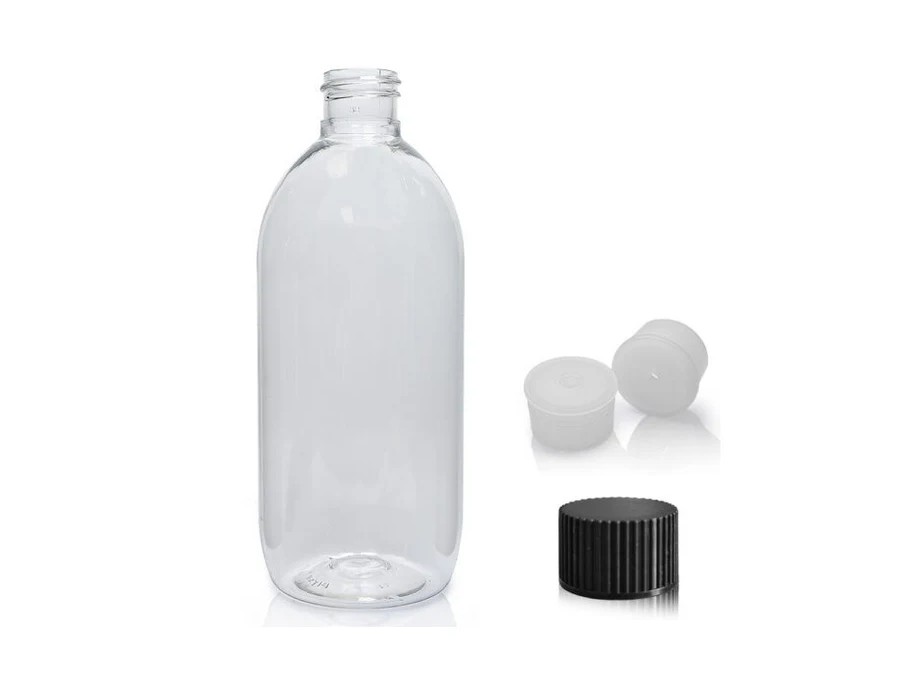
500ml Plastic Milkshake Bottle With Tamper Evident Cap. We will confirm current availability, lead time, compatibility and…
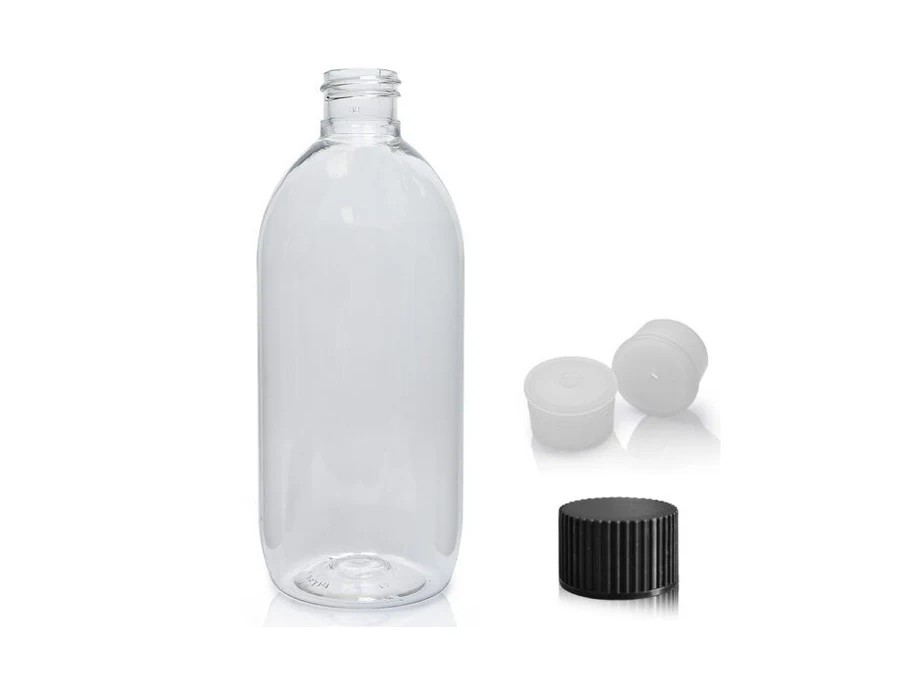
1 Litre Clear PET Juice Bottle With 38mm T/E Cap. We will confirm current availability, lead time, compatibility and the…
For faster response, include the product type, dimensions, quantity, intended contents, closure or label requirement and any repeat order forecast.
Recyclability, product compatibility, food-contact suitability, label adhesion and closure fit can depend on the exact material, additive, liner, adhesive, product contents, filling temperature and local recycling route. Confirm requirements before placing an order.
The most relevant pages are usually the bottles, caps, labels ranges, plus any matching closures, labels or shrink film needed to make the pack complete.
Yes. Send the quantity, application, size and compatibility details through the quote form so current pricing and options can be checked.
Yes. Use the quote route and include quantity, expected repeat volume, product application and any required closure, label or film details so pricing and suitability can be checked.
Yes. Bottle necks, caps, pumps, sprays, pouch features, label adhesive and shrink film performance should be checked against the filled product, filling method, storage conditions and transport route.
HDPE bottles are commonly considered for household, chemical, personal-care and other products where an opaque or translucent, robust container is useful. The polymer name does not establish compatibility with every formulation, closure or label.
| Product chemistry | Review formulation, concentration, contact period, permeation and environmental stress-cracking risk for the actual bottle grade and design. |
|---|---|
| Fill and storage | Confirm fill temperature, headspace, closure application, transport, UV or light exposure and storage temperature. |
| Neck and cap | Approve the complete finish and sealing system; a nominal neck diameter alone does not prove fit. |
| Label | HDPE surface, mould texture, curvature and possible product contamination can influence adhesive selection and application testing. |
| PCR content | Where required, obtain the item-specific recycled-content declaration and approve colour, odour, appearance and performance against the use. |
Recycle Now identifies HDPE as resin code 2 and reports broad UK collection coverage for plastic bottles. The exact consumer instruction still depends on the finished pack, residues, closure, label and local service. Check current plastic-bottle guidance and do not extend a bottle-material statement to the cap, liner or label without evidence.
For chemical, food-contact or another regulated use, request the relevant current documentation for the exact item. This page does not imply approval for a formulation solely because HDPE is commonly used in the application category.
Send the contents, target volume, bottle and neck requirement, closure function, label method, quantity, forecast and delivery timing. Compare bottle products, closures and the compatibility guide.
HDPE bottles can be a useful route for products that need a robust opaque or translucent container, but the polymer name does not settle compatibility, sealing, decoration or line handling. A useful UK trade enquiry links the exact bottle to the filled product and to every downstream component.
| Contents | State the formulation, concentration, viscosity, fragrance or solvent content where relevant, filling temperature and required shelf life. Representative compatibility testing is needed where the product could affect the bottle or seal over time. |
|---|---|
| Capacity and shape | Define nominal fill, headspace, bottle dimensions, label panel and stability. A cylindrical, oval or rectangular pack can behave differently on a conveyor or label applicator. |
| Colour and visibility | Natural, white or another colour can change product visibility and appearance. Where light protection is required, confirm it through the exact bottle specification and product trial rather than assuming that any opaque pack is sufficient. |
| Neck finish | Record the complete finish or drawing, not only a diameter. Thread, sealing land, bore and tamper-band geometry must suit the selected closure. |
| Closure system | Identify screw cap, flip top, pump, trigger, spout or other function, together with liner, dip tube, plug, torque or engagement and intended dispensing behaviour. |
| Label and decoration | Confirm label stock, adhesive, panel size, surface condition and application method. Test after filling because moisture, product contamination, storage and surface variation can affect adhesion. |
| Evidence and supply | Ask for the exact product reference, material declaration, any applicable product-contact document, variants, current MOQ, stock or production status and lead time. |
A bottle that appears satisfactory immediately after filling may still need storage, transport and opening checks. Product permeation, panel movement, stress, closure leakage, odour transfer or label lift can depend on formulation, temperature, headspace and time. The trial should therefore use the real product and the intended closure rather than water unless water is genuinely representative.
For the complete bottle-and-component brief, use the recyclable bottle quote page. For matching components, compare caps and dispensing closures and the bottle-and-cap compatibility guide.
Plastic bottles made from HDPE have broad UK collection coverage, but the finished pack still requires a current collection and claim check. The Recycle Now plastic guidance and the applicable GOV.UK packaging EPR guidance should be read alongside the item-specific declarations.
Send the formulation, fill volume and temperature, required bottle shape and colour, closure action, label method, batch and annual quantities, delivery date and any evidence needed for approval. For automatic production, also provide representative bottles and closures to the Lancing packaging machinery team so the material and line specifications use the same samples.
HDPE is available in different grades, colours and bottle constructions. Its opacity, squeeze, stress response and chemical compatibility can be useful for many products, but performance is application-specific and should be supported by the current supplier specification and representative filled-pack tests.
| Bottle requirement | Capacity, shape, colour, squeeze or rigidity, handle or panel design, filled weight and neck finish. |
|---|---|
| Product interaction | Contents, concentration, temperature, storage time and any stress-cracking, permeation, odour or staining concern to be evaluated. |
| Closure and label | Cap or dispensing component, liner or seal, application method, label stock, adhesive and the surface condition at labelling. |
| Evidence | Exact grade/material declaration, recycled-content evidence where claimed, product-contact documents where required and approved samples. |
Compare the decision factors in the PET versus HDPE bottle guide, then use the compatibility test plan to define leak, closure, label, storage and distribution acceptance criteria. Recyclability should be assessed for the complete bottle, closure and attached label using the current UK reporting guidance.