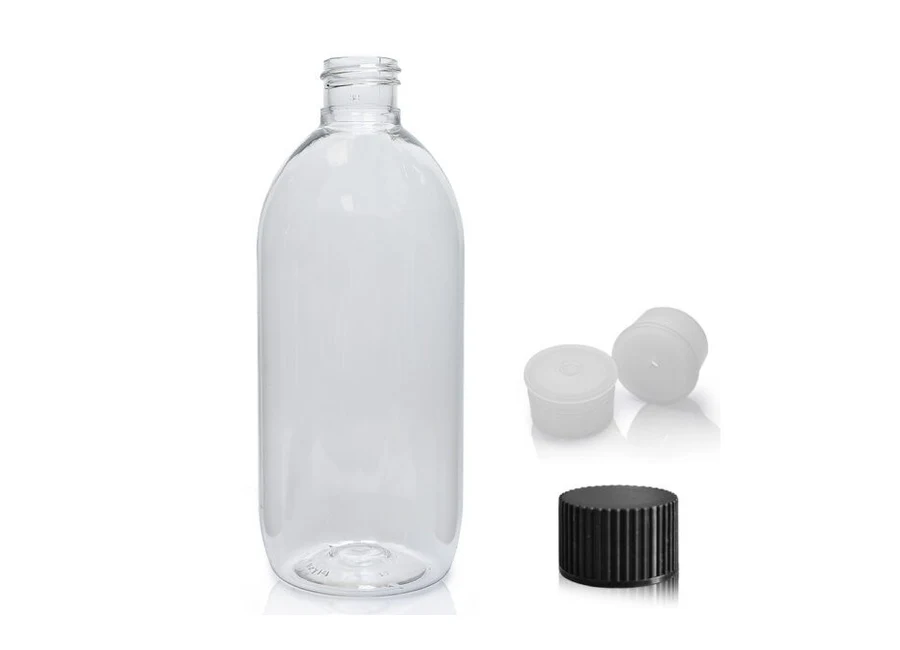
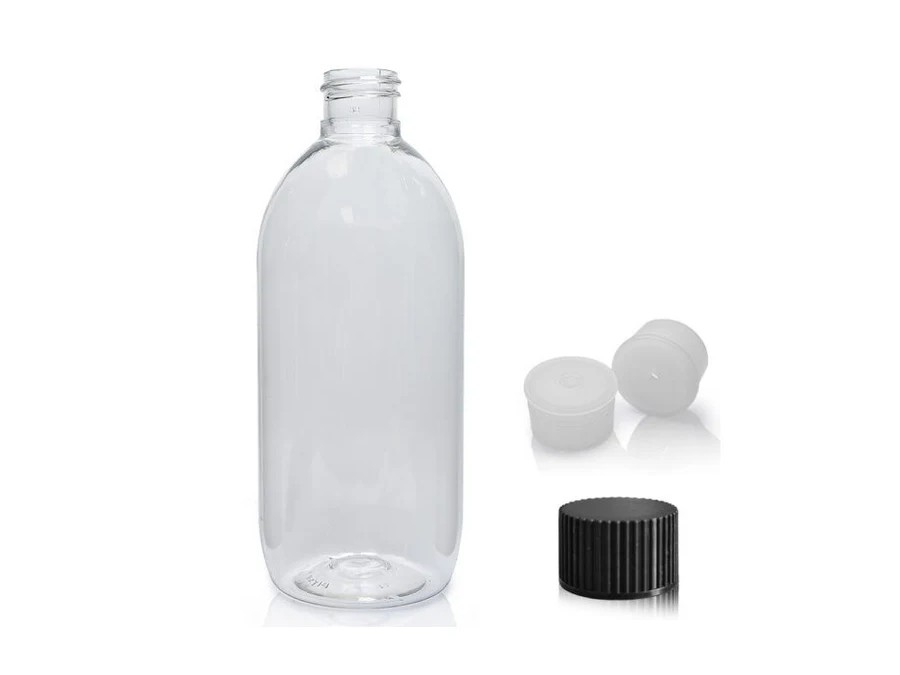
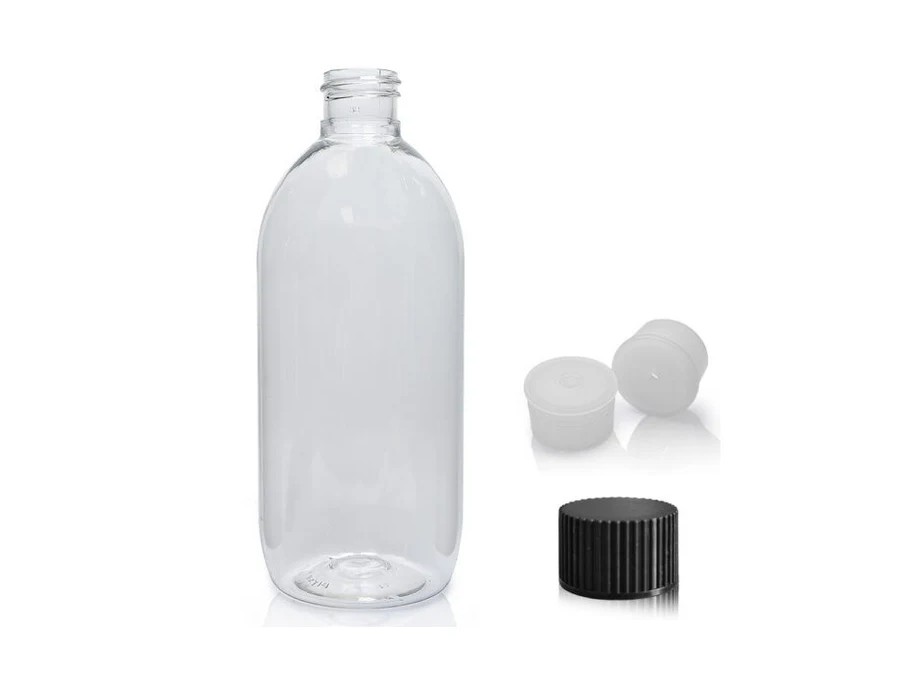
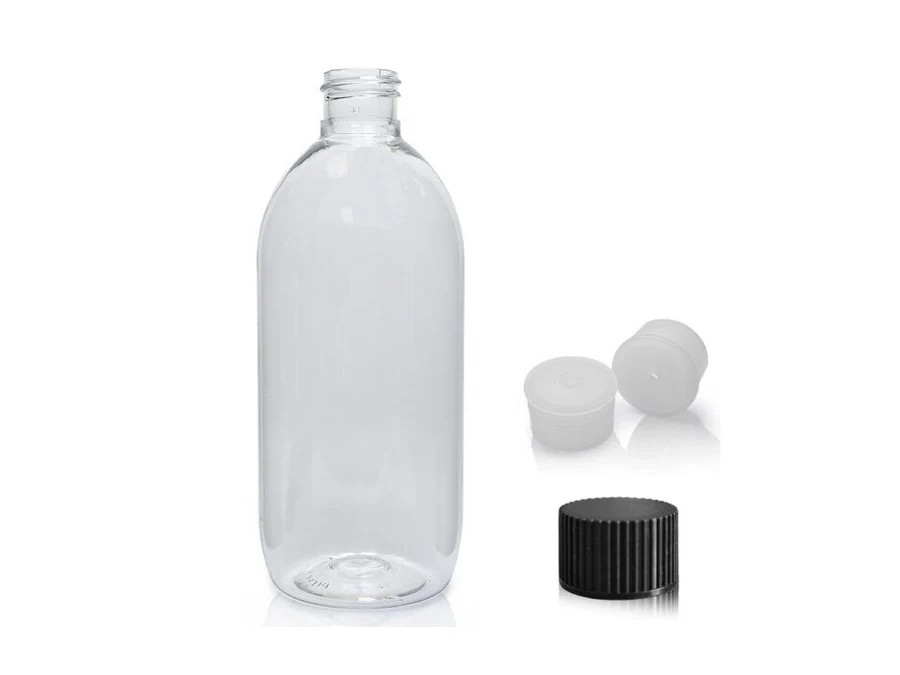
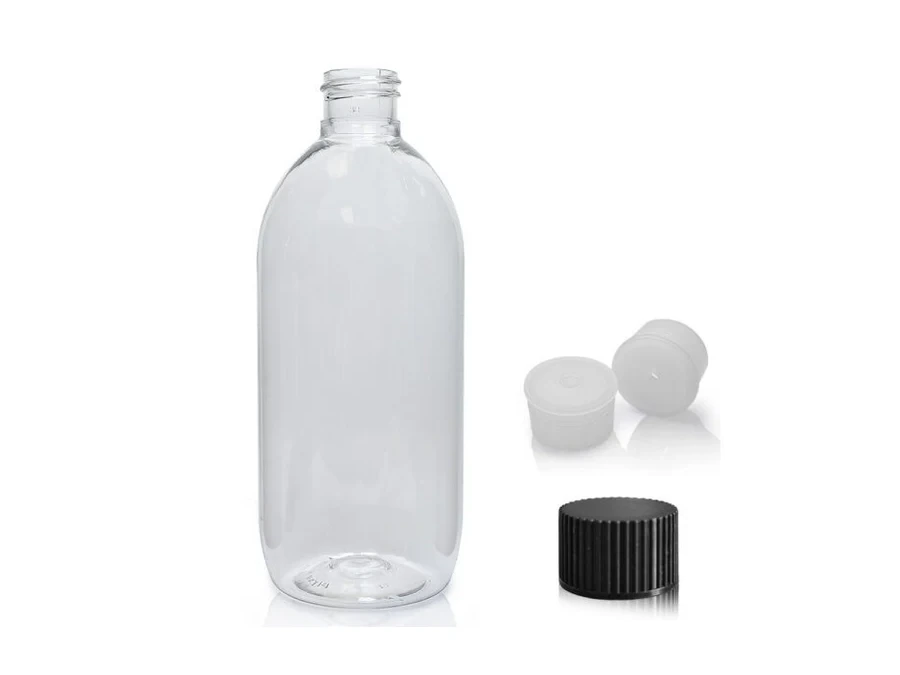
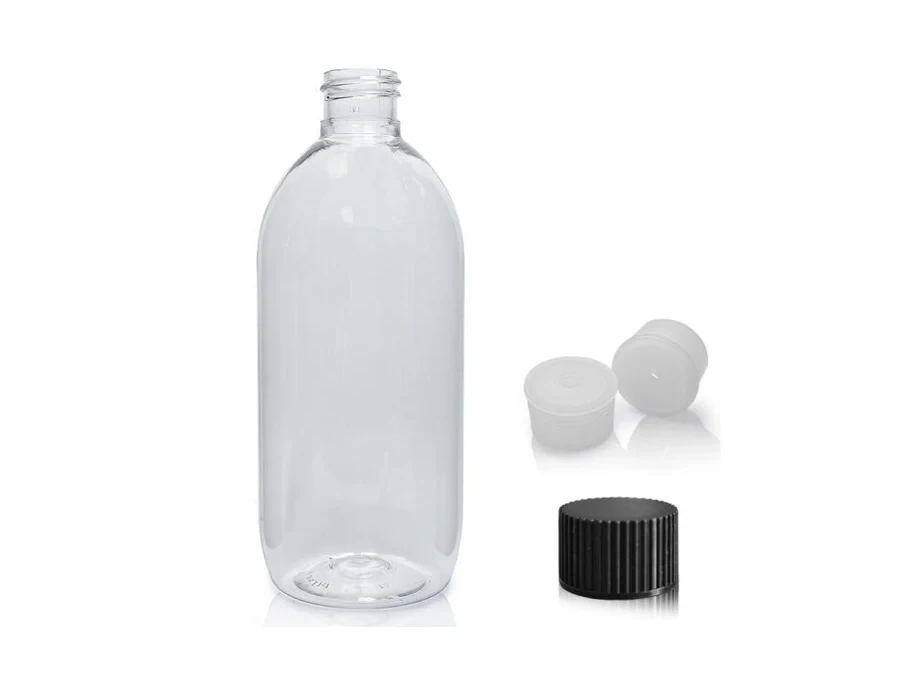
500ml Clear PET Olive Bottle and 28mm Screw Cap
Capacity: 500 ml · Material: Clear PET plastic
Contact for priceView product
Browse PET, HDPE, glass and aluminium bottle options for liquids, powders, samples and retail packaging. Every item is contact for price. 66 products are listed in this range. Compare materials, capacities and closures in our bottle packaging guides.
Capacity: 500 ml · Material: Clear PET plastic
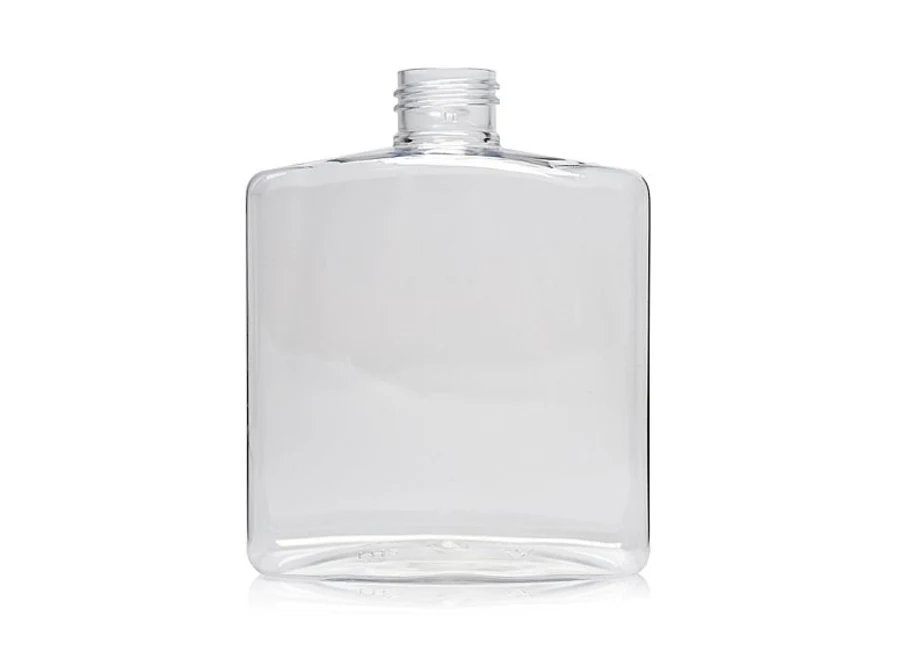
Capacity: 500 ml · Material: Clear PET plastic
Capacity: 500 ml · Material: PET plastic
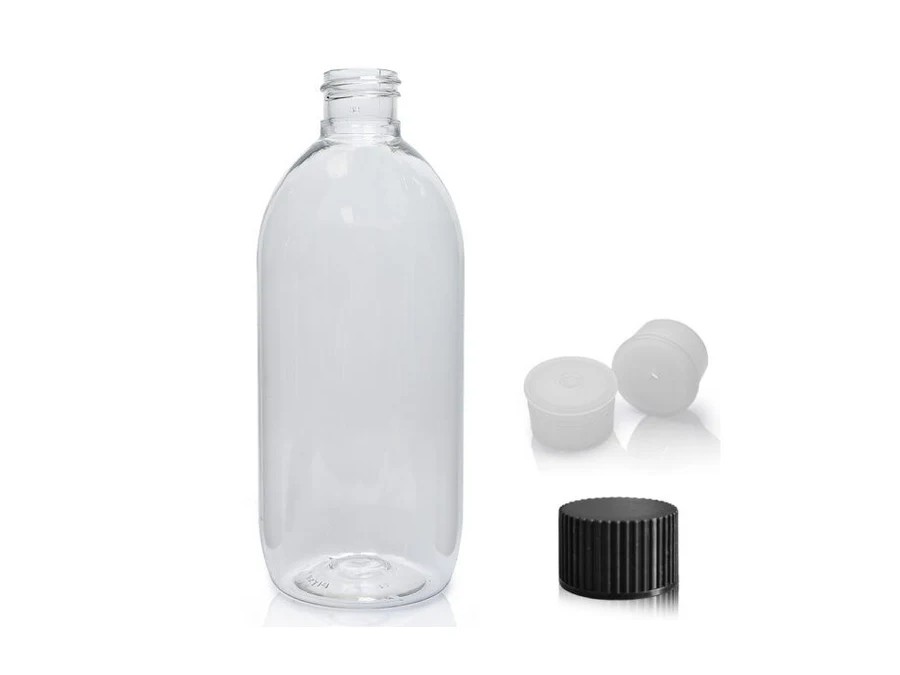
500ml, 28mm neck, screw cap option · Material: Clear PET
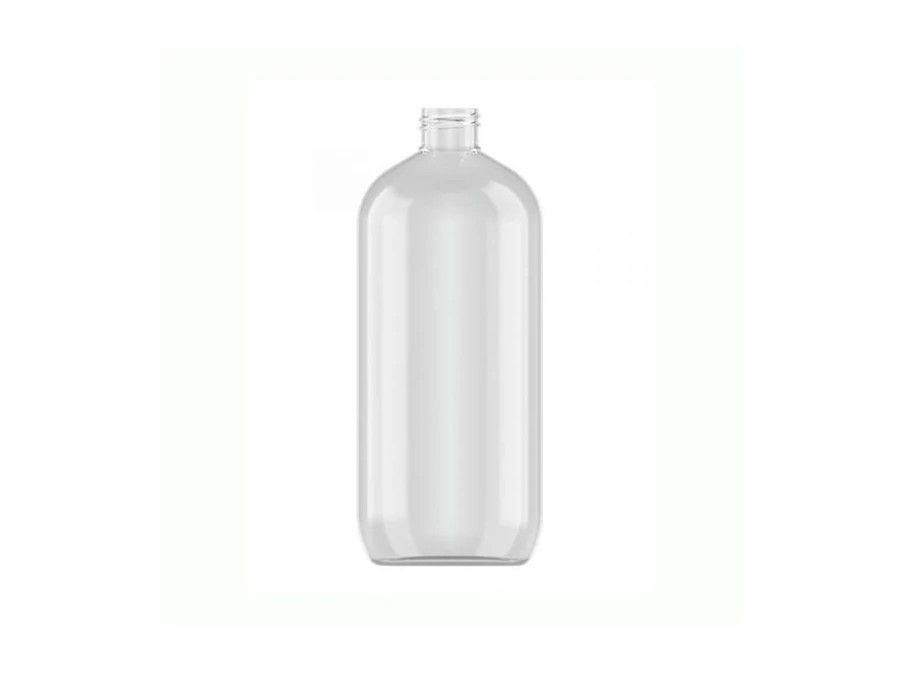
500ml, 28mm neck, aluminium cap · Material: Clear PET + aluminium cap
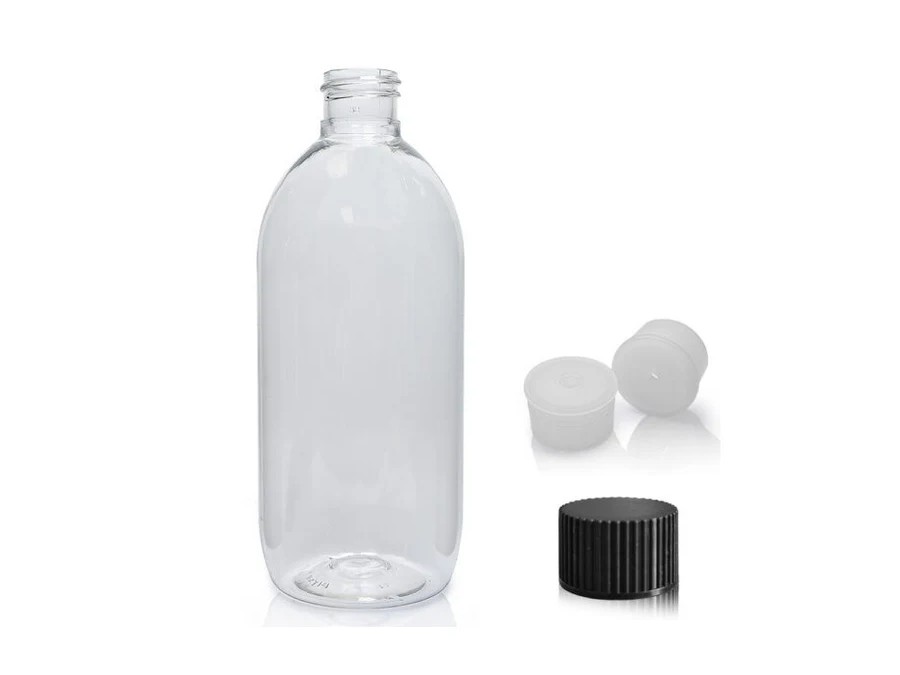
500ml, 24mm neck, spout cap · Material: Clear PET
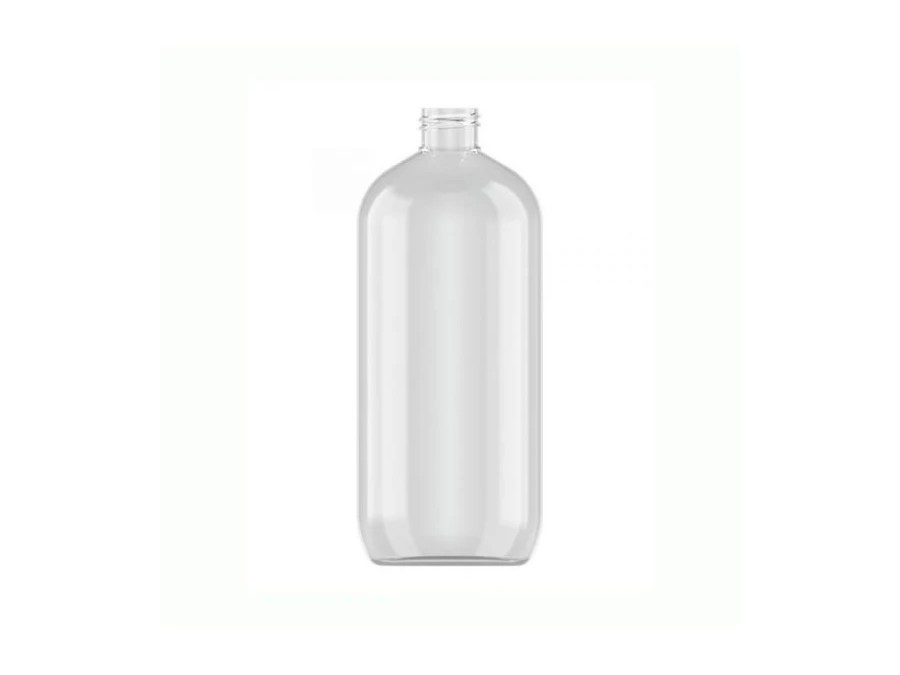
500ml, 28mm neck, aluminium cap · Material: Green PET
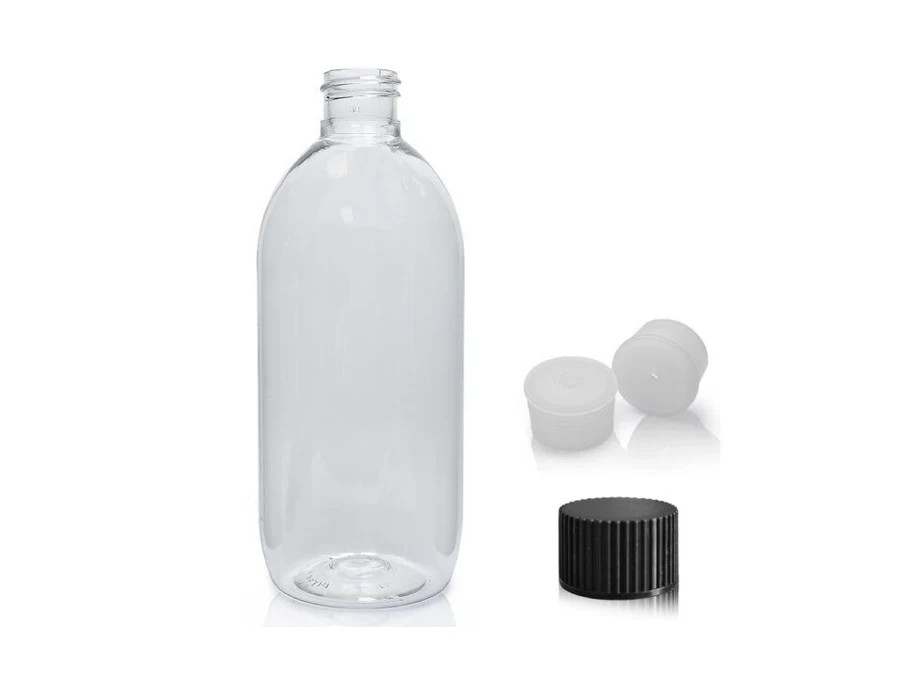
500ml, 28mm neck, no cap · Material: Green PET
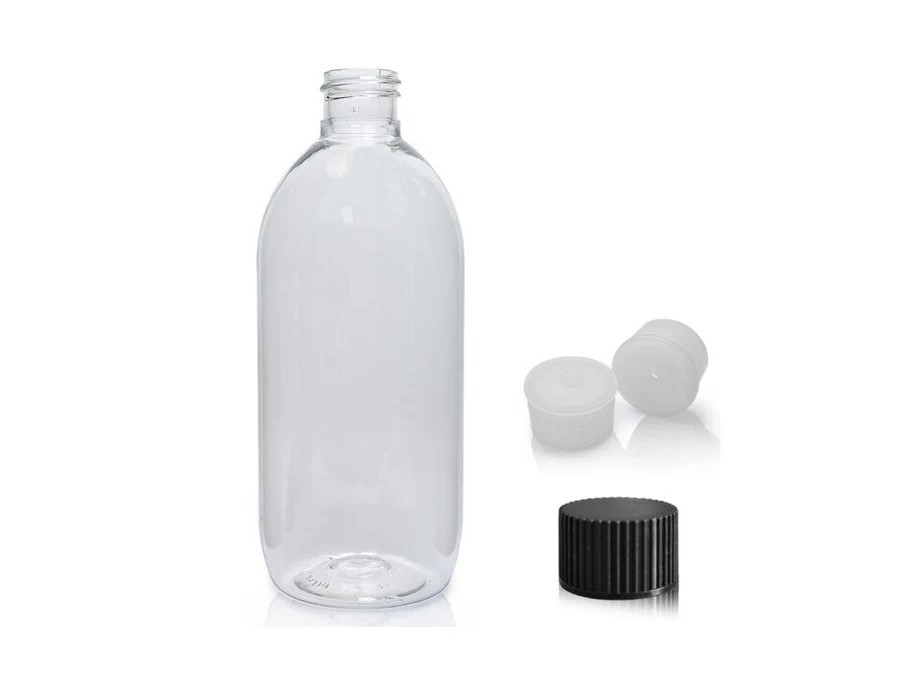
500ml, 28mm neck, screw cap · Material: Green PET
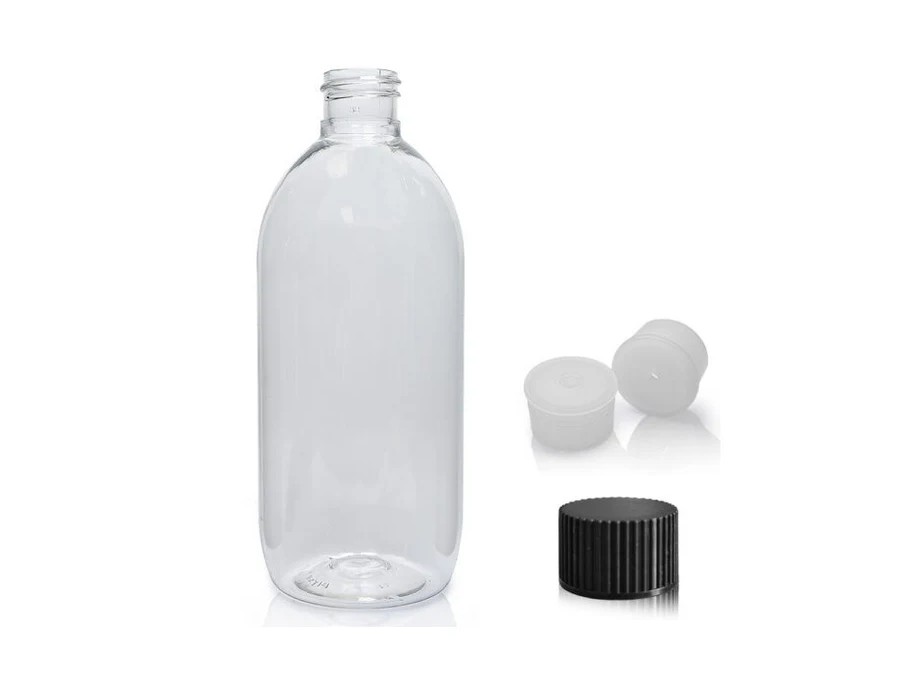
500ml, 24mm neck, no cap · Material: Clear recycled PET
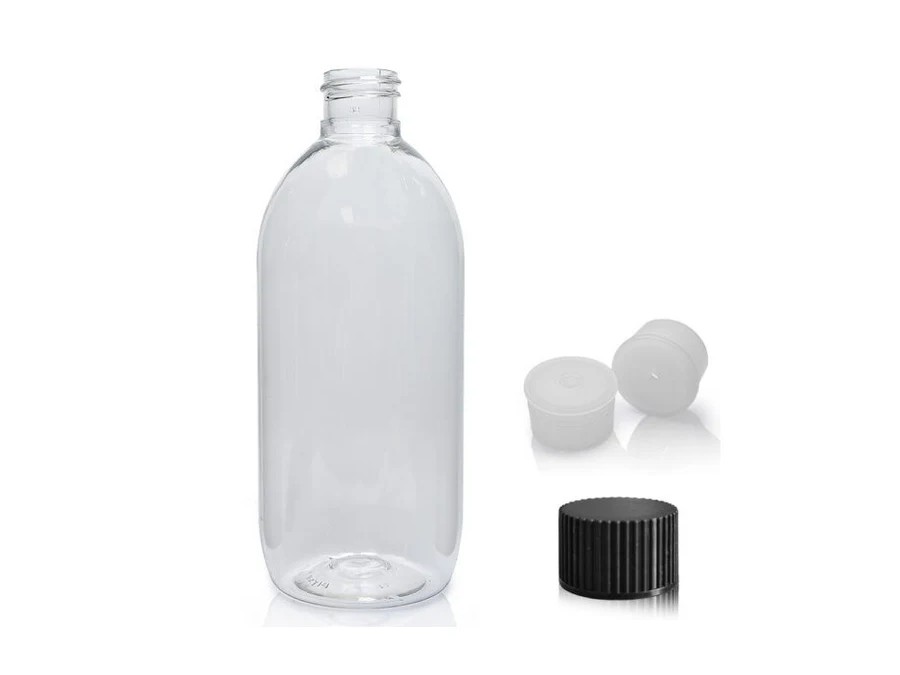
500ml, 28mm neck, no cap · Material: Clear PET
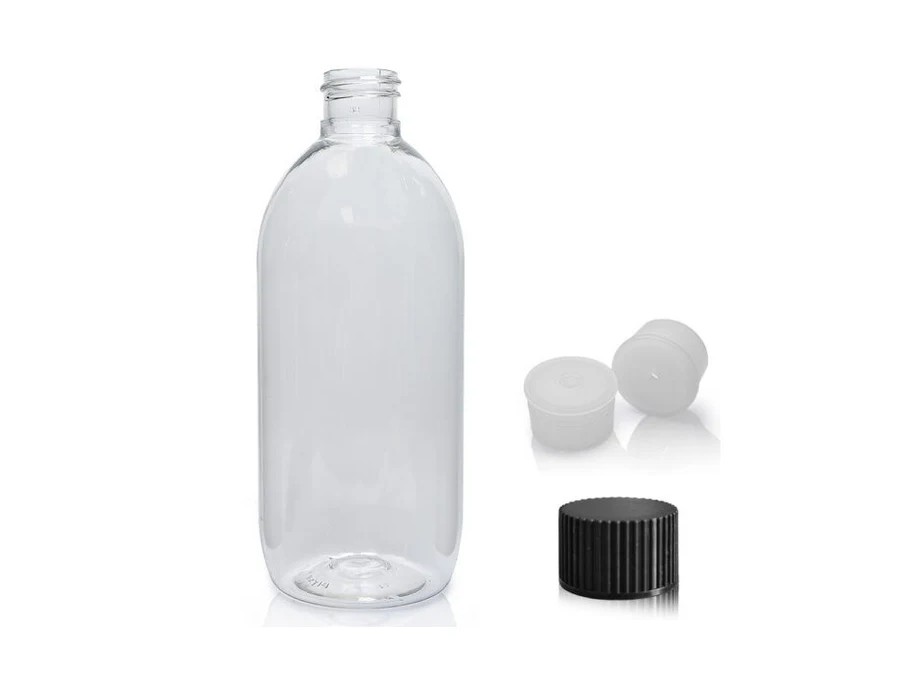
500ml, 24mm neck, disc-top cap · Material: Clear recycled PET
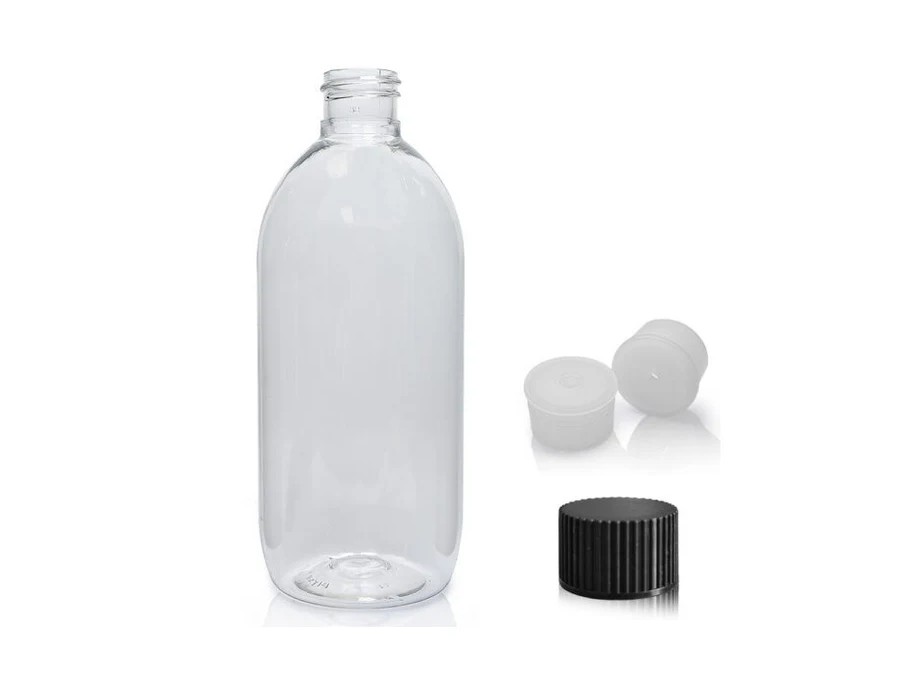
500ml, 38mm cap, tamper-evident · Material: Clear PET
100ml, 18mm neck, no cap · Material: Amber glass
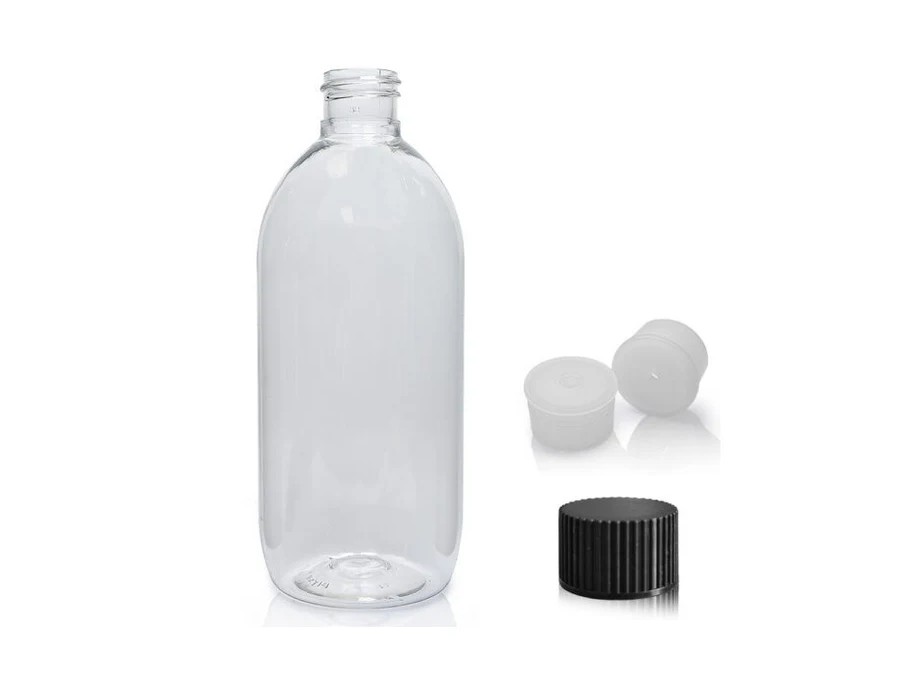
250ml, 28mm neck, no cap · Material: Amber PET
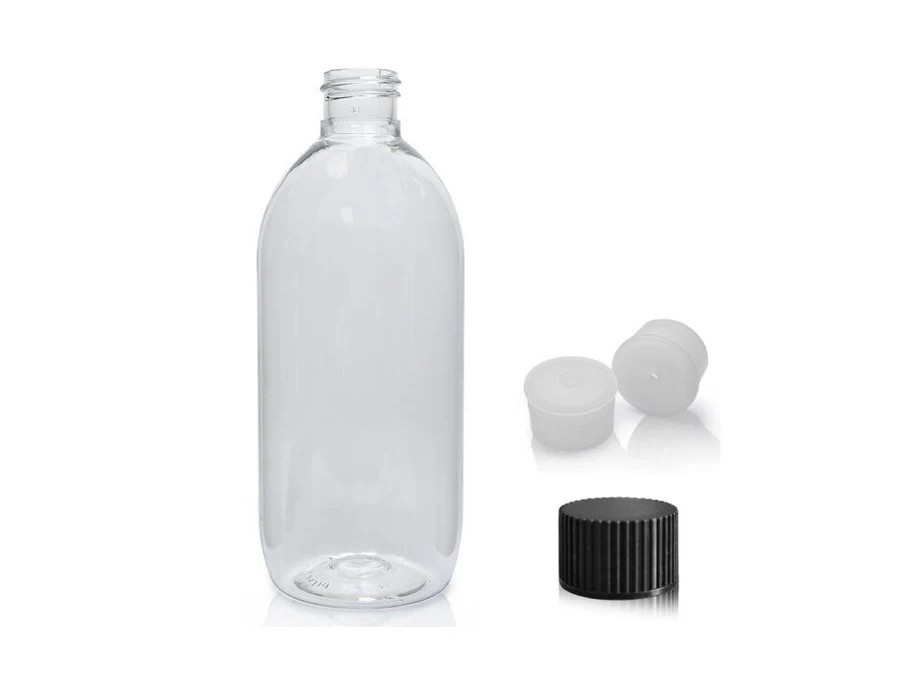
250ml, round profile, no cap · Material: Clear PET
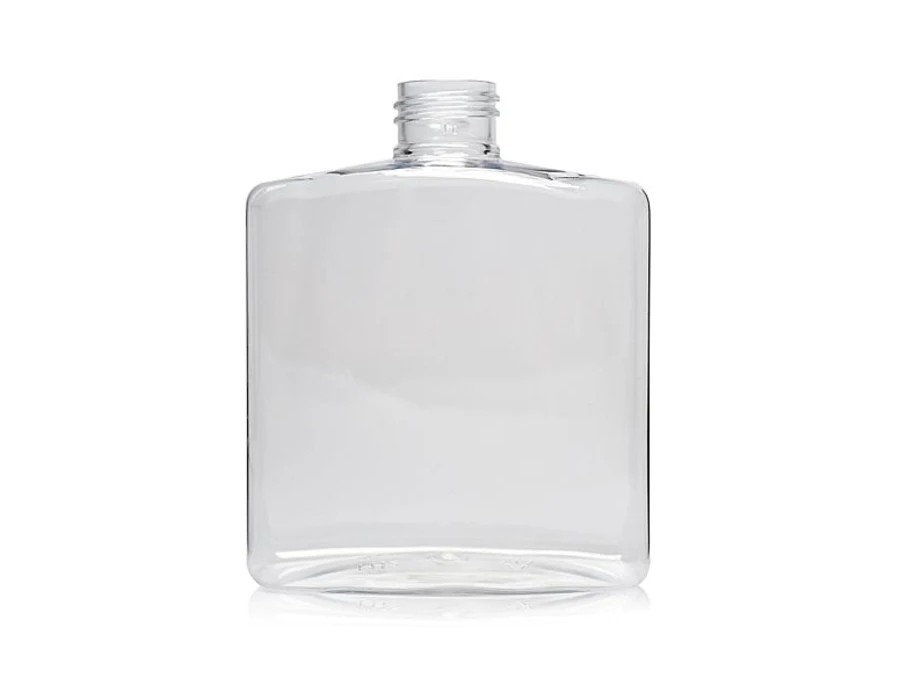
100ml, rectangular profile, no cap · Material: Amber glass
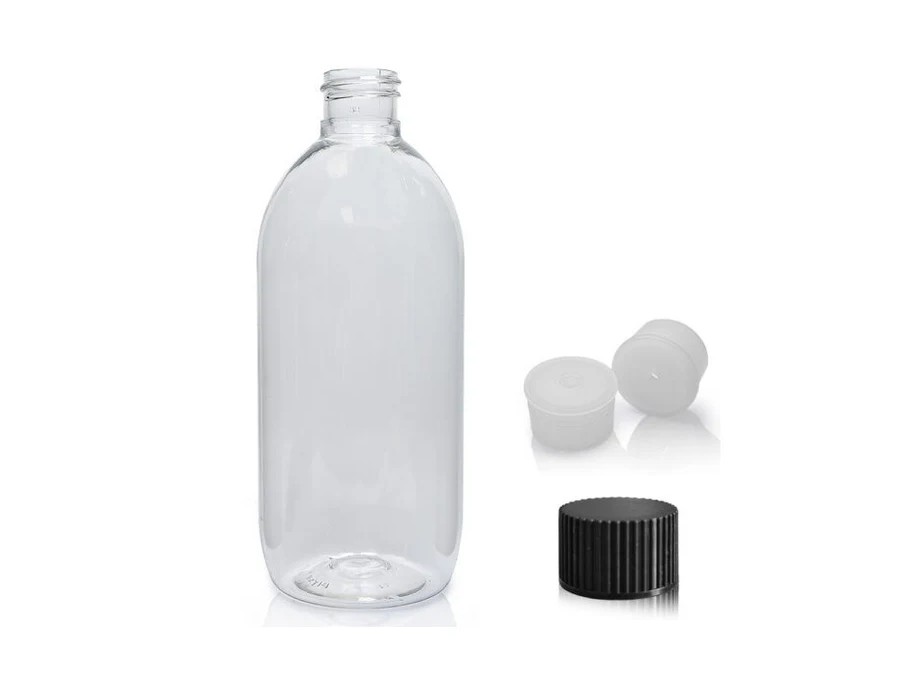
250ml, oval profile, no cap · Material: Clear PET
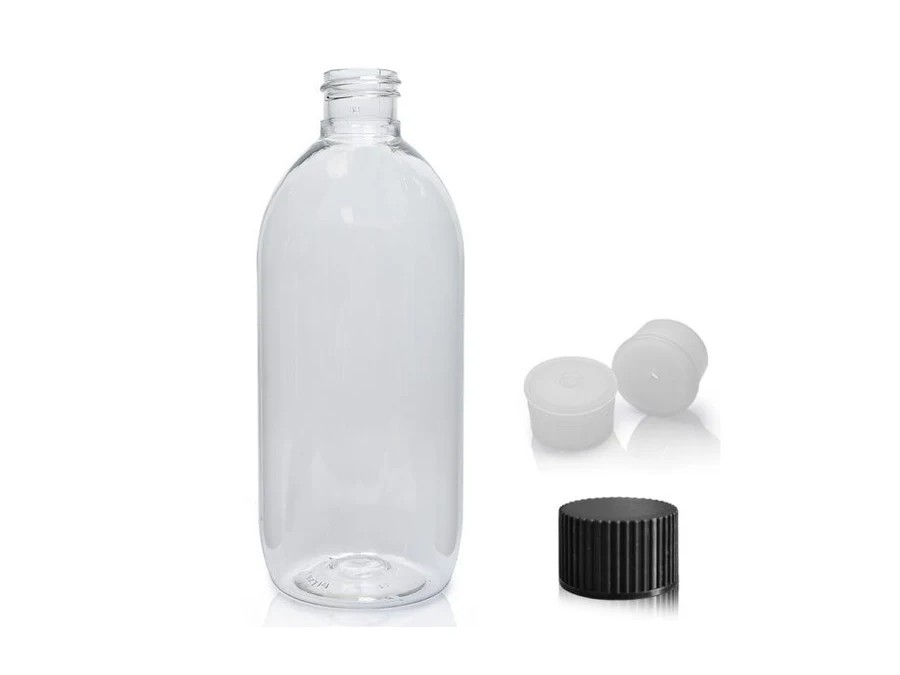
250ml, 24mm neck, no cap · Material: Clear rPET
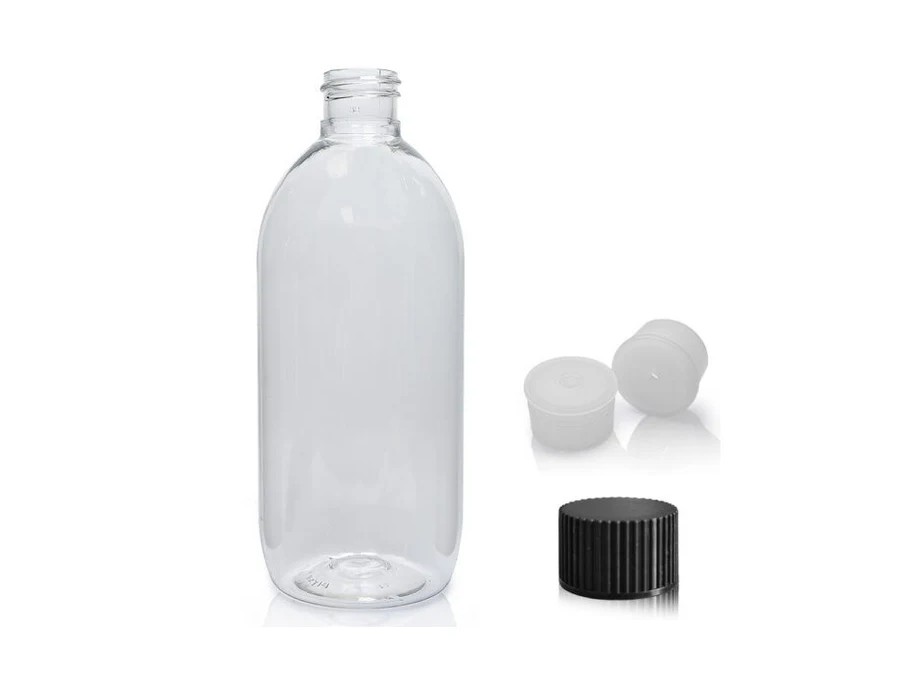
250ml, 24mm neck, smooth cap · Material: Clear rPET
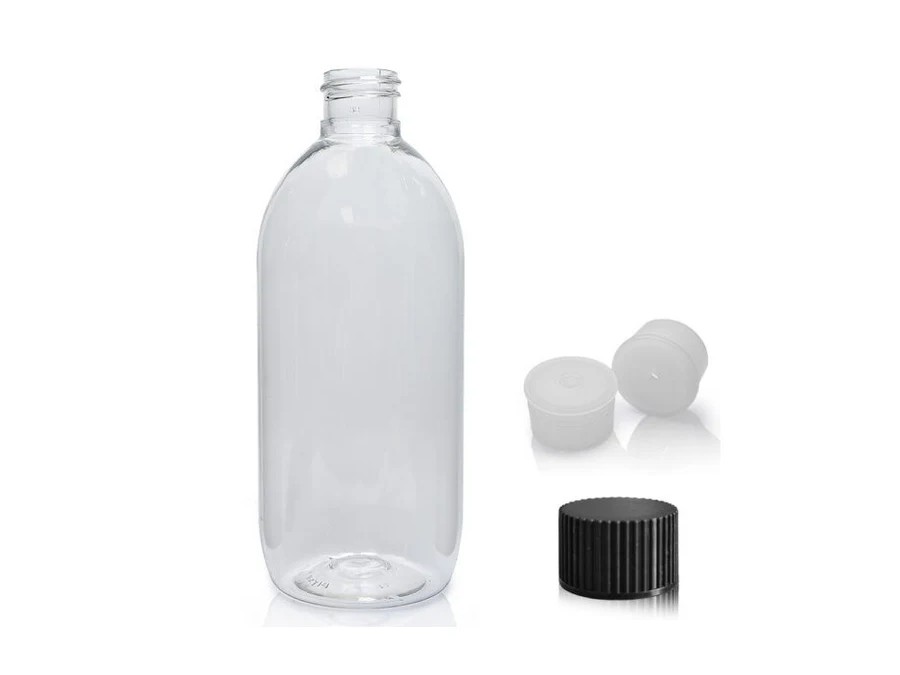
100ml, glass stopper · Material: Amber glass
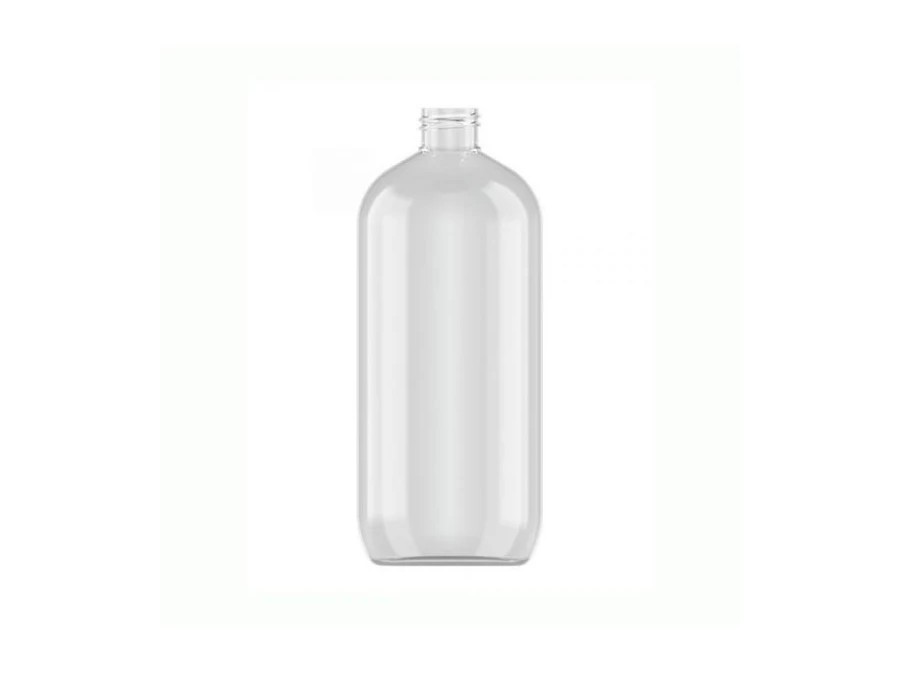
100ml, atomiser spray closure · Material: Amber glass + spray
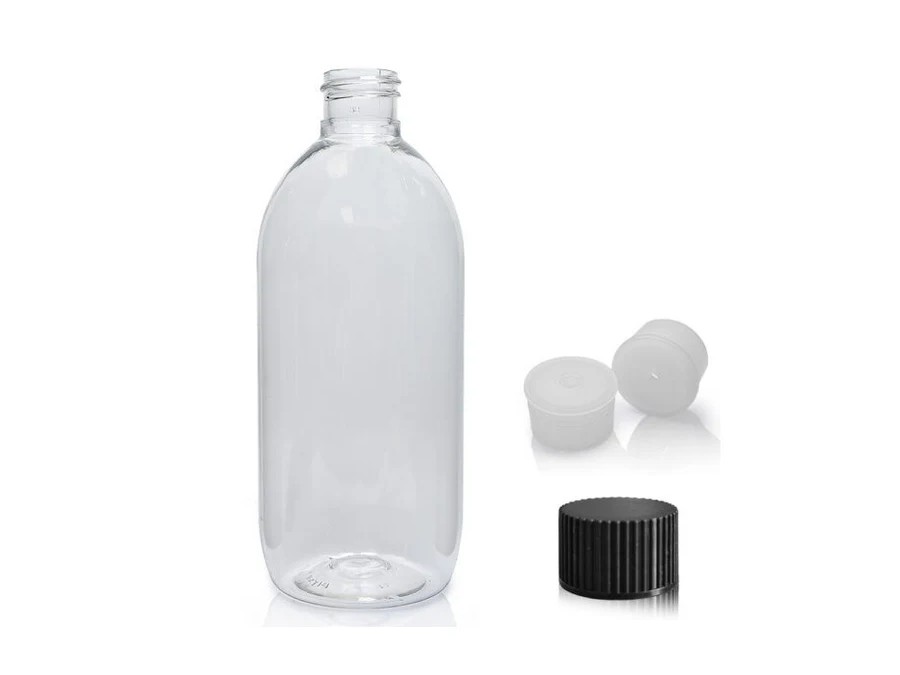
250ml, 28mm neck, no cap · Material: Clear PET
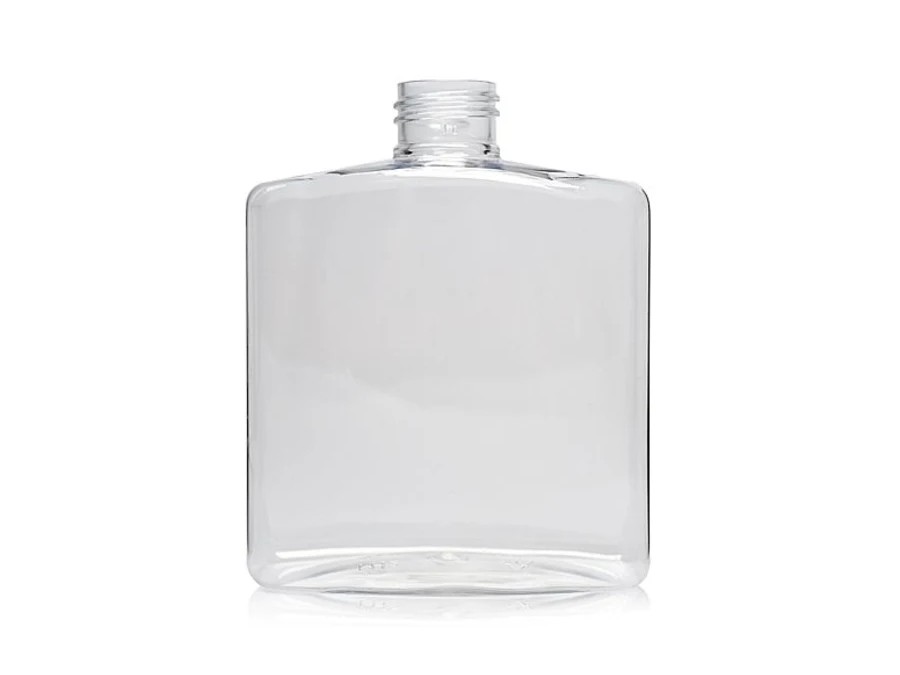
250ml, tall square profile, no cap · Material: Clear PCR/PET
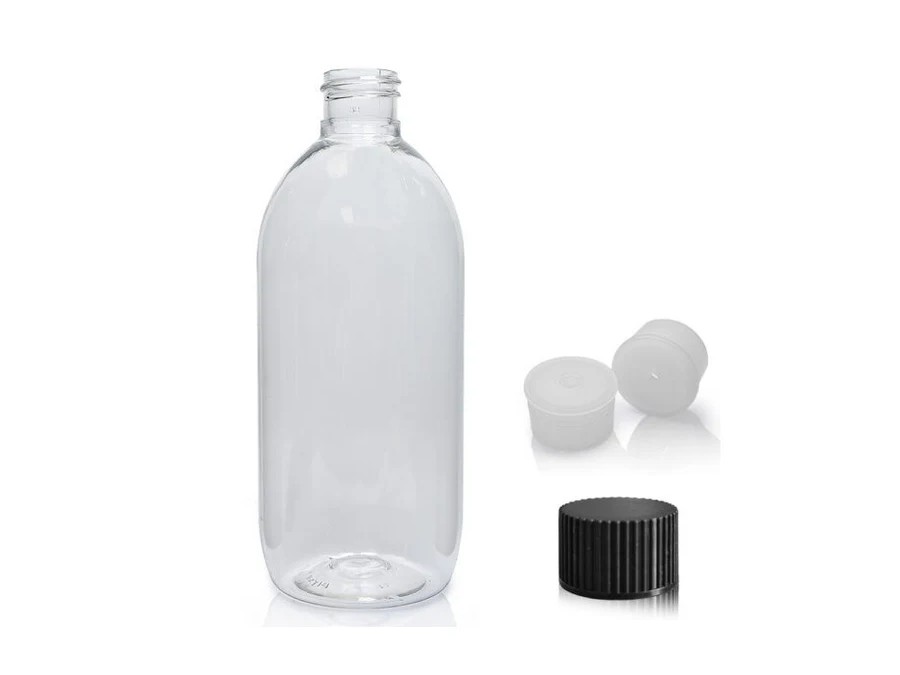
250ml, white tamper-evident cap · Material: Clear PET
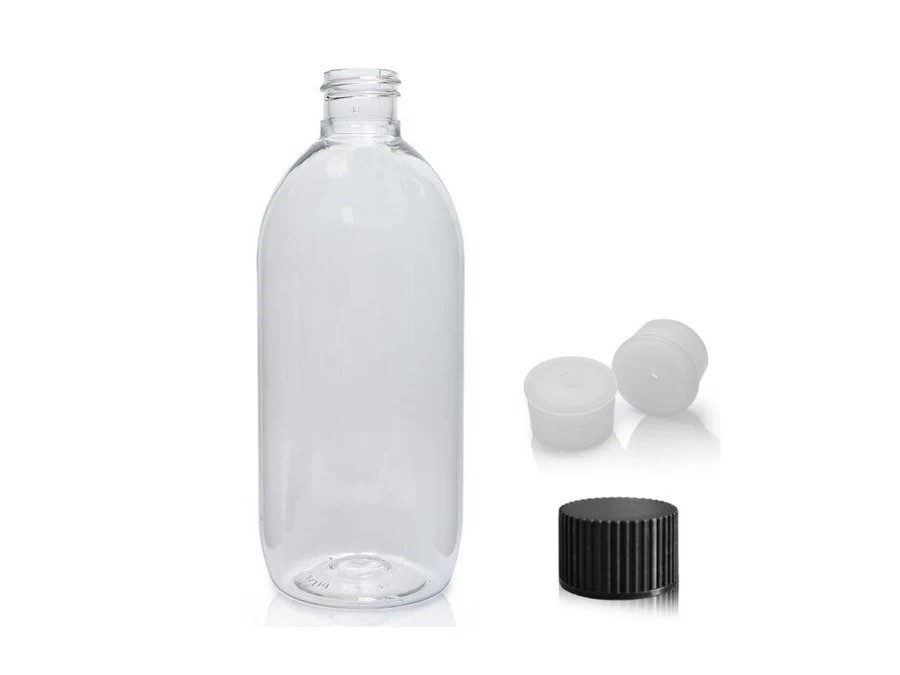
250ml, 24mm neck, spout cap · Material: Amber 30% PCR PET
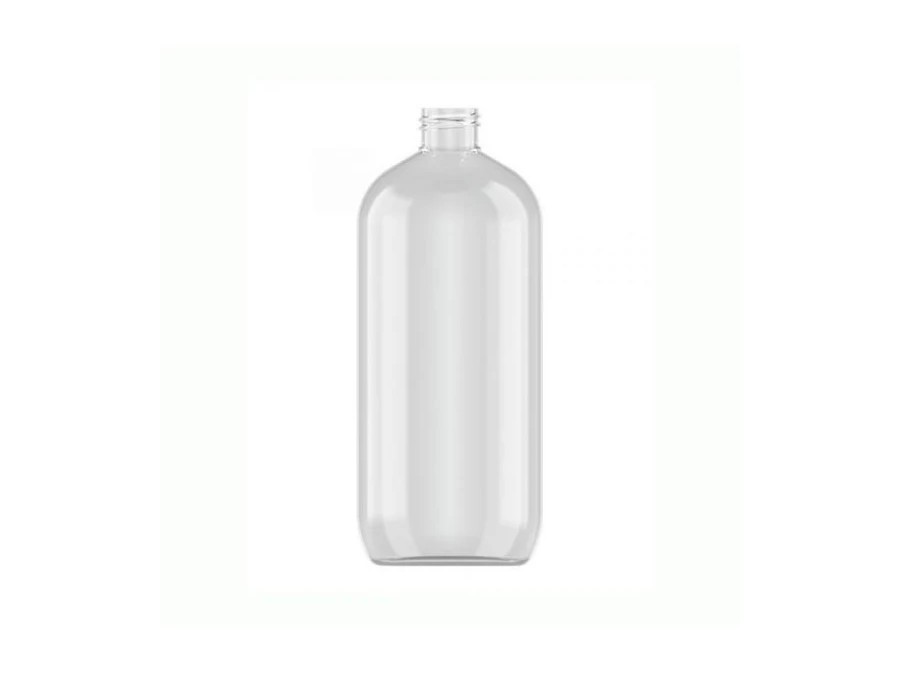
250ml, 28mm aluminium cap · Material: Clear PET + aluminium cap
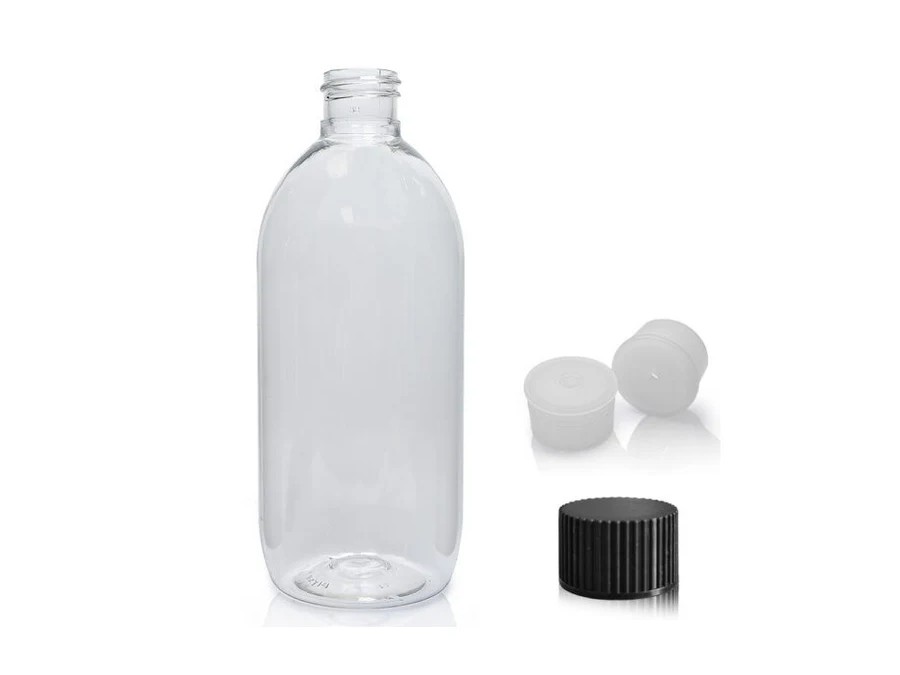
250ml, 28mm screw cap · Material: Clear PET
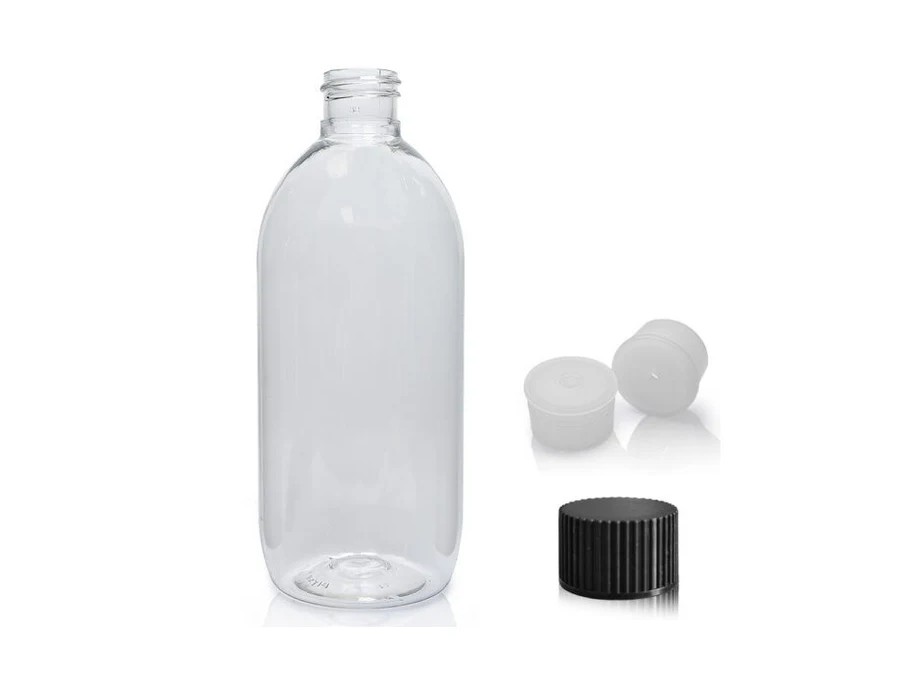
50ml, 20/410 neck, no cap · Material: Clear PET
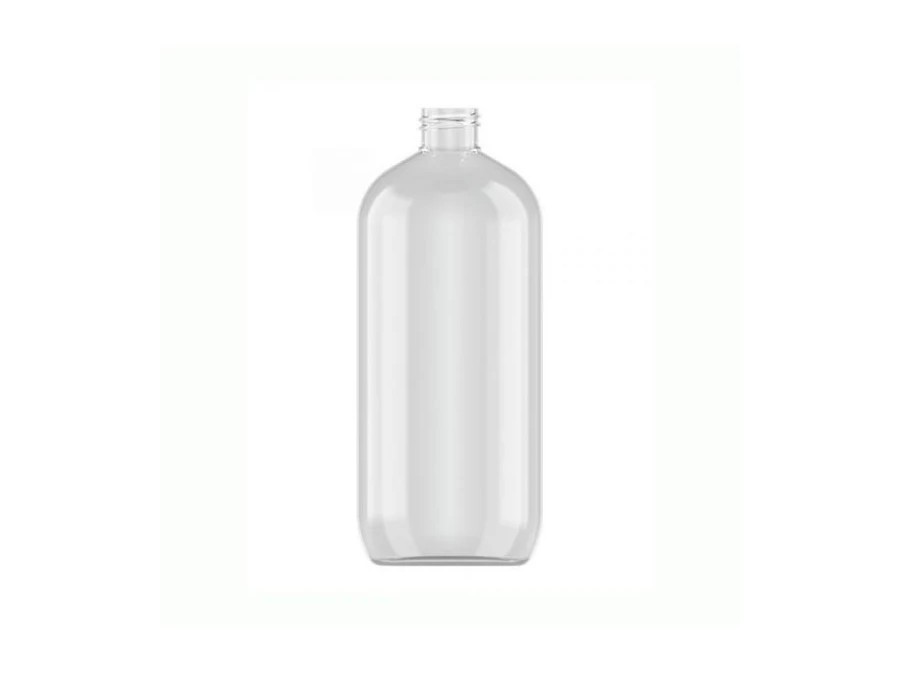
100ml, 24/410 neck, squeezable · Material: Natural HDPE
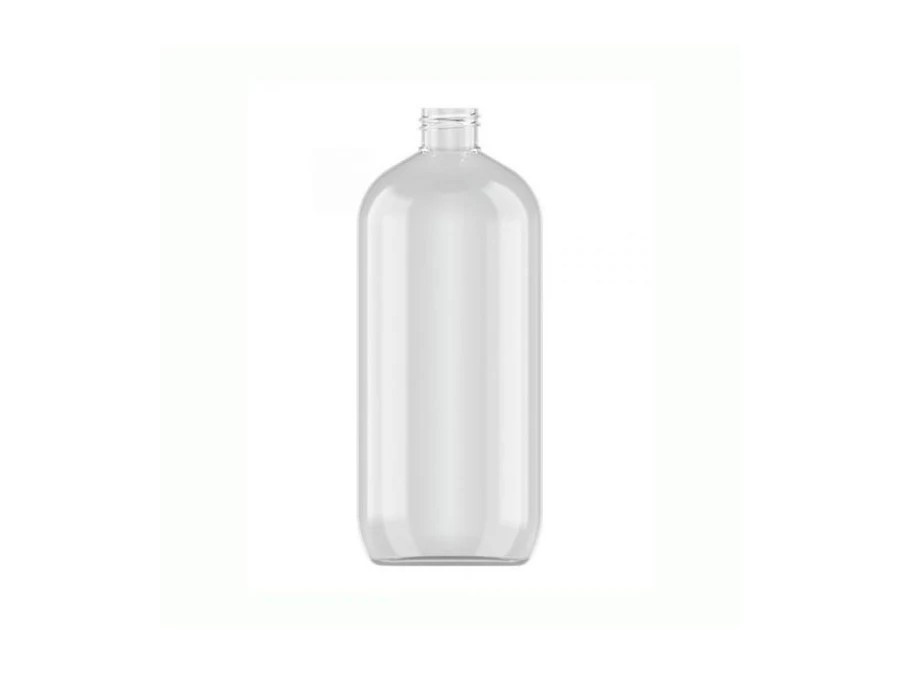
150ml, 24/410 neck, white · Material: White HDPE
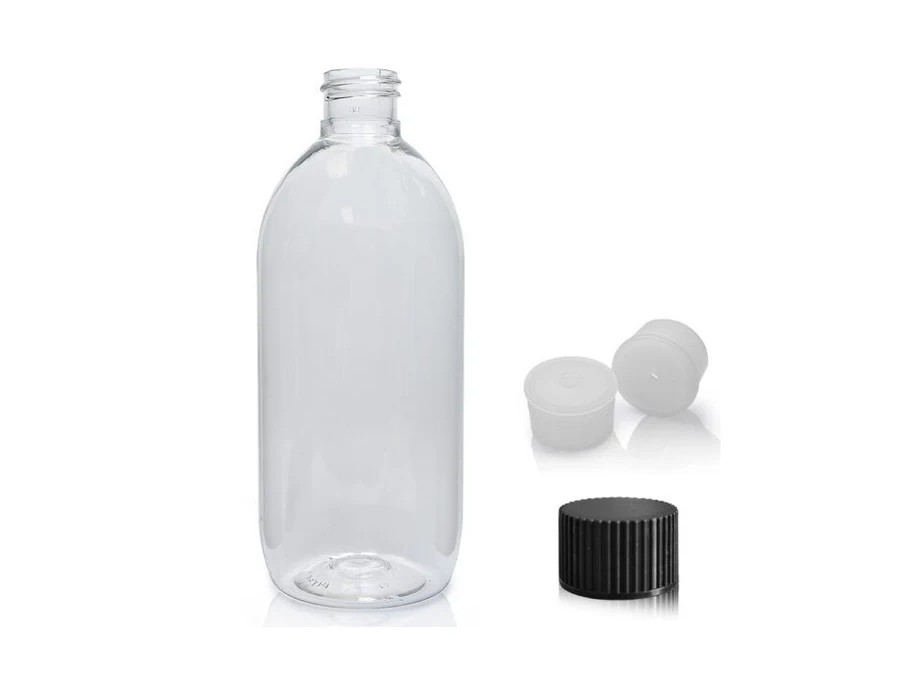
200ml, 24/410 neck, no closure · Material: Clear PET
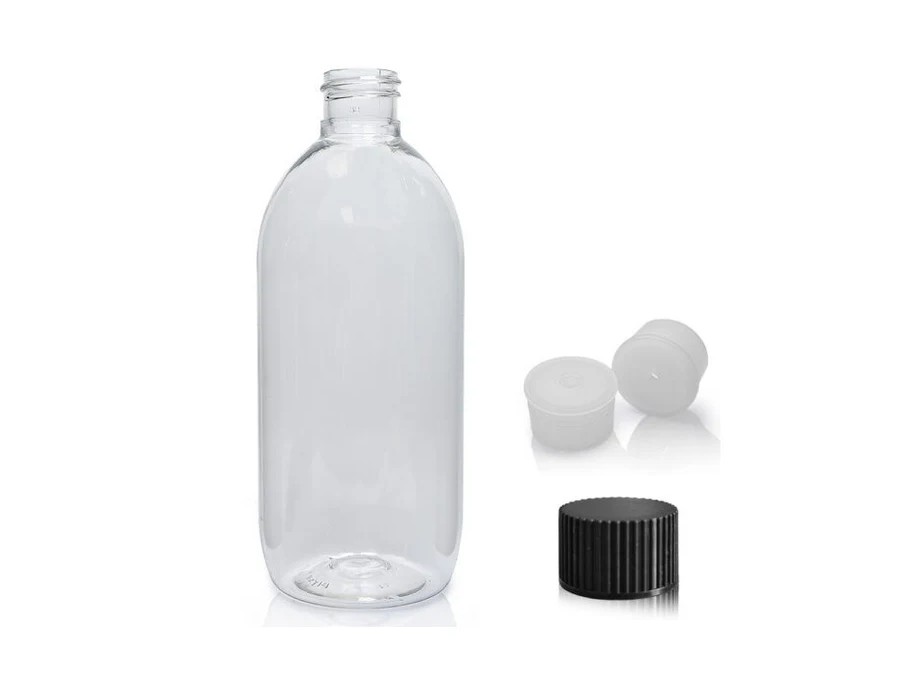
300ml, 24/410 neck, amber · Material: Amber PET
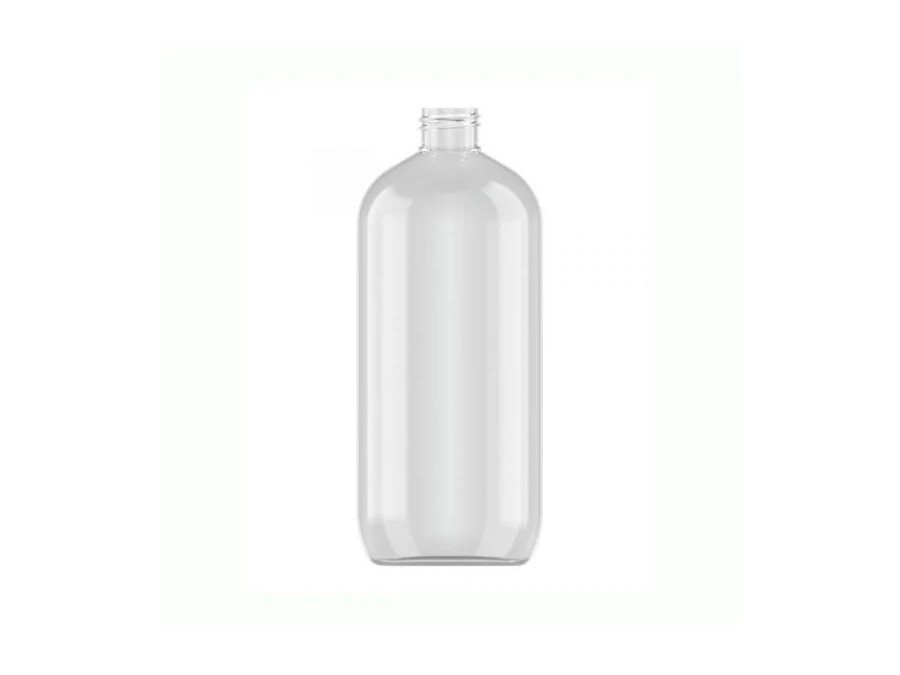
500ml, 28/410 neck, natural · Material: Natural HDPE
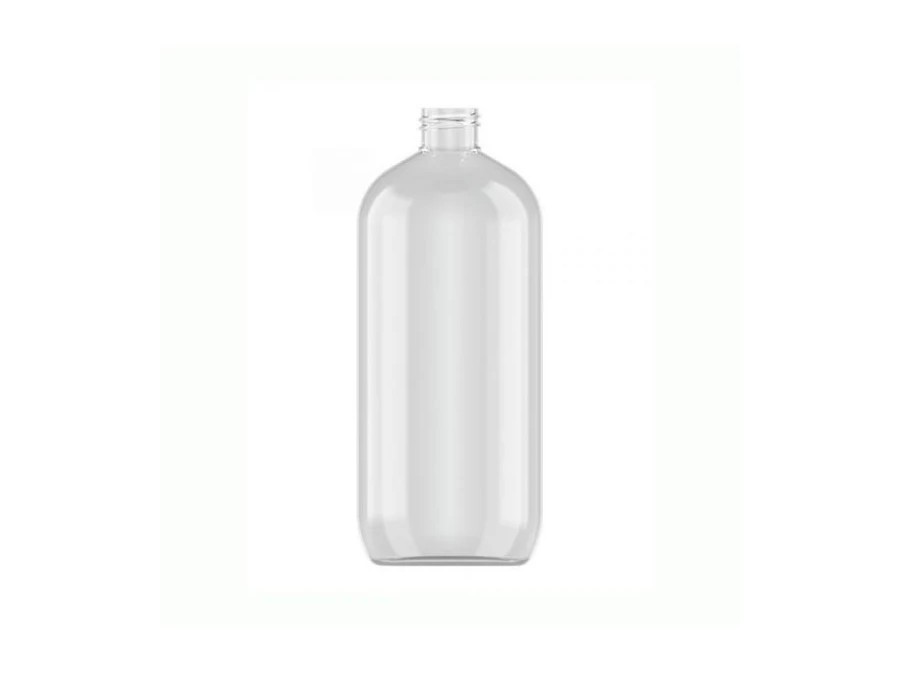
750ml, 28/400 neck, trigger compatible · Material: White HDPE
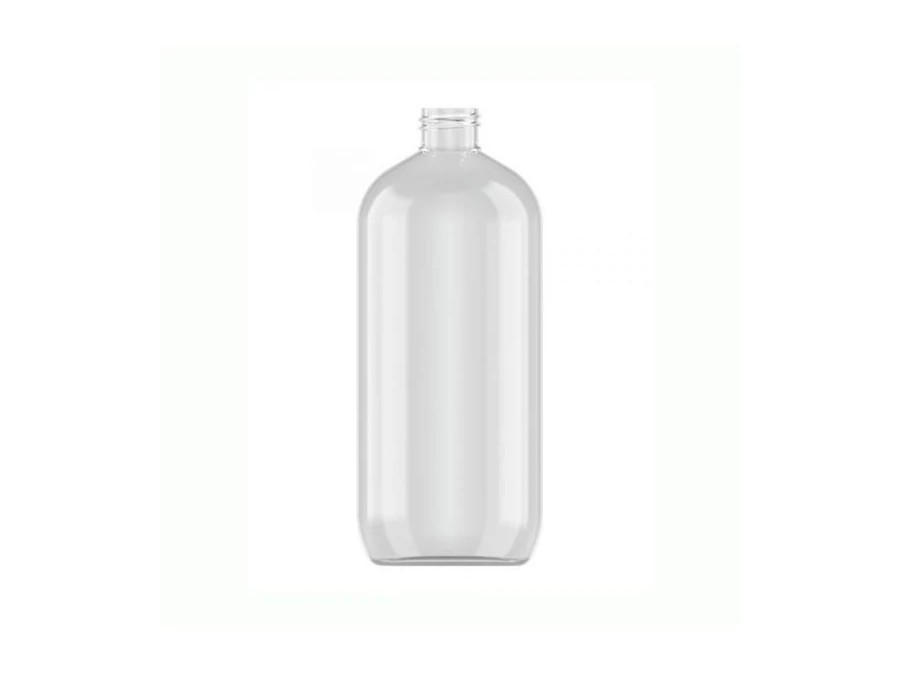
1L, 38mm neck, natural · Material: Natural HDPE
30ml, 18mm neck, pipette closure · Material: Amber glass
50ml, cork/screw finish · Material: Clear glass
100ml, 28mm neck, no cap · Material: Clear glass
200ml, 28mm neck, amber · Material: Amber glass
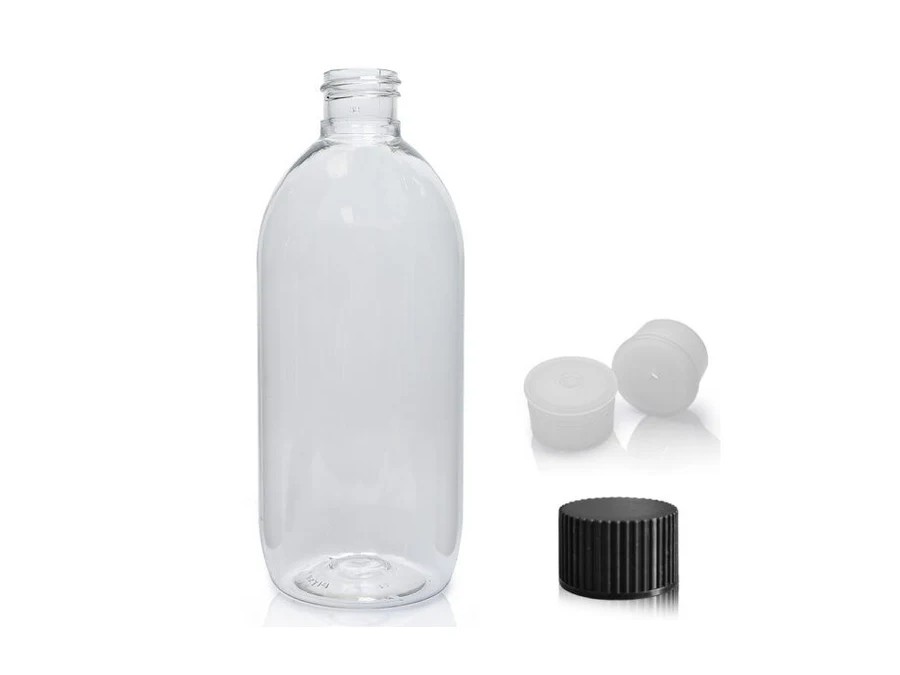
250ml, ROPP neck · Material: Clear glass
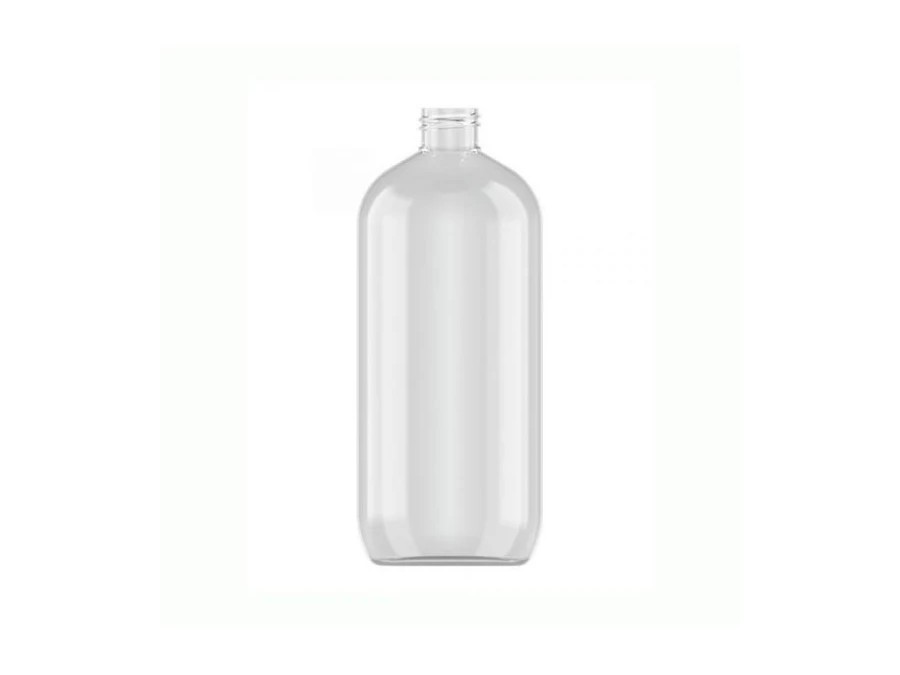
330ml, crown neck · Material: Amber glass
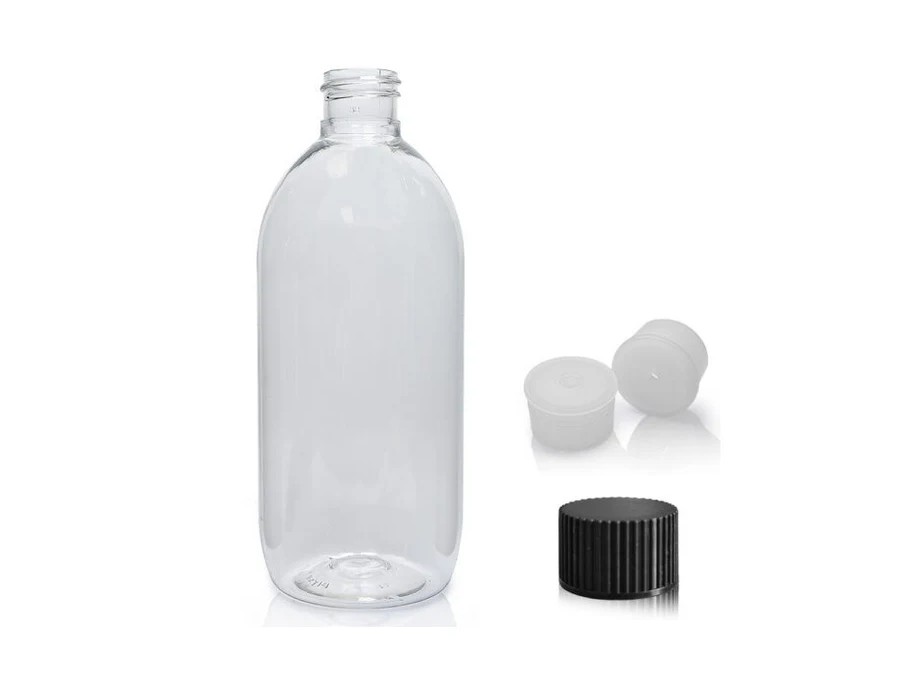
500ml, swing stopper closure · Material: Clear glass
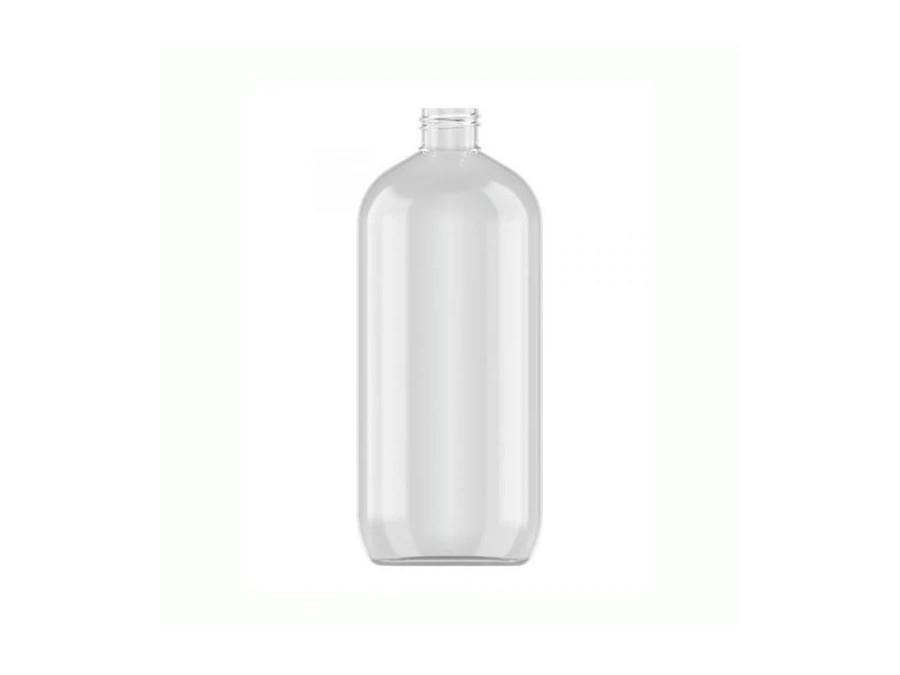
750ml, cork finish · Material: Clear glass
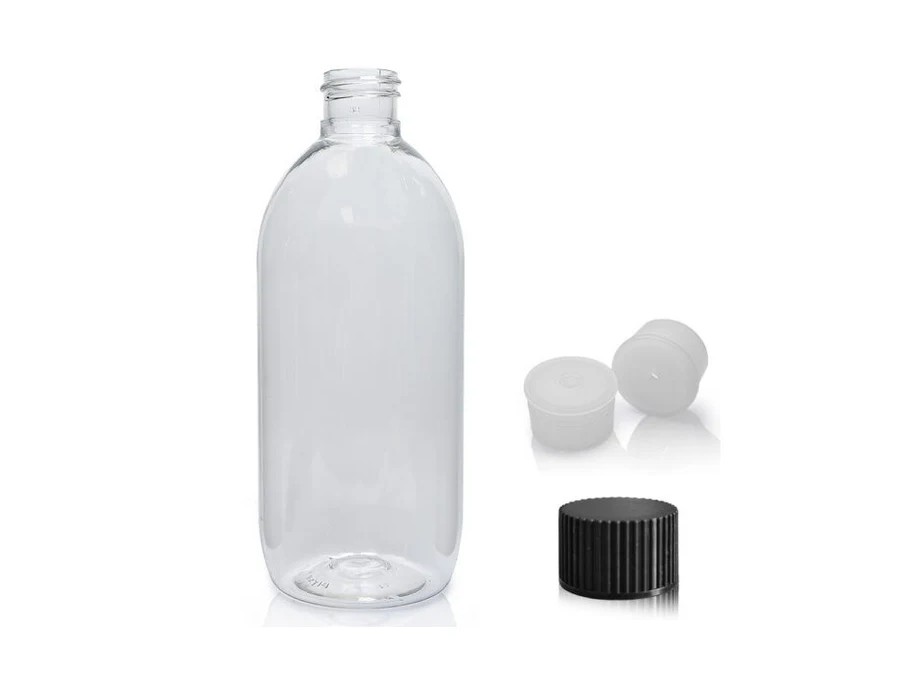
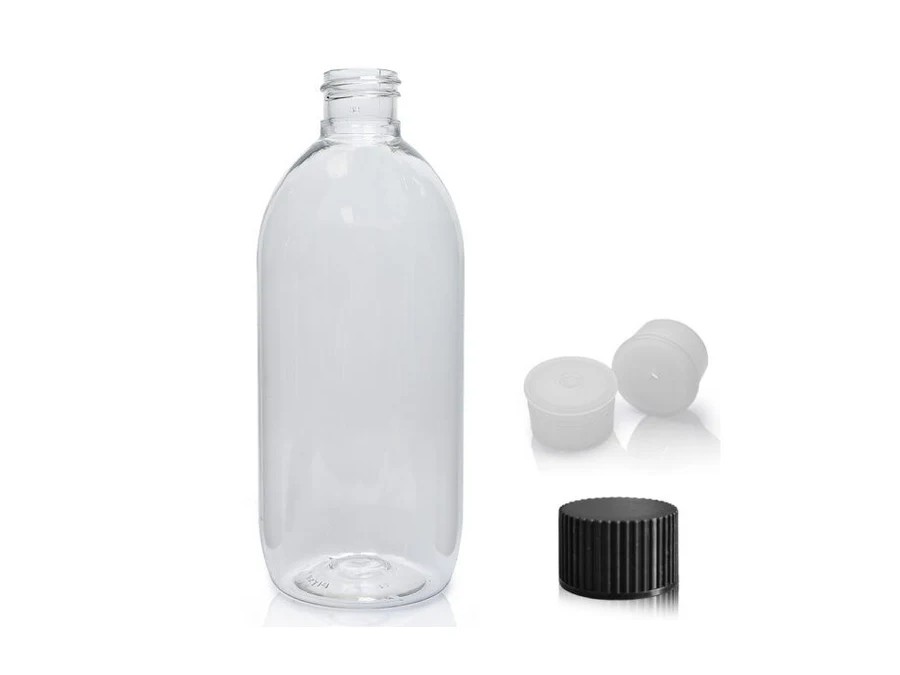
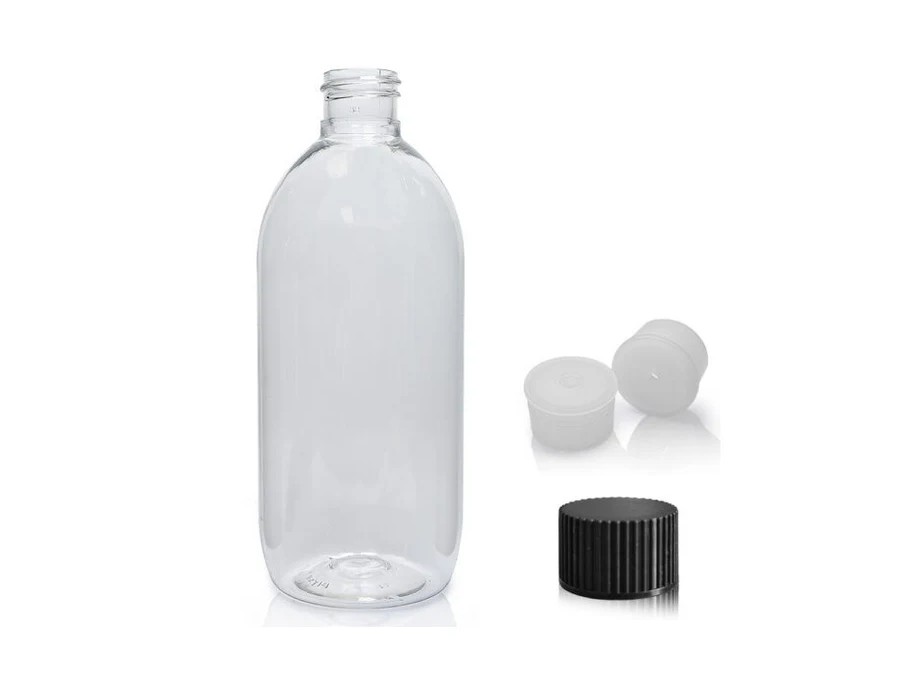
500ml, standard cap/nozzle cap options · Material: Clear PET
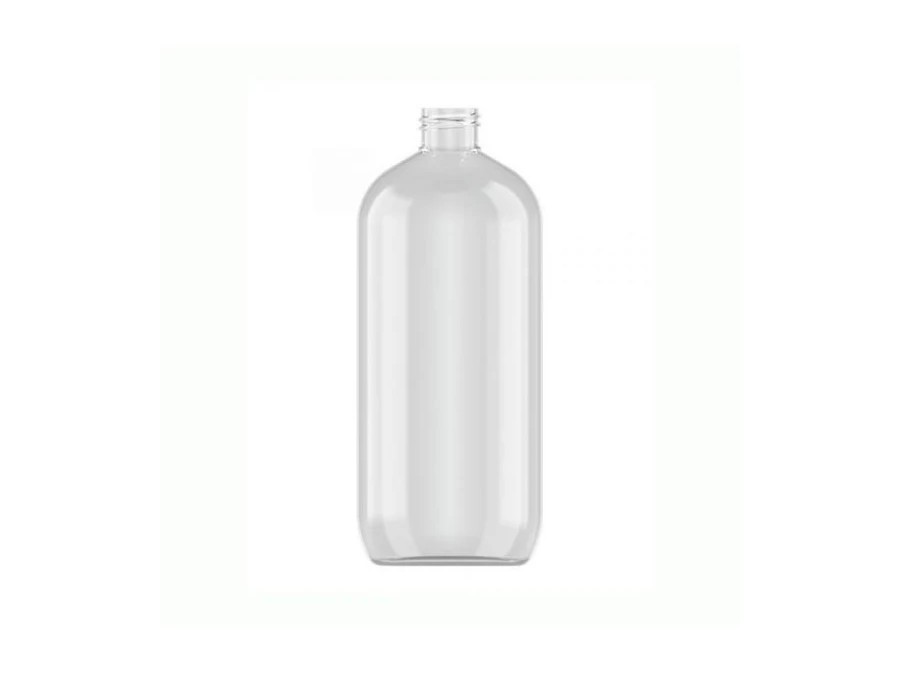
100ml, screw neck · Material: Aluminium
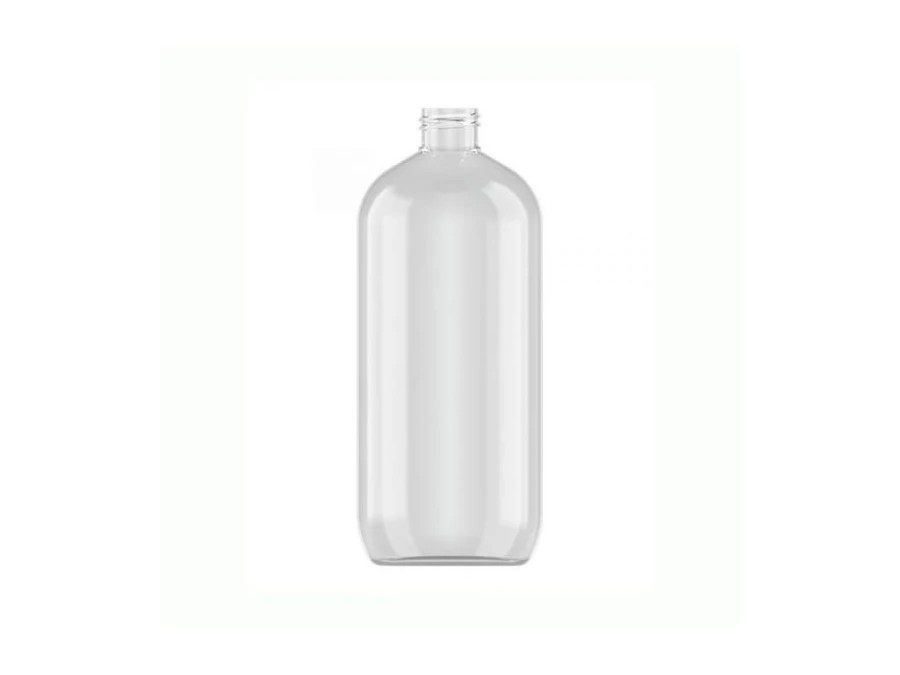
250ml, bullet profile, 24/410 neck · Material: Aluminium
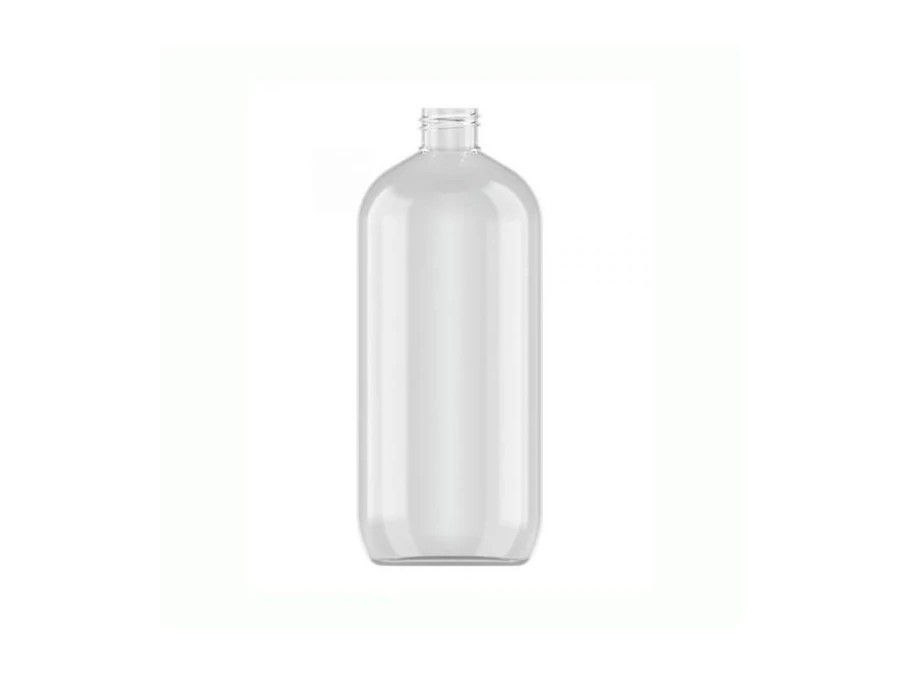
500ml, 28mm neck · Material: Aluminium
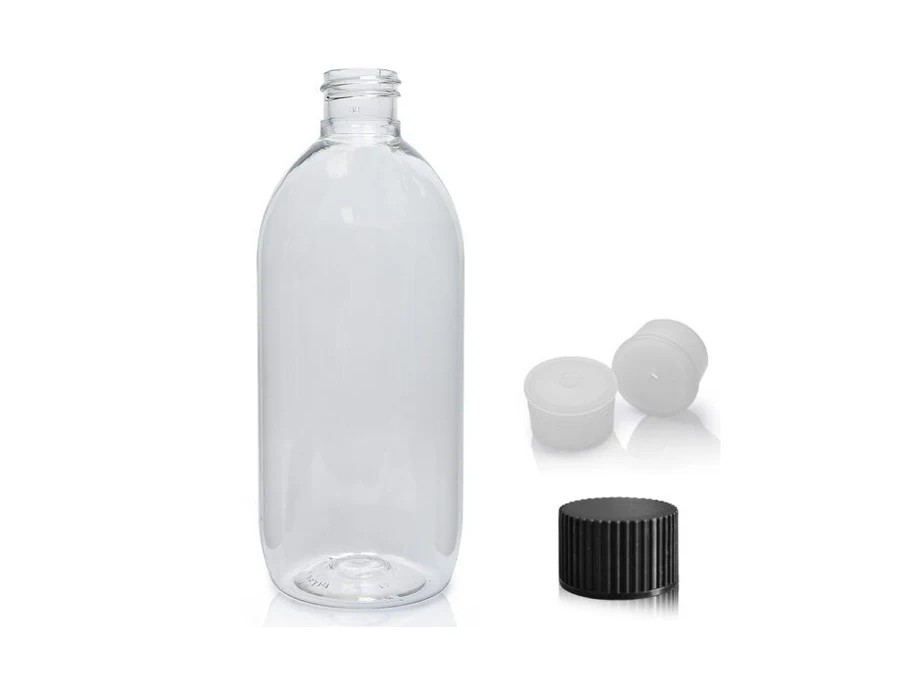
50ml, 20mm neck · Material: Clear PET
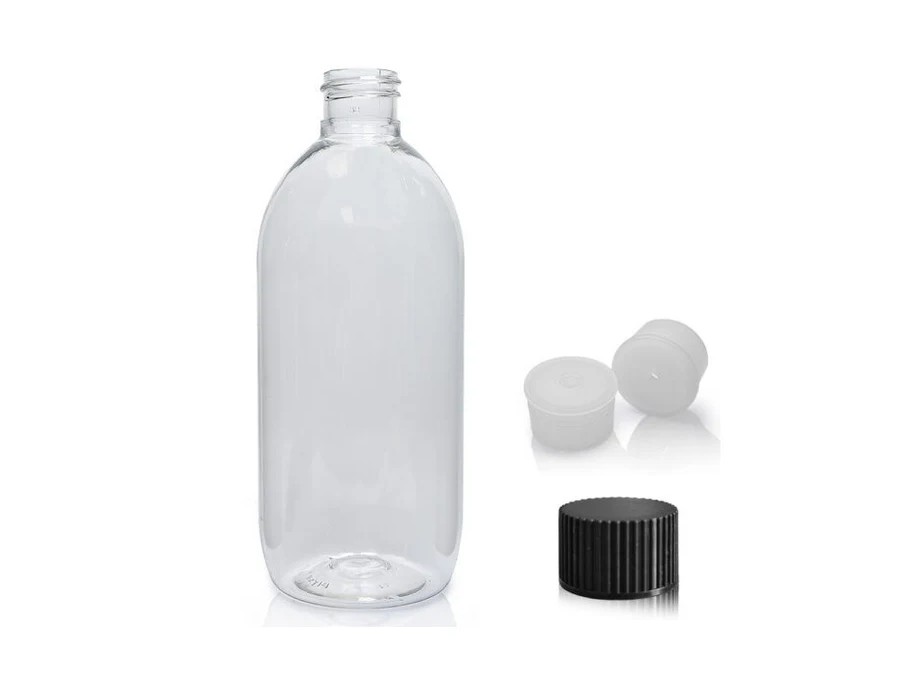
100ml, 20/410 disc-top cap · Material: Clear PET
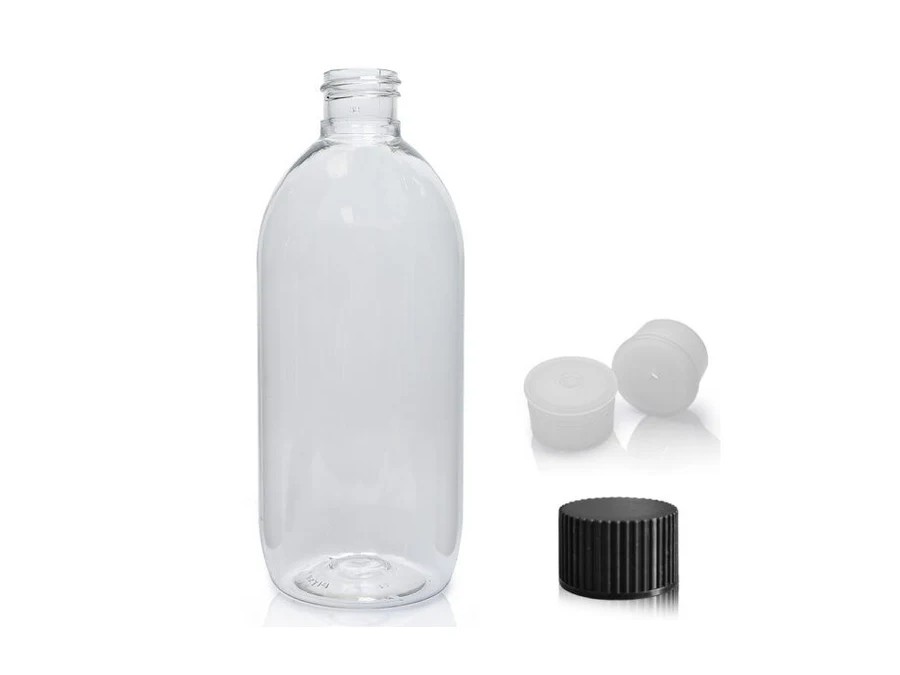
150ml, flip-top cap · Material: Amber PET
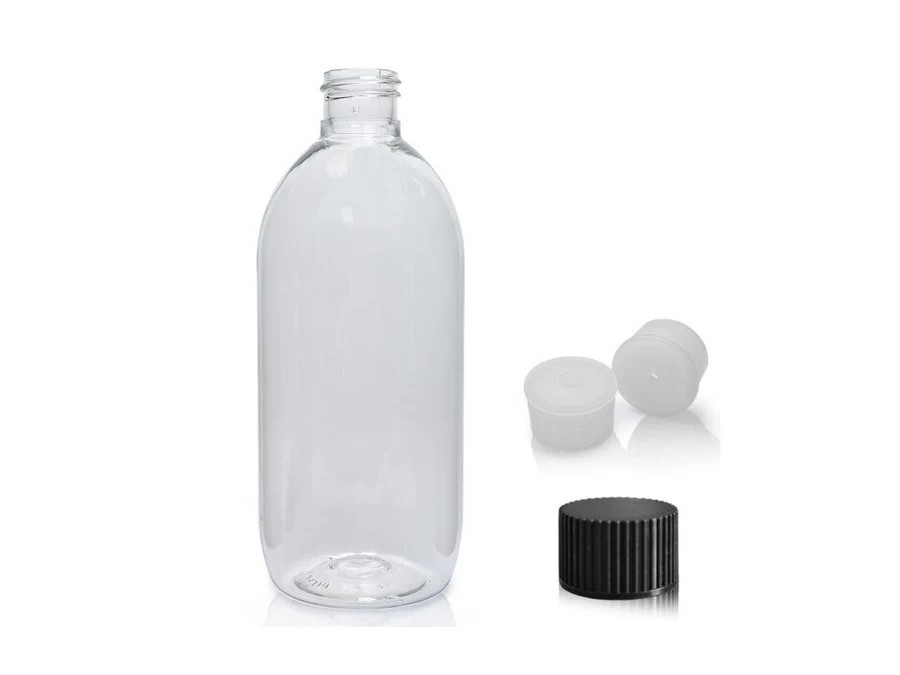
200ml, pump closure · Material: Clear PET
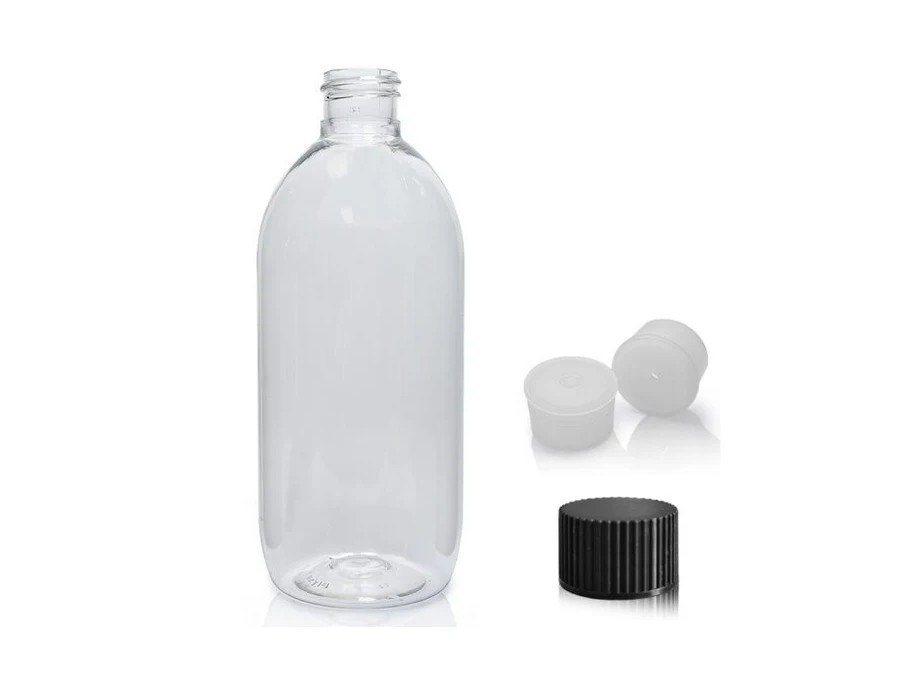
300ml, disc top cap · Material: Clear PET
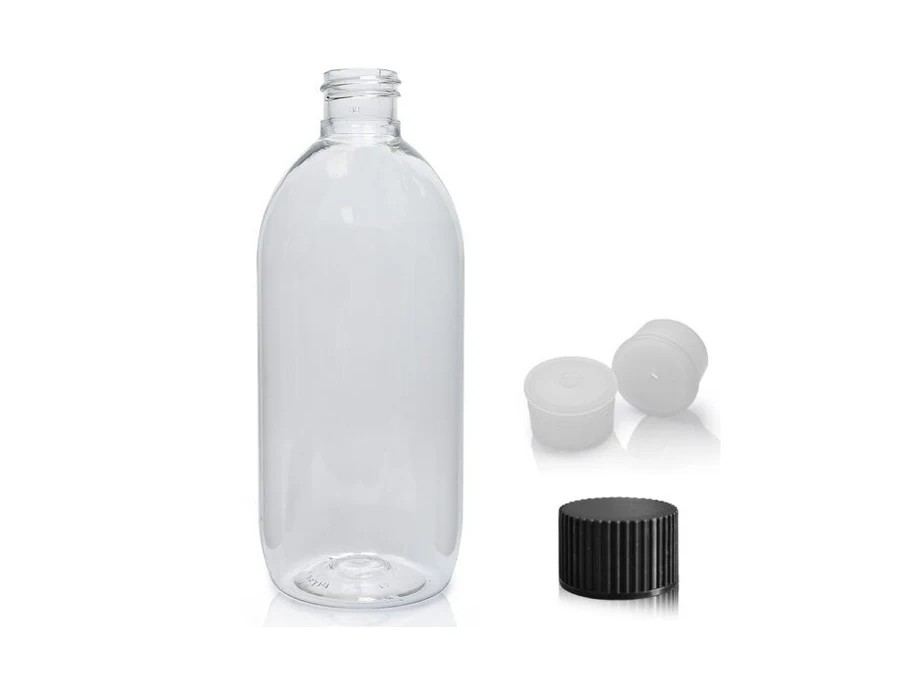
500ml, pump closure · Material: Amber PET
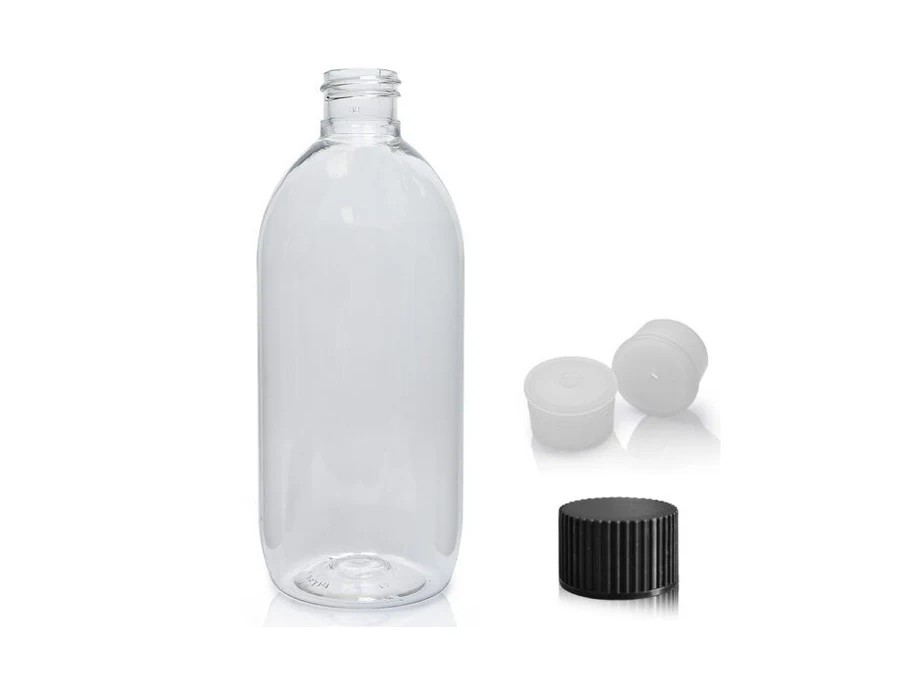
1L, 38mm tamper-evident cap · Material: Clear PET
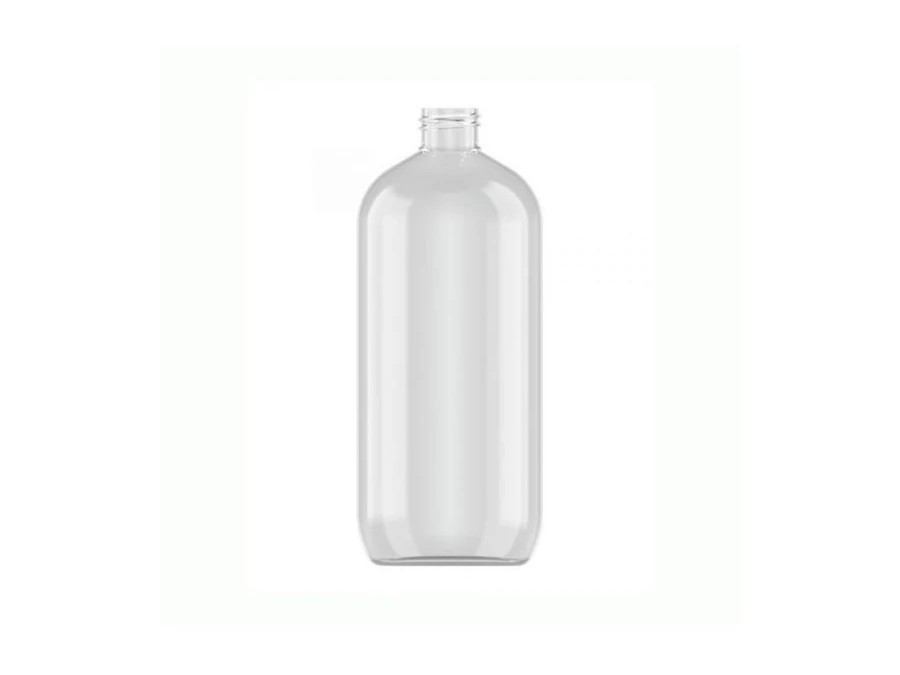
30ml, fine nozzle and overcap · Material: Natural LDPE
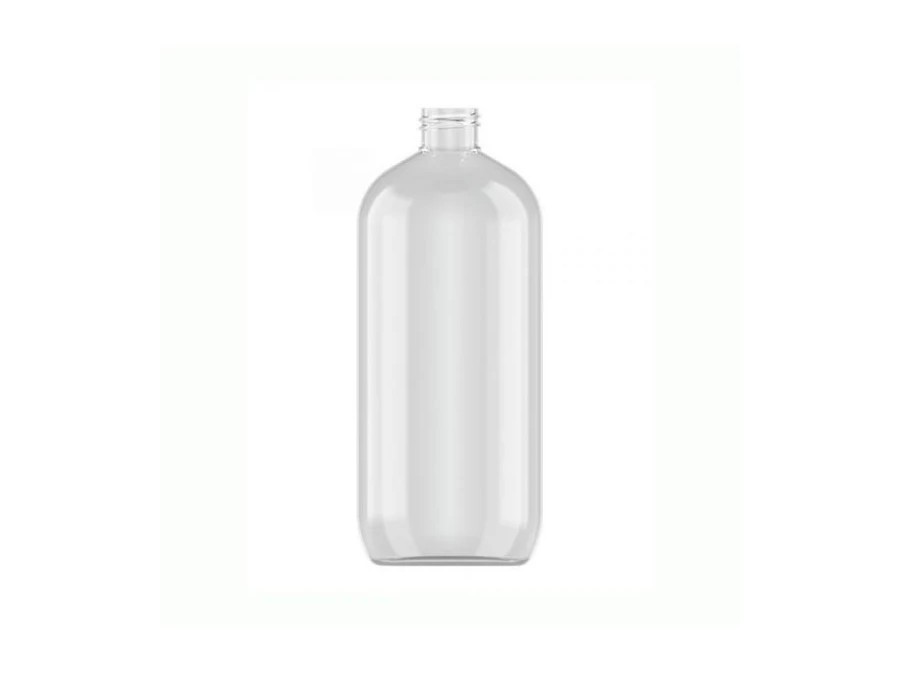
60ml, plug insert/dropper · Material: Natural LDPE
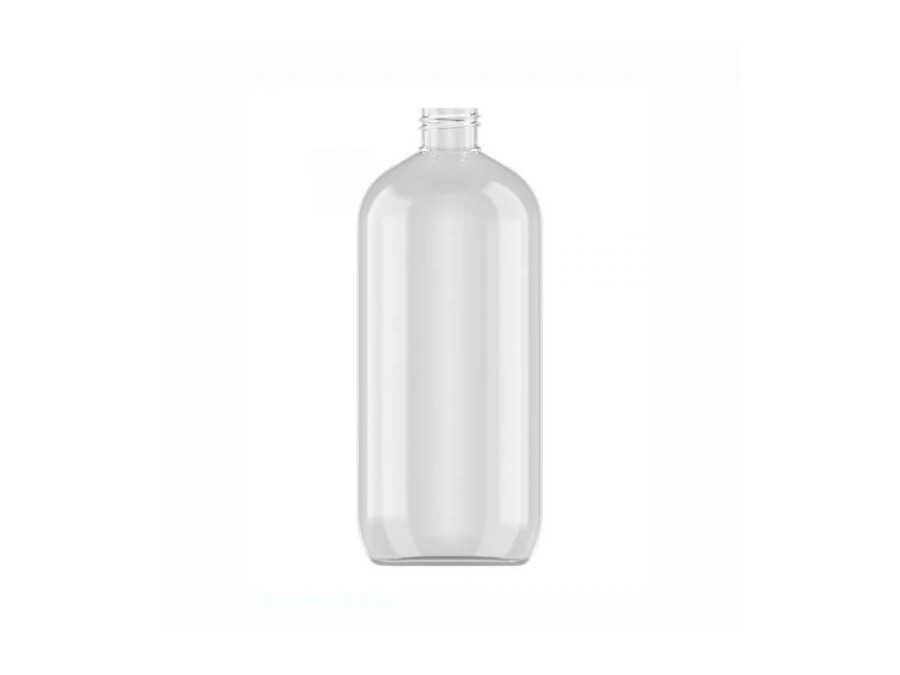
125ml, wide mouth 38mm · Material: White HDPE
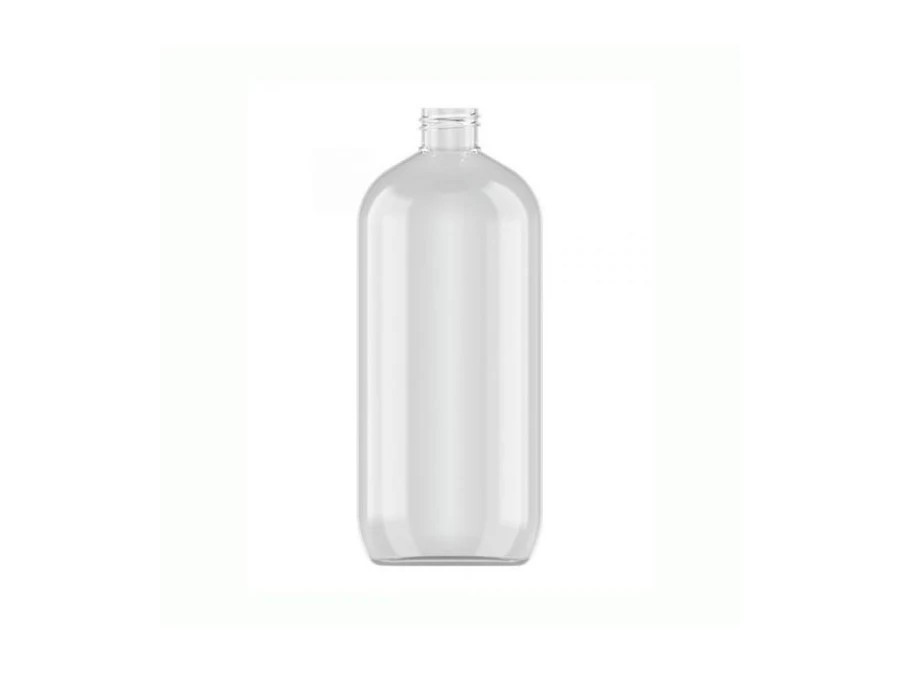
250ml, wide mouth 45mm · Material: White HDPE
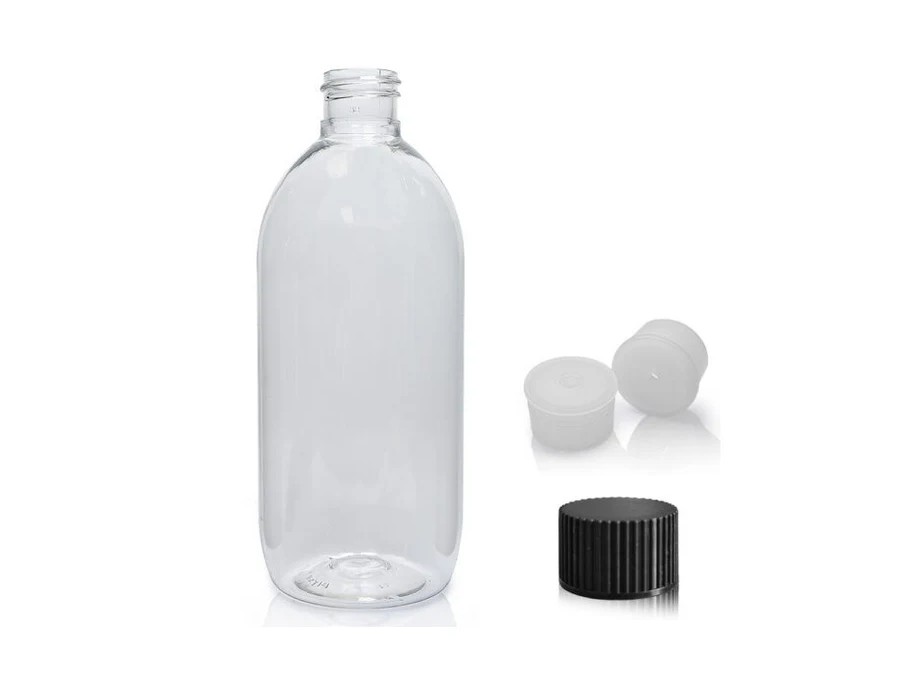
100ml, foaming pump · Material: Clear PET
150ml, foaming pump · Material: Clear PET
200ml, white foamer pump · Material: Clear PET
100ml, pump finish · Material: Frosted glass
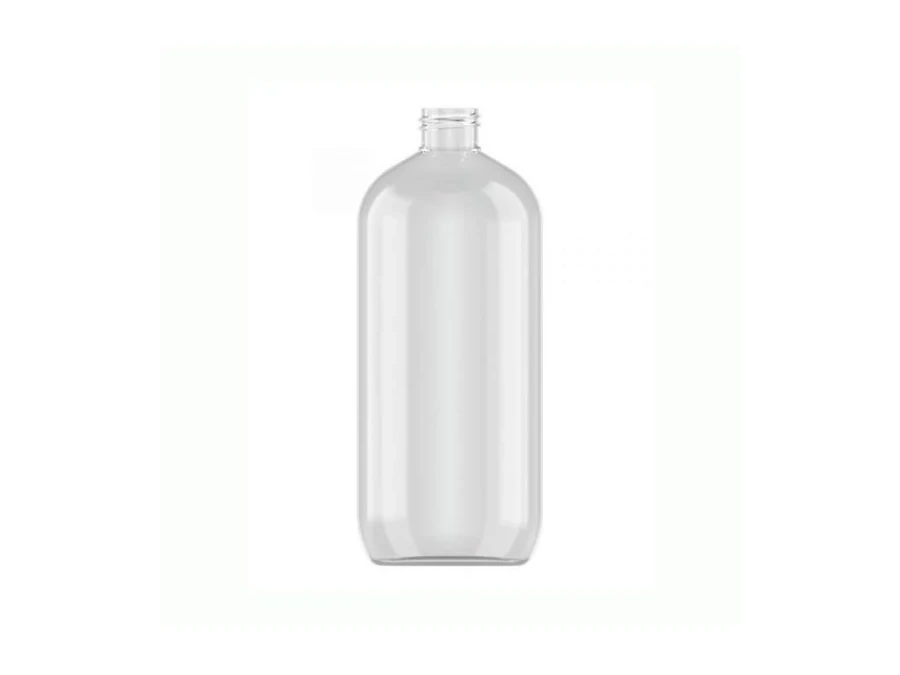
Range: clear PET bottles · Use case: water, drinks, household liquids and general filling applications
Range: coloured PET bottles · Use case: branded drinks, cosmetic and promotional packaging
Range: amber plastic bottles · Use case: liquids, care products, oils and light-sensitive contents
A bottle material can narrow the search, but it does not establish compatibility on its own. Contents, fill temperature, storage period, light exposure, handling, decoration and the exact neck finish all influence the final specification.
| PET | Often selected for clarity, product visibility and a comparatively rigid, lightweight bottle. Check the intended contents, hot-fill conditions, panel design, colour and any recycled-content requirement against the actual item. |
|---|---|
| HDPE | Often selected where an opaque or translucent, robust bottle is preferred. Product chemistry, permeation, stress cracking, closure torque and label adhesion still require application-specific confirmation. |
| PCR or recycled content | Ask for a current declaration stating the percentage, material basis and product reference. Colour, appearance and performance may differ from virgin material and should be approved against a sample. |
Compare the dedicated PET bottle guide and HDPE bottle guide before choosing a product page.
A nominal diameter such as 24 mm or 28 mm is not a complete fit specification. The finish profile, thread form, sealing surface, liner, bore, tamper-evident band and application torque must match. Pumps and triggers also require the correct dip-tube length and product-viscosity check.
Where fit is critical, provide a bottle and closure sample, drawing or exact references. Agree leak, torque, opening, drop, transport and product-contact checks before production supply. See the bottle and cap compatibility guide and the closure compatibility guide.
Recycle Now reports broad UK collection coverage for plastic bottles, particularly PET and HDPE, but the label, sleeve, closure and local instruction still form part of the finished-pack decision.
State the fill volume, contents, expected fill temperature, bottle colour, preferred material, neck finish, closure function, label area, annual and first-order quantities, and required delivery date. For line-fed projects, include the filling, capping and labelling method, conveyor handling points and any bottle-stability concern. Machinery selection remains on the Lancing machinery website.
PET, PCR PET and HDPE describe the bottle body, but a production-ready pack also depends on the neck finish, closure geometry, liner or seal, label system, filled product and distribution conditions. Matching only a nominal neck diameter is not enough to confirm sealing or dispensing performance.
| Bottle body | State material, colour, capacity, shape, panel area, filled weight, squeeze or rigidity requirement and any light-protection need. |
|---|---|
| Neck and closure | Provide the complete neck finish or drawing, not diameter alone. Identify screw cap, tamper evidence, liner, induction wad, plug, pump, trigger, disc top or other dispensing requirement. |
| Contents and filling | Describe product chemistry, viscosity, filling temperature, headspace, foaming and whether the pack is filled, capped or sealed manually or automatically. |
| Label and decoration | Confirm label panel dimensions, surface condition, label stock, adhesive, artwork coverage and application method. Labels and adhesives can affect both performance and the recycling assessment. |
| Storage and transport | Define storage orientation, temperature range, exposure to moisture or light, distribution duration, case packing and pallet load. |
The PET versus HDPE bottle guide compares appearance, squeeze, barrier, temperature and compatibility considerations without presenting either polymer as a universal answer. Use the exact bottle grade and supplier evidence for the final decision.
Check closure engagement, leak resistance, dispensing, label adhesion, panel stability and appearance using the intended contents and production method. Record acceptance criteria before the trial and repeat checks after the relevant storage and distribution period. The compatibility test plan provides a structured route.
When the bottle project includes automated filling, capping, labelling or conveying, send the approved bottle and closure to the Lancing packaging machinery team so the machine requirement is based on the actual components.
Request bottle and closure options Prepare a bottle quote brief
Bottle performance depends on the resin and geometry, but also on the contents, fill process, closure, label, handling method and evidence required for the finished pack.
Shortlist materials by the actual product, contact time, temperature, barrier need, squeeze or rigidity requirement, appearance and process—not by a generic claim that one polymer is always best. Compare PET and HDPE bottles, then test the exact formulation and complete closure system.
The neck finish controls thread form, engagement, sealing-land geometry, tamper-band interaction, liner compression and the position of pumps, sprayers or dispensing closures. A nominal diameter is only one characteristic. Confirm the full neck and closure specification through the closure compatibility guide.
Filled contents can change bottle stress, panel shape, permeation, closure sealing, label adhesion and load during storage or transport. Fill temperature and cooling can add further effects. Approval therefore needs a representative filled-pack trial, not only an empty dimensional check. See fill-temperature selection.
Check overall dimensions, base stability, centre of gravity, roundness or panel consistency, neck position, surface finish, orientation features and the way the bottle transfers between conveyors, guides and starwheels where used. Supply representative bottles and the matching closure and label for the line trial.
Confirm the exact recycled-content percentage and evidence for the product line, then assess appearance, colour variation, odour where relevant, mechanical behaviour, product-contact requirements and processing consistency. Recycled content and recyclability are separate questions. Use the recycled-content evidence guide.
Request bottle options and samples Compare bottles and pouches