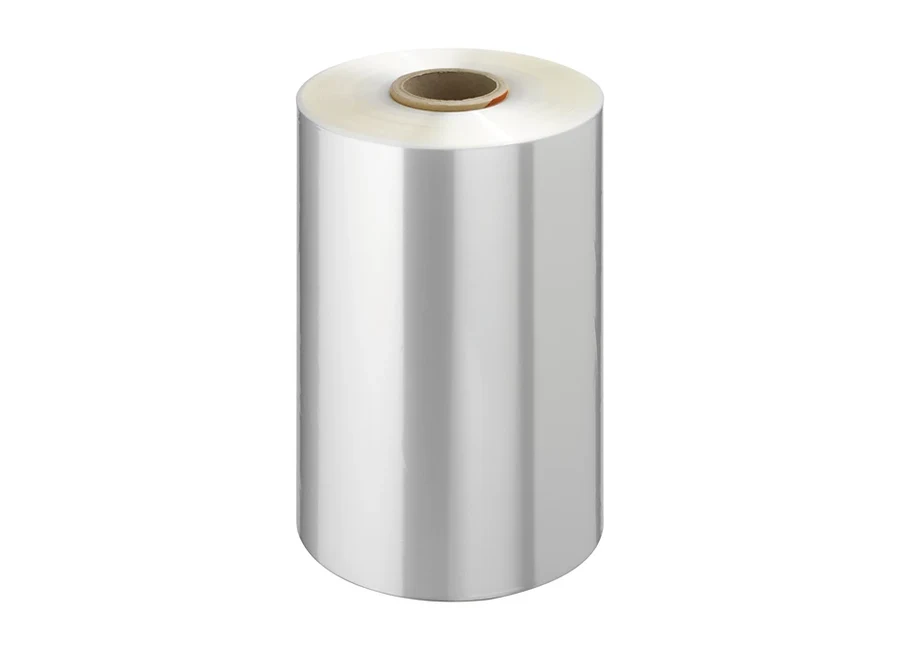
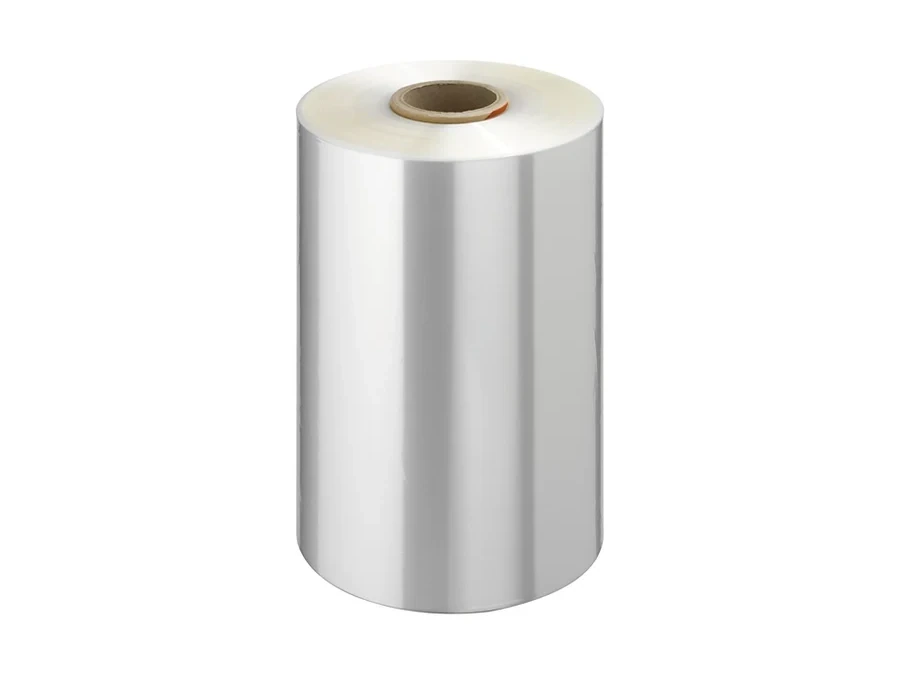
Deluxe Polyolefin Shrink Film Roll - 75 gauge, 8 in x 3,500 ft
Gauge: 75 gauge / 19 microns
Contact for priceView product
Browse PVC, polyolefin, LDPE and pallet shrink film options for wrapping, bundling and protection. Every item is contact for price. 65 products are listed in this range. Compare film materials, widths and thicknesses in our shrink film guides.
Gauge: 75 gauge / 19 microns
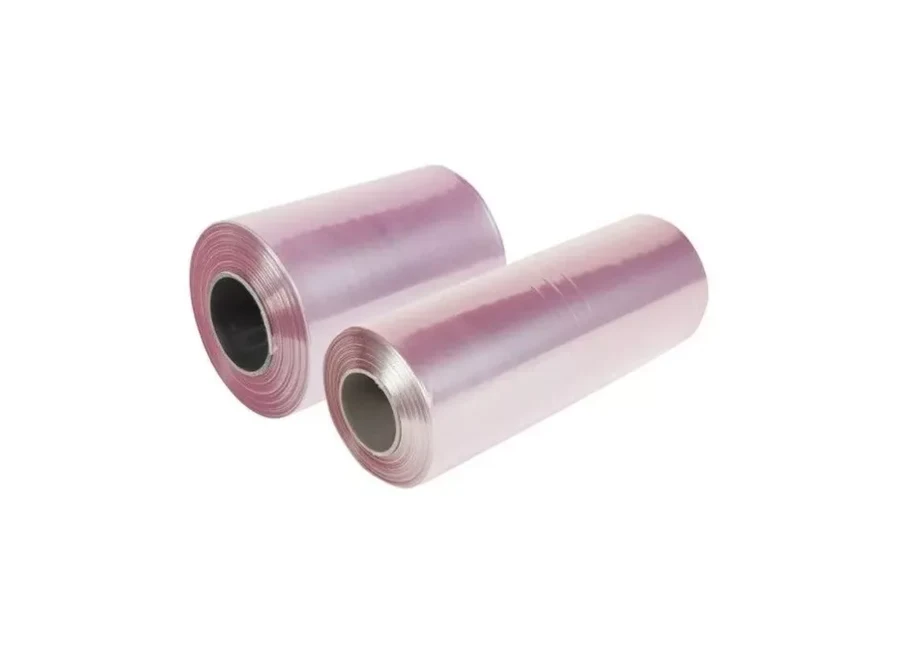
Roll size: 350 mm width, 700 mm open width · Material: High-clarity PVC shrink film
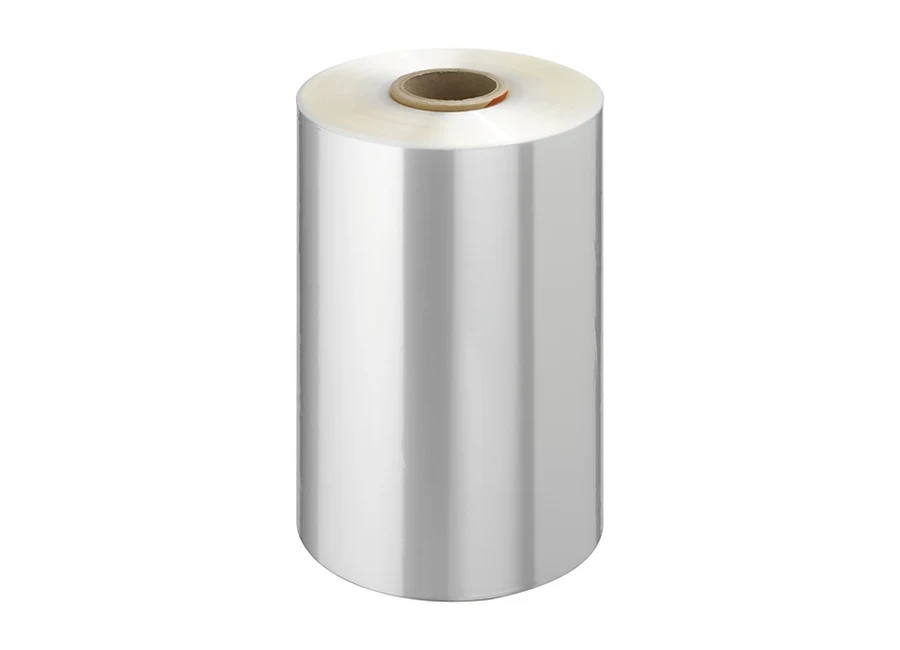
Material: Polyolefin · Format: Centre-folded and cross-linked film
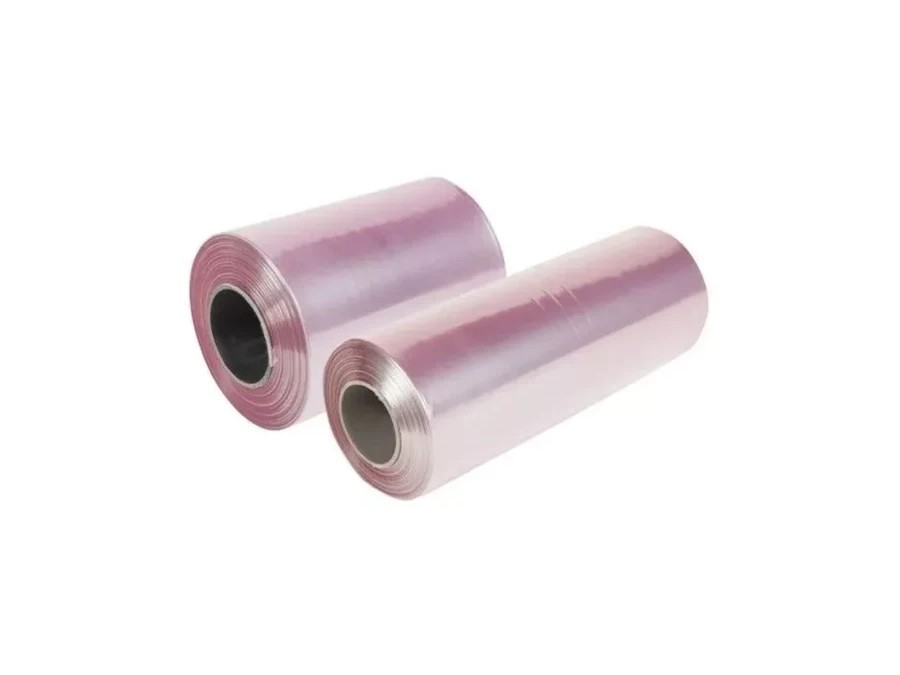
300mm width / 600mm open width; 600m; 19mu · Material: High clarity PVC
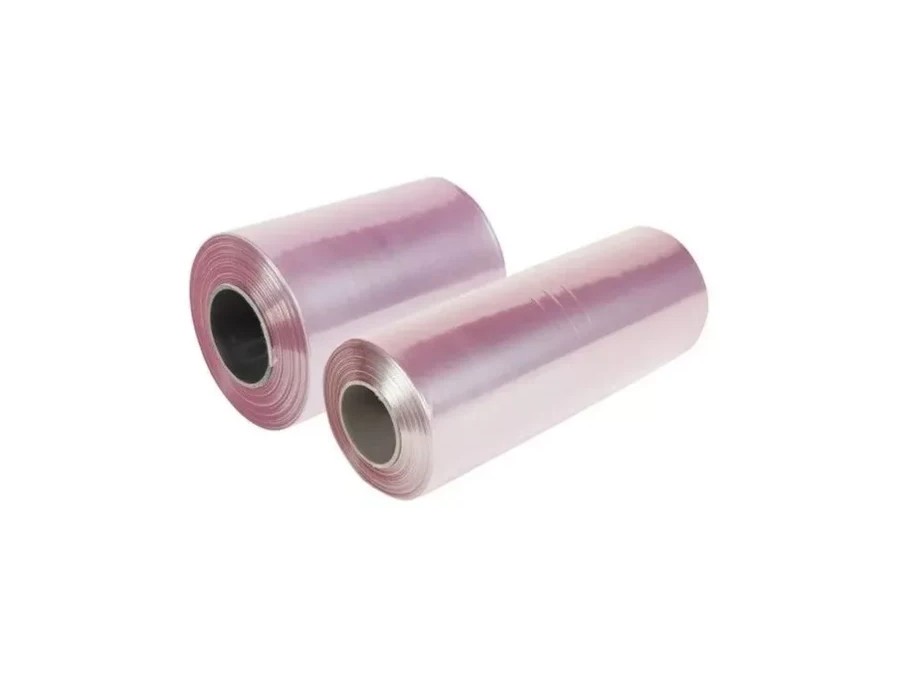
350mm width / 700mm open width; 600m; 19mu · Material: High clarity PVC
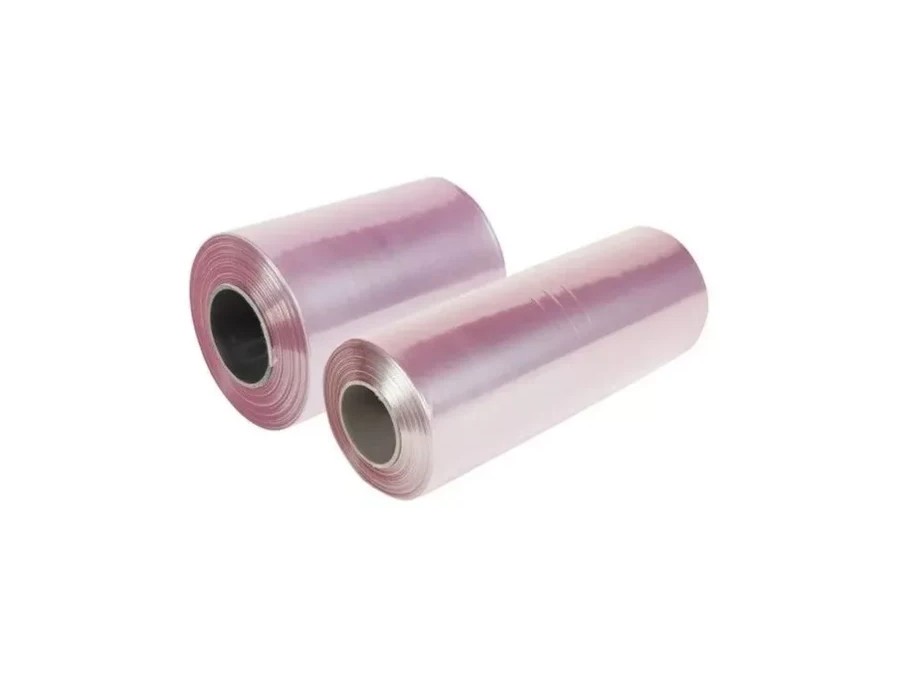
400mm width / 800mm open width; 600m; 19mu · Material: High clarity PVC
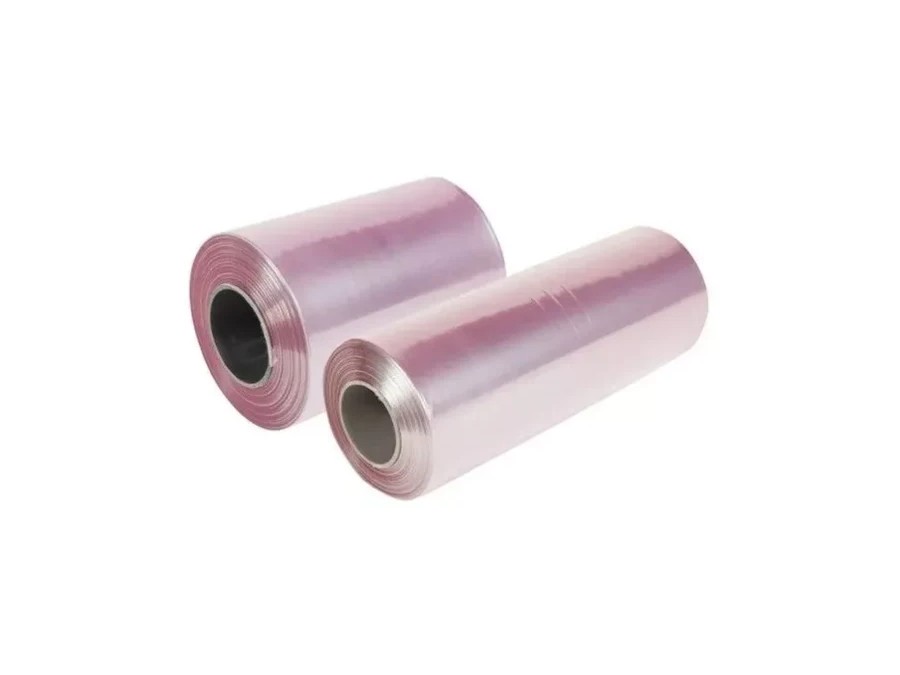
450mm width / 900mm open width; 600m; 19mu · Material: High clarity PVC
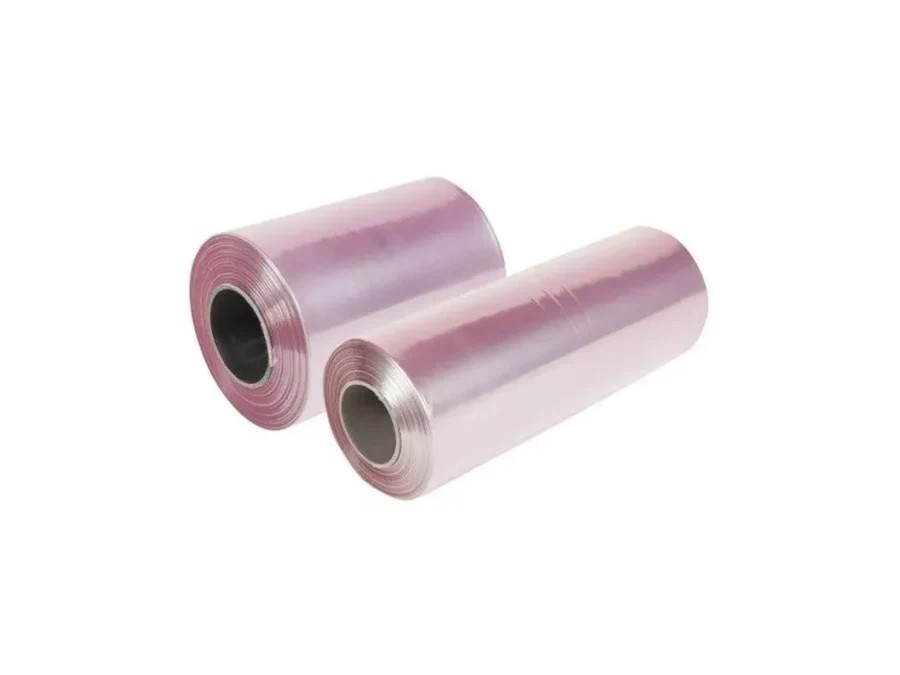
500mm width / 1000mm open width; 600m; 19mu · Material: High clarity PVC
1.5m/3m width; 150 micron; approx 59m/roll; 25kg roll · Material: LDPE/polythene shrink film
250mm x 1335m; 15mu; centrefolded · Material: Polyolefin
300mm x 1335m; 15mu; centrefolded · Material: Polyolefin
300mm x 1070m; 19mu; centrefolded · Material: Polyolefin
350mm x 1335m; 15mu; centrefolded · Material: Polyolefin
200mm x approx 1335m; 15mu · Material: Polyolefin
250mm x approx 1070m; 19mu · Material: Polyolefin
350mm x approx 1070m; 19mu · Material: Polyolefin
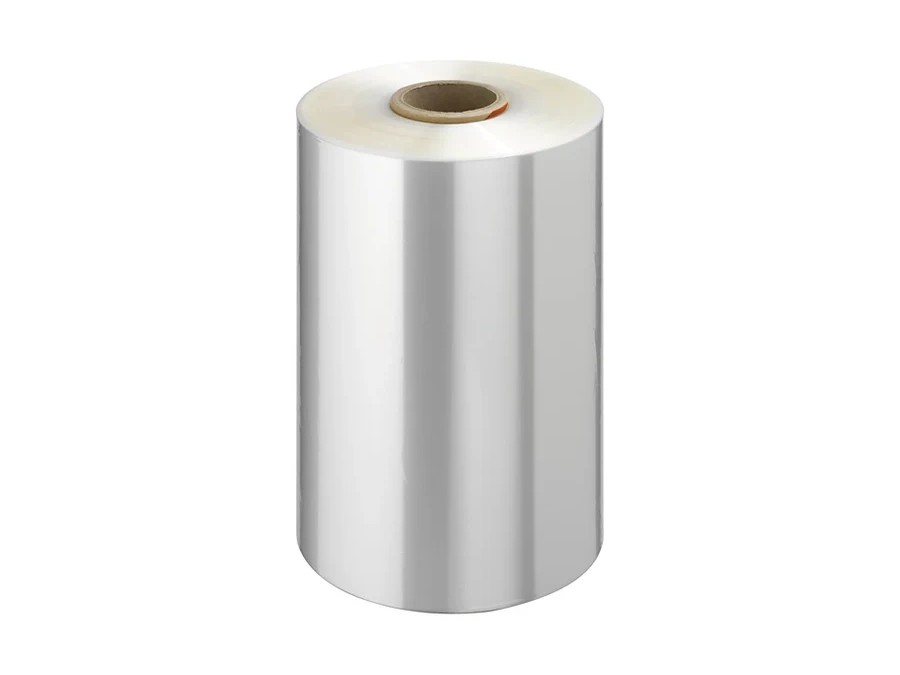
400mm x approx 1335m; 15mu · Material: Polyolefin
450mm x approx 1335m; 15mu · Material: Polyolefin
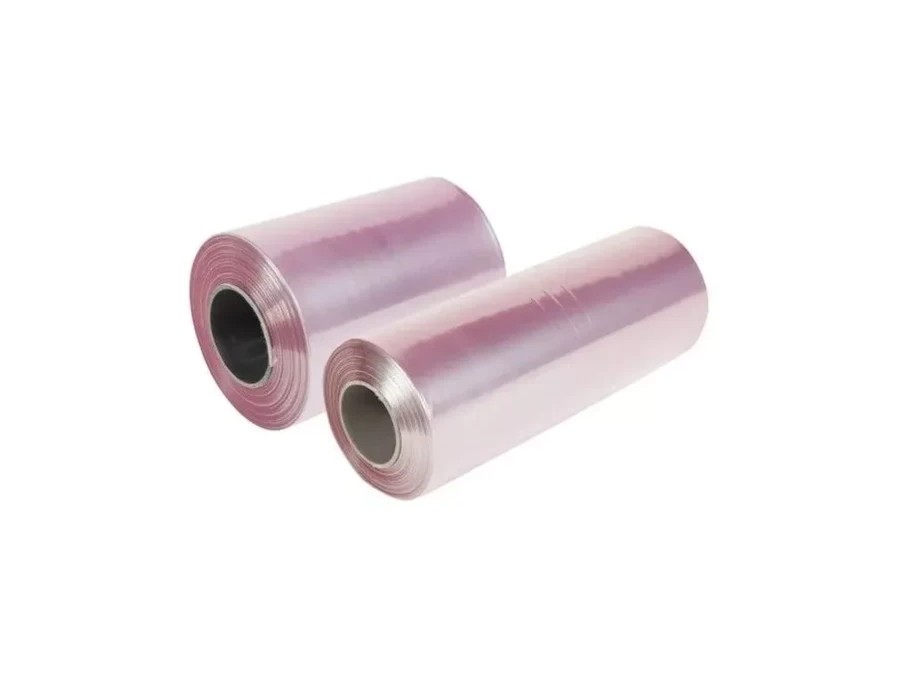
250mm width / 500mm open width; 600m; 19mu · Material: High clarity PVC
550mm width / 1100mm open width; 600m; 19mu · Material: High clarity PVC
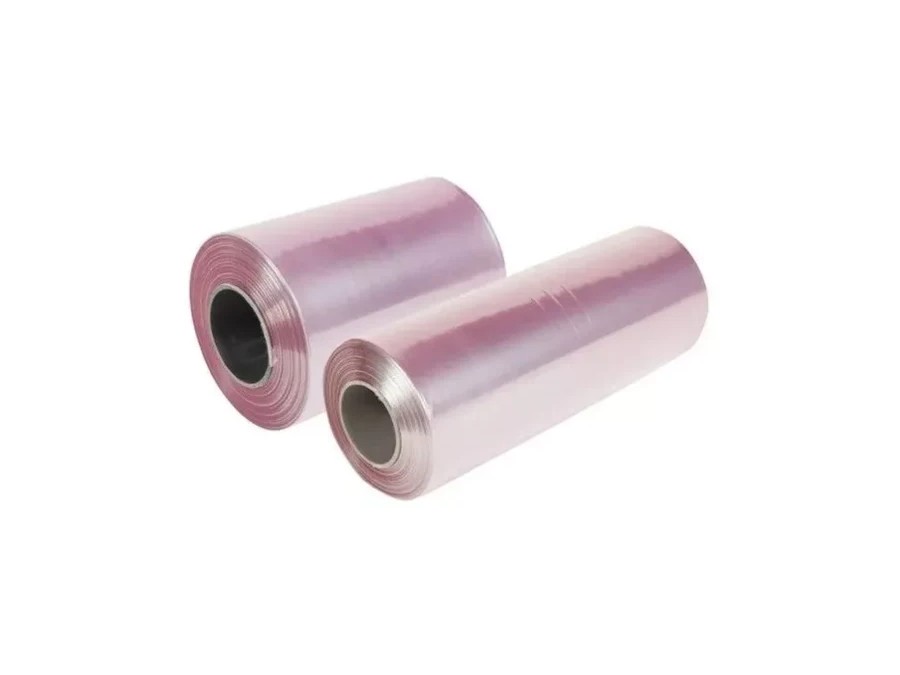
600mm width / 1200mm open width; 600m; 19mu · Material: High clarity PVC
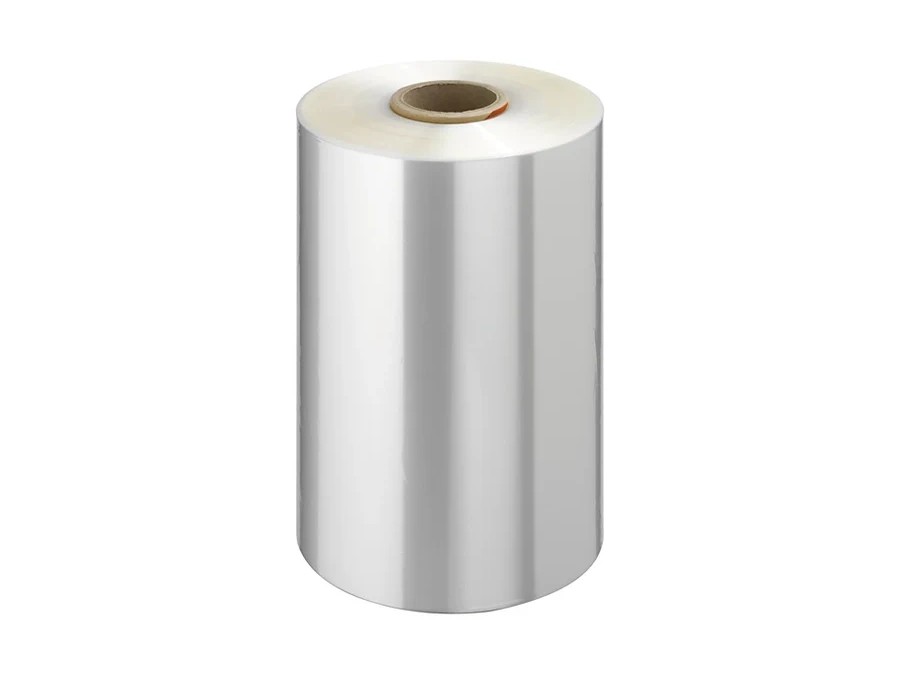
200mm centrefold, retail pack roll · Material: Polyolefin
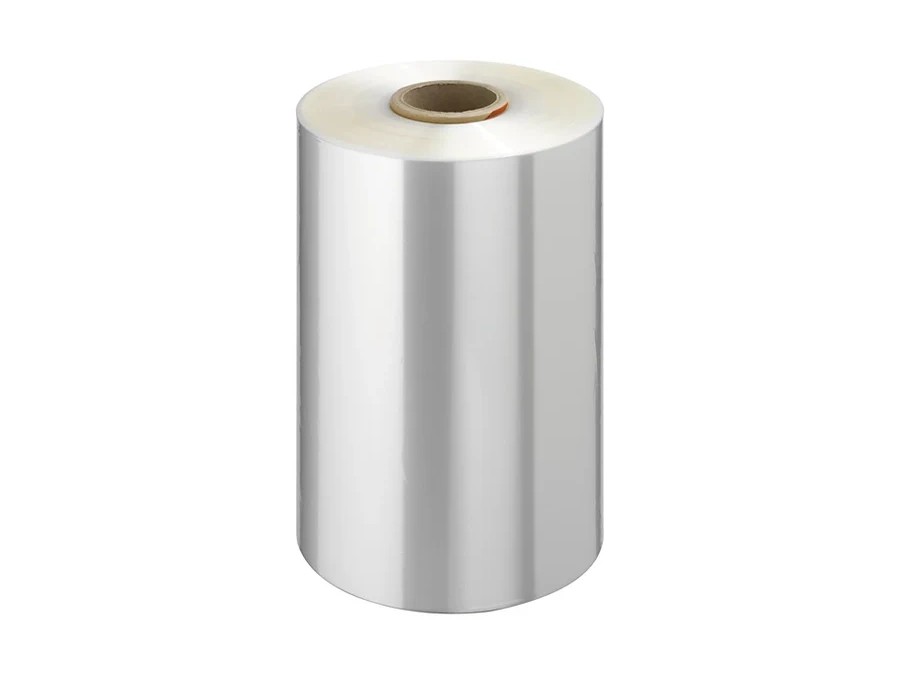
250mm centrefold, retail pack roll · Material: Polyolefin
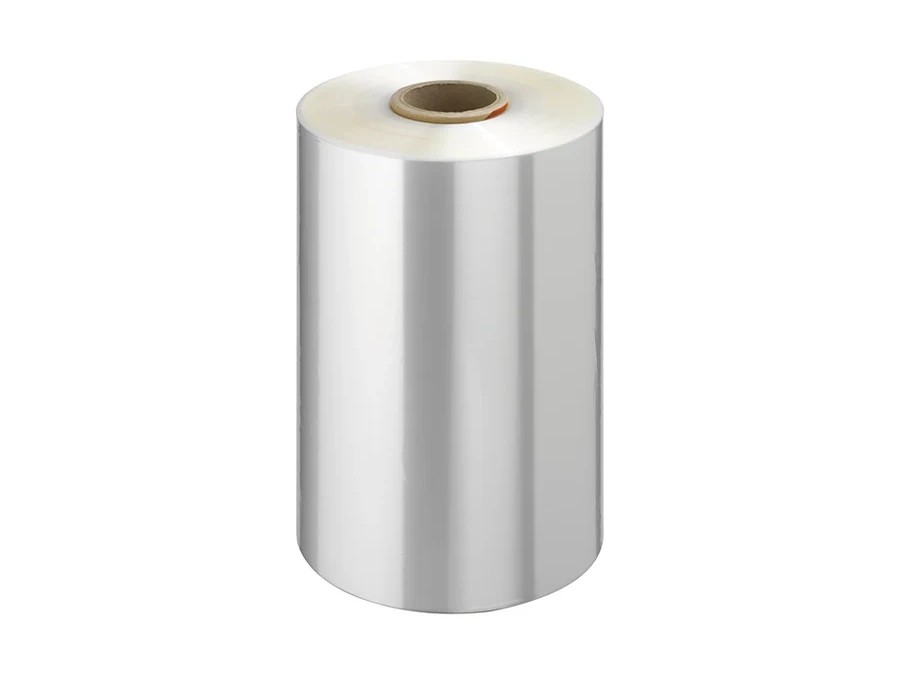
300mm centrefold, retail pack roll · Material: Polyolefin
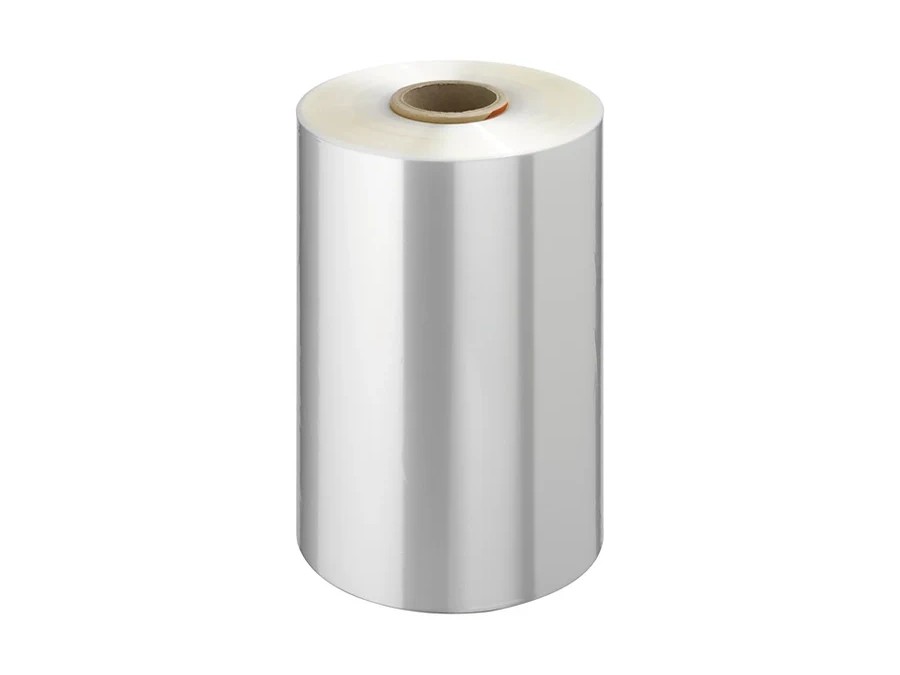
350mm centrefold, retail pack roll · Material: Polyolefin
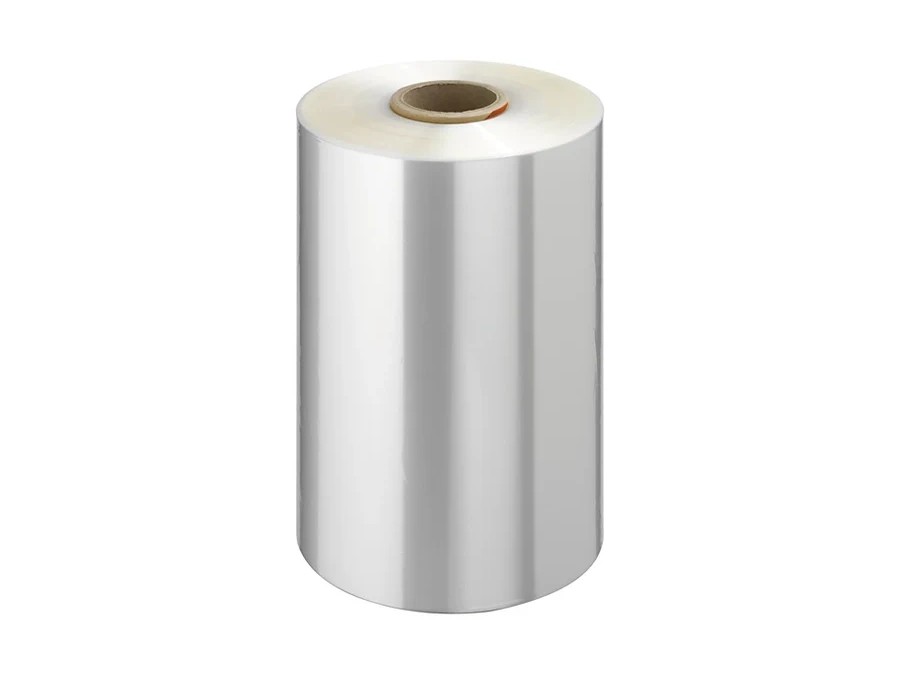
400mm centrefold, retail pack roll · Material: Polyolefin
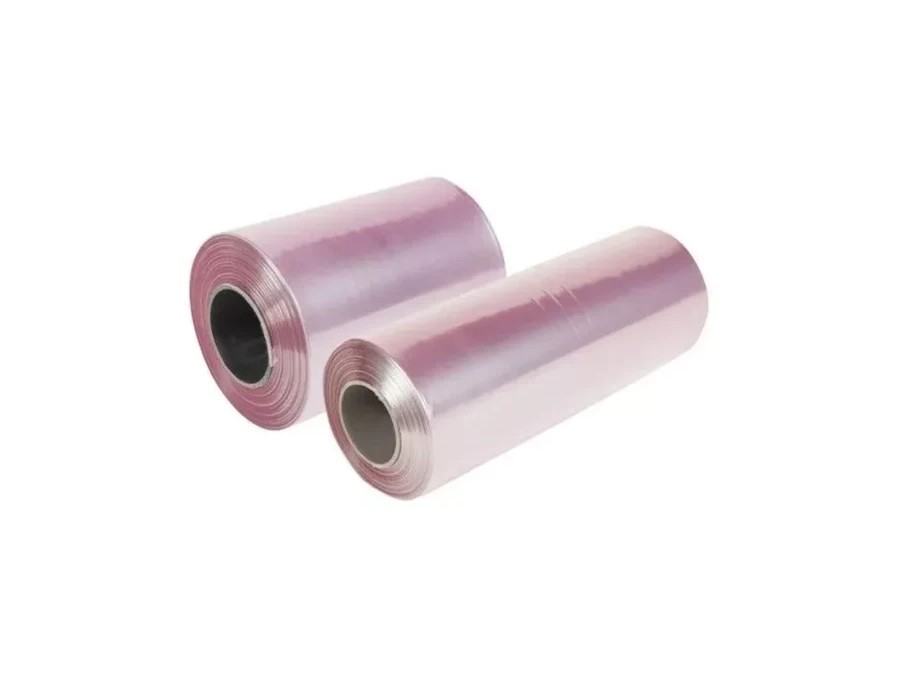
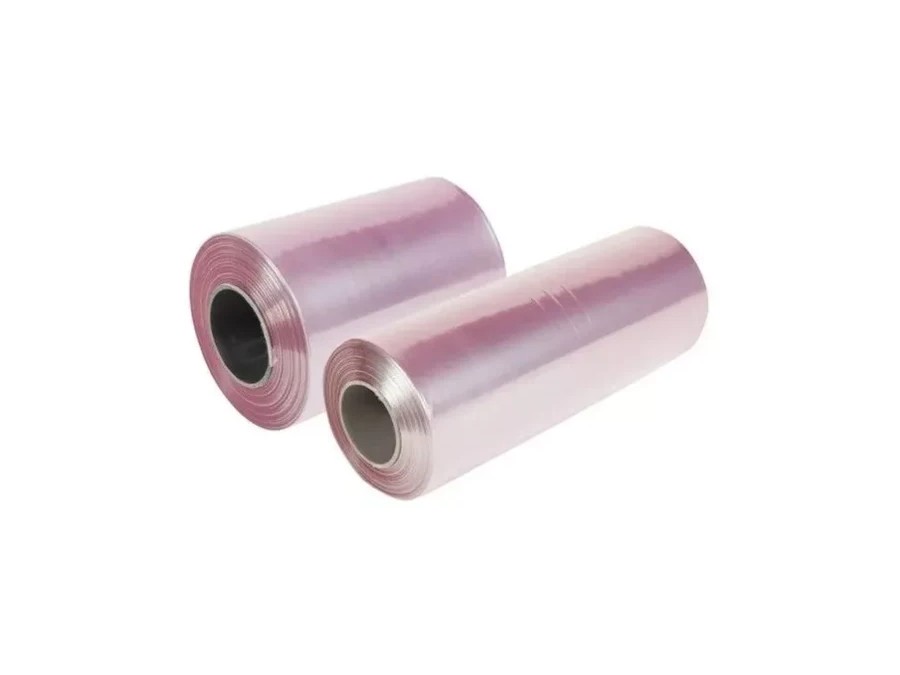
250mm, 15mu, centrefold · Material: Polyolefin
300mm, 15mu, centrefold · Material: Polyolefin
350mm, 15mu, centrefold · Material: Polyolefin
400mm, 19mu, centrefold · Material: Polyolefin
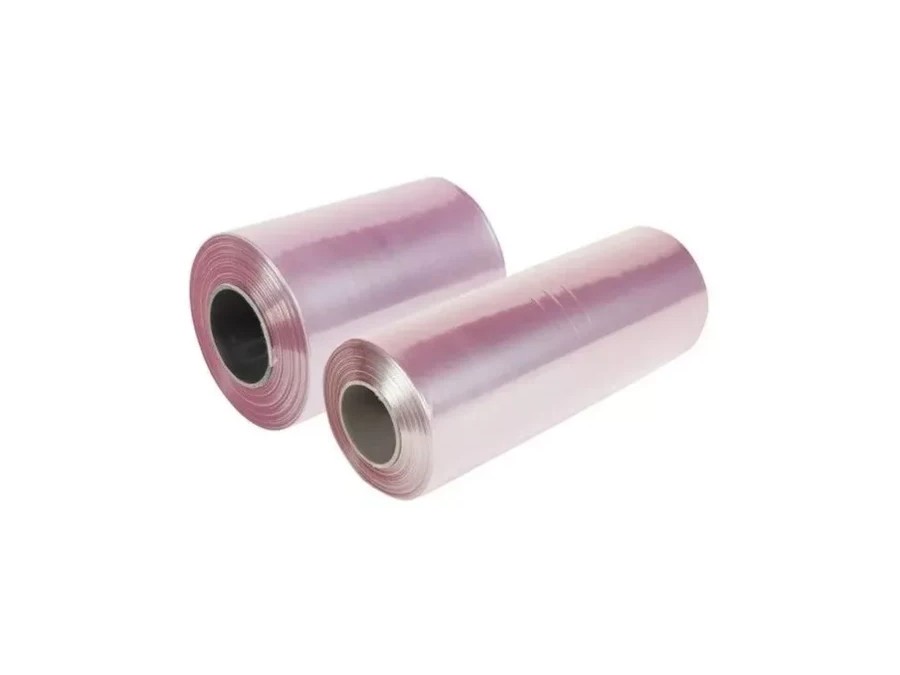
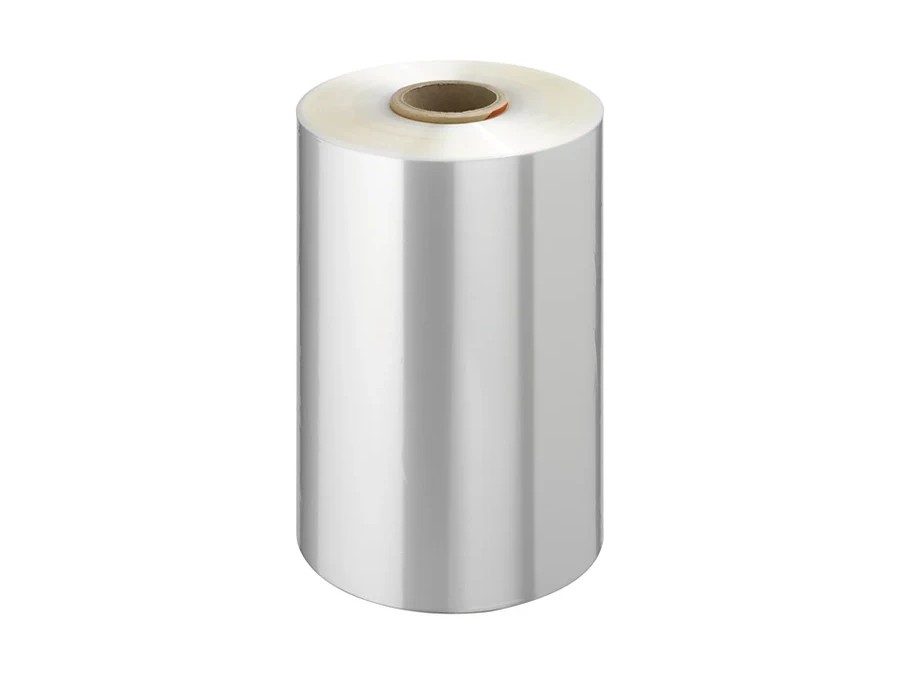
450mm x 425m, roll format · Material: Shrink film
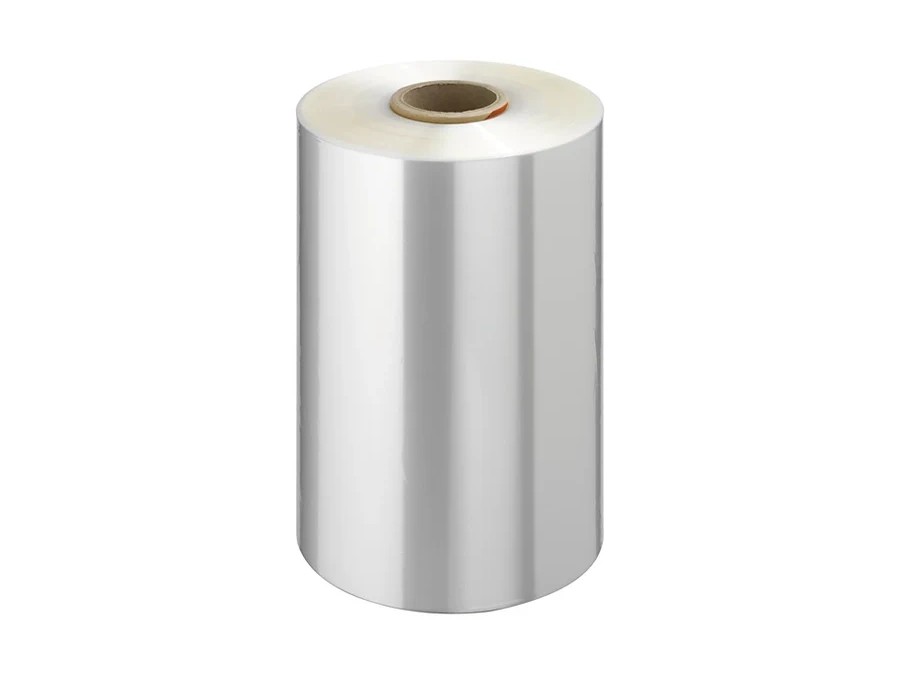
300mm roll; verify length/thickness · Material: Polyolefin
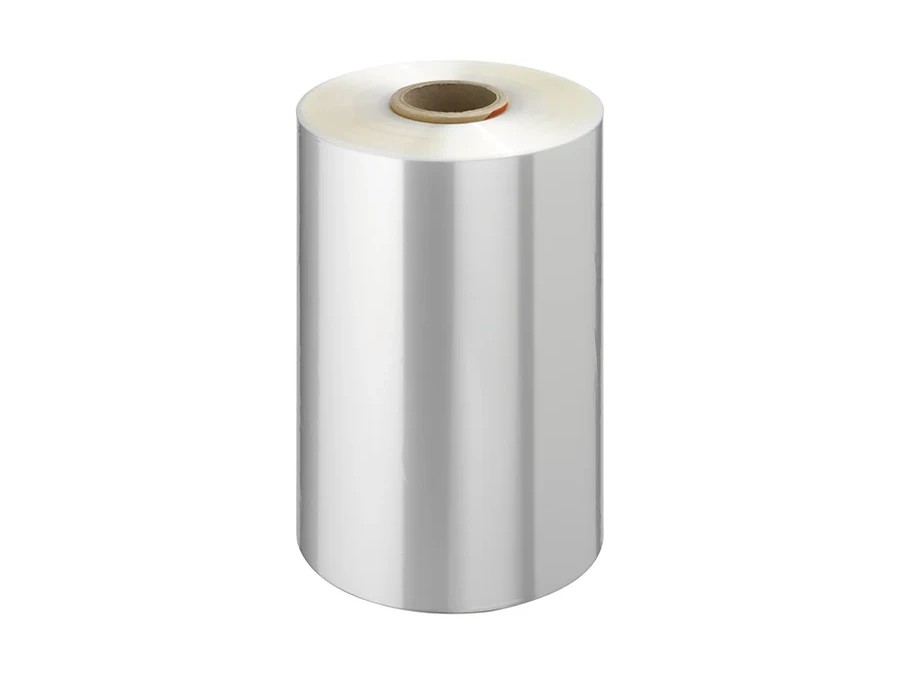
400mm roll; verify length/thickness · Material: Polyolefin
250mm, 15mu, centrefold · Material: Polyolefin
300mm, 19mu, centrefold · Material: Polyolefin
400mm, 15mu, centrefold · Material: Polyolefin
250mm, 15mu, centrefold · Material: Polyolefin/PVC depending listing
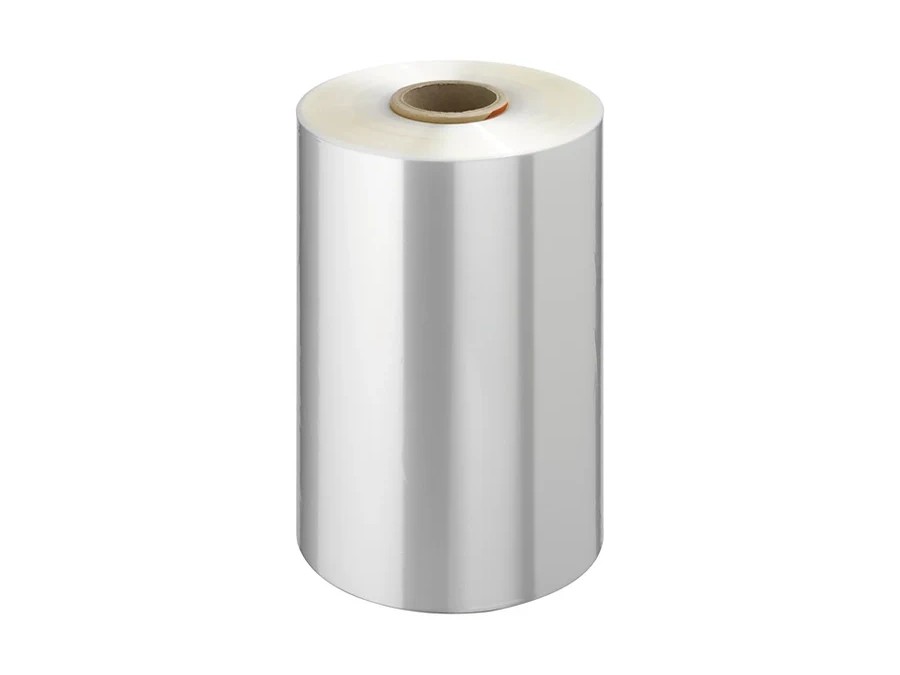
300mm, 15mu, centrefold · Material: Polyolefin/PVC depending listing
400mm, 19mu, centrefold · Material: Polyolefin/PVC depending listing
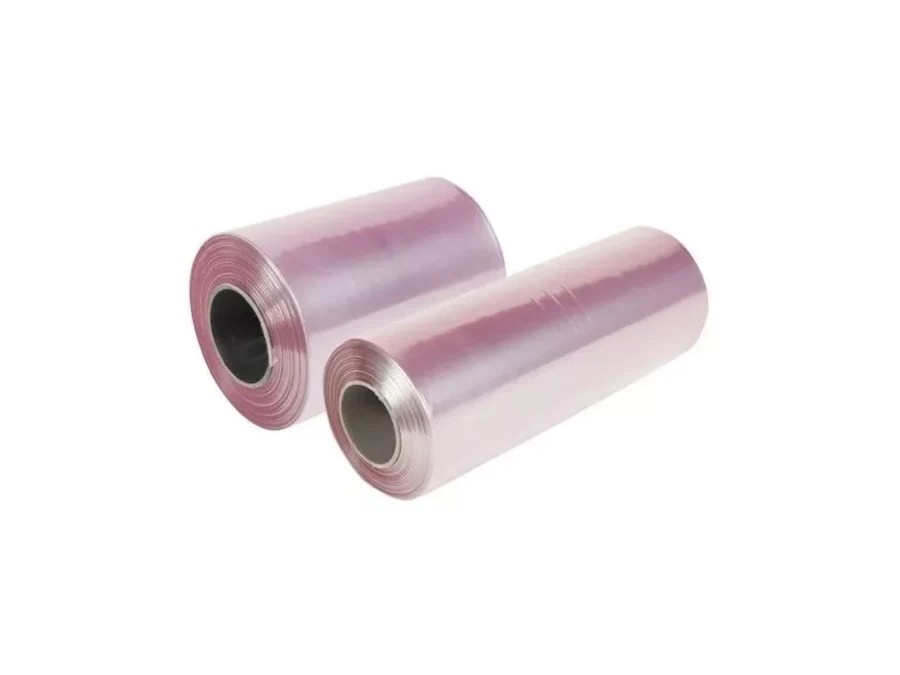
300mm, 19mu, centrefold · Material: PVC
250mm, 15mu, centrefold · Material: Polyolefin
350mm, 15mu, centrefold · Material: Polyolefin
2m/4m width; 150 micron; 25kg roll · Material: LDPE/polythene shrink film
1m/2m width; 100 micron; 25kg roll · Material: LDPE/polythene shrink film
1.5m/3m width; 100 micron; 25kg roll · Material: LDPE/polythene shrink film
250mm tubing; 125 micron · Material: LDPE/polythene shrink tubing
500mm tubing; 125 micron · Material: LDPE/polythene shrink tubing
1250 x 850mm cover size · Material: LDPE shrink cover
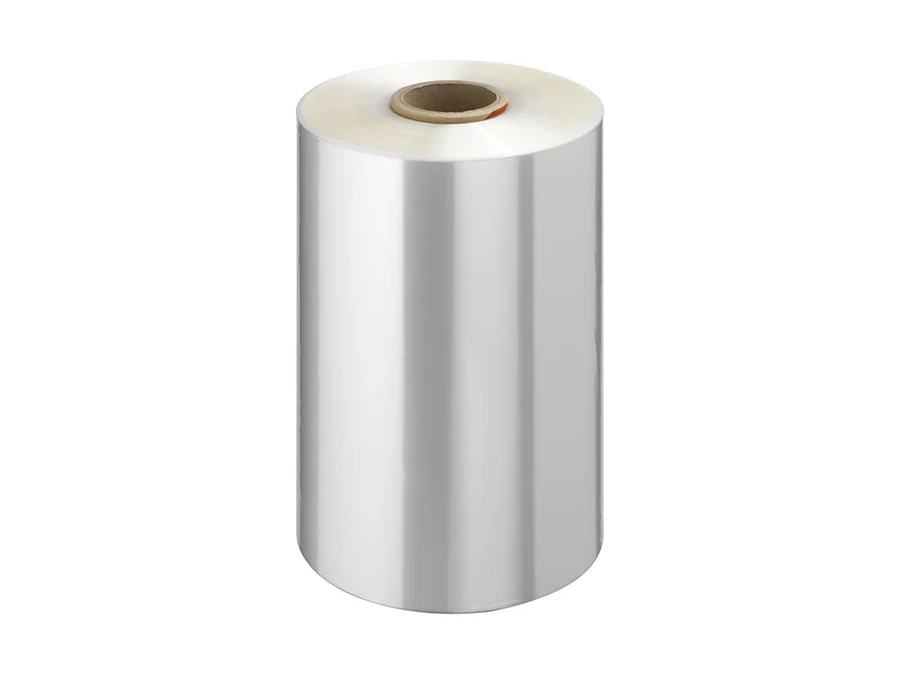
1450 x 1000mm cover size · Material: LDPE shrink cover
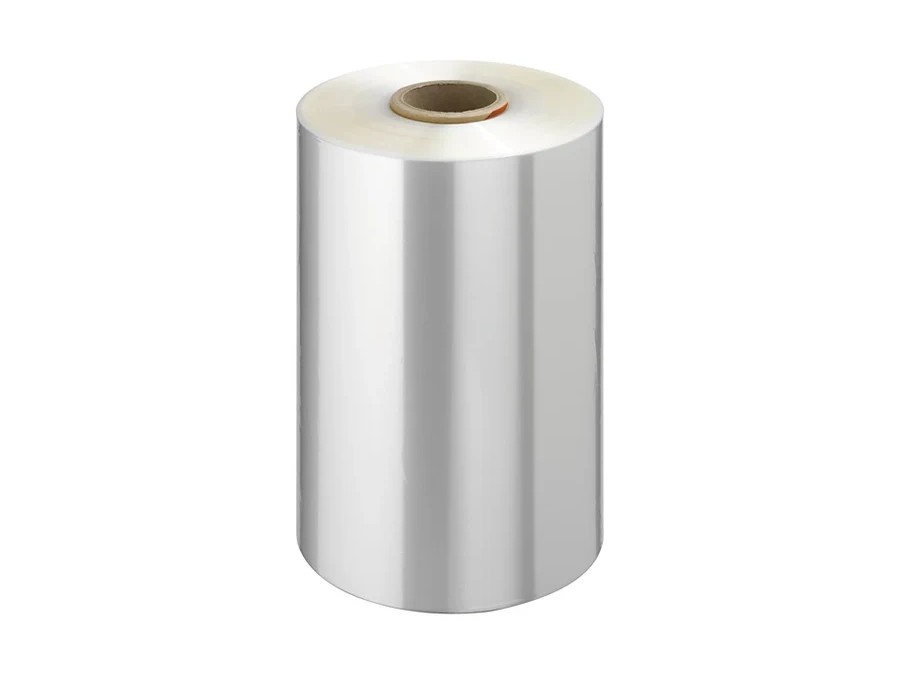
500mm, 19mu, centrefold · Material: Polyolefin
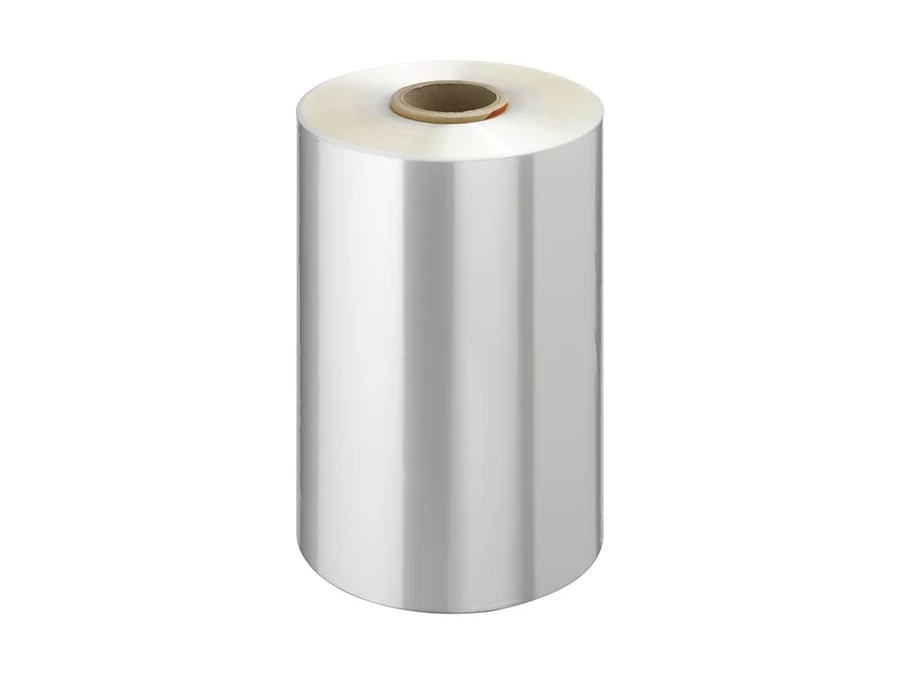
600mm, 19mu, centrefold · Material: Polyolefin
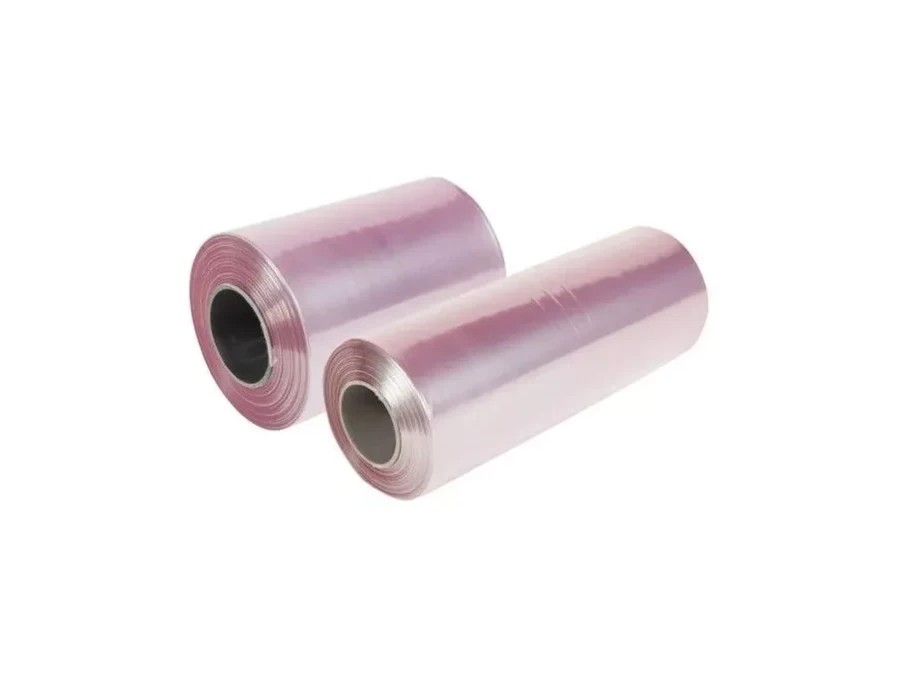
300mm/600mm; 600m; 19mu; 2-roll pack · Material: High clarity PVC
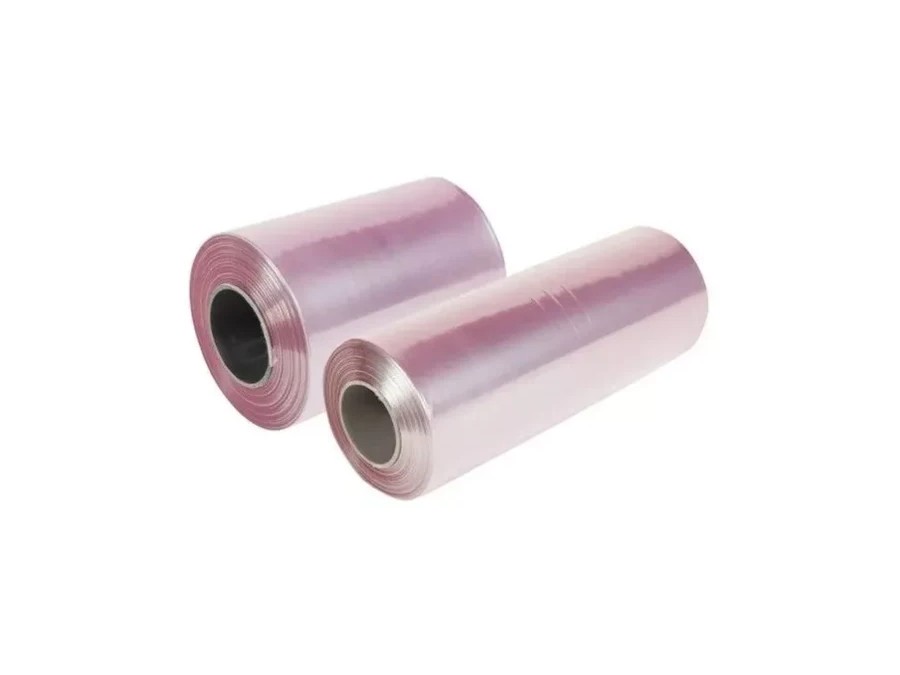
400mm/800mm; 600m; 19mu; 5-roll pack · Material: High clarity PVC
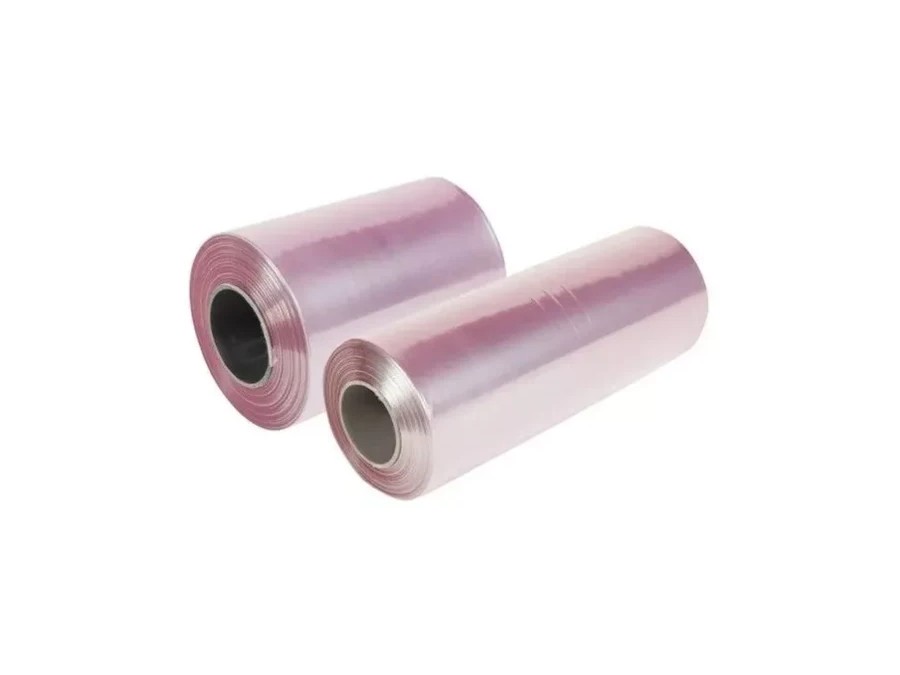
450mm/900mm; 600m; 19mu; 10-roll pack · Material: High clarity PVC
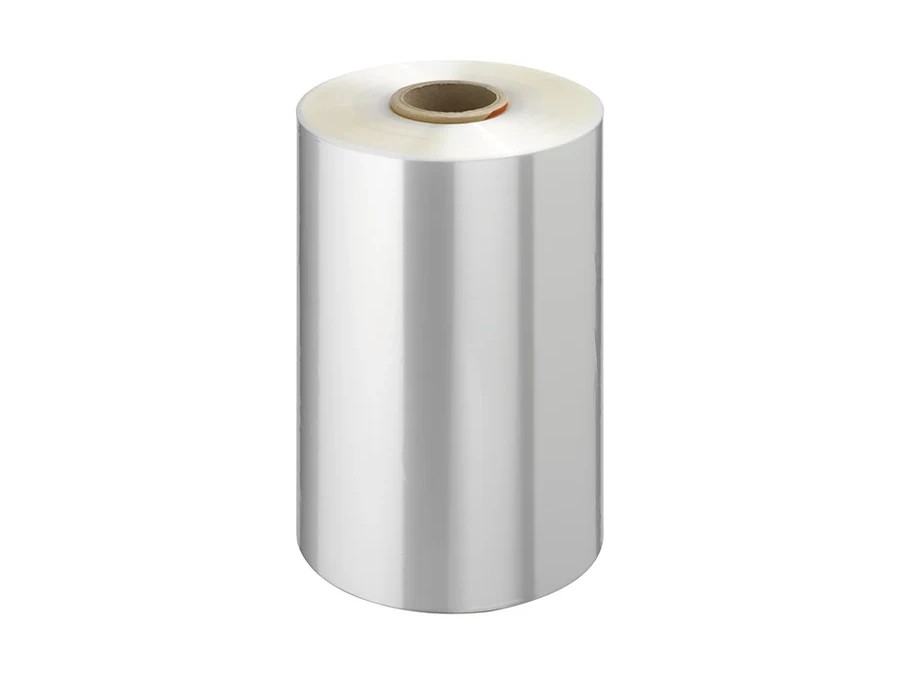
500mm x approx 1335m; 15mu · Material: Polyolefin
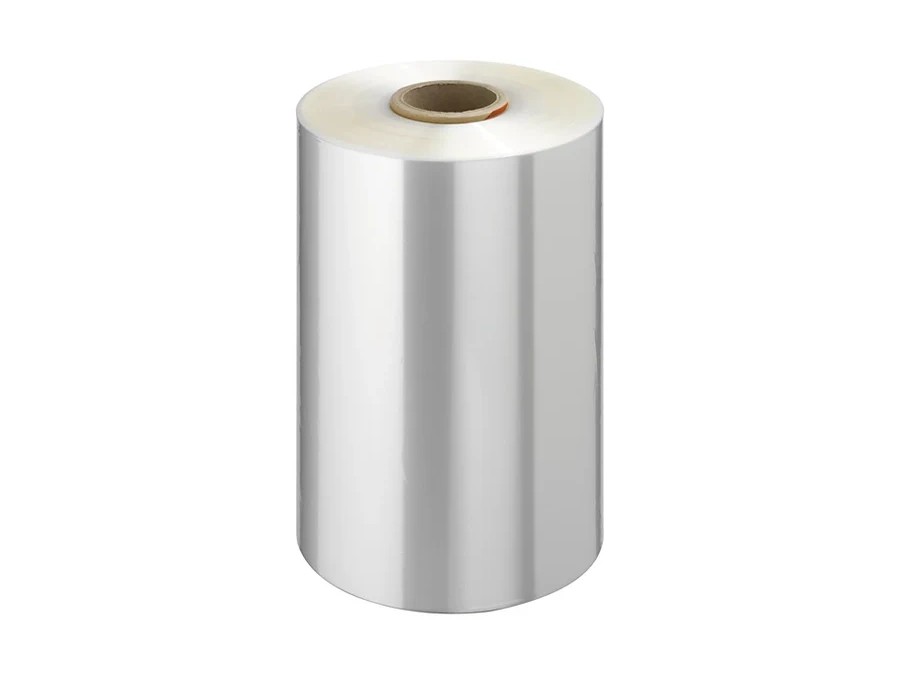
600mm x approx 1070m; 19mu · Material: Polyolefin
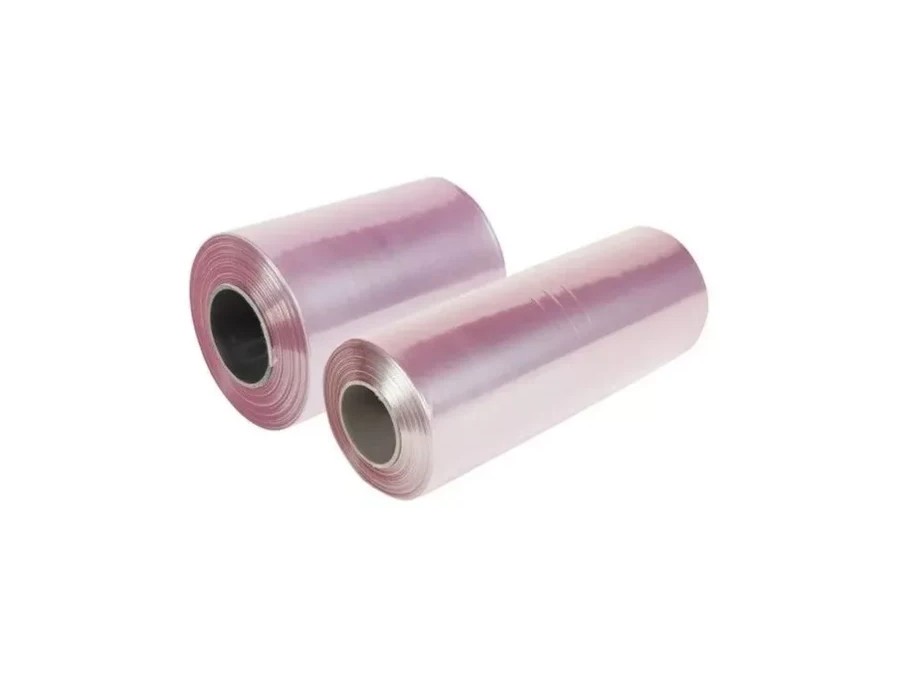
300mm roll; verify length/thickness · Material: PVC
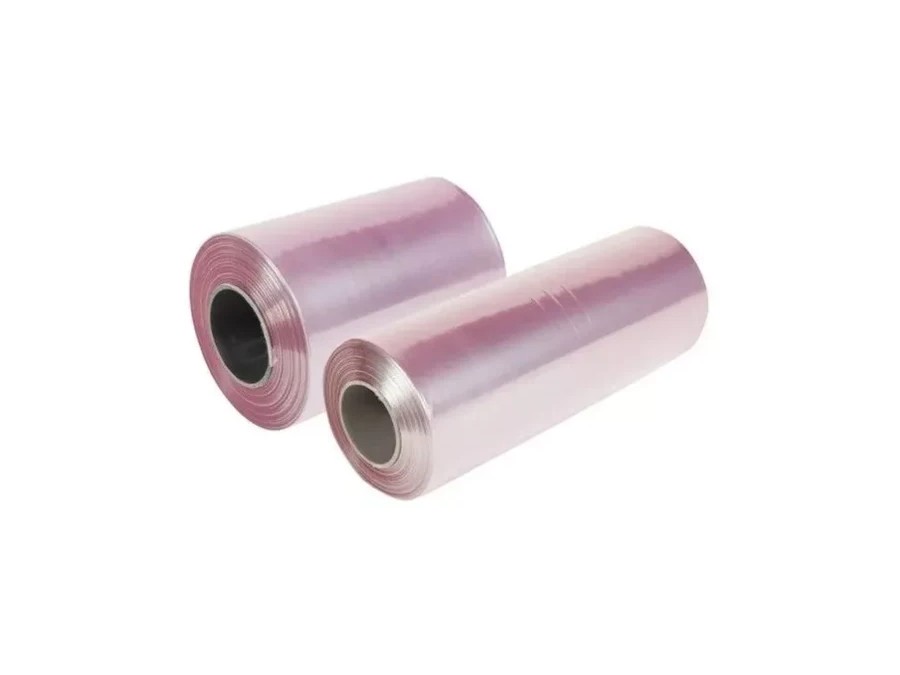
500mm roll; verify length/thickness · Material: PVC
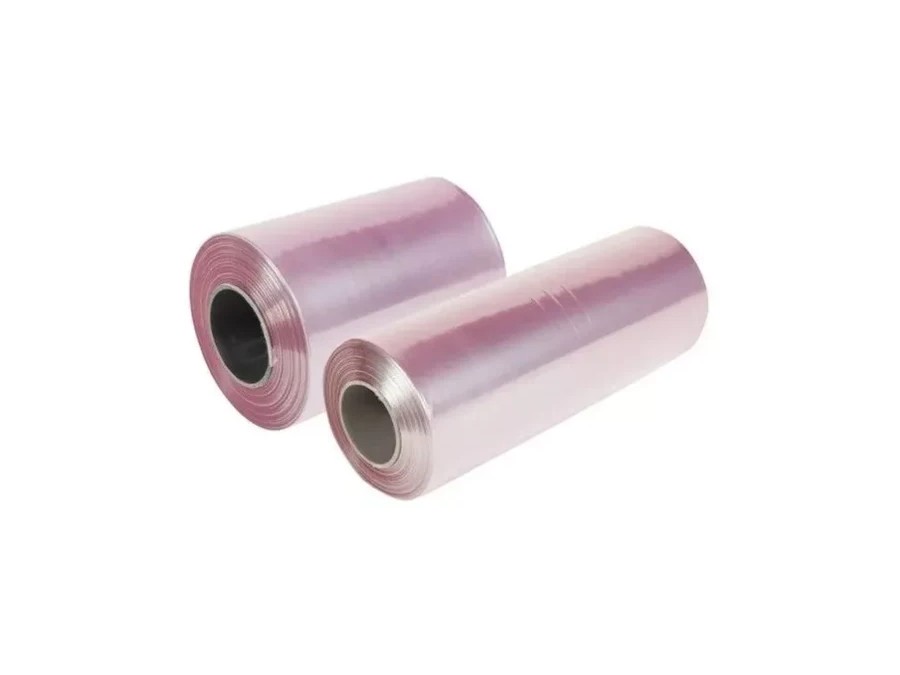
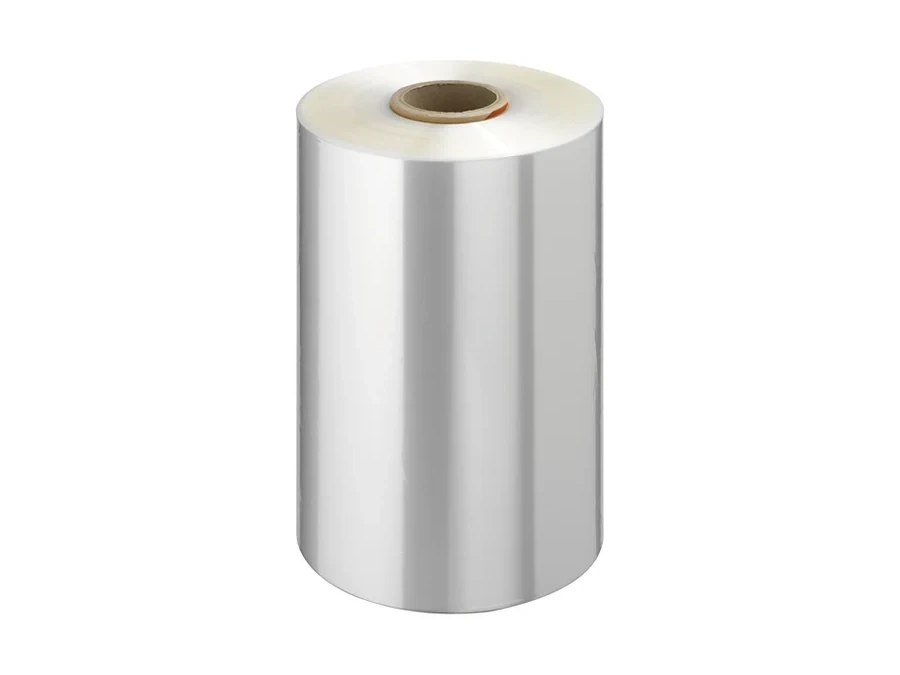
Range: clear shrink film rolls · Use case: wrapping, bundling and protective presentation
Range: shrink film for bottle multipacks · Use case: multipack collation and transport-ready bundling
POF, PVC and LDPE films are not interchangeable names for the same process. Their presentation, sealing window, shrink response, strength and recovery route differ, while the finished result also depends on the sealer, tunnel, product shape and production speed.
| POF film | Commonly considered for clear retail presentation and multipacks. Confirm gauge, centre-fold or single-wound presentation, seal system and shrink profile against samples. |
|---|---|
| PVC film | Can provide clear presentation but has a different sealing and recovery profile. Do not substitute it for POF without checking equipment, product and current disposal requirements. |
| LDPE film | Often considered for heavier bundling or transport packs. Confirm strength, thickness, seal and tunnel settings against the bundle weight and sharp edges. |
| Dimensions | Supply the unwrapped product size, final bundle pattern, required overlap, film width, gauge and roll details. Nominal product dimensions alone are not enough for a finished-film calculation. |
Agree what a successful trial means: complete seals, acceptable appearance, controlled distortion, protected labels, no product damage and repeatability at the intended line condition. Record machine temperatures, dwell, airflow and speed when comparing samples; a pass on one setup does not prove performance on every machine.
For end-of-life information, identify the exact polymer and presentation. Recycle Now lists LDPE-marked wrapping and several films among materials accepted at selected out-of-home points, while English household requirements for film are scheduled to change from 31 March 2027. Confirm the route for the finished film rather than using a generic “recyclable film” statement.
Send the film currently used where possible, the product and bundle dimensions, pack weight, presentation, film width and gauge, roll core and diameter, sealing-machine and tunnel details, required throughput, first-order quantity and forecast use. For shrink wrappers and tunnels, refer to Lancing's packaging machinery site; this page remains focused on consumable film selection.
Use the shrink-film buying guide, POF film guide and LDPE material guide to prepare the enquiry.
POF, PVC and LDPE films have different handling and shrink behaviour, while roll width, gauge, fold, perforation and winding determine whether the film can be presented and sealed correctly. A successful trial establishes a process window for the exact film and pack rather than relying on a generic temperature.
| Finished pack | Product dimensions, count, orientation, sharp edges, vents, openings, surface sensitivity and required appearance or containment. |
|---|---|
| Film | Material, gauge, layflat or centrefold presentation, width, roll length or weight, core, winding, perforation and approved supplier reference. |
| Equipment | Sealer type and seal geometry, chamber or tunnel dimensions, conveyor presentation, airflow and controllable settings. |
| Trial criteria | Seal integrity, burn-through, weak seams, holes, dog-ears, distortion, clarity, pack stability and repeatability across normal line conditions. |
| Environmental claim | Material identity and collection route for the actual film and market. Do not treat “polyolefin” or a reduction in gauge as automatic proof of recyclability. |
The POF, PVC and LDPE comparison explains the practical differences relevant to retail presentation, bundling and heavier containment. The exact film grade and machine trial remain decisive.
Record the film reference, roll presentation, sealer and tunnel settings, conveyor speed, pack orientation and acceptance sample. If the film supplier, gauge, width, pack or equipment changes, review whether the trial must be repeated.
Where a new shrink wrapper, sealer or tunnel is required, use the Lancing packaging machinery site and provide the intended film and pack samples. For material selection here, compare the clear shrink film roll range and current catalogue listings.
Film family, presentation and gauge must be evaluated with the actual product, sealing system and shrink process. A nominal film description cannot establish seal quality or finished-pack appearance.
Film width is selected from the product dimensions, orientation, pack count, overlap or centre-fold arrangement, sealing method and the allowance needed for controlled shrink. Measure the largest production condition, not only a single sample, and confirm the machine’s usable film path. The film selection guide provides the inputs.
A thicker film may require different sealing energy, dwell, cooling and shrink conditions. On an unsuitable setup it can produce weak seals, burn-through, poor conformity or excess force on the product. Choose gauge by pack duty and validated machine settings rather than assuming that more thickness always gives a stronger finished pack.
Record the film reference and batch, roll presentation, machine, sealing temperature or energy control, dwell or belt speed where applicable, airflow, tunnel-zone settings, pack orientation and acceptable finished result. The values are machine- and product-specific, so they should come from the successful trial rather than a generic table.
Common causes include contamination, damaged sealing surfaces, incorrect film presentation, excessive or insufficient heat, poor dwell, trapped air, sharp product edges and inconsistent pack spacing. Diagnose the defect by separating seal formation from shrink exposure. The sealer compatibility guide supports that process. Where the finished pack will travel through parcel networks, use the ecommerce distribution test guide to assess the primary and secondary pack together.
No. A polymer family may be technically recyclable, but a public claim needs to reflect the exact film, any print or labels and the collection and reprocessing route available to the intended user. Check current UK guidance and avoid describing a film as widely recyclable solely because it is PE, POF or another named material.
England’s 2027 collection requirement increases the relevance of film identification, but the selected film must still match the sealing method, tunnel or heat source, pack geometry and required protection. Current collection guidance also lists PVC packaging among excluded plastic items.
Record the polymer family, width, gauge, presentation, additives and any label or print rather than using “clear shrink film” as the technical specification.
Seal quality, shrink balance, distortion and pack presentation depend on the film and equipment settings. Use representative trials before changing material for an end-of-life objective.
Collection is only one stage. Confirm the applicable market guidance and the evidence supporting any claim for the exact finished pack.
Read the plastic-film collection guide Compare POF, PVC and LDPE film