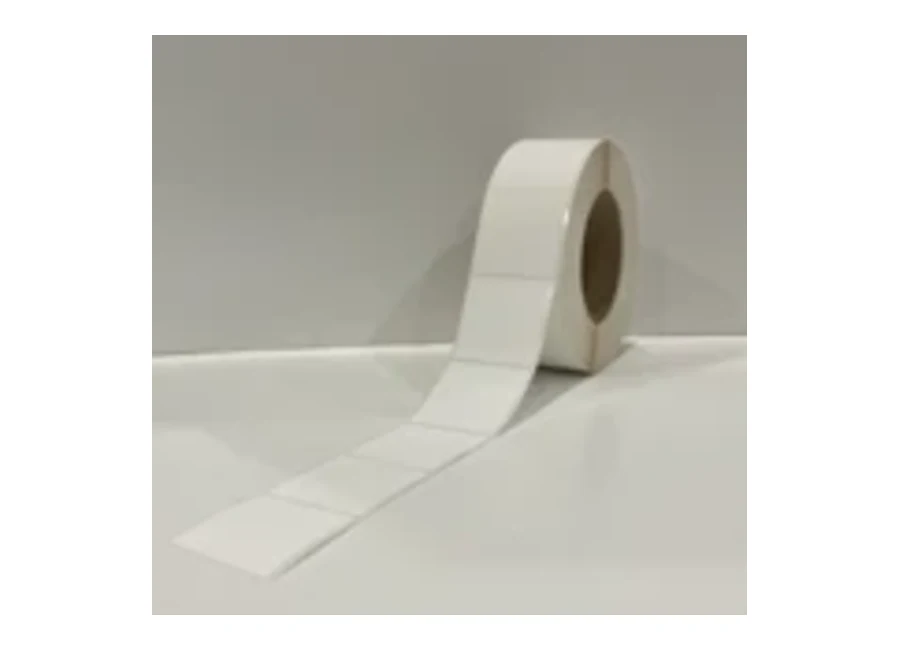
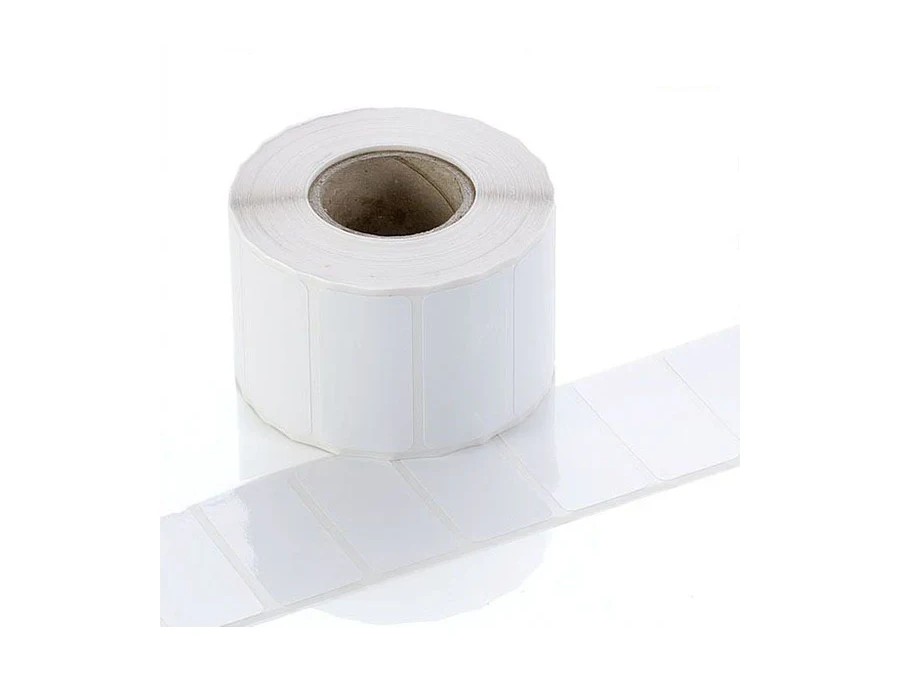
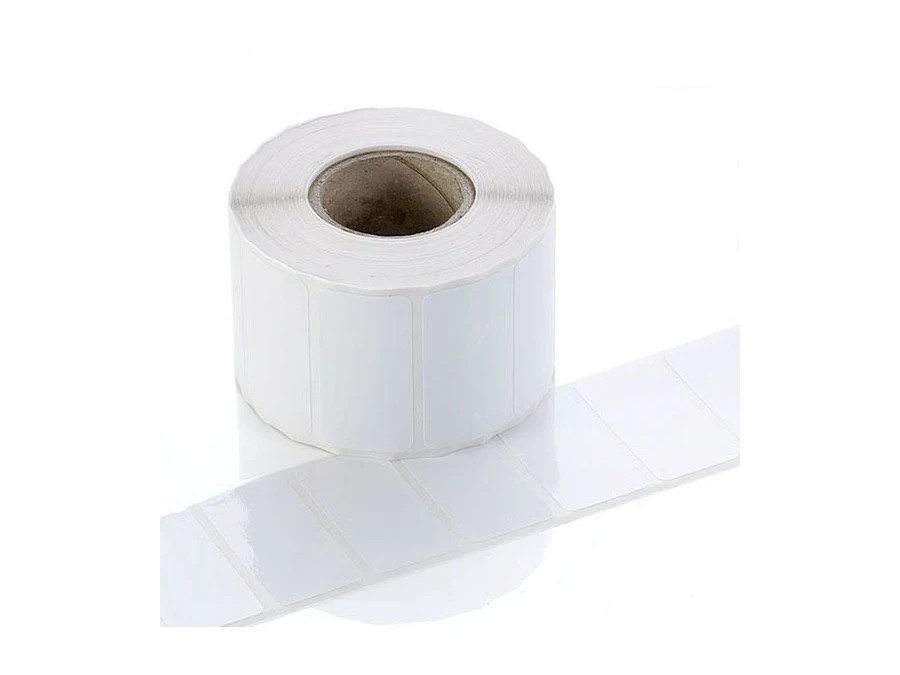
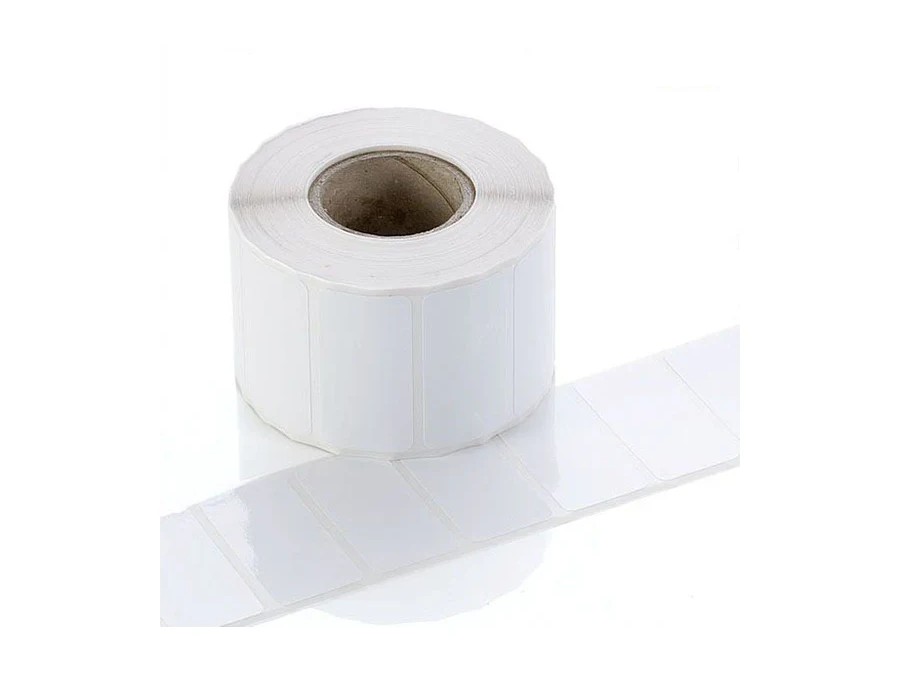
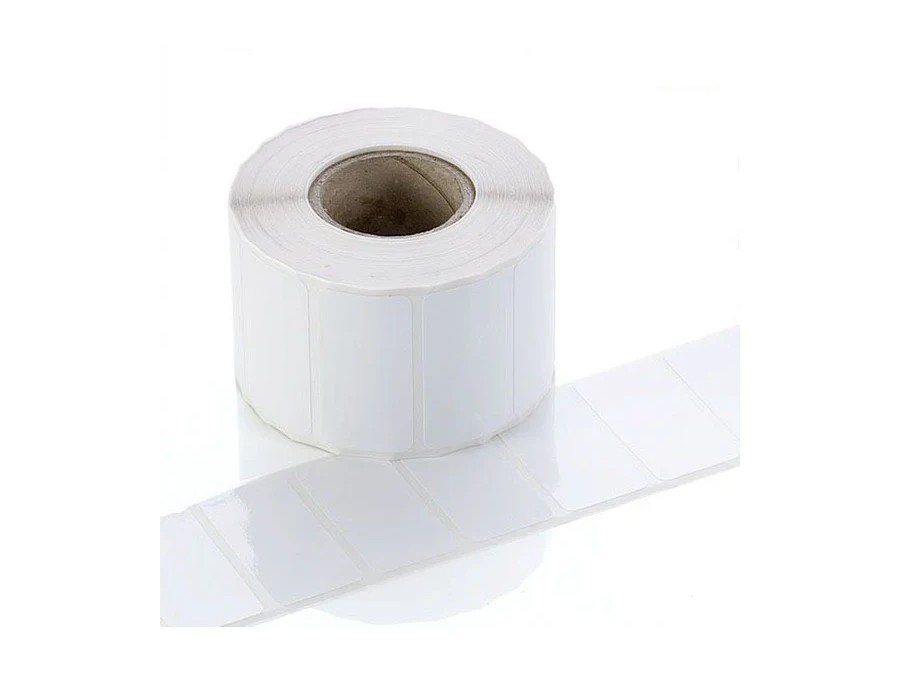
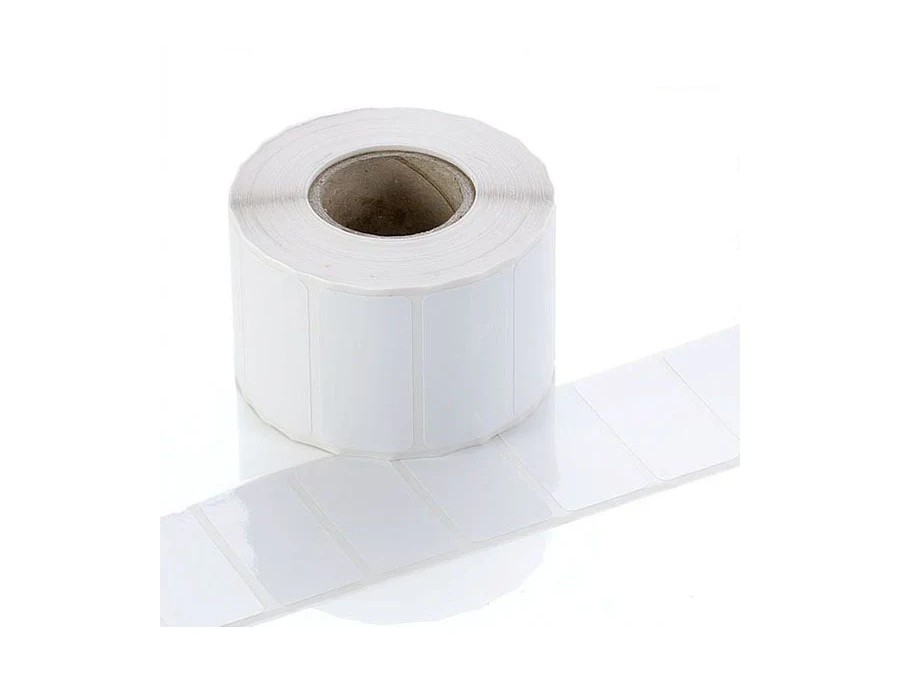
50 x 50 mm Top Coated Direct Thermal Paper Labels
Size: 50 x 50 mm · Material: Top-coated direct thermal paper label with permanent adhesive
Contact for priceView product
Browse roll labels, vinyl labels, paper labels, thermal labels and printed label options for product identification, branding and dispatch. Every item is contact for price. 64 products are listed in this range. Compare label materials, sizes and adhesives in our label packaging guides.
Size: 50 x 50 mm · Material: Top-coated direct thermal paper label with permanent adhesive
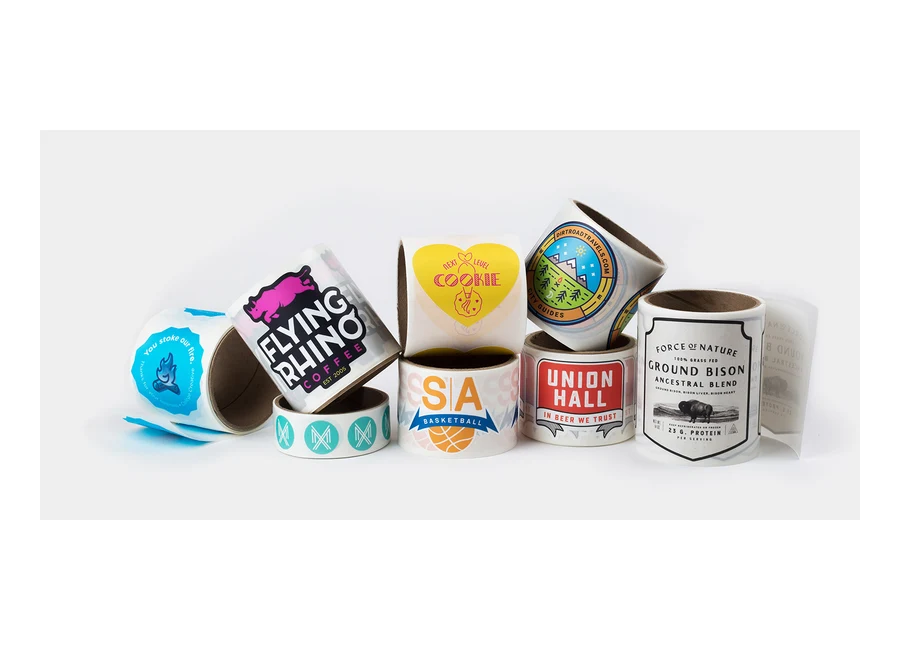
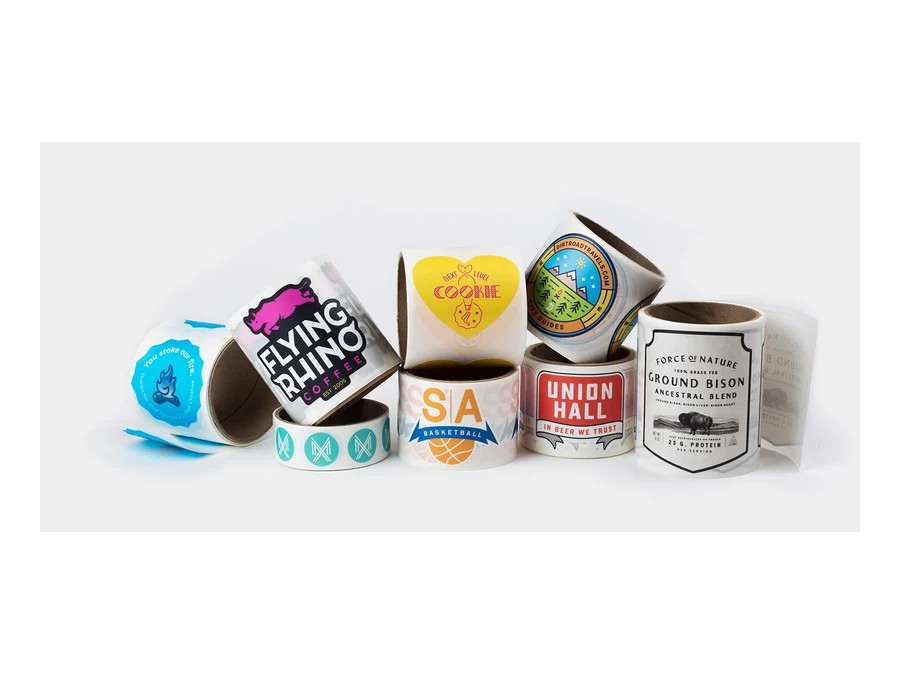
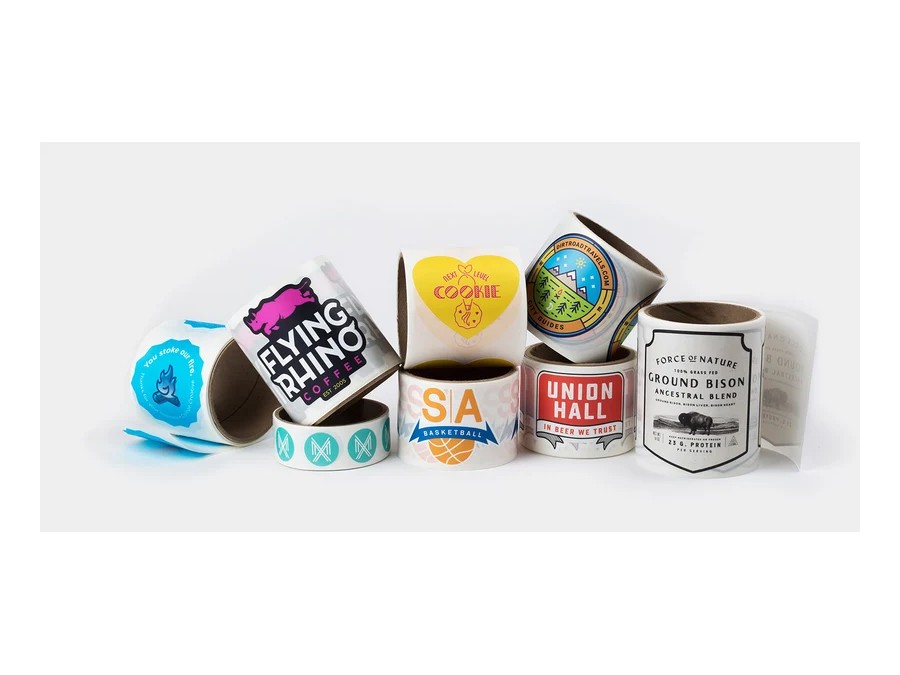
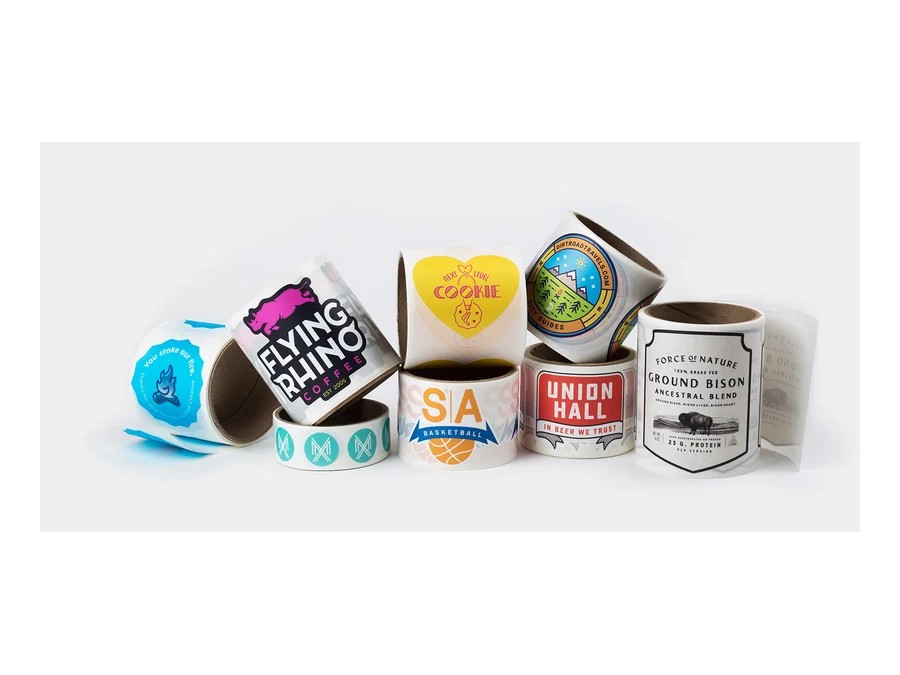
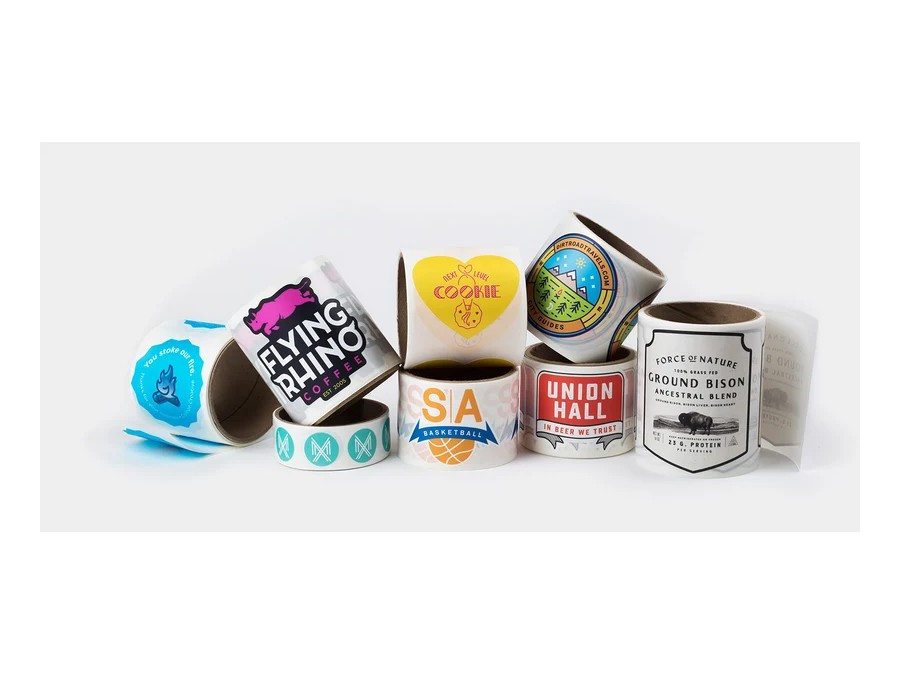
Material: BOPP with UV finish · Format: Custom printed roll labels for branded packaging applications
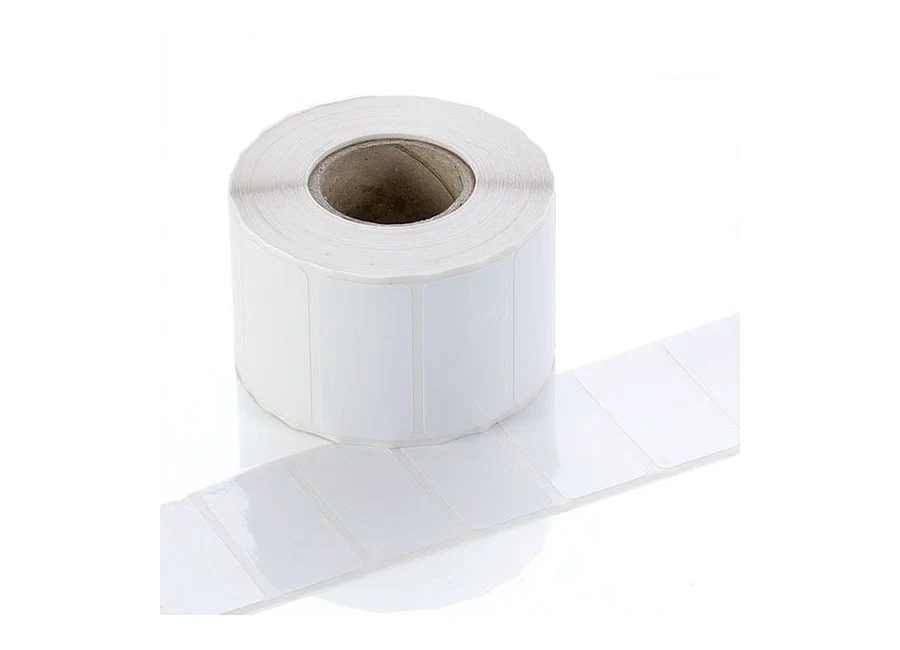
Size: 75 x 50 mm · Material: Gloss white vinyl
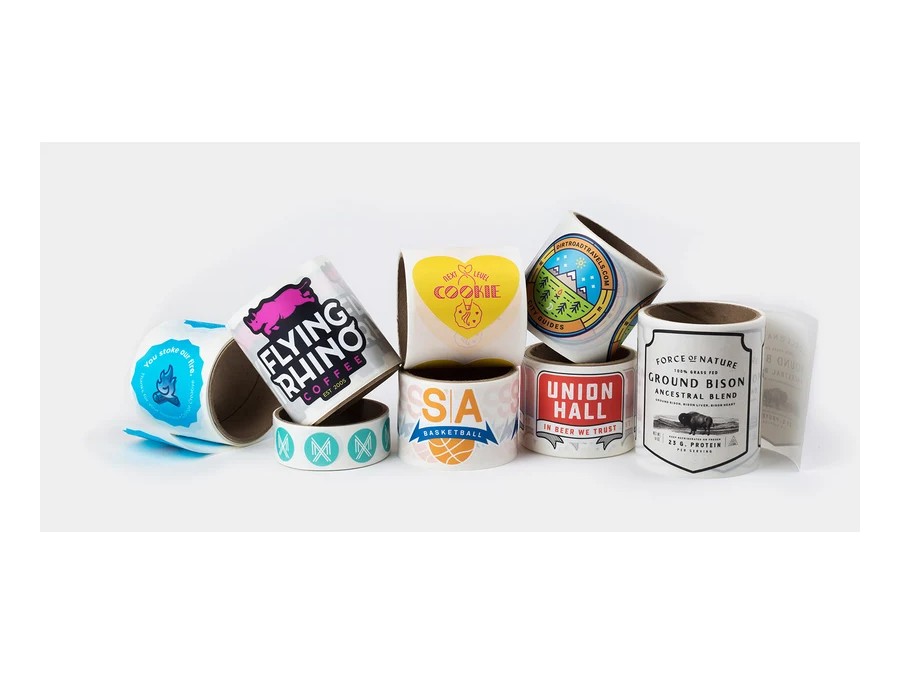
50 x 50mm; 50–10,000 label quantities · Material: BOPP/vinyl roll label with laminate
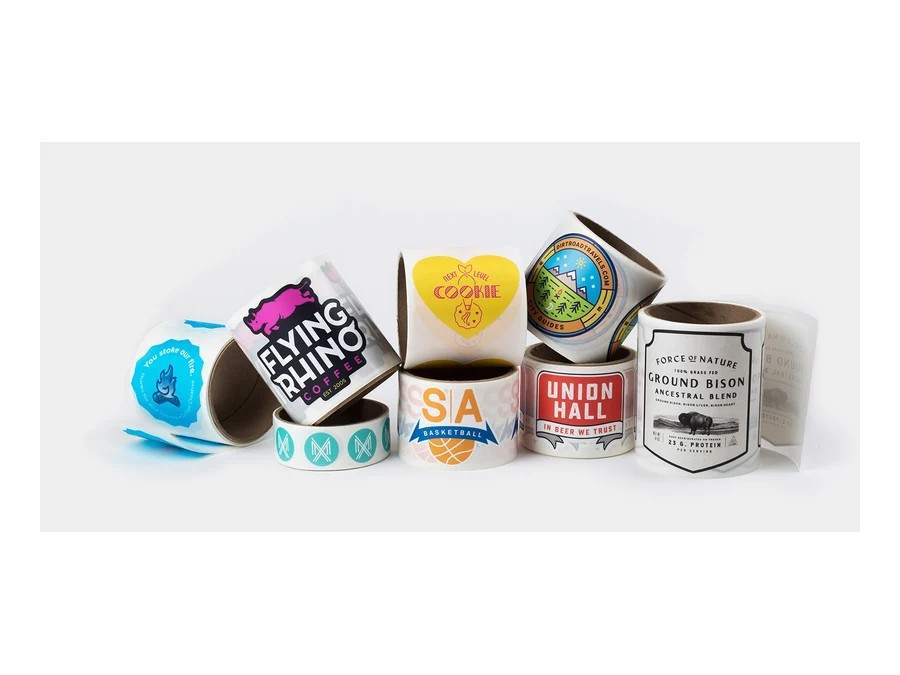
50 x 50mm; transparent material · Material: Clear PET/vinyl label
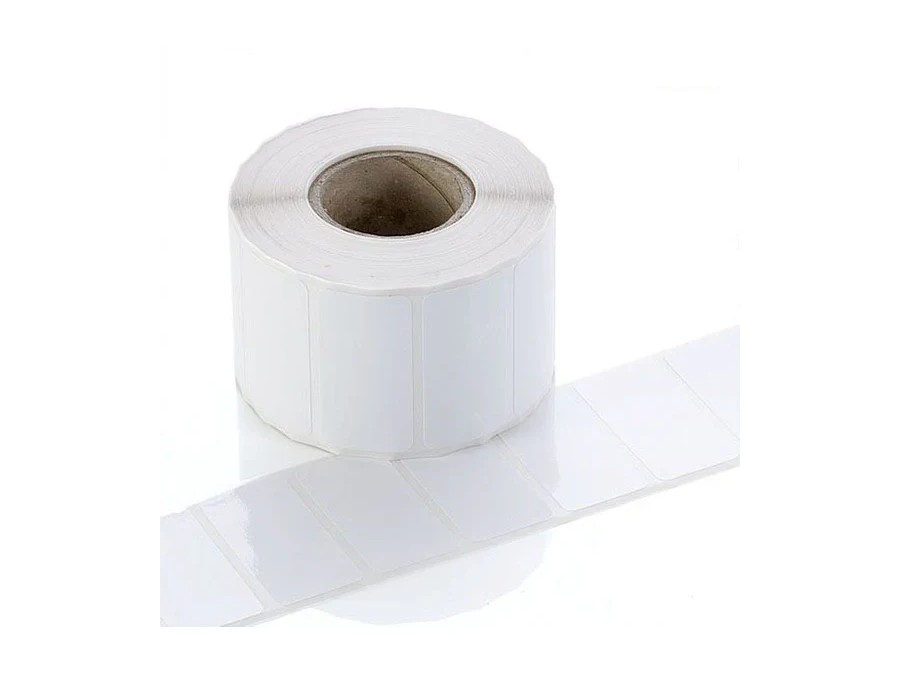
75 x 50mm; roll format · Material: Durable label with laminate
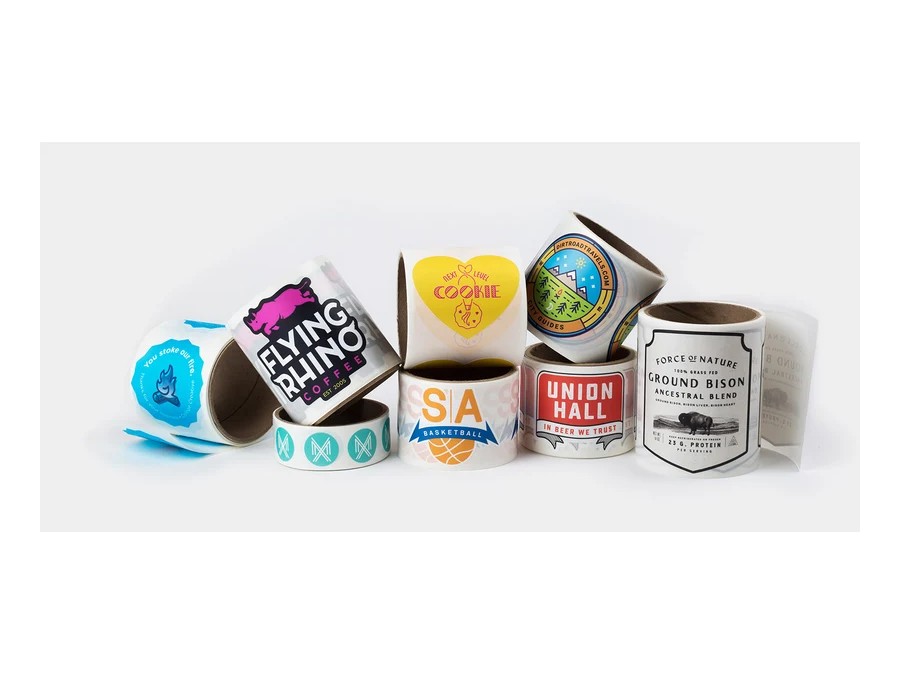
50 x 50mm equivalent; custom shape · Material: Durable custom die-cut label
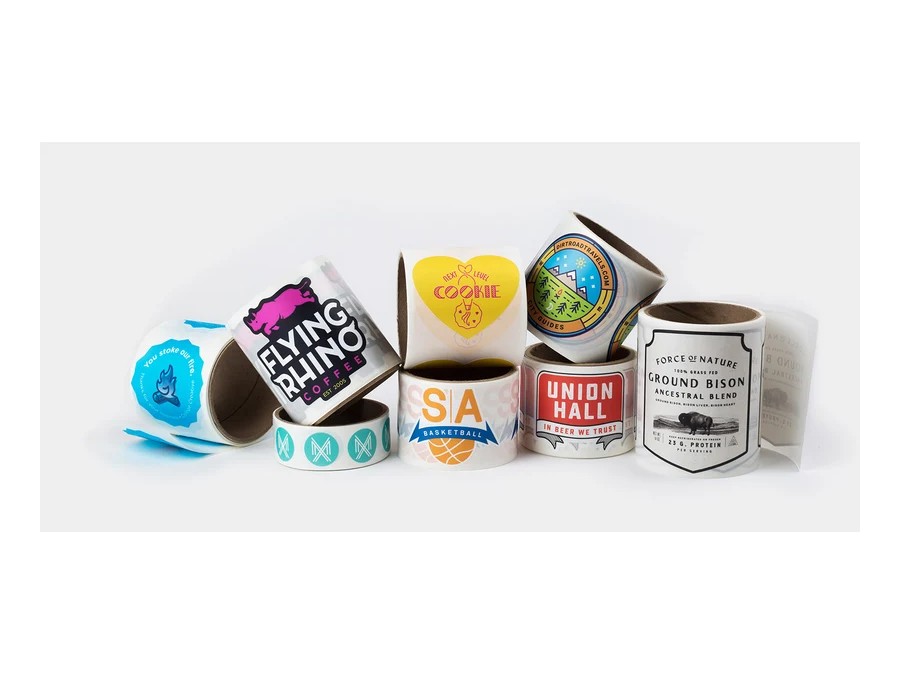
10 labels; custom size · Material: Custom printed label sample
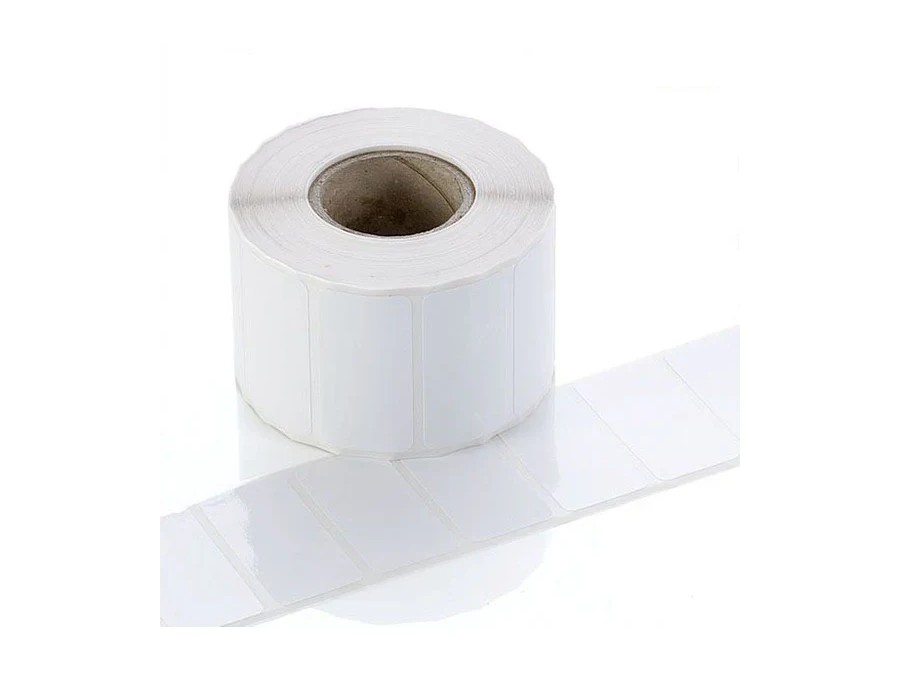
75 x 50mm; 38mm core; 1,000 labels/roll · Material: Gloss white vinyl
100 x 150mm; 1,020 labels/roll; 4 rolls/box · Material: Uncoated direct thermal paper
100 x 150mm; 300 labels/roll; 12 rolls/box · Material: White eco direct thermal paper
100 x 150mm; 1,020 labels/roll; 4 rolls/box · Material: Direct thermal smooth paper
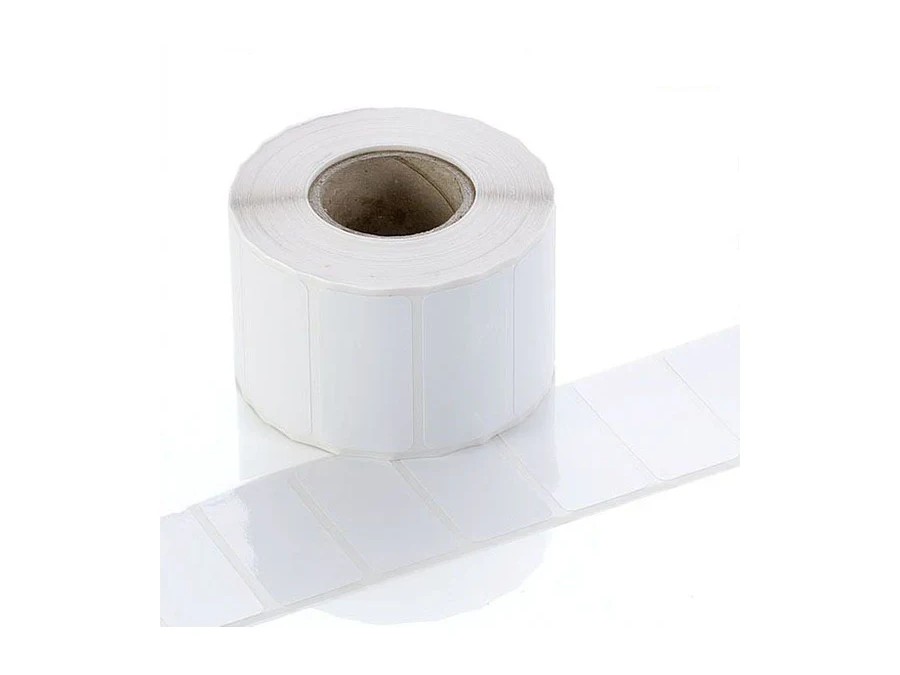
75 x 75mm; 25mm core · Material: Gloss yellow vinyl
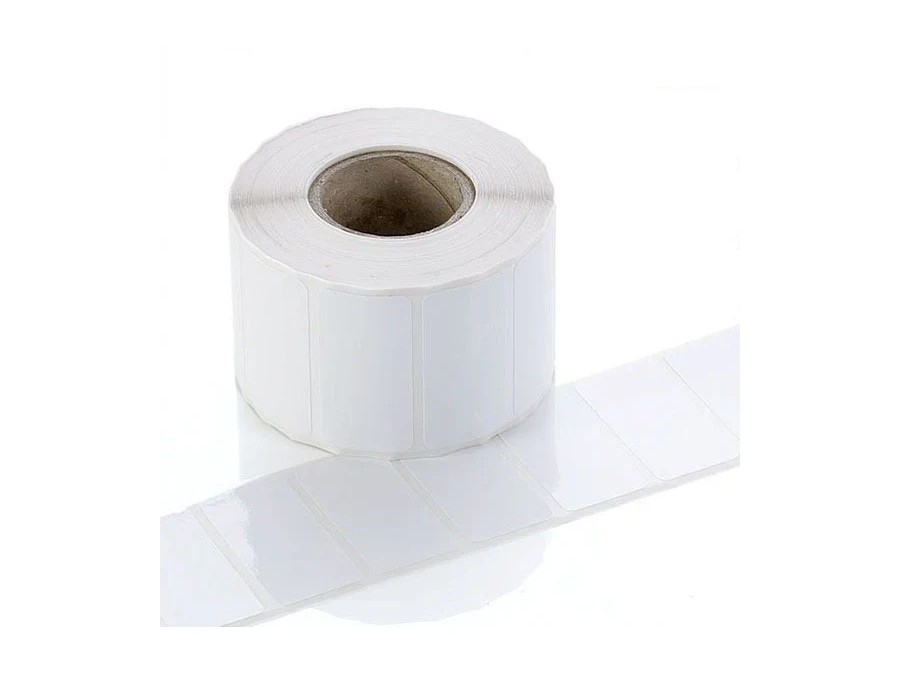
75 x 100mm; 358 labels/roll · Material: Gloss white vinyl
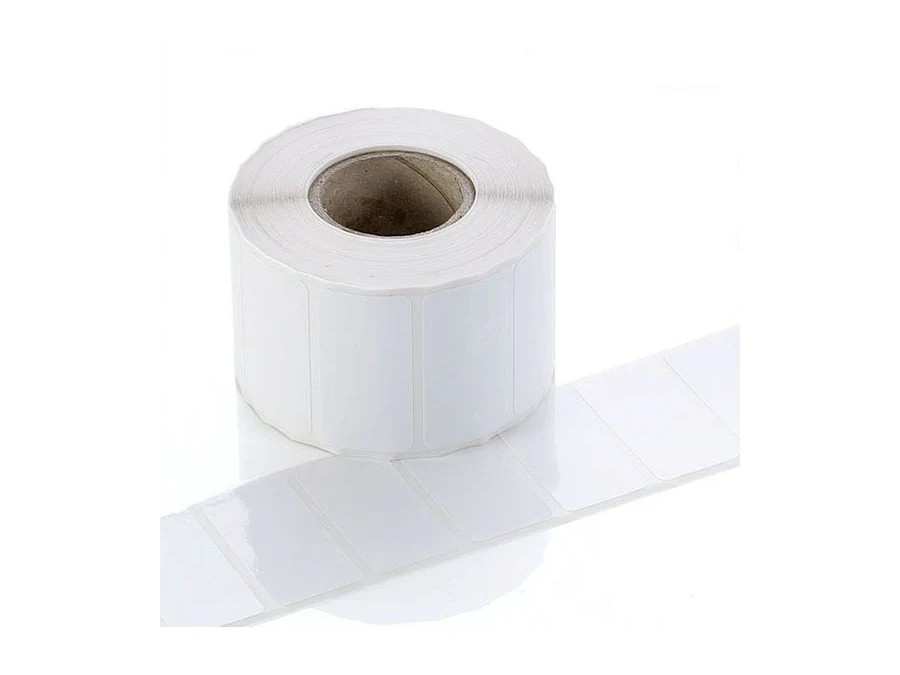
75 x 40mm; 1,000 labels/roll · Material: Gloss white vinyl
100 x 150mm; 1,000 labels/roll; 4 rolls/box · Material: Uncoated thermal transfer paper
100 x 150mm; 400 labels/roll; 16 rolls/box · Material: White direct thermal paper
50 x 50mm, round · Material: Durable printed roll label
75 x 50mm, oval · Material: Durable printed roll label
75 x 75mm, square · Material: Durable printed roll label
75 x 50mm, rounded rectangle · Material: Durable printed roll label
50 x 50mm; waterproof/oil resistant · Material: Laminated waterproof label
50 x 50mm; clear premium label · Material: Clear label material
custom size/shape, roll format · Material: Premium vinyl with laminate
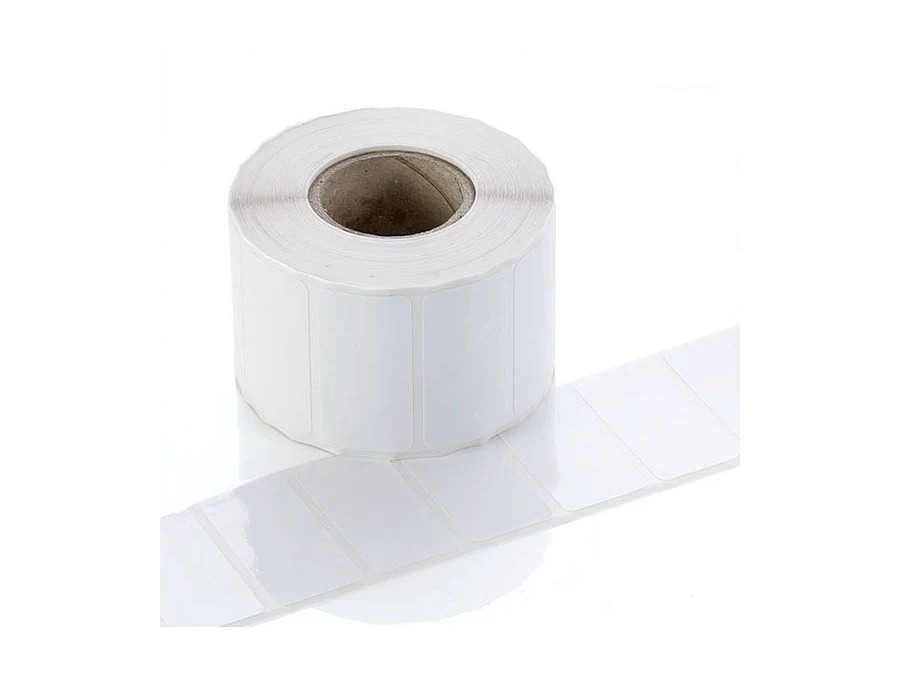
50 x 25mm, pre-cut roll · Material: Gloss white vinyl
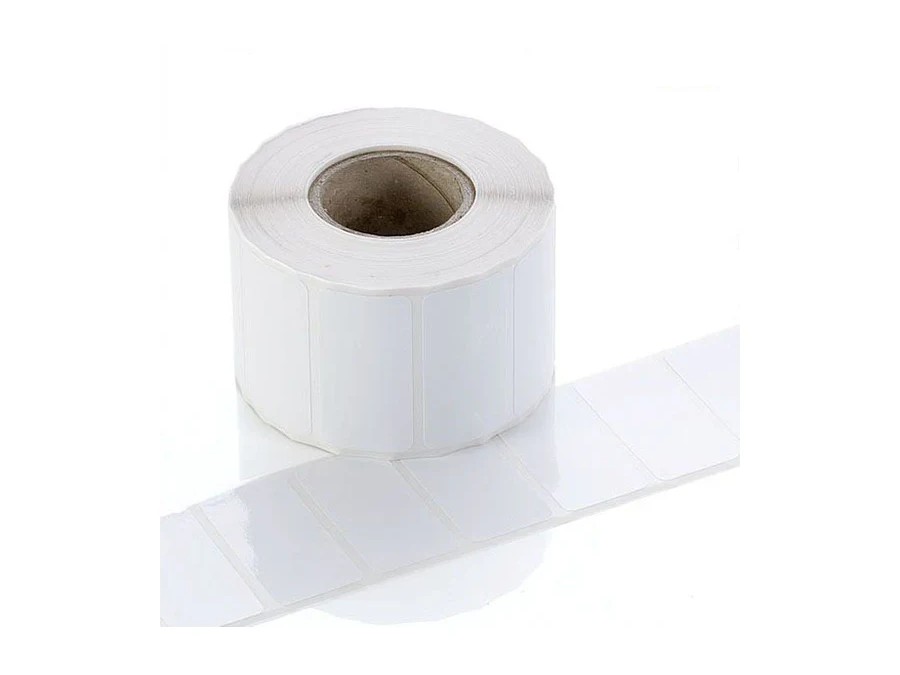
50 x 50mm, pre-cut roll · Material: Gloss white vinyl
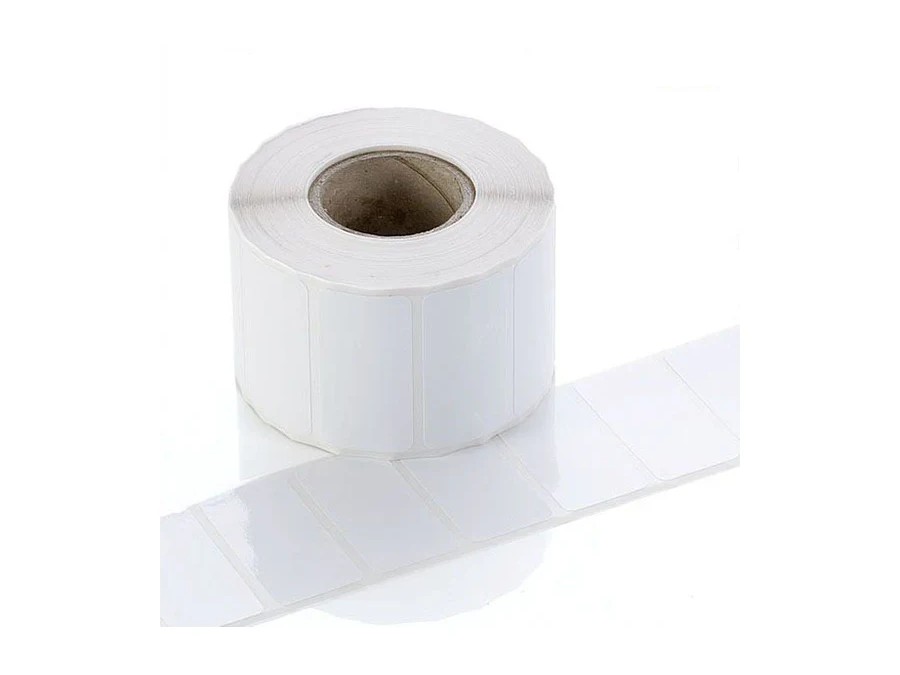
75 x 25mm, pre-cut roll · Material: Gloss white vinyl
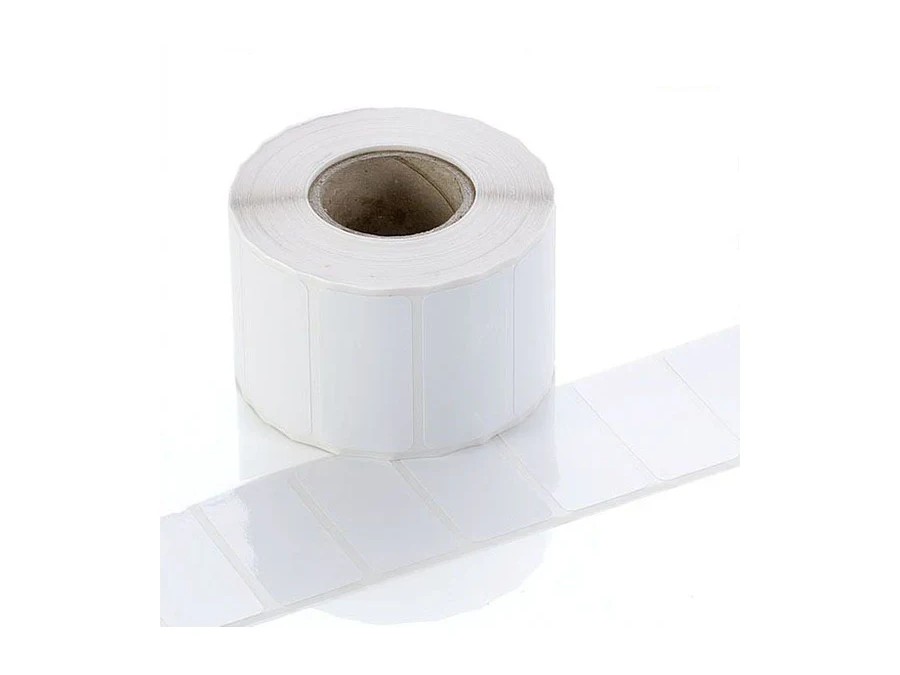
75 x 50mm, roll · Material: Matt white paper
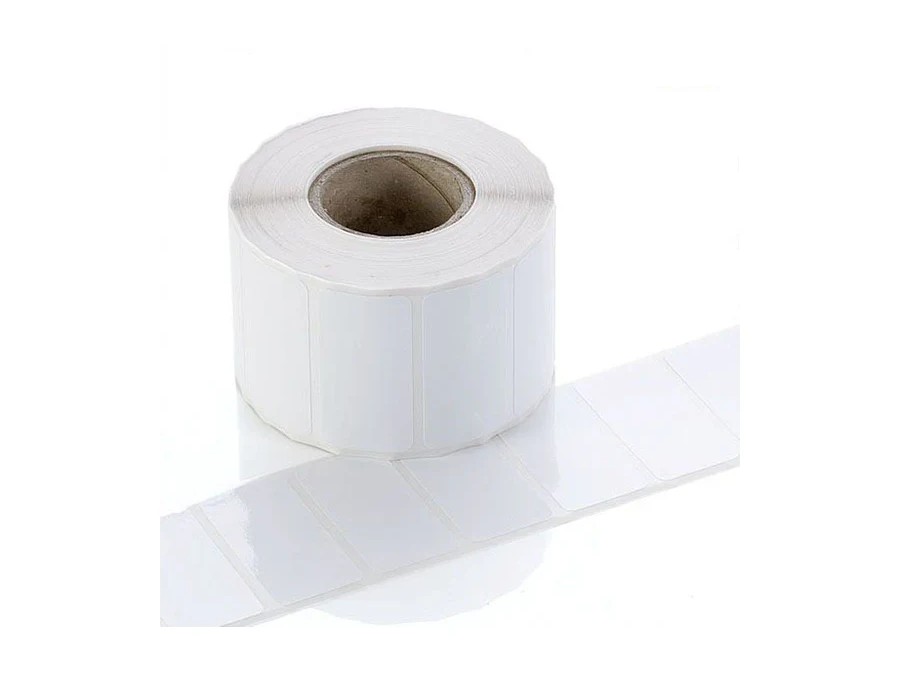
50 x 25mm, yellow · Material: Gloss yellow vinyl
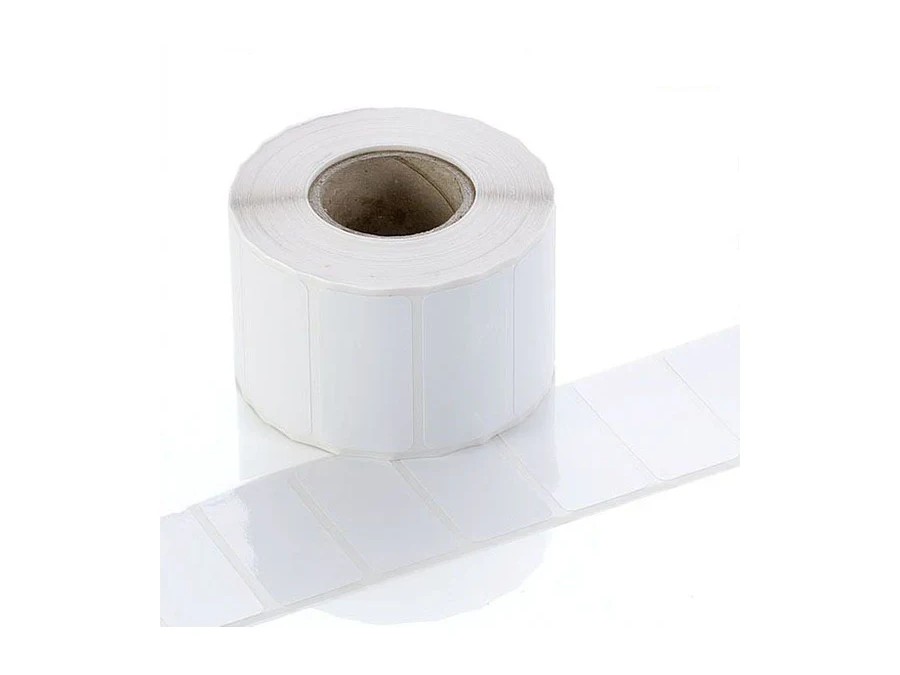
75 x 50mm, red · Material: Gloss red vinyl
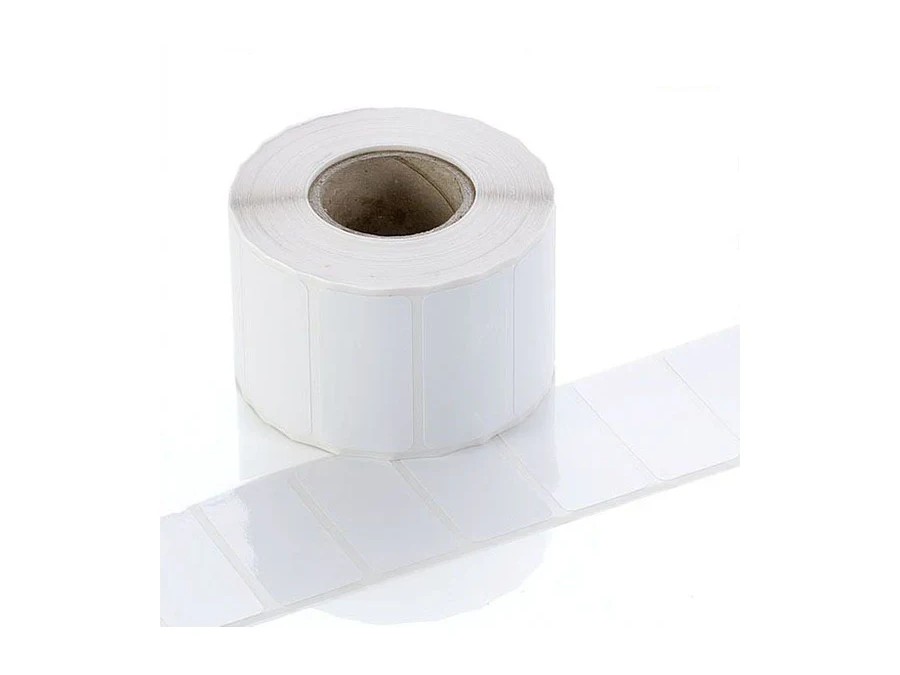
75 x 50mm, blue · Material: Gloss blue vinyl
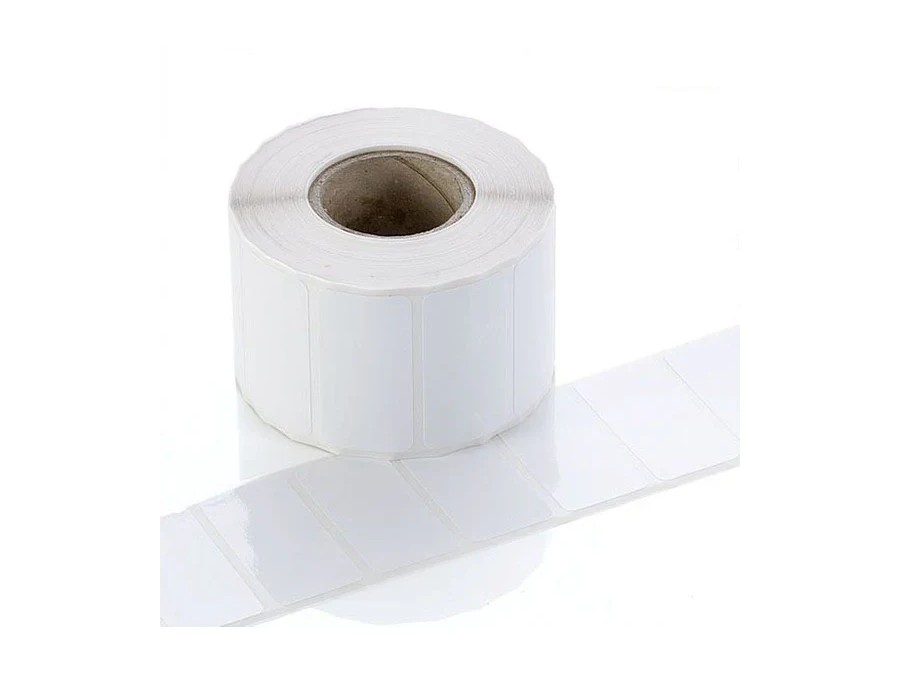
50 x 25mm, polyester roll · Material: Silver polyester
50 x 25mm, permanent adhesive · Material: White direct thermal paper
50 x 50mm, permanent adhesive · Material: White direct thermal paper
100 x 50mm, permanent adhesive · Material: White direct thermal paper
100 x 75mm, permanent adhesive · Material: White direct thermal paper
100 x 150mm, synthetic label · Material: White polypropylene
21 labels/sheet equivalent, printable sheets · Material: White paper sheet label
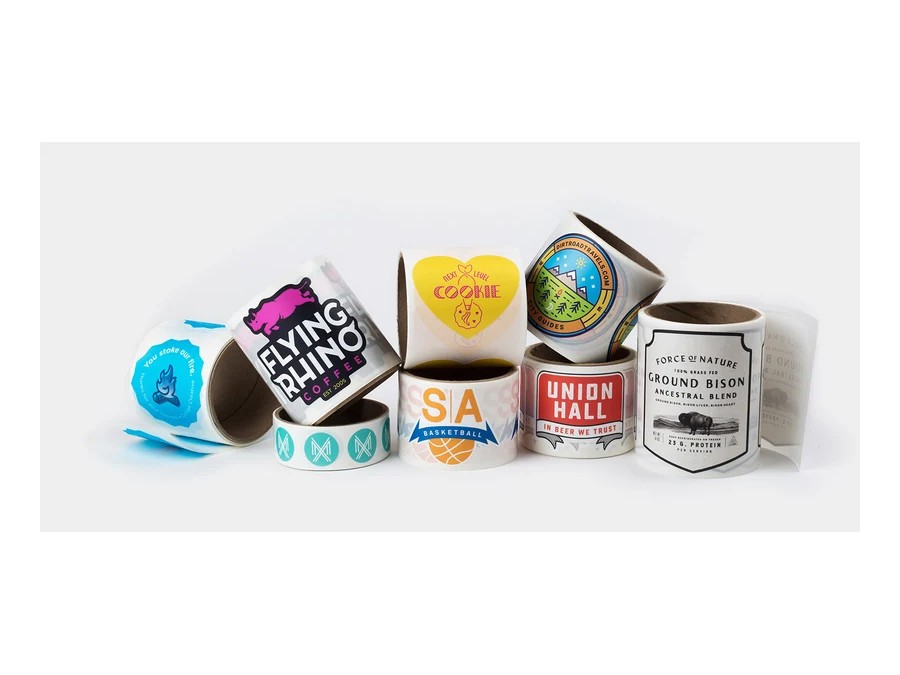
60mm round, printable sheets · Material: White paper/vinyl options
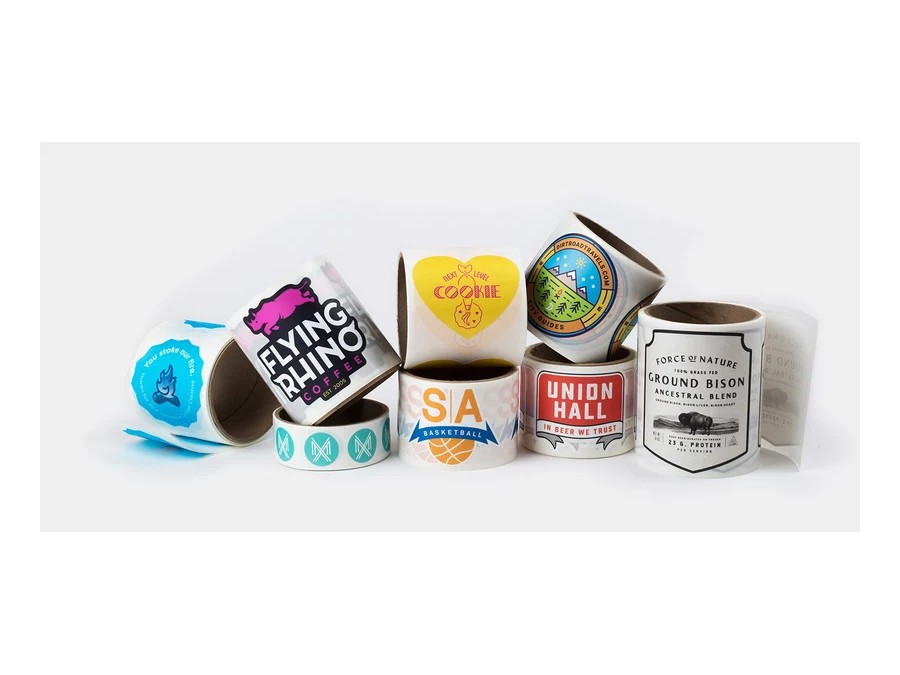
99.1 x 67.7mm, transparent · Material: Clear polyester/film
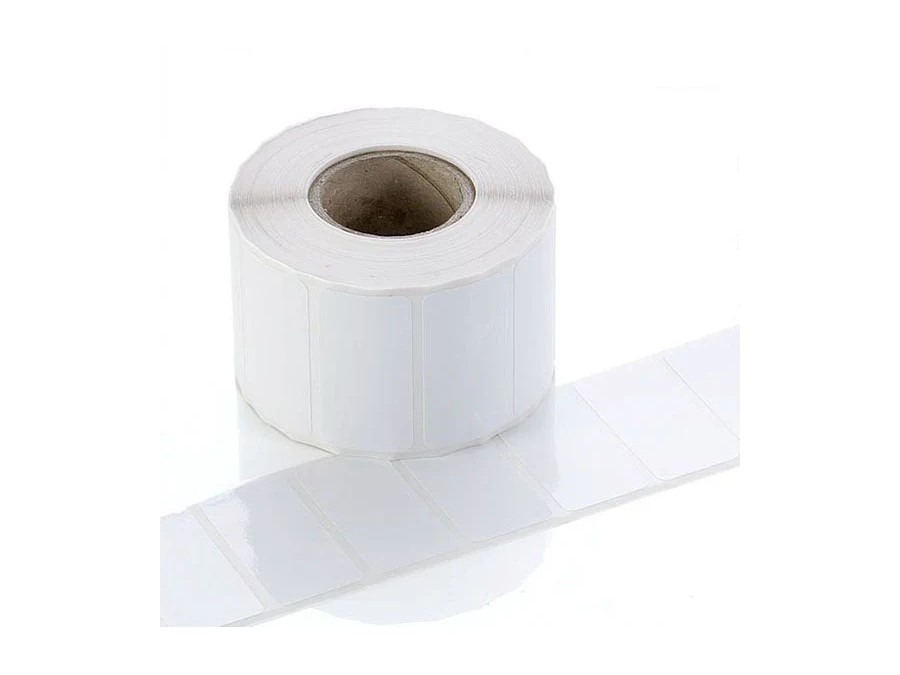
99.1 x 139mm, heavy duty · Material: Waterproof polyester
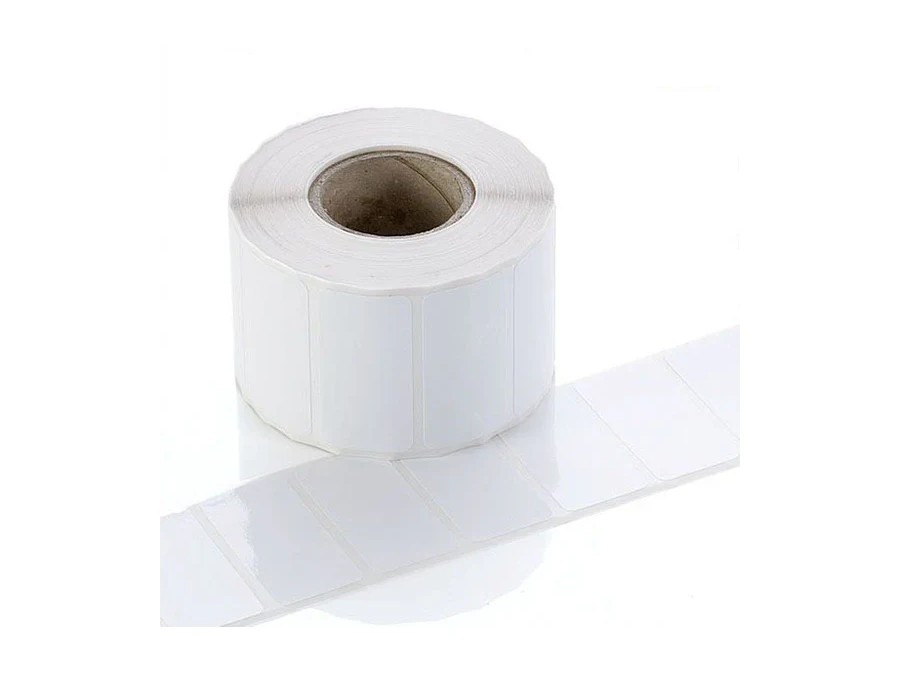
63.5 x 29.6mm, sheet labels · Material: Removable paper label
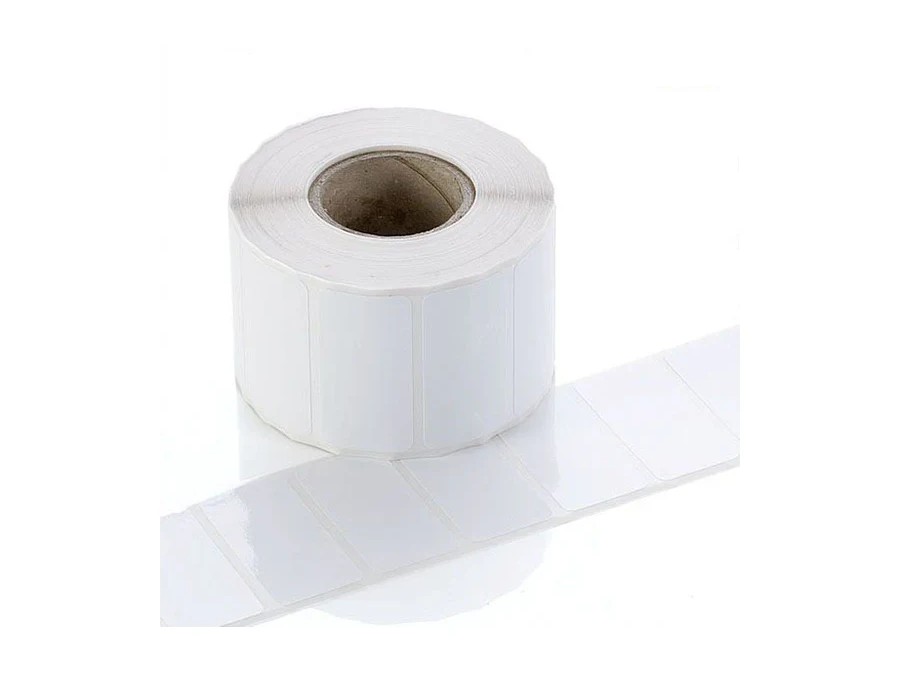
76 x 51mm, roll, permanent adhesive · Material: White paper
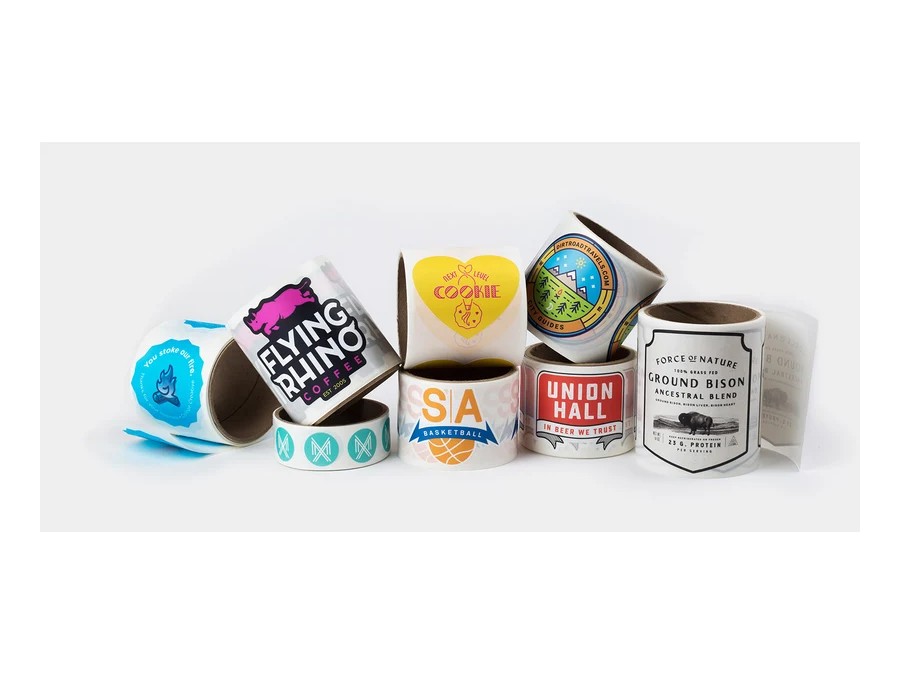
76 x 51mm, roll · Material: Clear polypropylene
100 x 50mm, matt white · Material: Matt white polypropylene
100 x 75mm, gloss white · Material: Gloss white polypropylene
60mm round, brown kraft · Material: Brown kraft paper
50 x 25mm, bright yellow · Material: Fluorescent paper
50 x 25mm, ribbon required · Material: Thermal transfer paper
76 x 51mm, ribbon required · Material: Thermal transfer paper
102 x 76mm, ribbon required · Material: Thermal transfer paper
76 x 51mm, permanent · Material: Direct thermal paper
102 x 152mm, permanent · Material: Thermal transfer paper
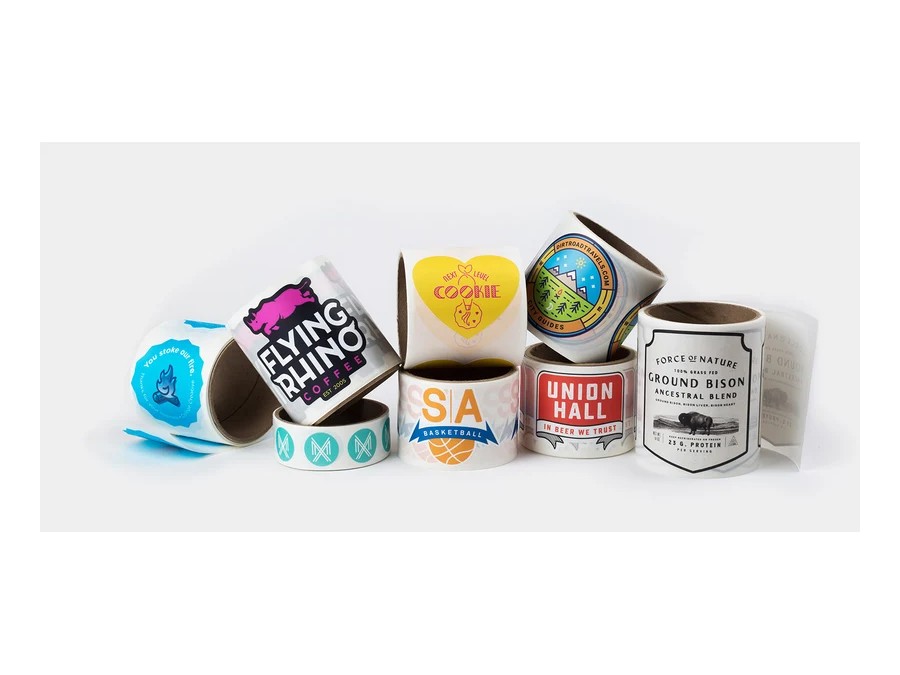
100 x 50mm, roll format · Material: Laminated waterproof label
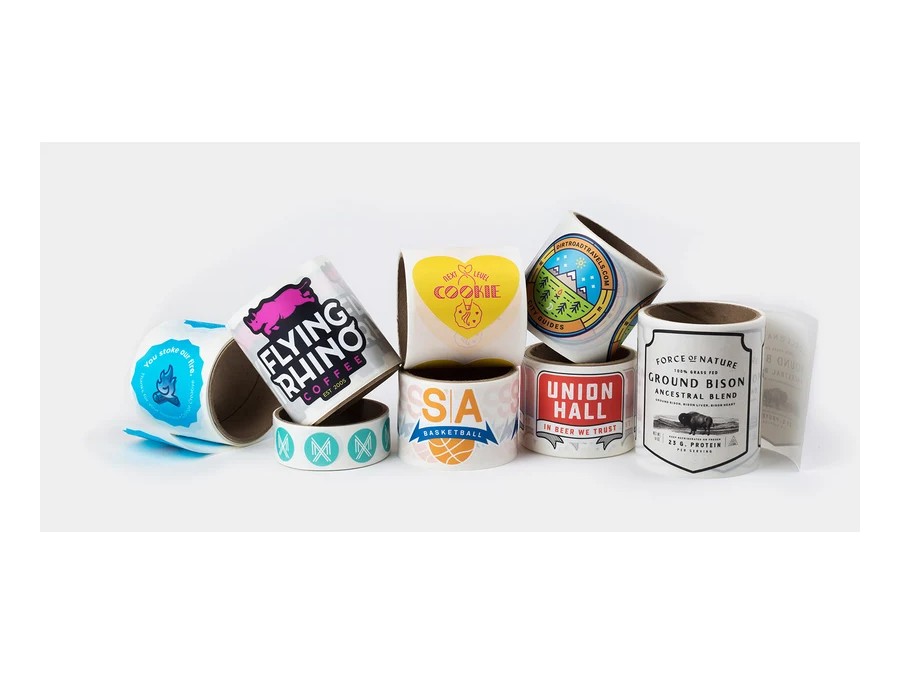
60mm round, roll format · Material: Laminated waterproof label
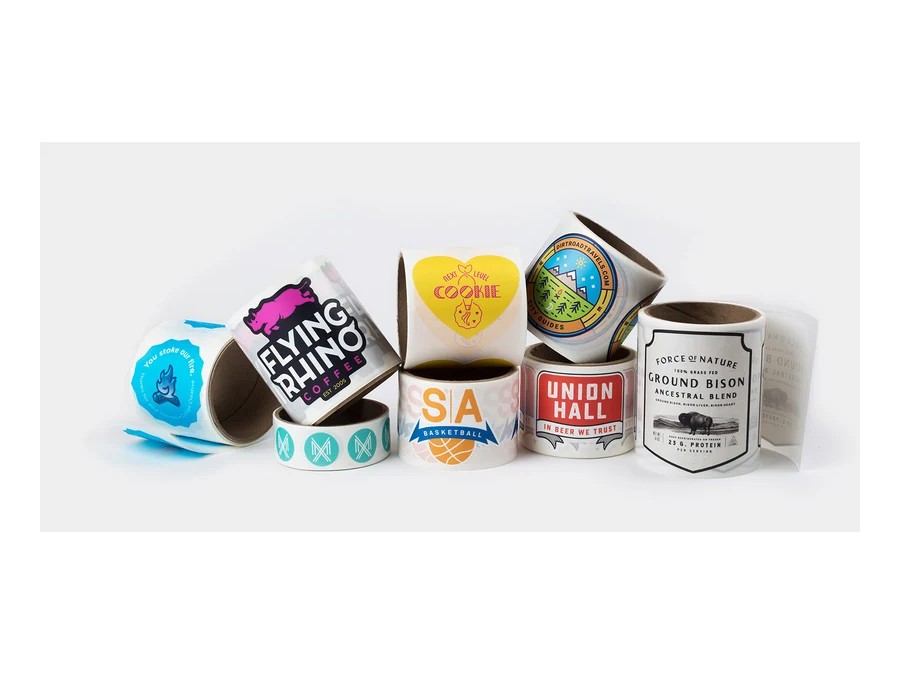
100 x 75mm, rectangle roll label · Material: Laminated waterproof label
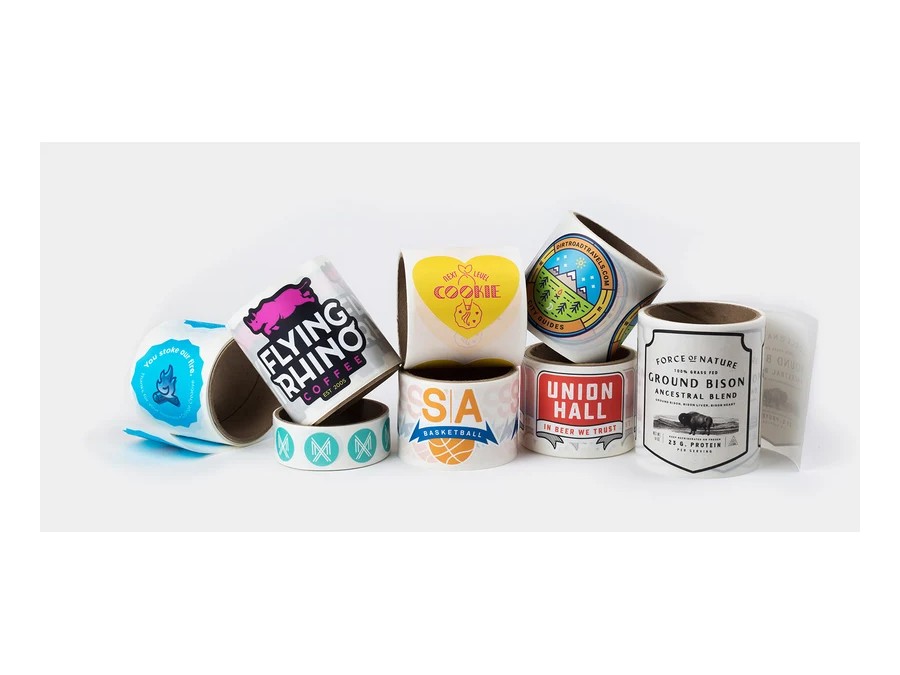
75 x 75mm, square/round options · Material: Laminated waterproof label
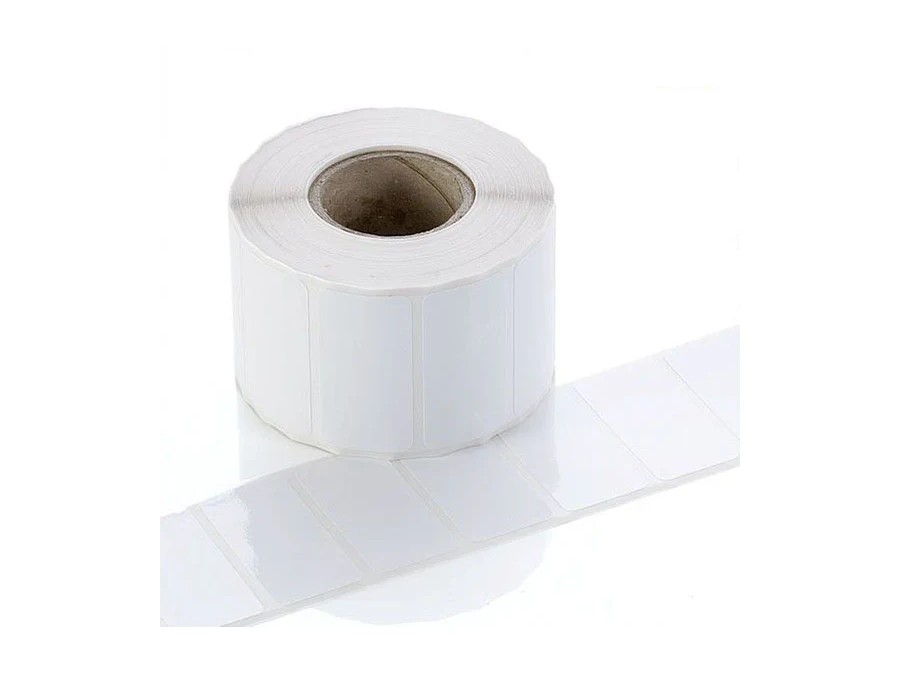
76 x 51mm, freezer adhesive · Material: White paper/synthetic freezer label
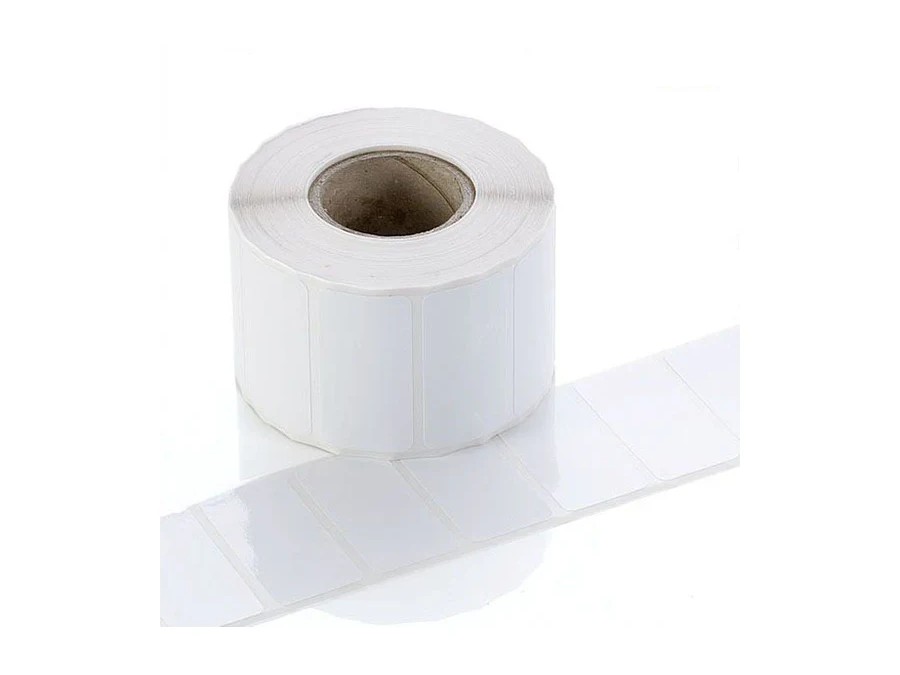
100 x 50mm, permanent high-tack · Material: White paper/polypropylene
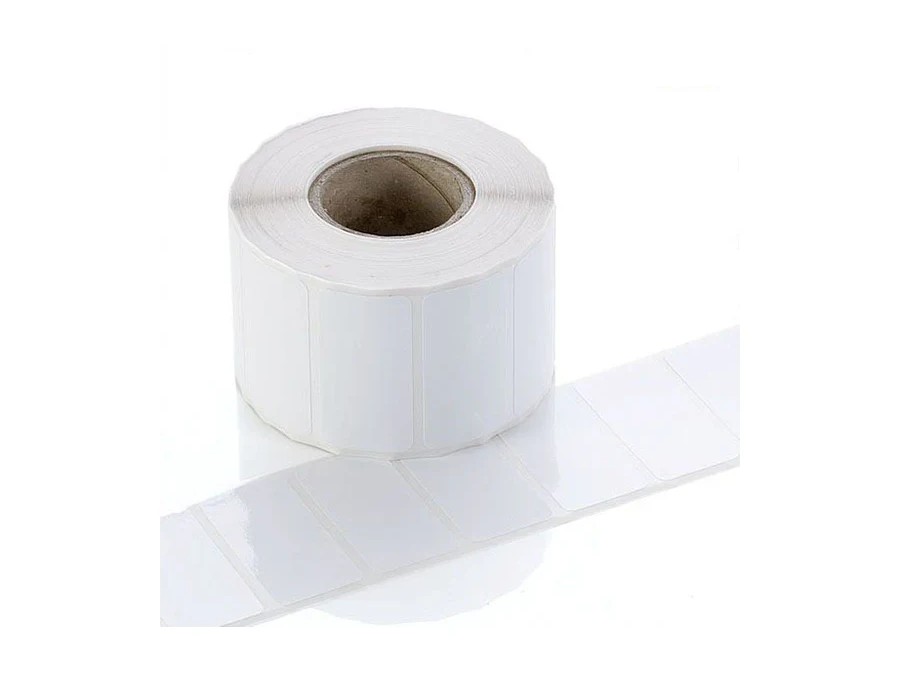
76 x 51mm, removable adhesive · Material: White paper
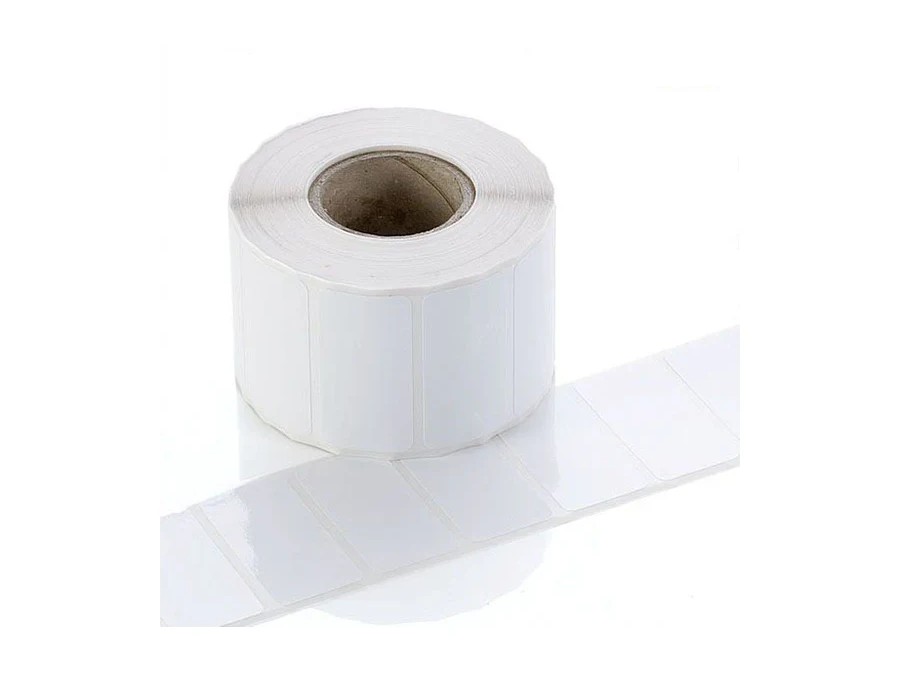
100 x 50mm, gloss vinyl · Material: Gloss white vinyl
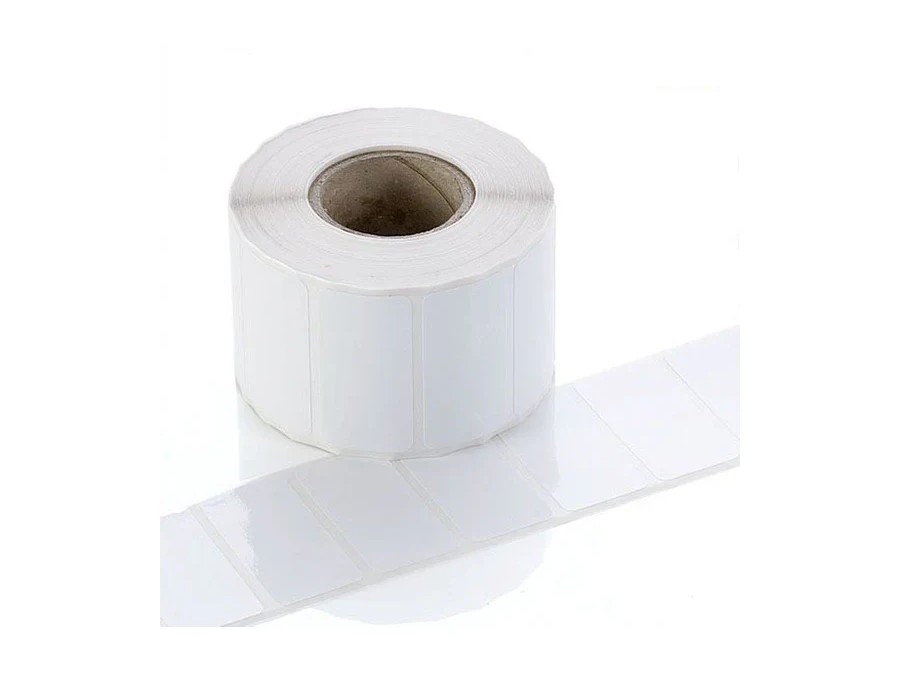
100 x 75mm, gloss vinyl · Material: Gloss white vinyl
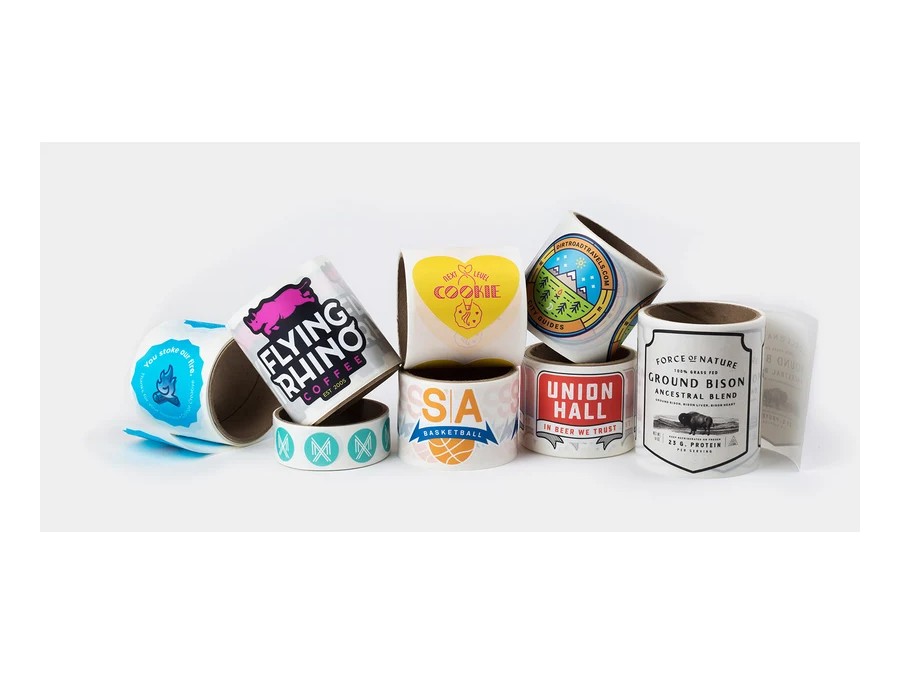
60 x 40mm, printable sheets · Material: White paper/vinyl options
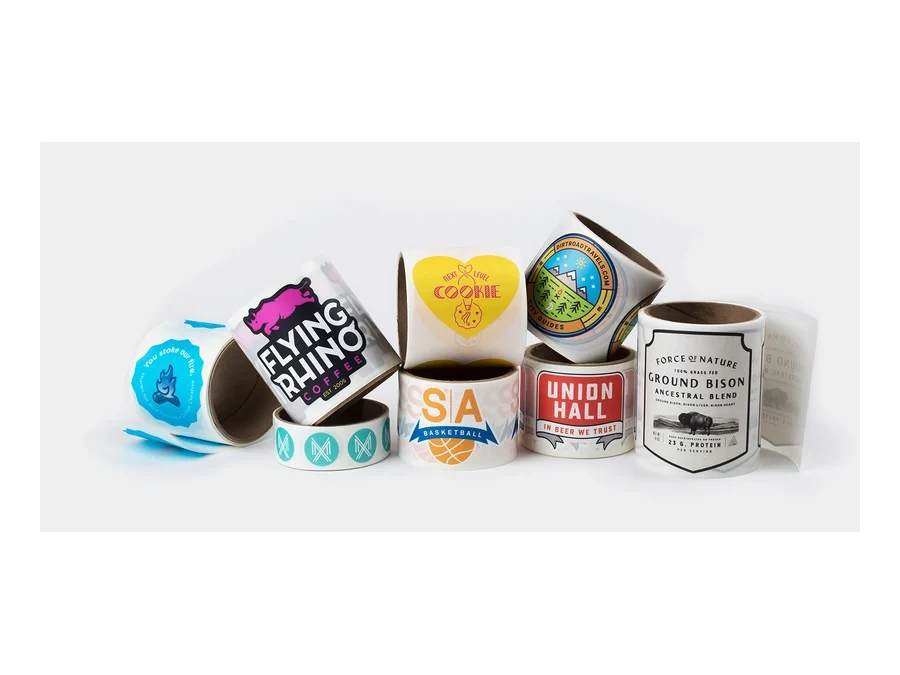
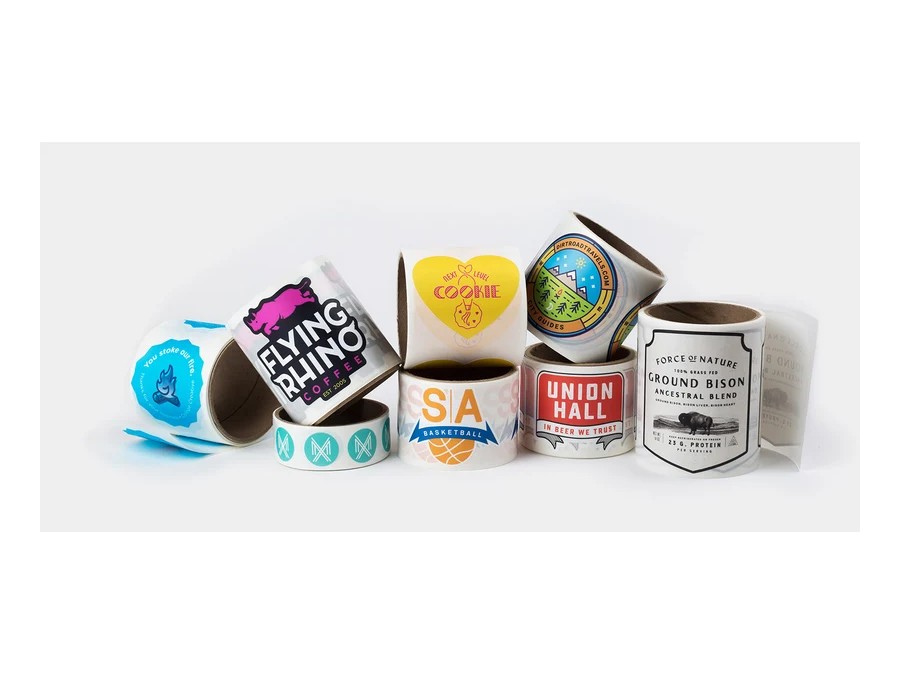
Range: custom printed product labels · Use case: drinks, household products and branded retail packs
A printed label must remain legible and attached through filling, storage, distribution and use. It should also avoid compromising the intended recycling route where separation or wash-off behaviour matters.
| Container surface | PET, HDPE, glass, metal, coated board and flexible films have different surface energy, shape and movement. |
|---|---|
| Application condition | Surface temperature, condensation, product contamination, application pressure and time before handling affect adhesive wet-out. |
| Service condition | Water, oils, chemicals, refrigeration, outdoor exposure, abrasion and squeezable containers can change the stock and adhesive required. |
| Print and finish | Artwork, colour, barcode quality, varnish, laminate and overprint method should be approved on the chosen face material. |
| Machine format | Label size, gap, web width, winding direction, core and maximum roll diameter must fit the printer or applicator. |
A resin code or recycling symbol on the container does not by itself validate the complete labelled pack. Recycle Now's recycling-symbol guidance shows that some sleeves or films need removing and that local acceptance varies. Confirm whether the label, sleeve or liner is intended to stay with the container, separate during reprocessing or be removed by the user.
Where a wash-off adhesive, a specific label material or recycled-content face stock is required, request the supplier specification for the exact construction. Do not transfer a claim from one stock or adhesive to another without evidence.
Provide the container or pouch sample, label-panel dimensions, artwork, quantity by version, colour and finish requirements, intended application method, roll direction, core, maximum roll diameter, storage conditions and any printer or sensor constraints. For automatic application, keep machinery intent on Lancing's machinery pages.
Compare the bottle label quote guide, custom roll label guide and label material and adhesive guide.
A label can meet the artwork dimensions and still fail through poor adhesion, lifting, wrinkling, scuffing, moisture exposure or unsuitable application. It can also influence a packaging recyclability assessment, so the exact label and adhesive should be controlled alongside the container.
| Container surface | Material, colour, curvature, panel size, surface energy, texture, contamination risk and whether the surface is dry, cold, warm or damp at application. |
|---|---|
| Label construction | Paper, PP, PE, PET, vinyl or thermal facestock as applicable; adhesive type; liner; print process; inks; varnish or laminate; and finished dimensions. |
| Application | Hand or automatic application, roll direction, leading edge, core size, outside or inside wound presentation, web width, gap and sensor mark where required. |
| Service conditions | Time between moulding/filling and labelling, condensation, refrigeration, water, oils, chemicals, abrasion, UV exposure and end-user handling. |
| End-of-life evidence | How the label, adhesive, ink and any laminate are treated with the container under the current UK methodology; do not infer compatibility from the facestock alone. |
The labels, adhesives and PET bottle recycling guide covers label coverage, separation, ink and adhesive considerations without claiming that a generic label is automatically compatible.
Apply labels to representative filled containers using the intended method. Inspect initial tack, final adhesion, edge lift, wrinkles, scuffing, print legibility and performance after the relevant storage and distribution period. Record the approved label stock, adhesive, artwork version and roll specification.
For automatic label application, send the approved container and label roll specification to the Lancing machinery team. Use the technical document checklist to control the data supplied to both the label and machinery teams.
A label can look correct on a clean empty sample yet fail after filling, refrigeration, transport or automatic application. Approval should reproduce the surface and environment the label will meet.
Filling can cool, warm, wet, flex or contaminate the container surface. Condensation, product residue, panel movement and changes in surface tension can reduce initial wet-out or later adhesion. Apply labels at the intended process stage and inspect them over the real storage period. See label defect diagnosis.
Edge lift can result from a label that is too stiff for the curvature, insufficient adhesive wet-out, contamination, a tight radius, excessive die-cut stress, cold application or exposure to moisture or product. The remedy should follow a controlled trial of the exact facestock, adhesive, varnish or laminate and container—not a general adhesive change alone.
Core size, outside roll diameter, web width, roll direction, label pitch, gap, backing release, splice quality and print registration can all affect feeding and placement. Provide the labeller’s roll specification and a production-representative roll. The automated-line guide explains how label data fits the wider pack specification.
Label material, adhesive, coverage, colour, decoration and the way the label separates can affect sorting and reprocessing. The bottle polymer alone is not the complete assessment. Use the PET label and adhesive guide and obtain current evidence for the exact label construction.
A print proof should confirm approved artwork, dimensions, orientation, colour references, barcode and variable-data areas, unwind direction, cutter tolerance and any clear or opaque layers. A screen proof does not prove adhesive performance or machine handling, so approve a physical sample or production-representative roll where those risks matter.