Bottles
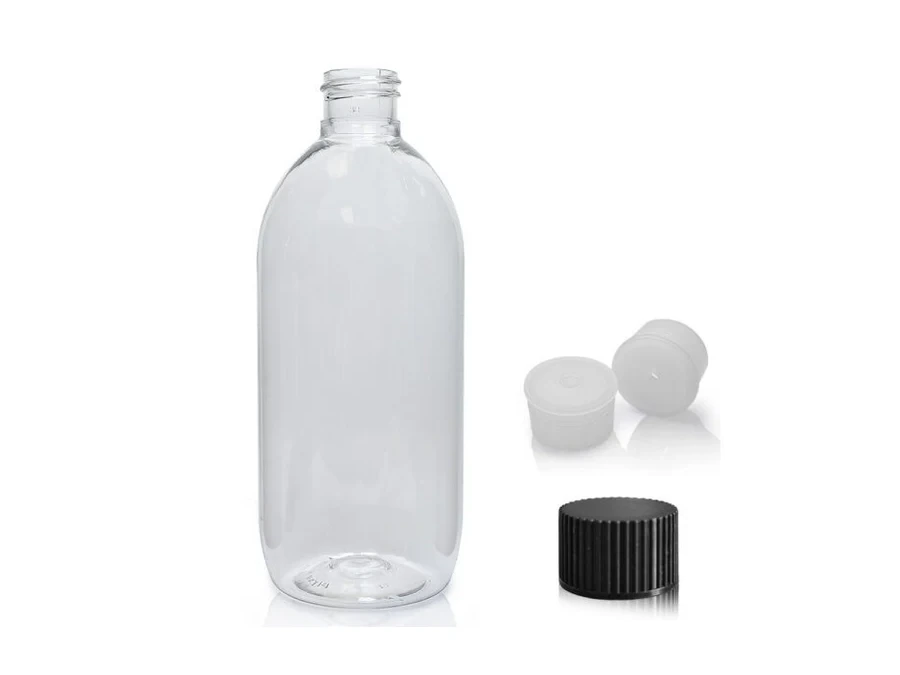
Clear PET Bottle Range
Range: clear PET bottles · Use case: water, drinks, household liquids and general filling applications
Contact for price
View product
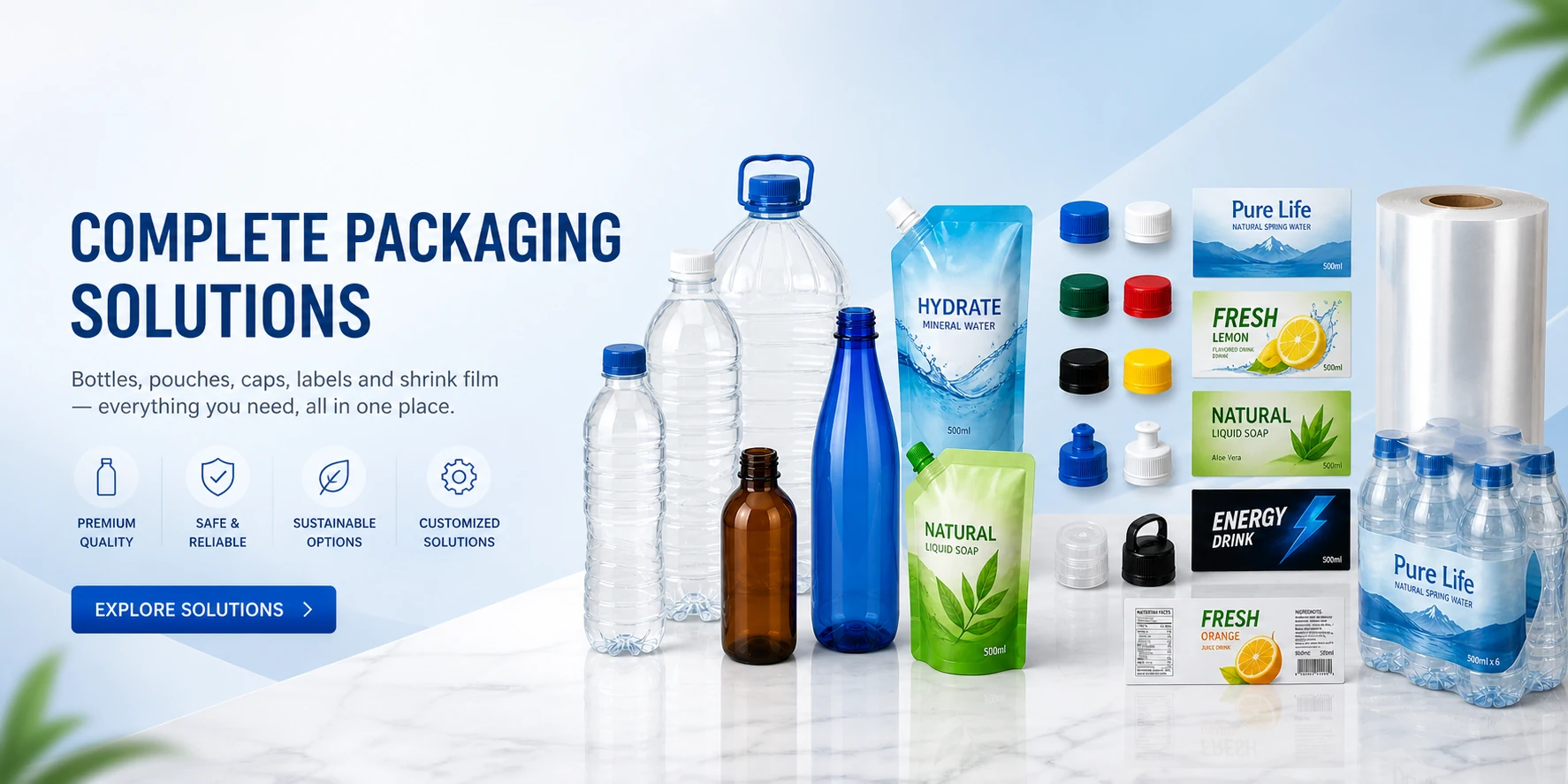
Browse recyclable packaging materials and business packaging supplies for production, warehousing and branded packaging projects. Each product includes clear details, a product photo and a quick enquiry form. Use the packaging guides to compare materials, formats and buying requirements.
PET, clear, coloured and amber bottle packaging ranges for liquid products and filling applications.
View bottles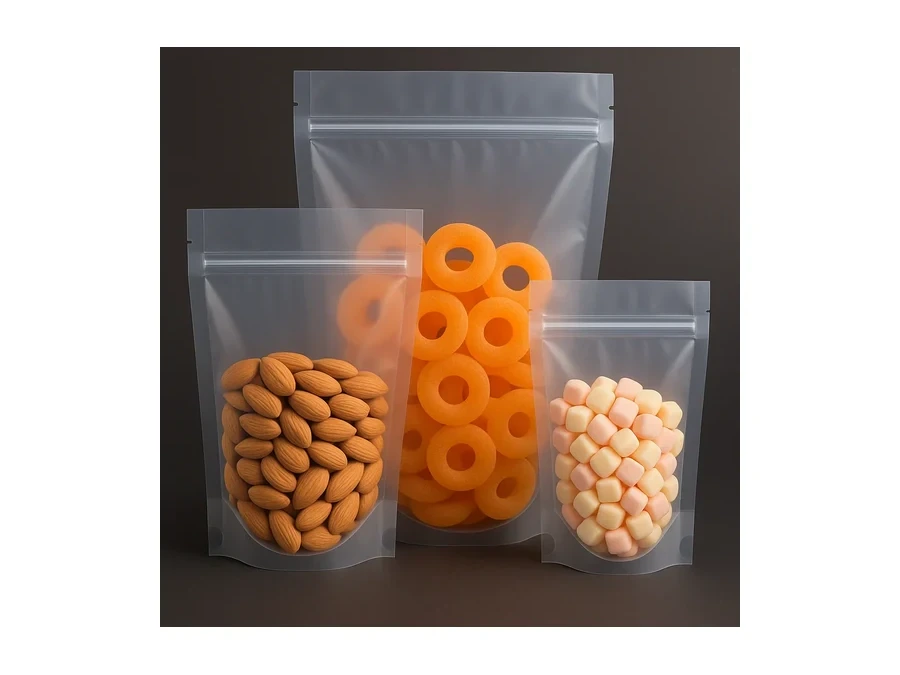
Stand-up pouches, kraft pouches, spouted pouches and refill packaging options.
View pouches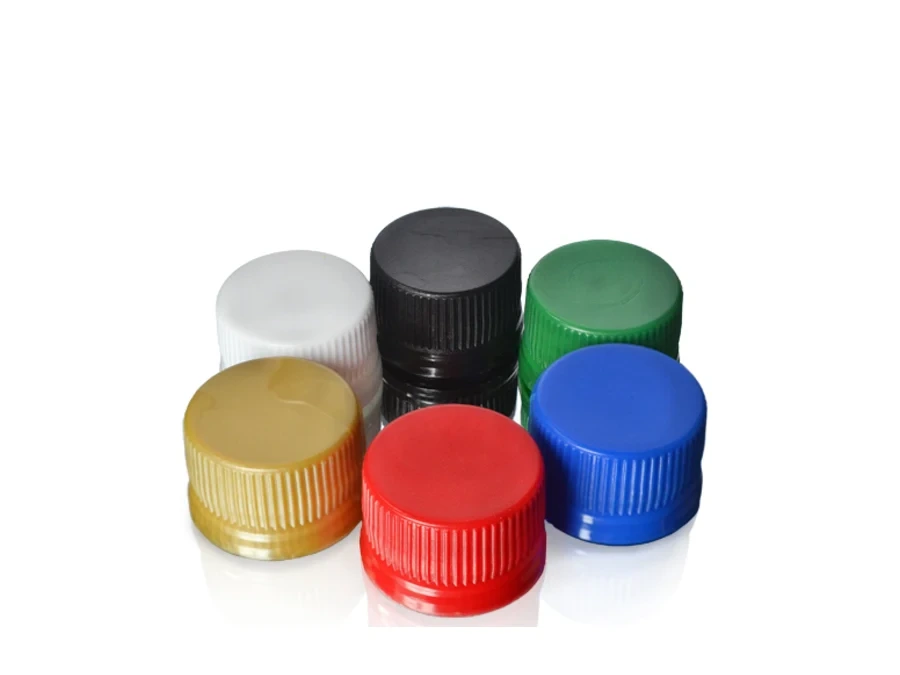
Screw caps, tamper-evident caps, aluminium caps, coloured closures and dispensing cap ranges.
View caps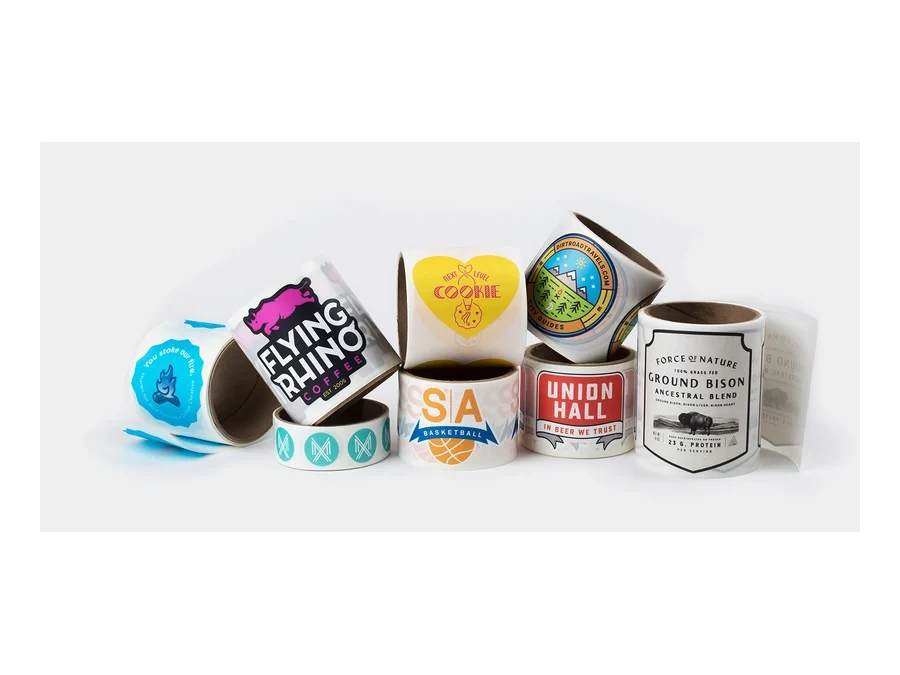
Custom roll labels, thermal labels, vinyl labels and printed product labelling options.
View labels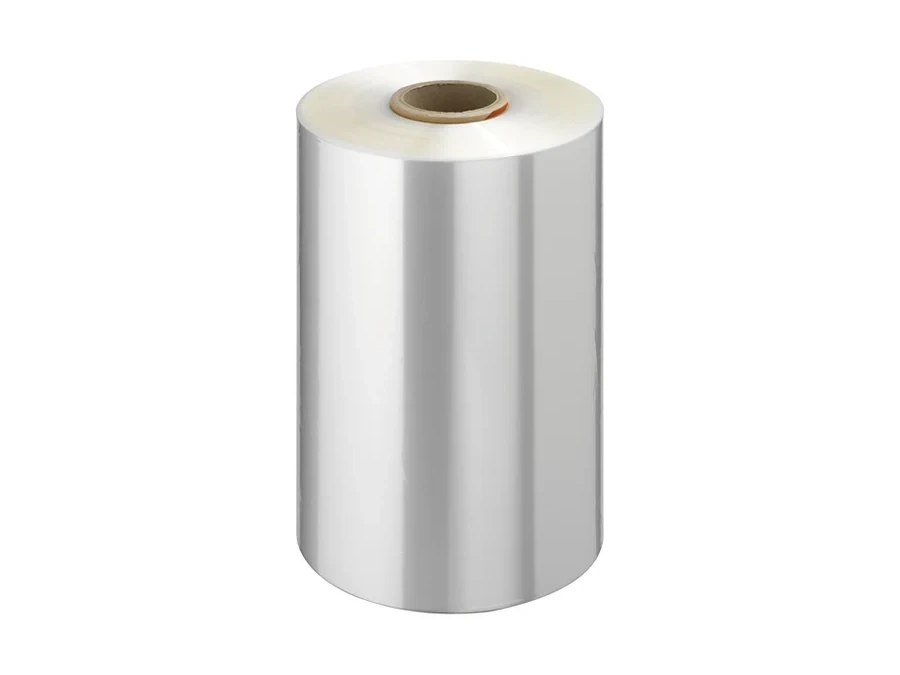
Polyolefin, PVC and clear shrink film ranges for product wrapping, bundling and multipacks.
View shrink film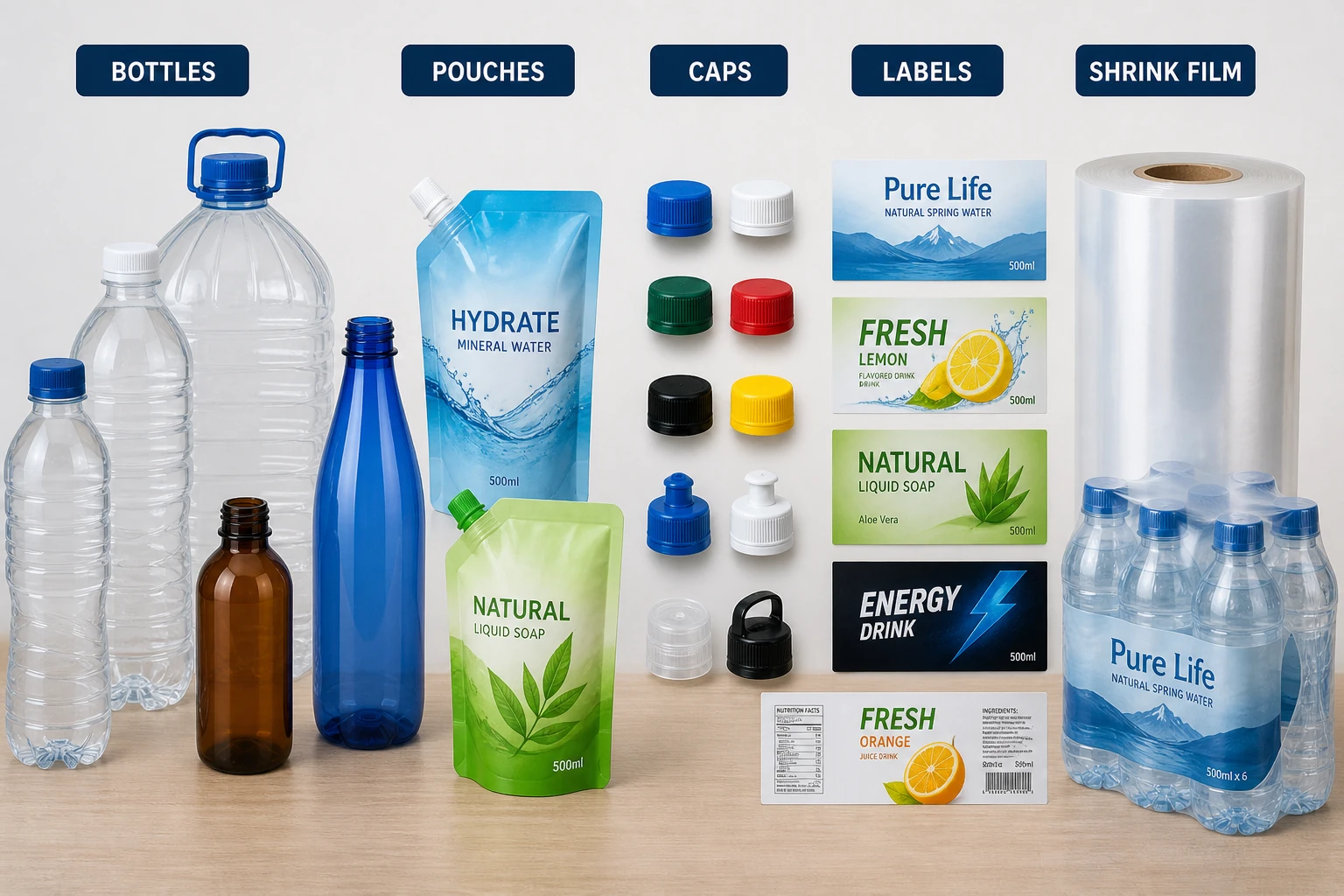
Browse individual bottle, pouch, cap, label and shrink-film options, then send a quick enquiry so we can confirm current availability, lead time and suitability.
Send quantities, specifications and compatibility requirements for a tailored packaging quote.
Range: clear PET bottles · Use case: water, drinks, household liquids and general filling applications
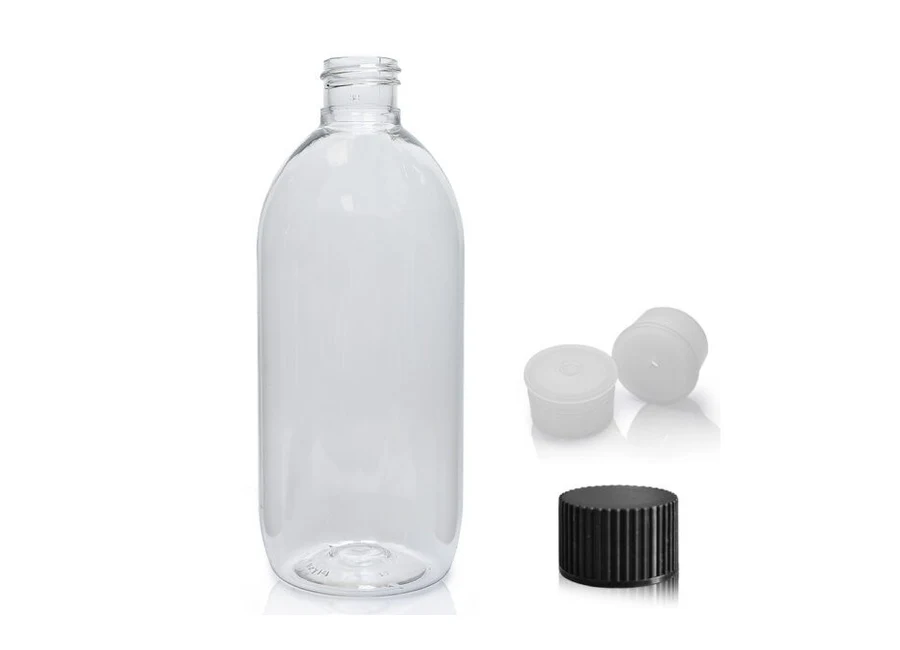
Capacity: 500 ml · Material: Clear PET plastic
Range: flexible spouted pouches · Use case: drinks, concentrates, refills and liquid product packaging
Range: coloured screw caps · Use case: colour-coded closures for bottle packaging
Range: custom printed product labels · Use case: drinks, household products and branded retail packs
Range: clear shrink film rolls · Use case: wrapping, bundling and protective presentation
A recyclable bottle, pouch or film is only one part of the decision. The closure, liner, label, adhesive, print, colour and any removable sleeve can affect product protection, filling performance and the route available at end of life.
Start with what the pack must do: contain the product, withstand filling and distribution, present the brand and work with the intended dispensing or reclosure method. Then compare materials. PET is commonly used where clarity and product visibility matter; HDPE is used where an opaque, robust bottle is preferred; flexible pouches can reduce pack weight but their barrier layers, spouts and collection route need separate confirmation.
| Primary pack | Capacity, dimensions, material, wall or film structure, product contact and filling conditions. |
|---|---|
| Closure | Exact neck finish or fitment, liner, seal, tamper evidence, dispensing action and application method. |
| Decoration | Label stock, adhesive, ink or coating, artwork area, removability and roll direction where machine applied. |
| Secondary film | Pack dimensions, film type, width, gauge, sealing system, shrink profile and recovery route. |
| Supply | Required quantity, forecast usage, delivery pattern and any evidence needed before approval. Current stock, minimum order and lead time are confirmed for the exact item at enquiry. |
Material identification is not the same as proof that a finished pack will be collected, sorted and reprocessed. Recycle Now's recycling-symbol guidance distinguishes resin codes from consumer disposal instructions and notes that acceptance still depends on the collection system. Its plastic guidance reports broad UK collection coverage for bottles made from PET and HDPE, while advising users to check their postcode-specific service.
Flexible packaging needs more care. In England, the official Simpler Recycling guidance says plastic film packaging and plastic bags are due to join plastic household collections from 31 March 2027. Until a pack's actual structure and route are confirmed, avoid treating “plastic”, “mono-material” or a resin code as a complete recyclability claim.
Send the product type, fill volume, contents, filling temperature, storage conditions, annual or batch quantity, pack dimensions and the exact closure or dispensing requirement. For labels, include the container material, label panel, surface condition, artwork and application method. For film, include the unwrapped pack size, finished bundle, machine or sealer details and the presentation standard required.
Compare recyclable bottle options, pouch formats, caps and closures, product labels and shrink film. The material-selection guide and claim checklist provide a structured route from initial search to a documented specification.
This range covers the packaging-material and component enquiry. When the project also requires filling, capping, labelling, shrink wrapping or line integration, use the relevant Lancing packaging machinery pages. Keep the material specification and machine specification connected when planning the project.
Request a packaging quote Read the packaging guides
Regulatory and recycling routes can change. The linked official guidance should be checked when approving claims or disposal instructions.
A recyclable packaging enquiry becomes commercially useful when the container, closure, label, film or pouch structure is connected to the filled product, production method, UK collection context and evidence required for approval. The technical guides below provide that second layer without replacing the individual catalogue specification.
Use the UK EPR and recyclability assessment guide to identify the reporting-year guidance and assess the finished packaging components. The Plastic Packaging Tax evidence guide separates recycled-content records from broader recyclability claims.
Compare PET and HDPE bottles, mono-material and laminated pouches, and POF, PVC and LDPE shrink film by functional requirements rather than a single sustainability label.
The packaging compatibility test plan turns sample evaluation into defined acceptance criteria. Use the technical document checklist to control drawings, declarations, evidence and approved versions.
| Packed product | Contents, fill volume or weight, filling temperature, sensitivity to oxygen, moisture, light, aroma loss, leakage or chemical interaction, and intended shelf-life study. |
|---|---|
| Complete pack | Container or pouch, neck finish or fitment, closure and liner, label stock and adhesive, seal or valve, secondary film and any consumer-removable parts. |
| Production and distribution | Manual or automated filling, capping, labelling or sealing method, line handling, storage, transport, palletisation and end-user opening or dispensing. |
| Commercial and evidence needs | First order, forecast volume, required date, current samples, artwork, material declarations, recycled-content evidence and any food-contact or customer approval requirements. |
Browse the complete packaging catalogue, then send the exact pack brief through the existing enquiry route so Lancing can confirm current options, minimum order, lead time and the checks needed before approval.
Request a technical packaging quote Plan a compatibility trial
These questions connect recyclability, product protection, production handling and evidence so an enquiry can move from a broad idea to a testable pack specification.
Start with the packed product, required shelf life, filling and closing process, distribution route and evidence obligations—not with a material name. Those requirements indicate whether a bottle, pouch, closure, label or film format is credible. The bottle-or-pouch comparison and barrier guide provide a structured first screen.
No. A recyclable material name does not by itself establish the recyclability of the finished pack. Closures, liners, labels, adhesives, sleeves, pigments, fitments and the way components separate can change the assessment. Use the UK EPR and recyclability guide for an evidence-led complete-pack review.
A useful packaging quotation identifies the exact contents, fill volume or weight, process temperature, container or pouch format, closure or fitment, label method, first order, forecast demand, required date and approval evidence. Current samples or drawings help where fit and machine handling matter. The trade enquiry template organises those inputs.
Lancing can confirm which current declarations or supplier documents are available for the exact quoted item, but evidence must not be assumed from a category page or polymer name. Food-contact suitability depends on intended use, while recycled-content evidence must identify the relevant product line and percentage. See food-contact qualification.
Run a line trial when packaging dimensions, stiffness, surface, closure, label, film or fitment could affect feeding, filling, capping, sealing, labelling or conveying. A representative trial should occur before production approval and again after a material or component change that can affect performance. Use the automated-line packaging guide.
Discuss a packaging requirement Open the packaging question centre
Packaging material selection increasingly depends on the reporting year, market and complete-pack evidence. These current guides separate UK EPR fees and labels, England’s plastic-film collection changes and EU export requirements from the product-performance checks needed before ordering.
Understand red, amber and green RAM outcomes, the published modulation approach and the component records a buyer should retain.
Separate the current EPR/RAM position from consumer disposal instructions, environmental claims and EU-market labelling.
Check the 31 March 2027 collection requirement, current exclusions and the evidence needed for pouches and film.
Prepare the packaging specification, technical file, market records and phased compliance review for goods placed on the EU market.
A supplier comparison is useful only when each option covers the same container, closure, decoration, quantity and intended use. Record unresolved evidence separately from confirmed product details.
Nominal neck diameter is a starting filter, not proof of fit. Compare the exact neck finish, cap, liner or sealing feature and application method. Use the 24mm PET bottle range or 28mm range with the relevant closure drawing and samples.
For a bottle, establish whether the cap or dispensing fitment is included. For a pouch, identify zip, spout, valve and print specification. For labels or film, state roll dimensions and machine requirements. Record the exact item reference so a range photograph is not treated as an approved variant.
Request the same quantity, delivery pattern and required date. Ask each supplier to identify minimum order, lead time and the status of the proposed item at quotation. Compare those answers with the work still needed for sample approval and line trials.
Record the complete pack construction and request evidence for the specific recycling or recycled-content statement proposed. The claim checklist helps keep an unverified assumption out of the purchasing specification and artwork.
Trial the container, closure, label and any film together with the intended contents and production process. Use the compatibility test plan to define fill, closing, leakage, handling and appearance criteria relevant to the job. Send the completed brief through the existing quote form so current options can be confirmed.
This catalogue brings together bottles, pouches, caps, labels and shrink film for individual quotation. Start with the product you need to protect, the filling or packing process and the intended finished format. Record the quantity, dimensions and component references so that pricing and compatibility can be discussed against an identifiable specification.
Assess the whole pack rather than one headline material. A bottle has a closure and often a label; a pouch may combine several layers with a spout; a film wrap may accompany a tray or carton. Ask for the construction and supporting information relevant to the exact items proposed. Similar appearance or a general material name does not establish interchangeable performance.
Environmental wording should describe the actual finished pack and the market in which it will be used. Ask what evidence supports a recyclability, recycled-content or other environmental claim, including the relevant collection and processing context. Where that information is not established, keep the claim open and request clarification rather than treating the catalogue name as proof.
The website name is not evidence for every finished pack. Ask for the exact construction and substantiation appropriate to the pack, components and intended disposal context.
Identify the bottle or pouch, closure, liner, label, adhesive and any sleeve or secondary pack by their actual supplied references. Record the market and intended use alongside the complete assembly. This makes it possible to tell whether a later declaration or test result covers the item being purchased rather than an earlier similar-looking version.
A new label construction, closure, coating or fitment may change the finished-pack assessment even where the main container is unchanged. Ask the relevant supplier or assessor which evidence still applies and what needs updating. Treat recycled-content evidence and recyclability evidence as separate matters; one does not establish the other.
A statement may apply to a particular component or disposal route rather than the whole pack. Make that scope clear and avoid extending a supplier’s specific statement into a broad environmental promise. The CMA guidance on environmental claims explains why claims need appropriate substantiation and clear qualifications.
A technically supported material change can still affect feeding, closure application, label adhesion or sealing. Record the line-trial result separately from the environmental assessment, then release the new specification through the agreed process. Use the claim checklist and compatibility test plan for these two distinct decisions.