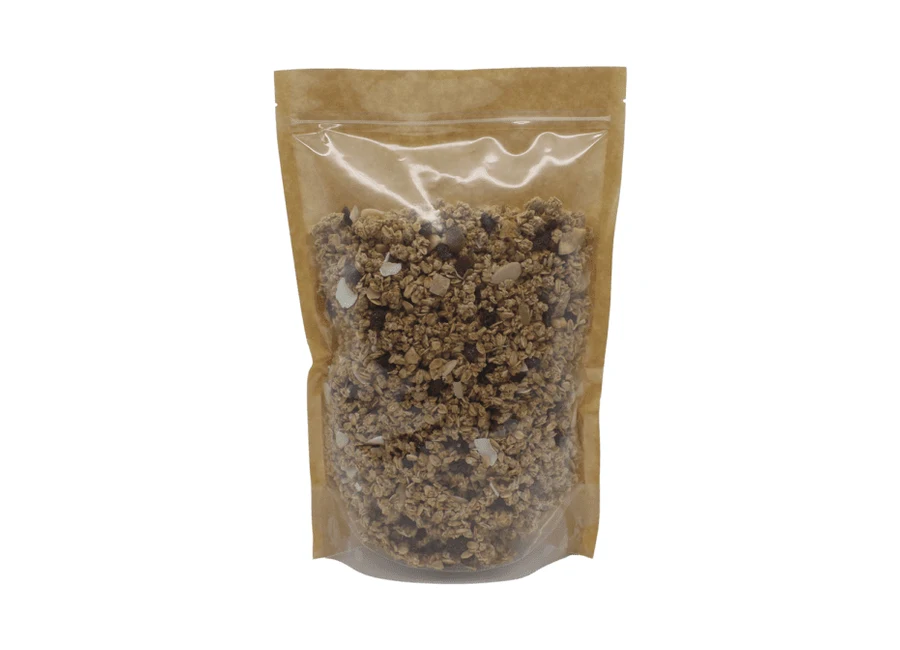
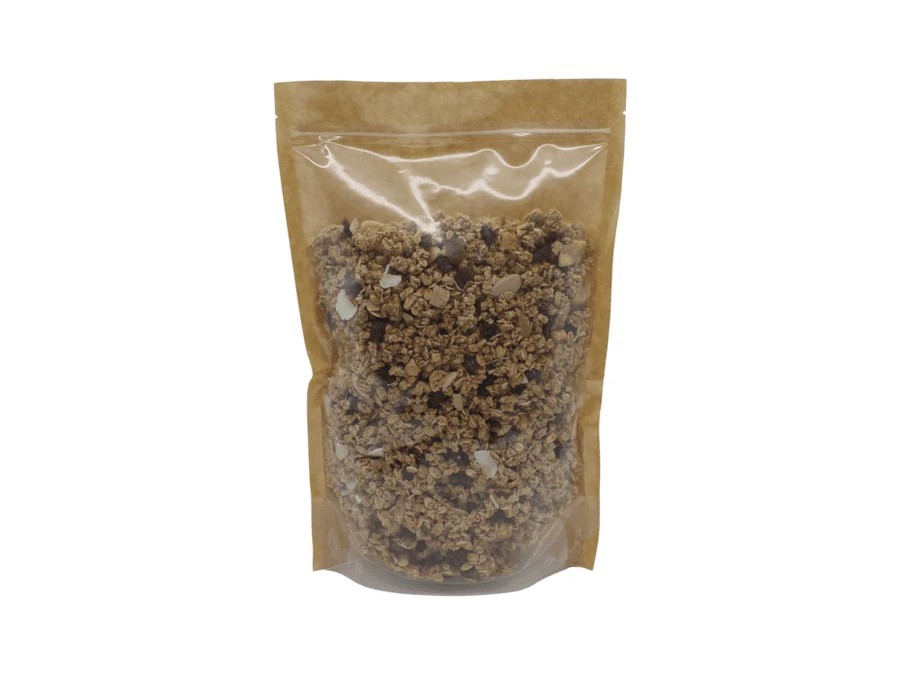
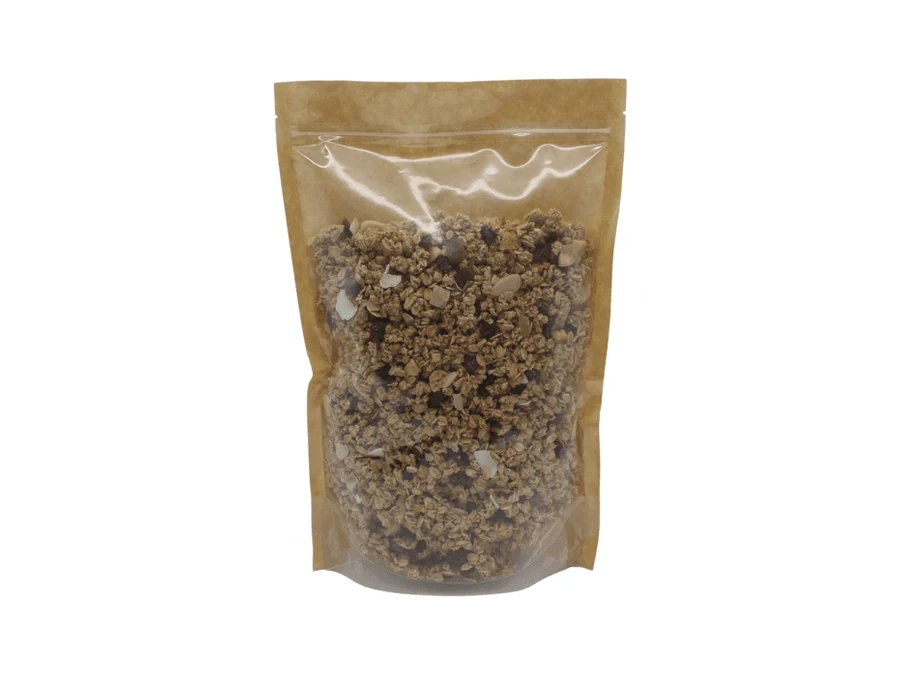
1kg Clear/Brown Kraft Stand Up Pouch with Zip
Capacity: 1 kg based on coffee beans · Size: 235 x 335 x 120 mm
Contact for priceView product
Browse stand-up, kraft, foil, clear and specialist pouch packaging for food, retail and refill applications. Every item is contact for price. 64 products are listed in this range. Compare formats, sizes, zips and valves in our pouch packaging guides.
Capacity: 1 kg based on coffee beans · Size: 235 x 335 x 120 mm
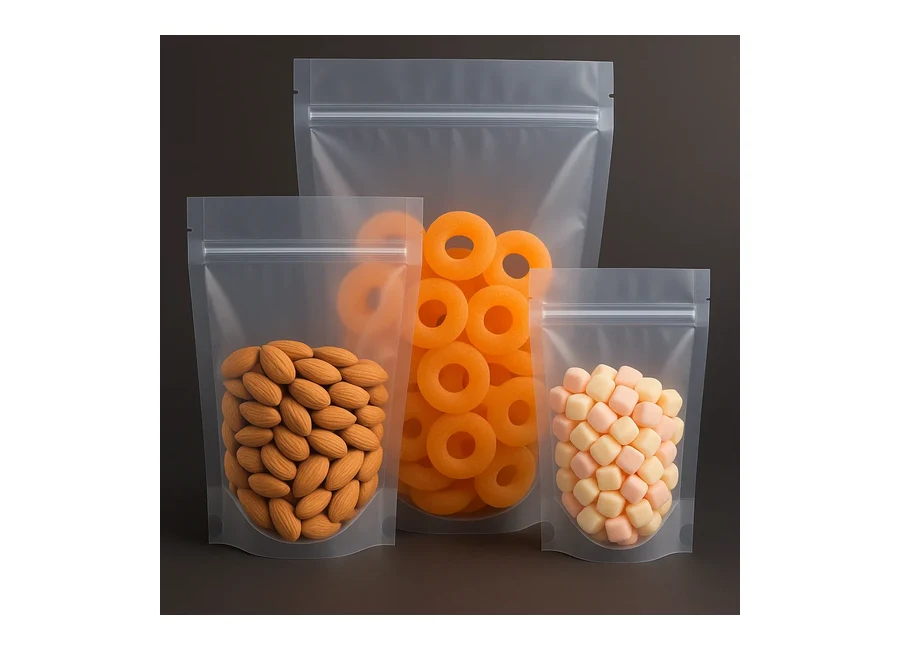
Volume: Approx. 1,000 ml · External size: 180 x 290 mm + 90 mm base gusset
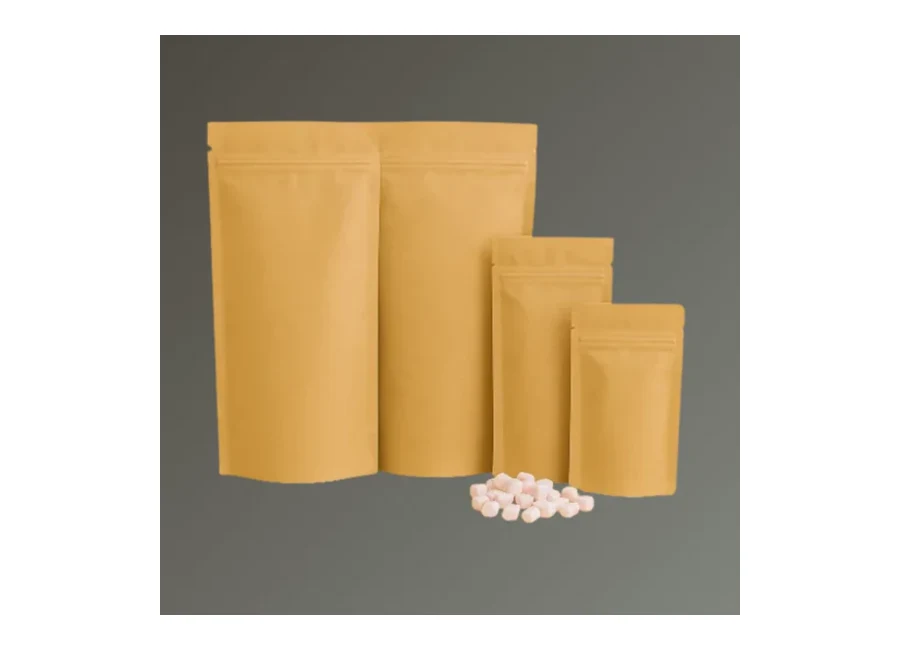
Format: Brown kraft stand-up / box pouch · Features: Quad-sealed box-shaped pouch; options with or without one-way degassing valve
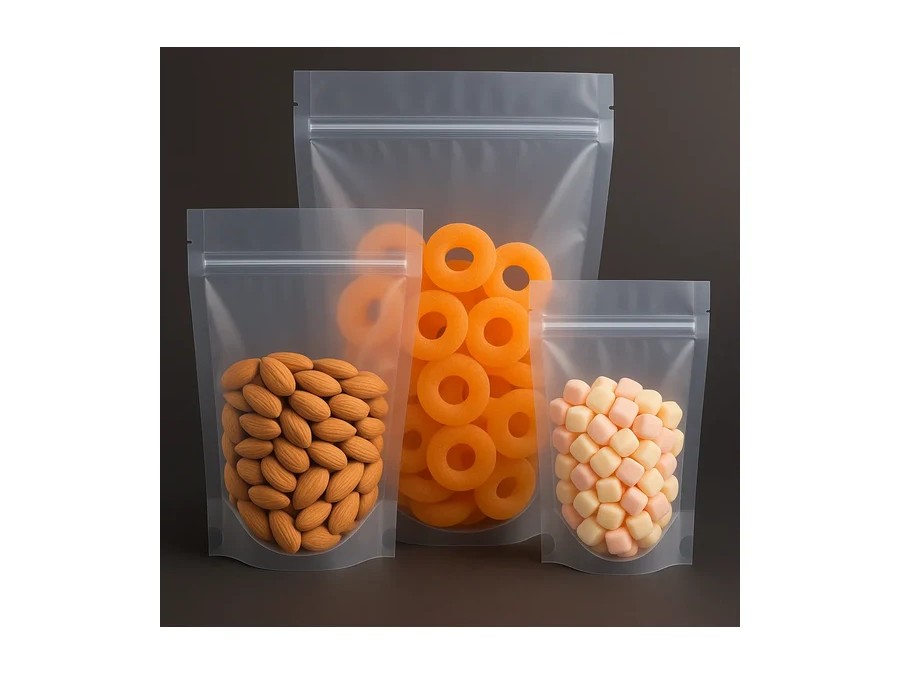
180 x 290mm + 90mm gusset; 1000ml; 98 micron · Material: Clear recyclable laminate
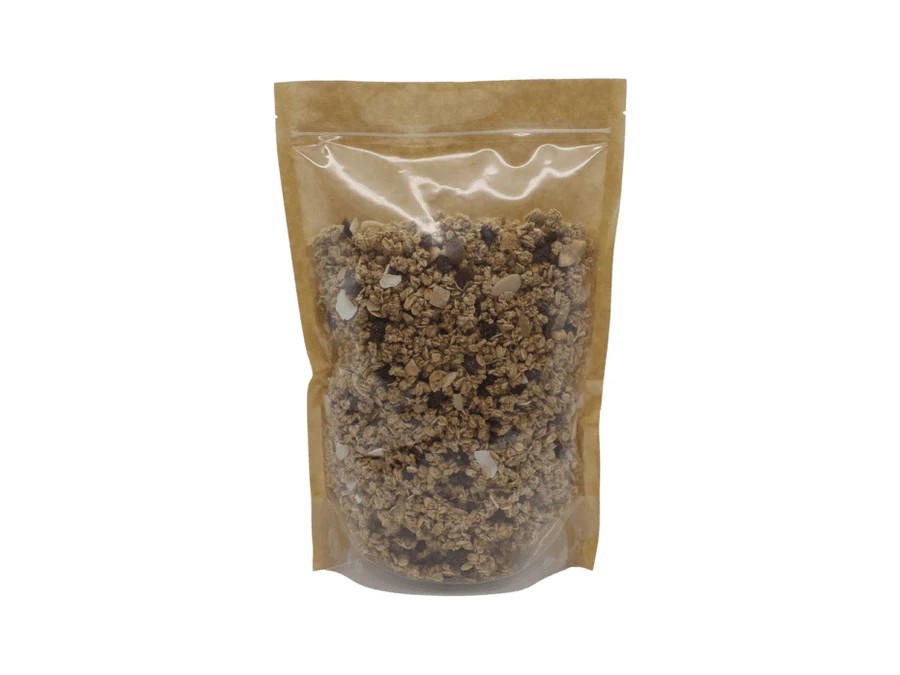
160 x 270 x 90mm bottom gusset · Material: White kraft laminate + window
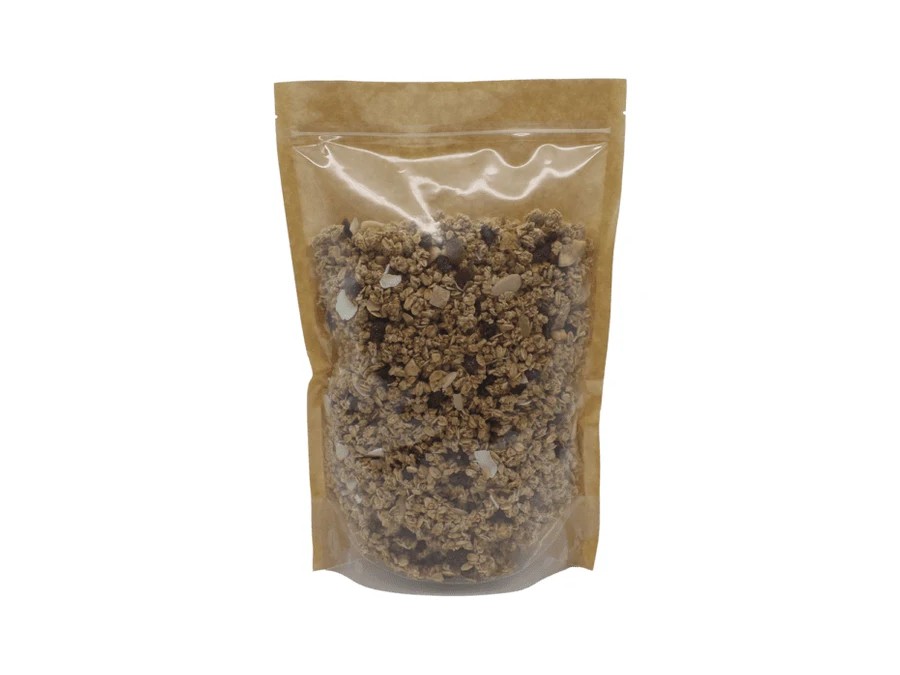
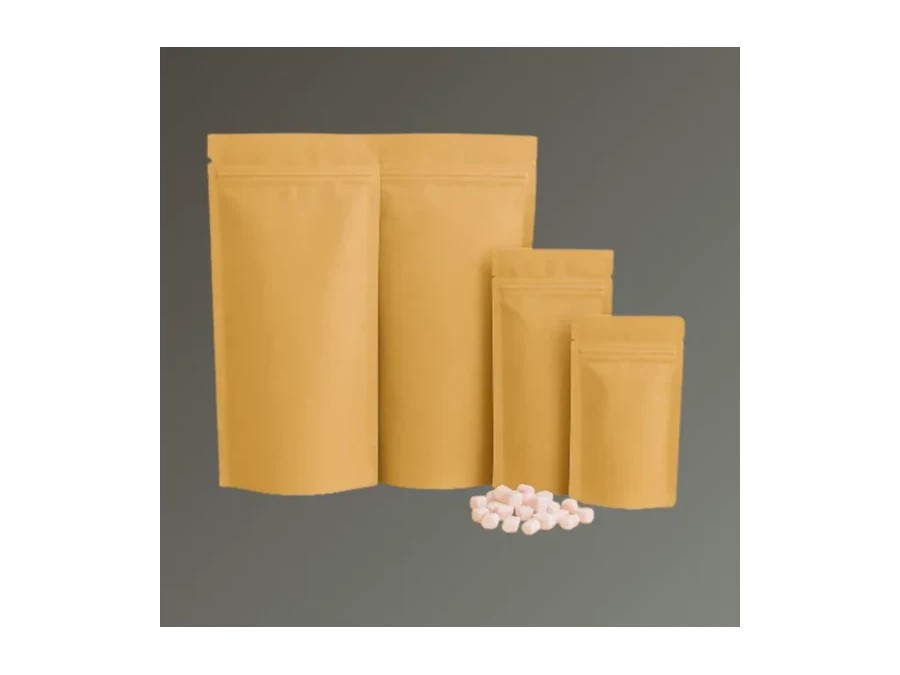
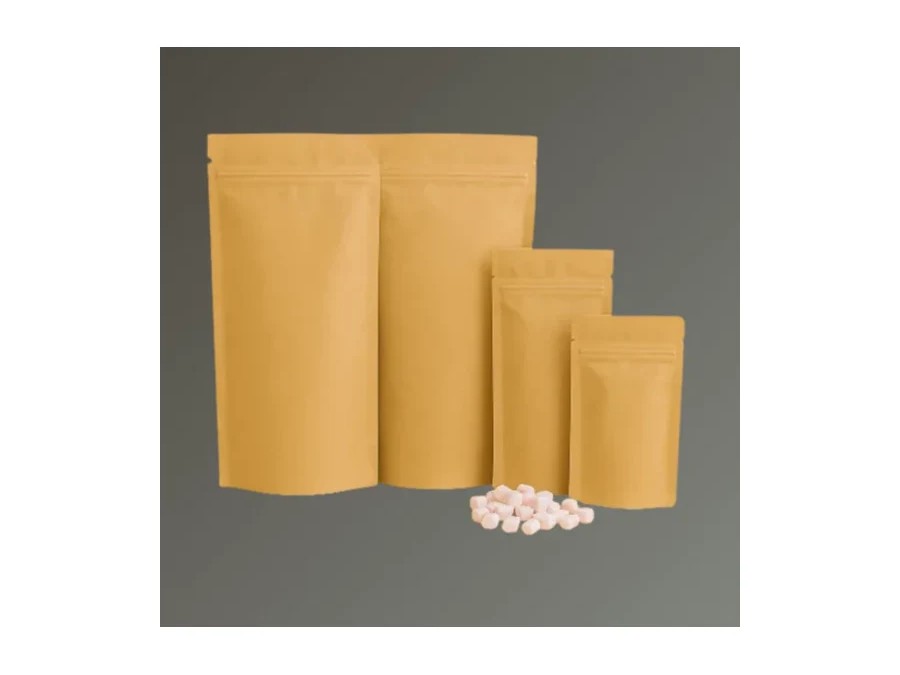
multiple sizes; circular window · Material: Brown kraft laminate + window
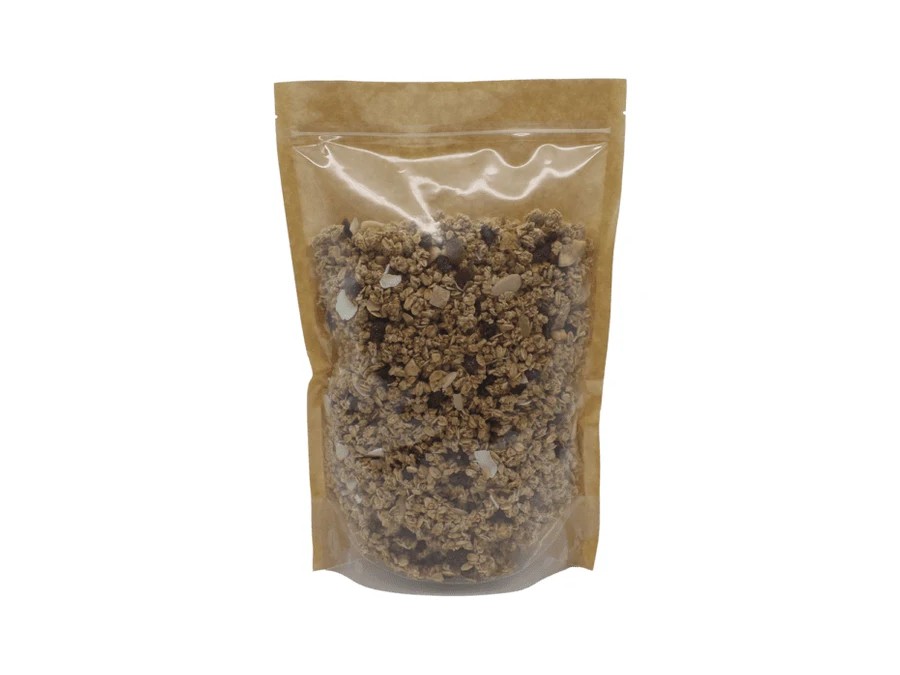
5 sizes; order from 100 pieces · Material: Multi-material kraft-look laminate
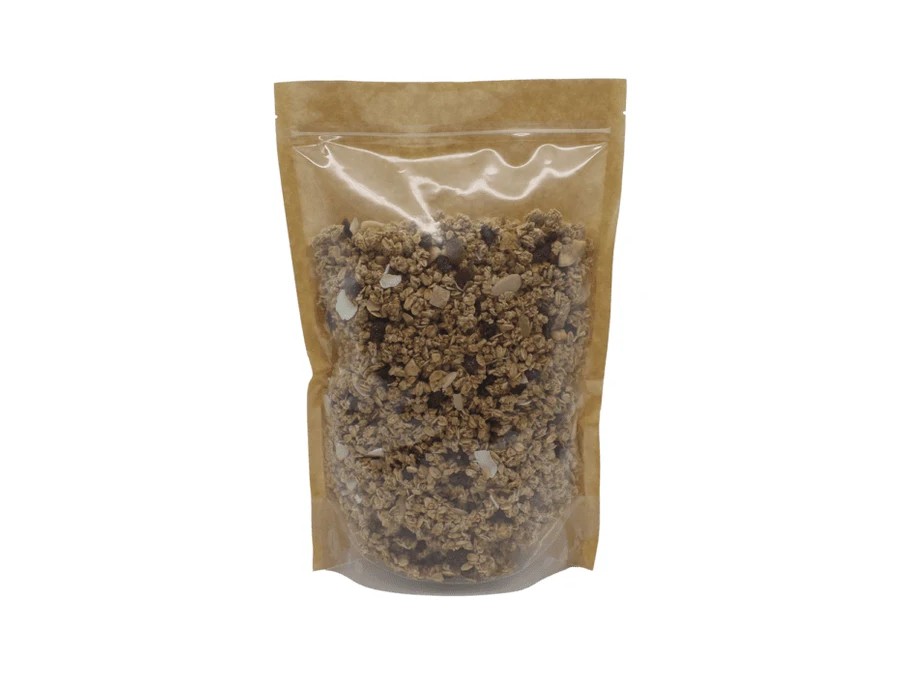
11 sizes, brown kraft, high protection · Material: Brown kraft multi-layer laminate
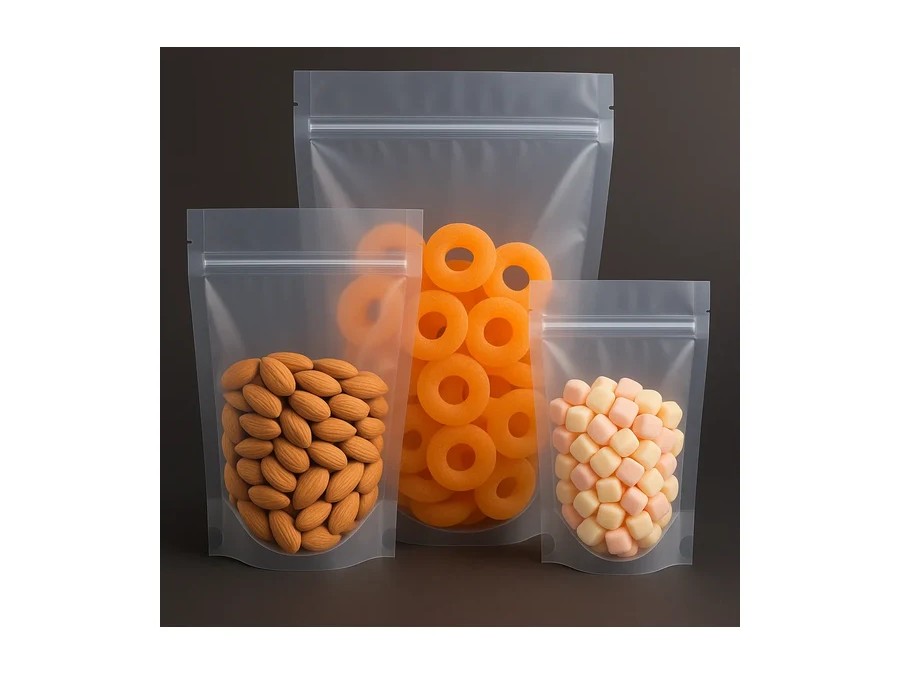
70g; 110 x 170 x 70mm; 100 pcs · Material: Clear/brown kraft laminate
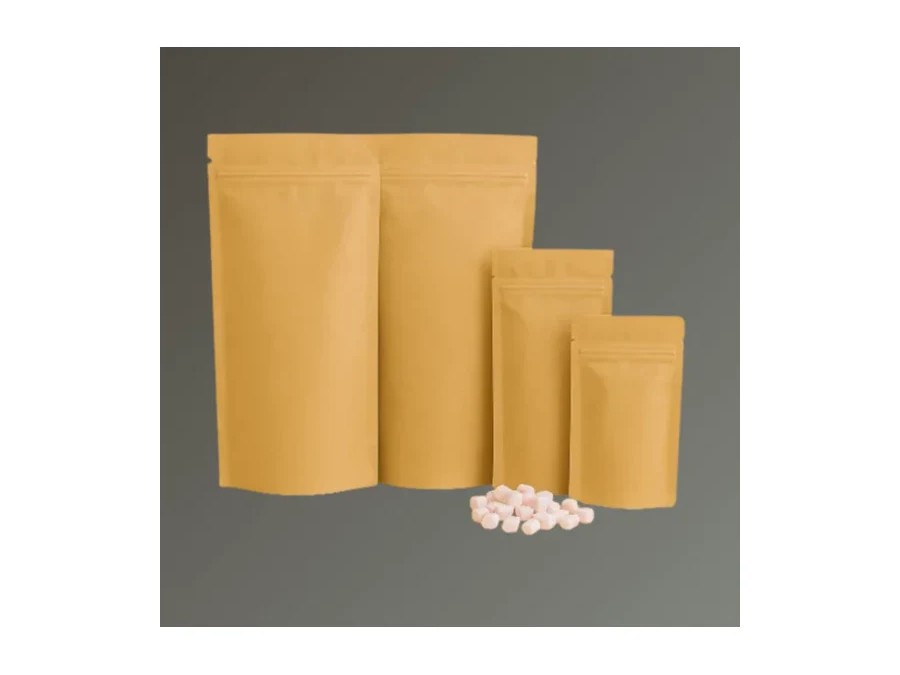
1kg; 100 pcs · Material: Holographic plastic laminate
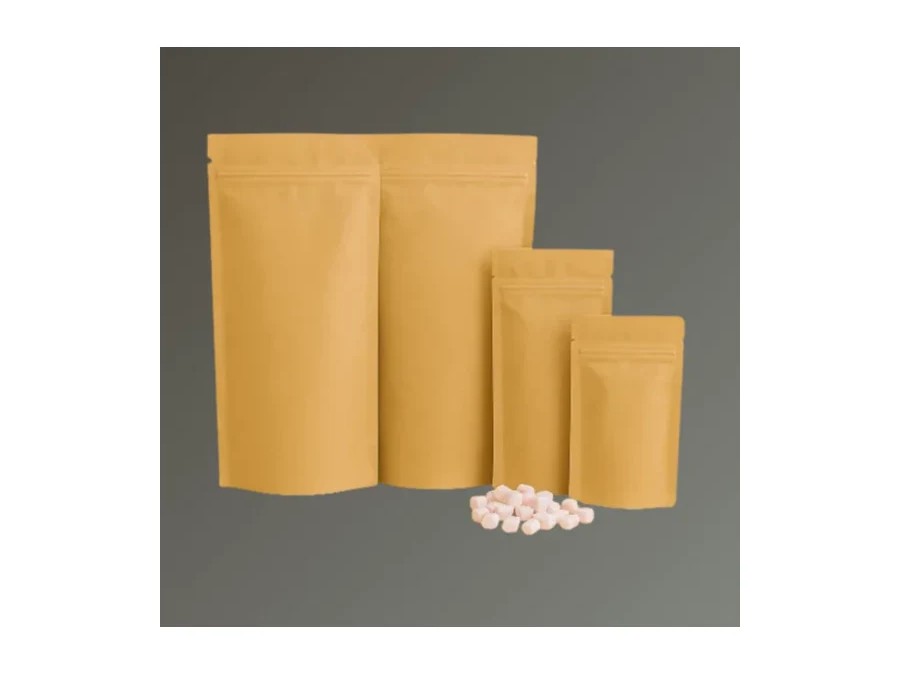
70g; 110 x 170 x 70mm; 100 pcs · Material: Silver matt plastic laminate
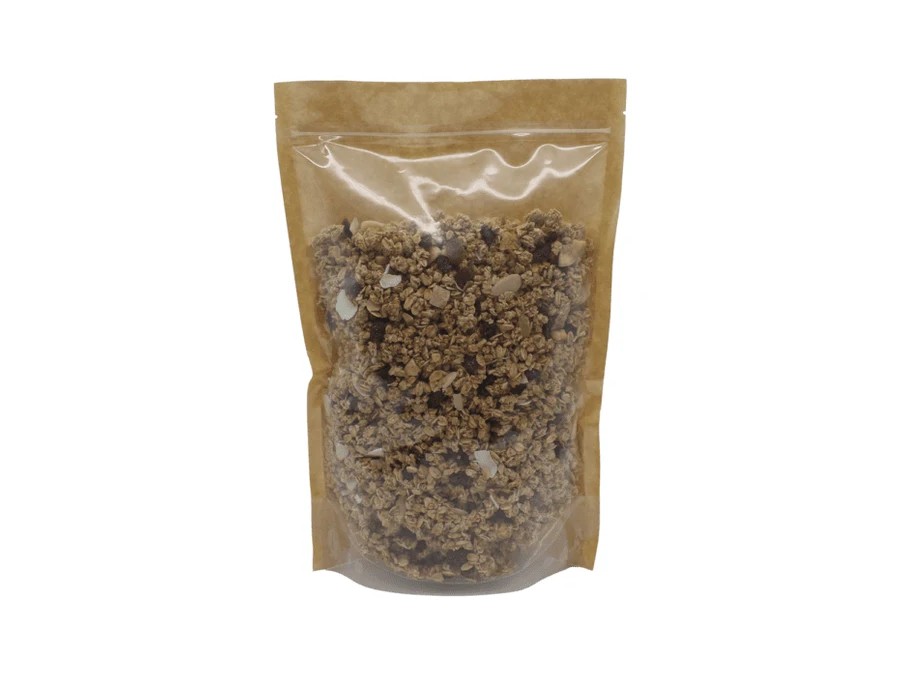
1kg; valve; 100 pcs · Material: White matt plastic laminate
70g; window; 100 pcs · Material: Silver matt laminate + window
50g; 90 x 140 x 50mm; 100 pcs · Material: Holographic plastic laminate
50g; 100 pcs · Material: Clear/brown kraft laminate
100g, clear front/brown back, resealable · Material: Clear/brown kraft laminate
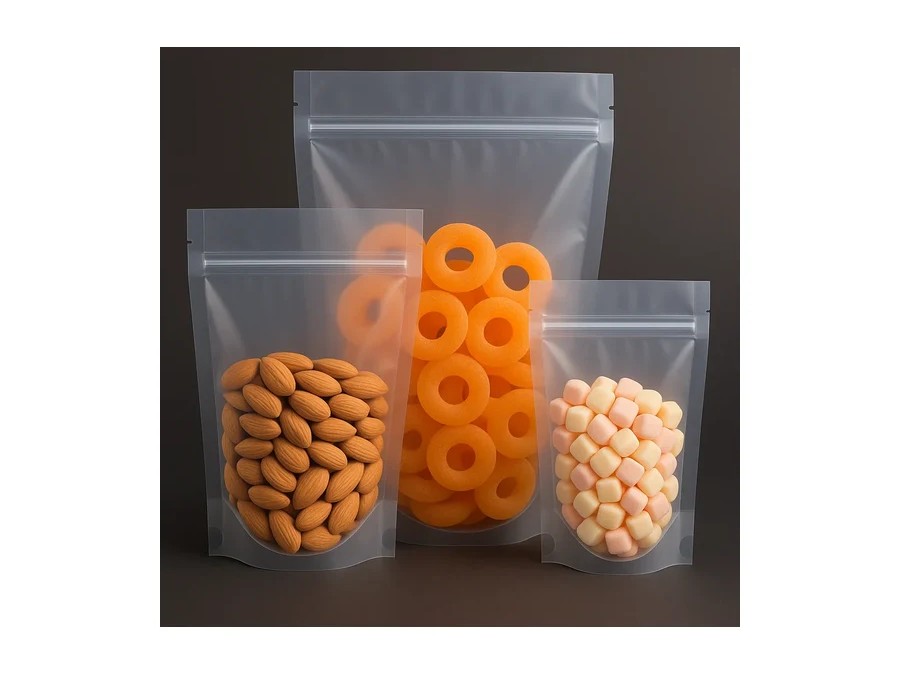
250g, clear front/brown back, zipper · Material: Clear/brown kraft laminate
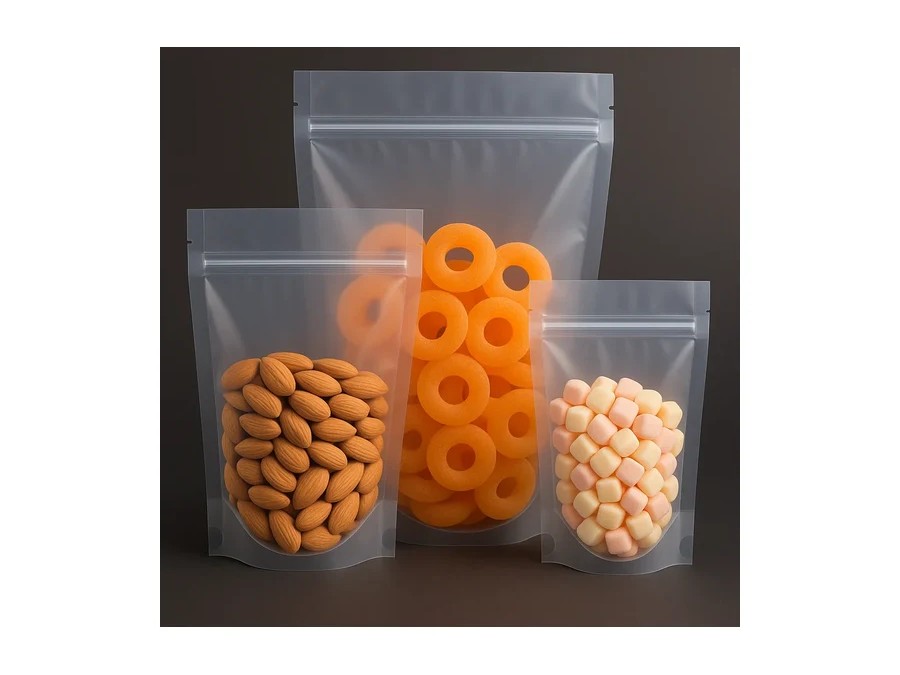
500g, clear front/brown back, zipper · Material: Clear/brown kraft laminate
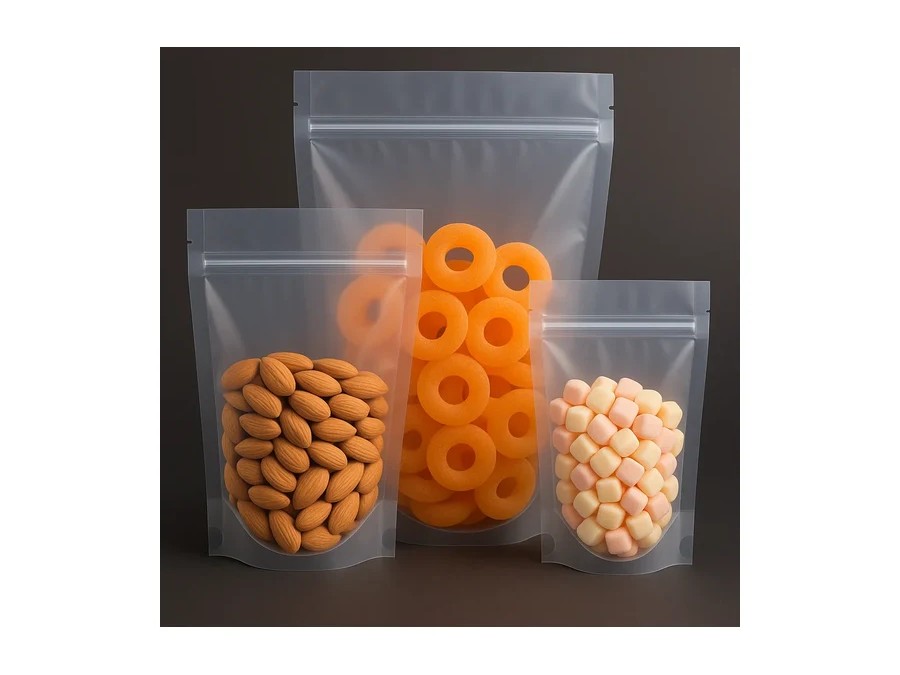
750g, zipper and tear notches · Material: Clear/brown kraft laminate
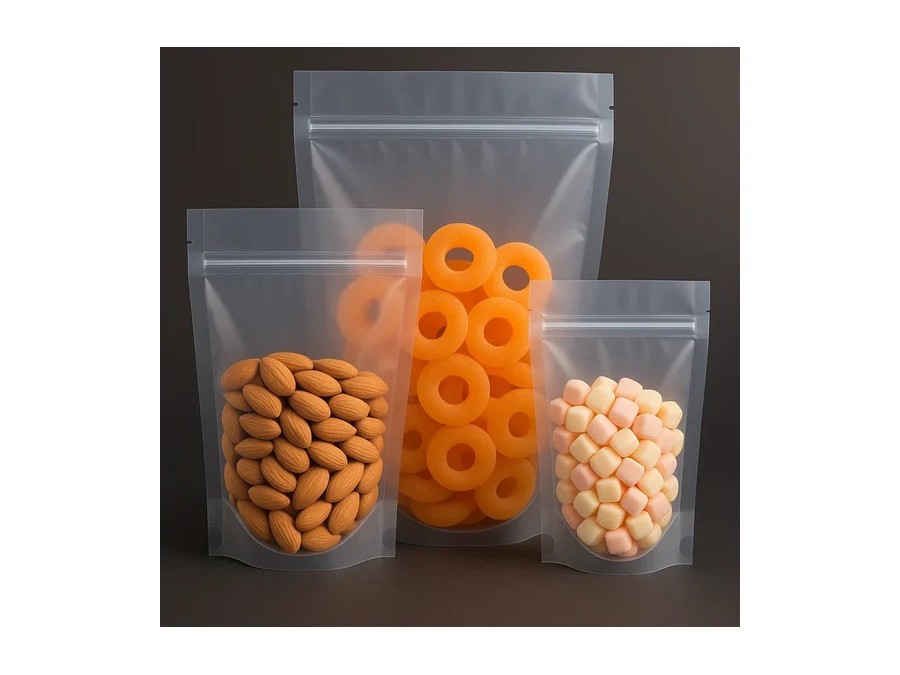
1kg, resealable zipper · Material: Clear/brown kraft laminate
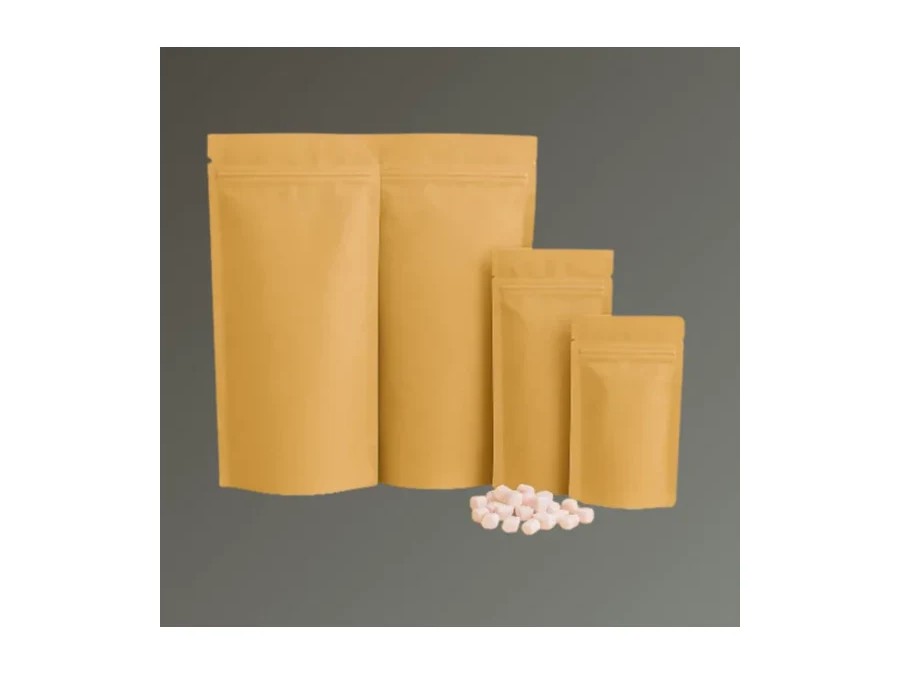
100g, silver matt, no window · Material: Silver matt laminate
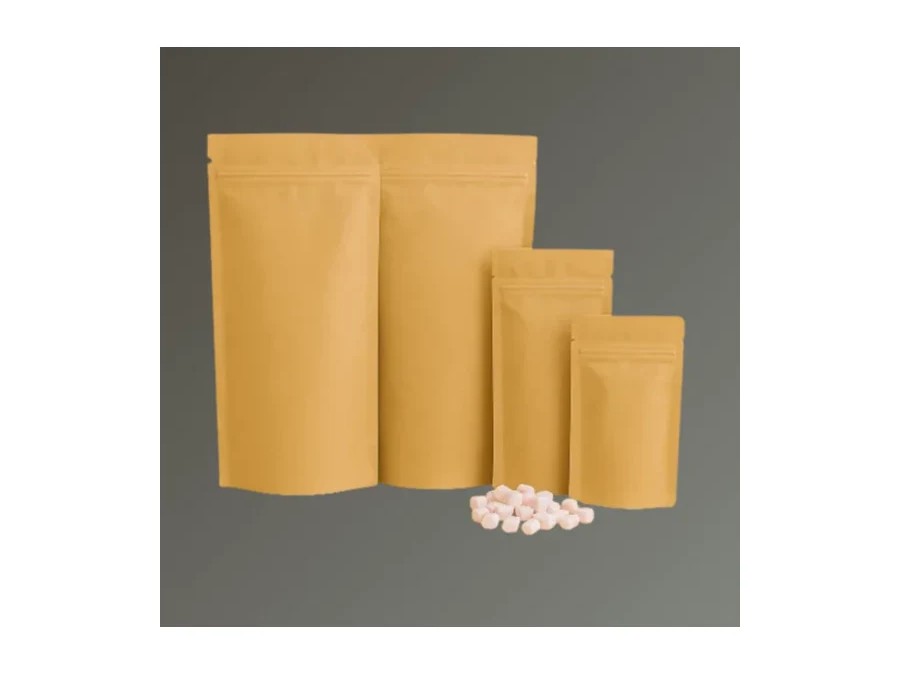
250g, silver matt, no window · Material: Silver matt laminate
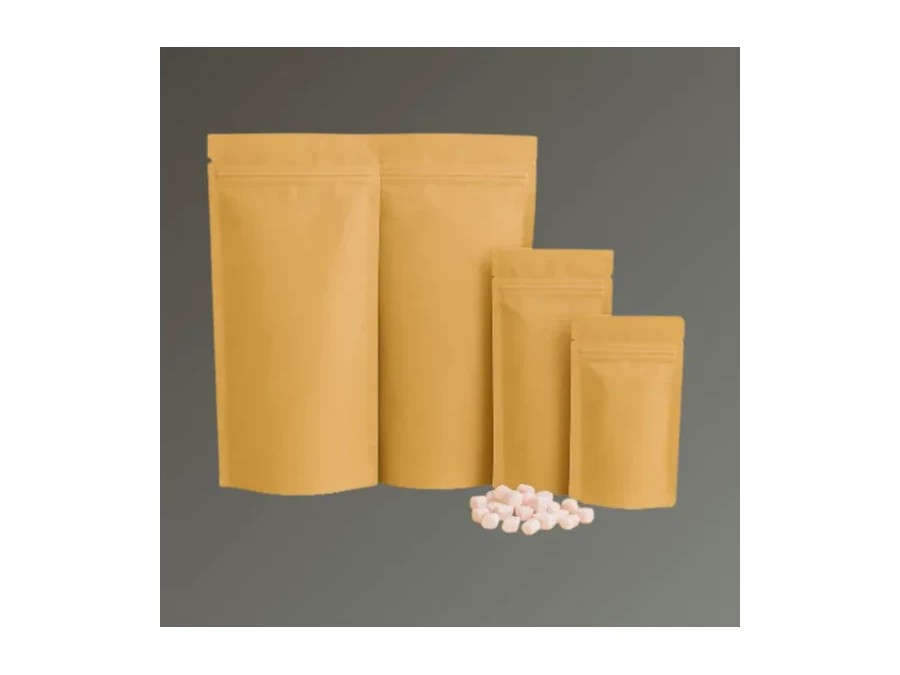
500g, silver matt, no window · Material: Silver matt laminate
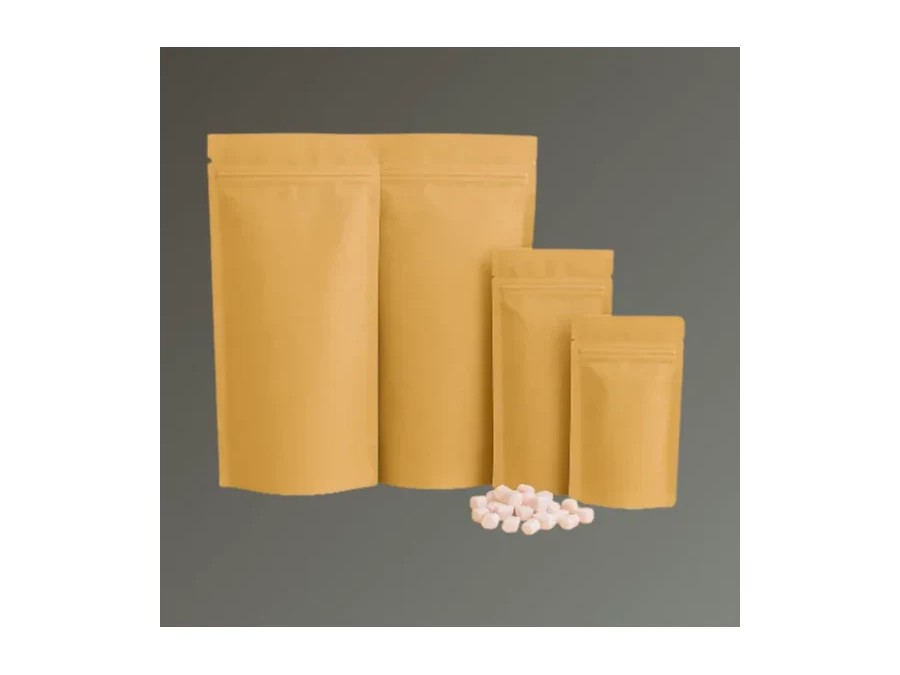
1kg, silver matt, no window · Material: Silver matt laminate
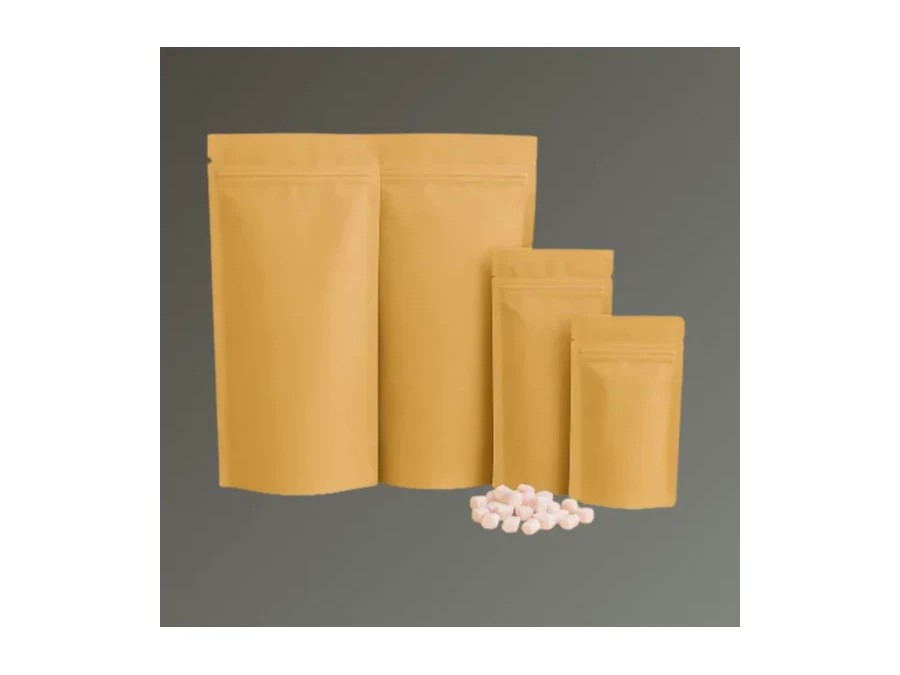
250g, one-way valve, zipper · Material: Black matt laminate
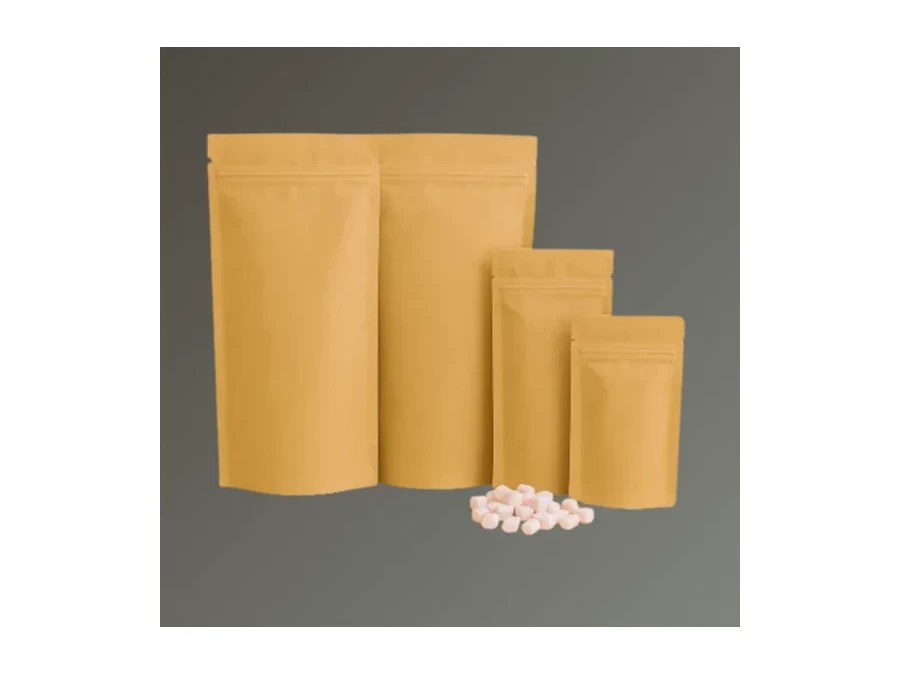
500g, one-way valve, zipper · Material: Black matt laminate
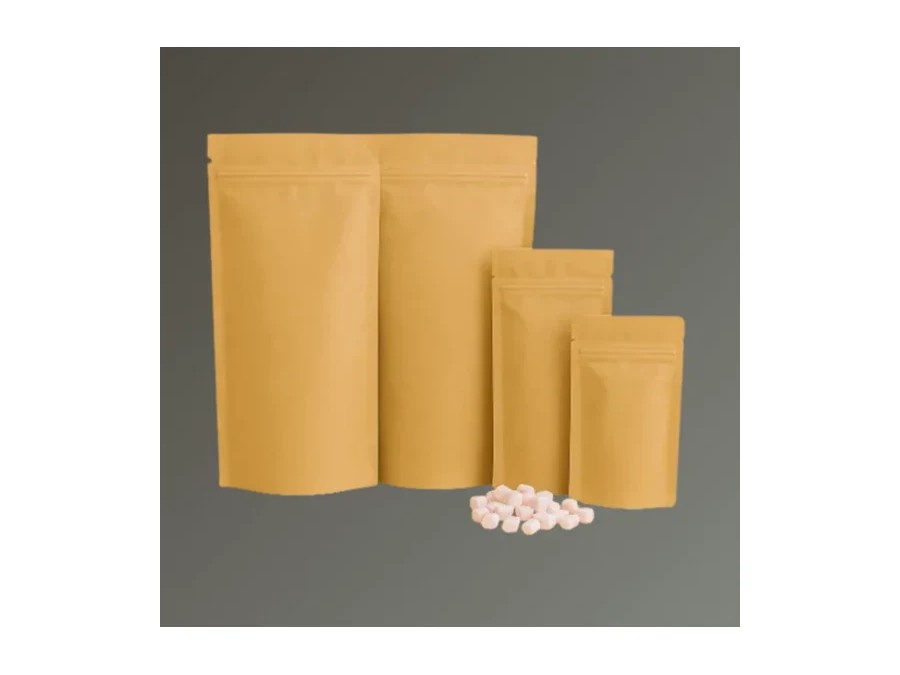
1kg, one-way valve, zipper · Material: Black matt laminate
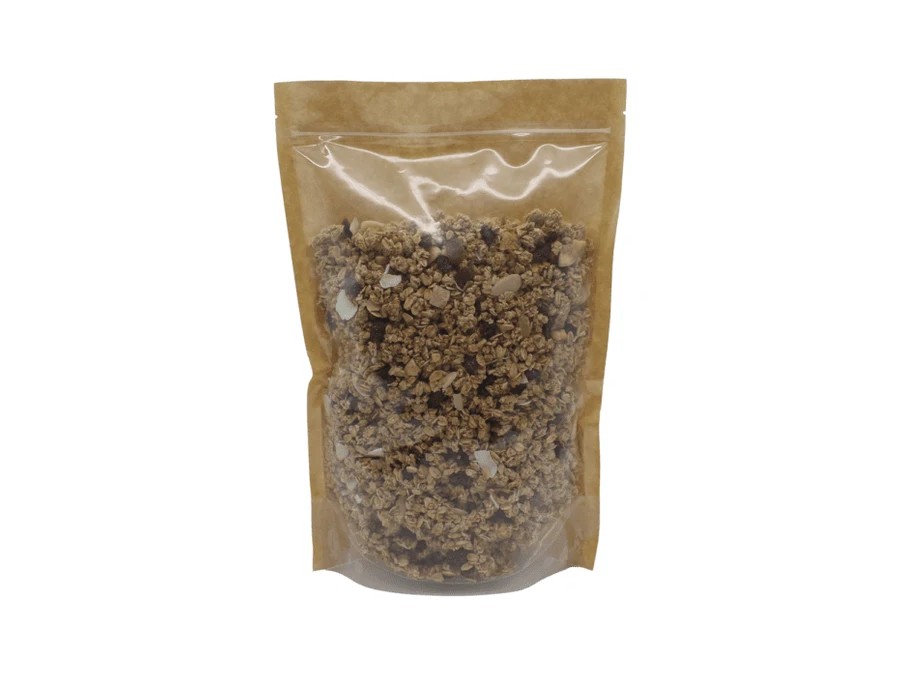
multiple sizes, oval window · Material: Brown kraft laminate + window
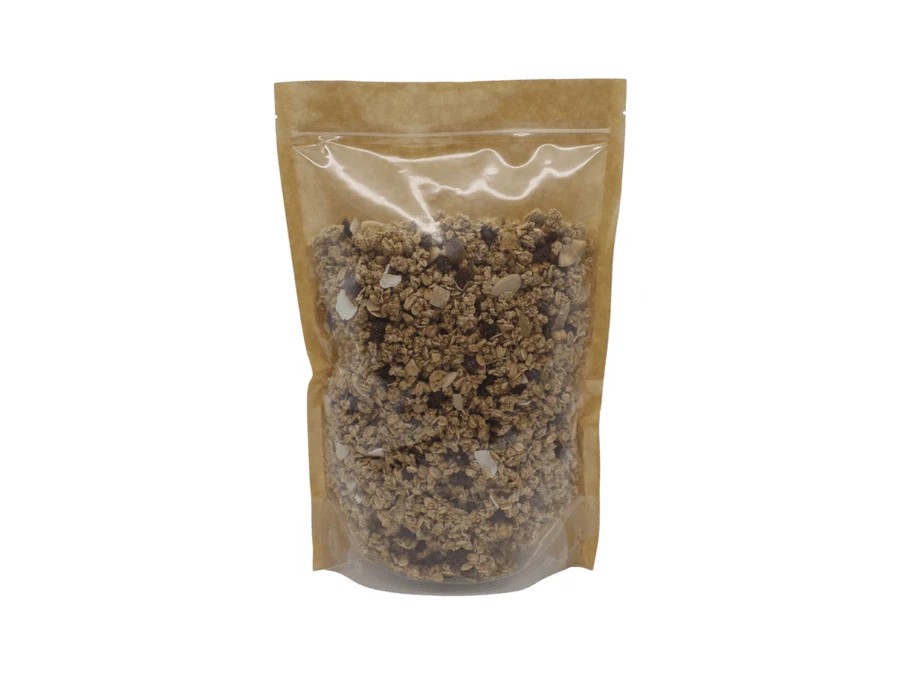
multiple sizes, resealable zip · Material: Black kraft laminate + window
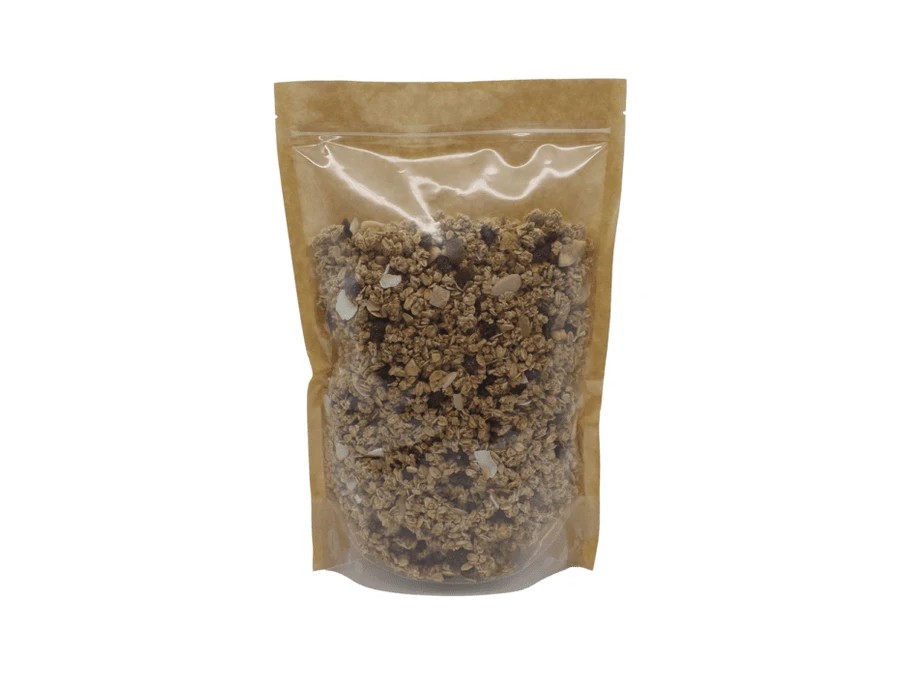
multiple sizes, no window, zipper · Material: White kraft laminate
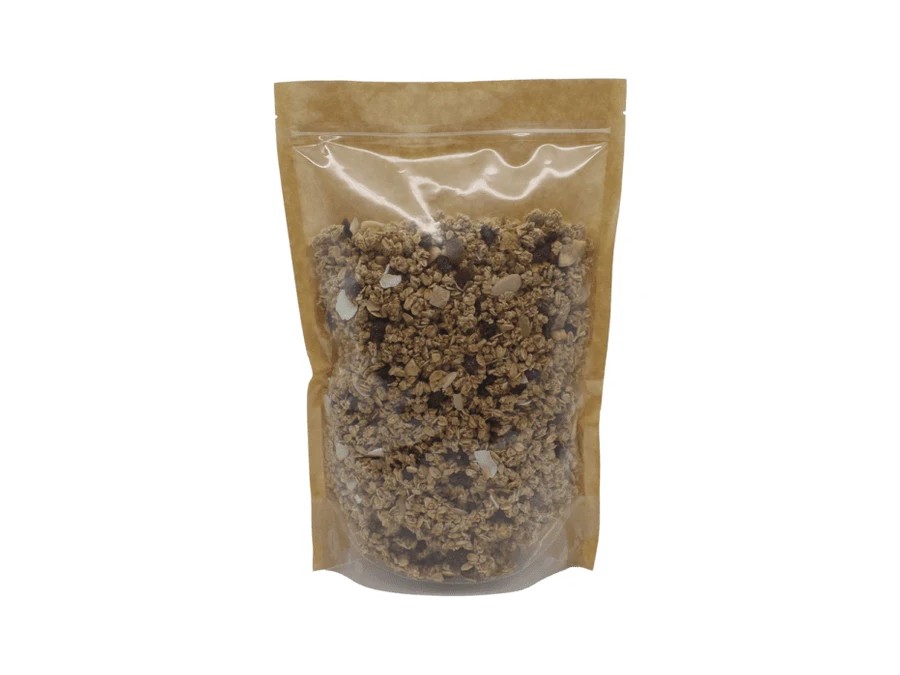
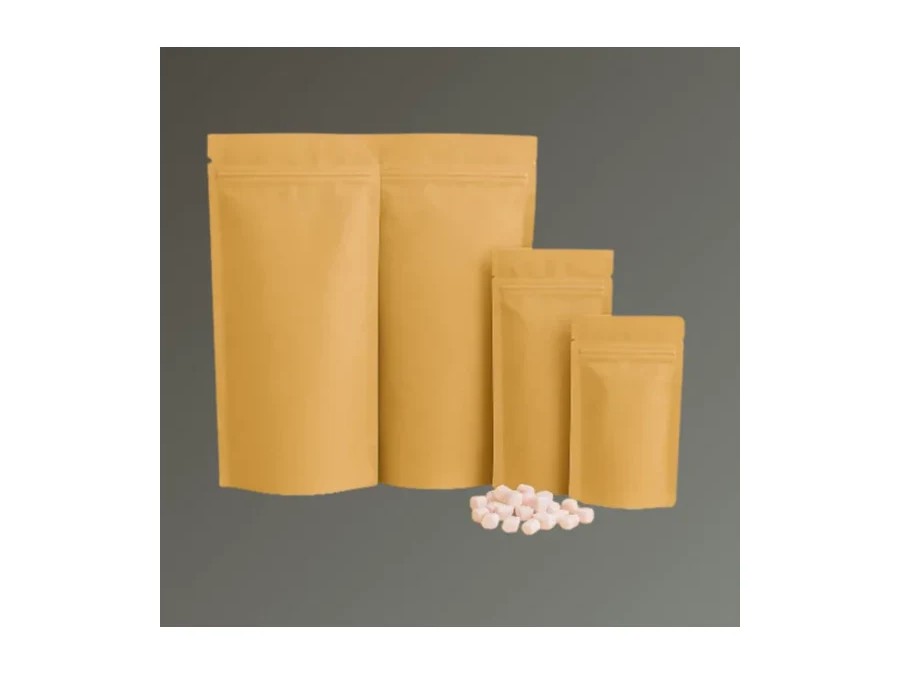
multiple sizes, no window, zipper · Material: Brown kraft laminate
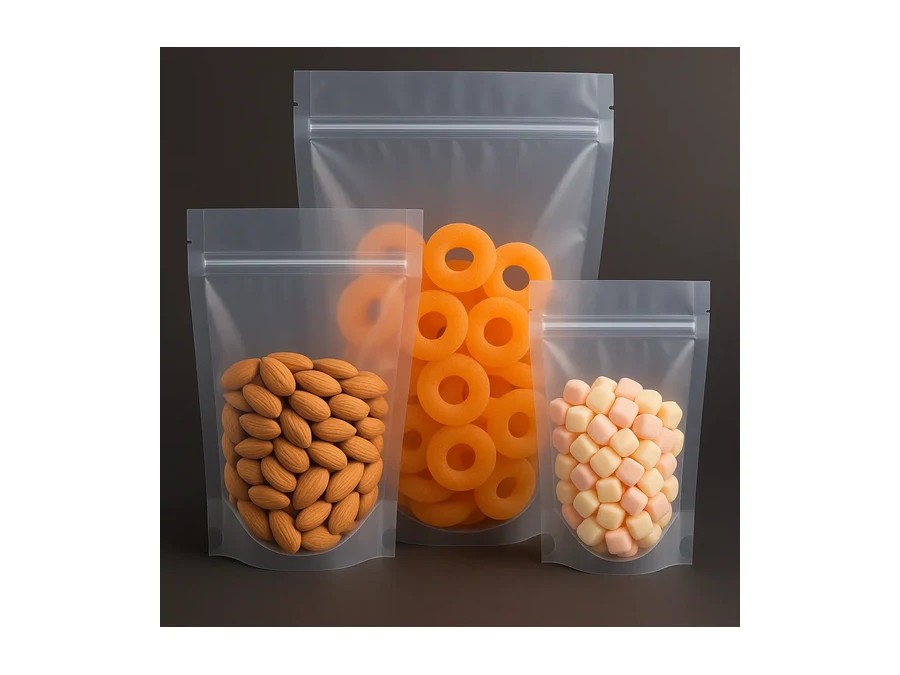
multiple sizes, resealable · Material: Clear + silver laminate
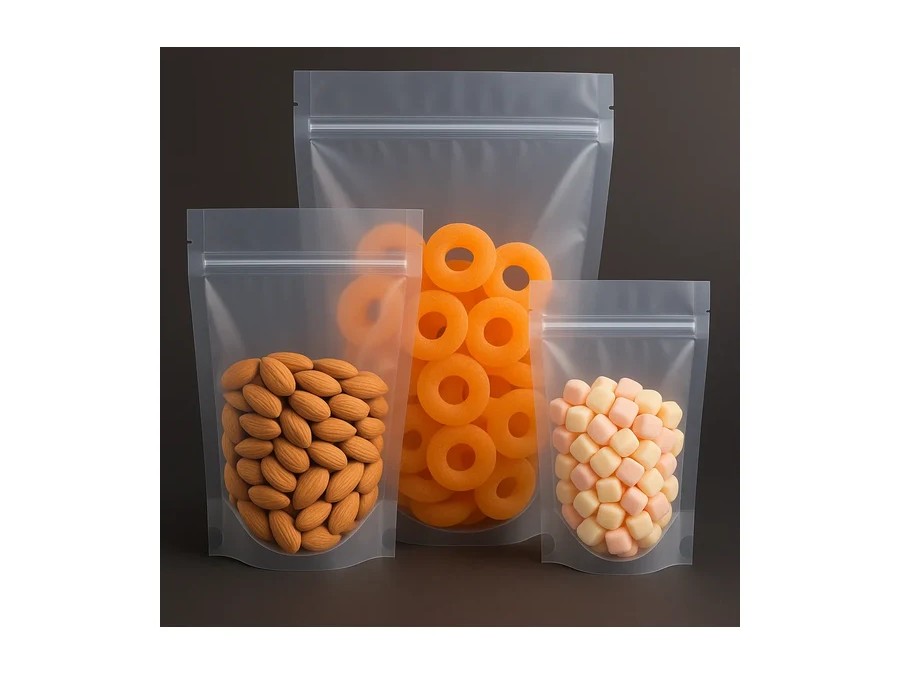
multiple sizes, resealable · Material: Clear + gold laminate
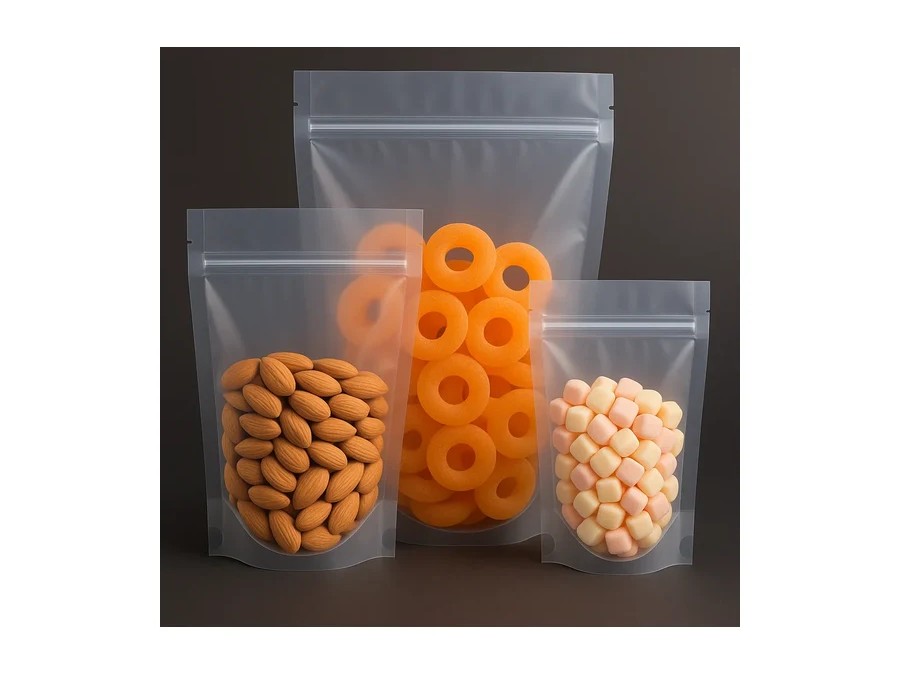
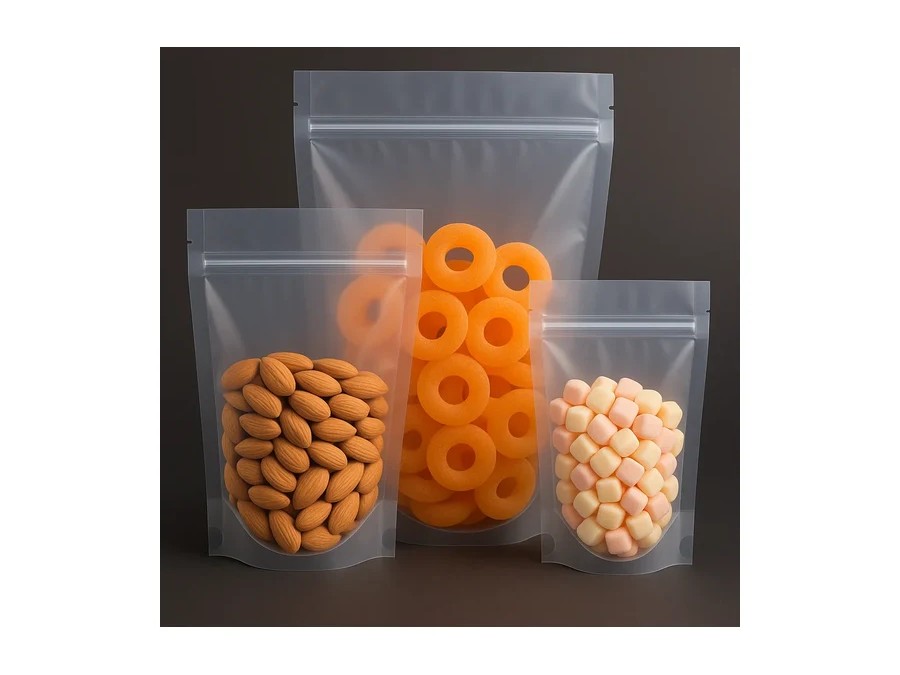
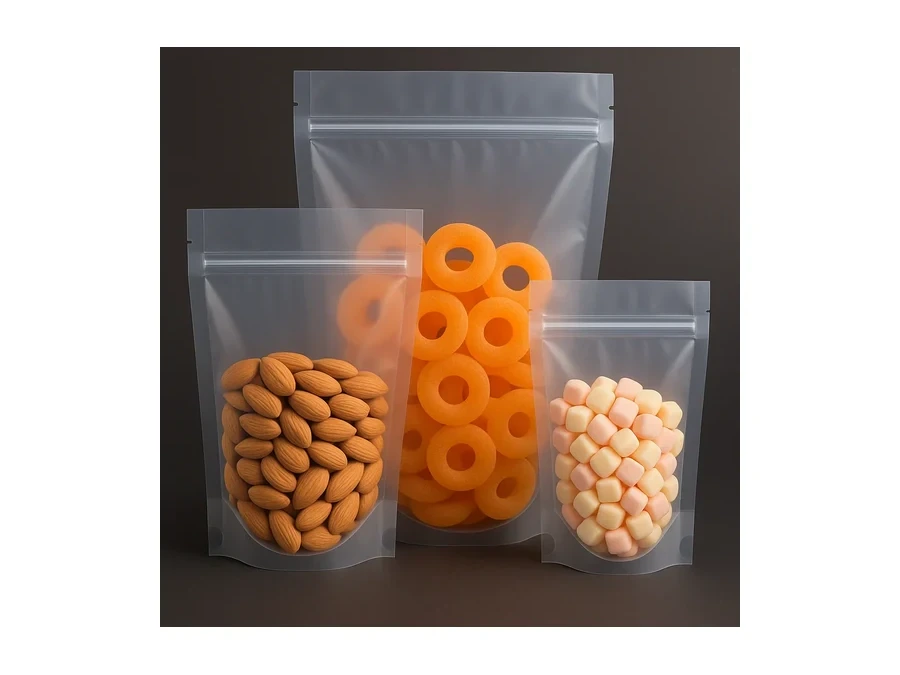
8 sizes; clear; order from 100 · Material: Clear recyclable laminate
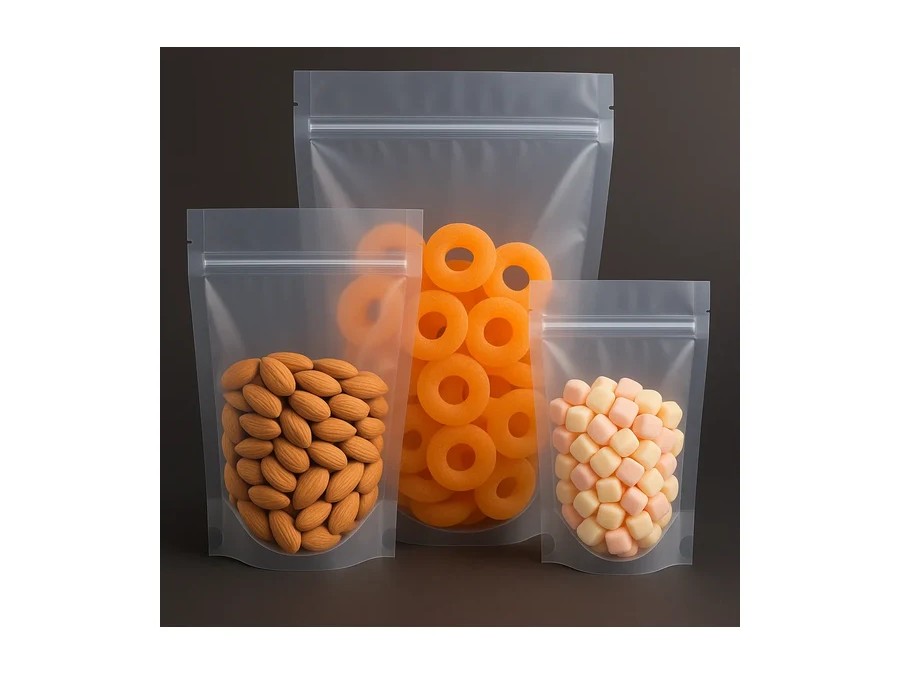
7 sizes, clear front/shiny black back · Material: Clear/shiny black laminate
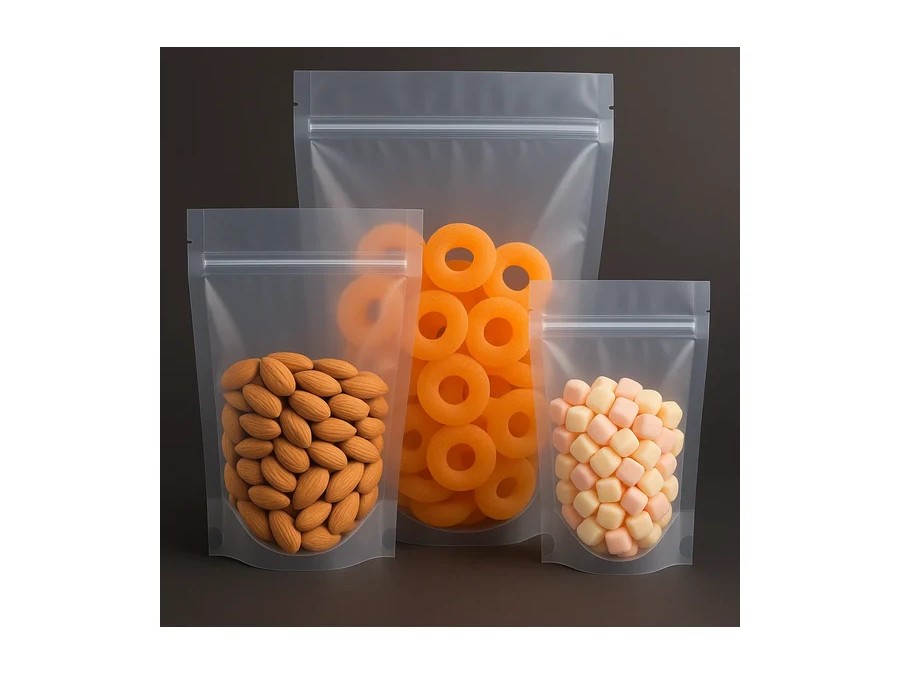
6 sizes, clear front/shiny silver back · Material: Clear/shiny silver laminate
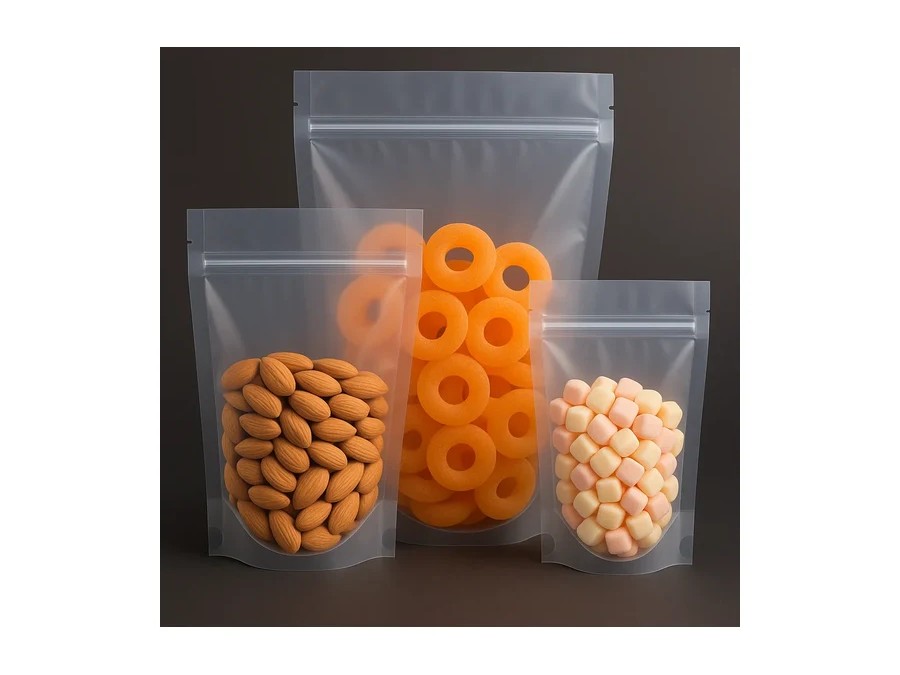
7 sizes, clear front/matt silver back · Material: Clear/matt silver laminate
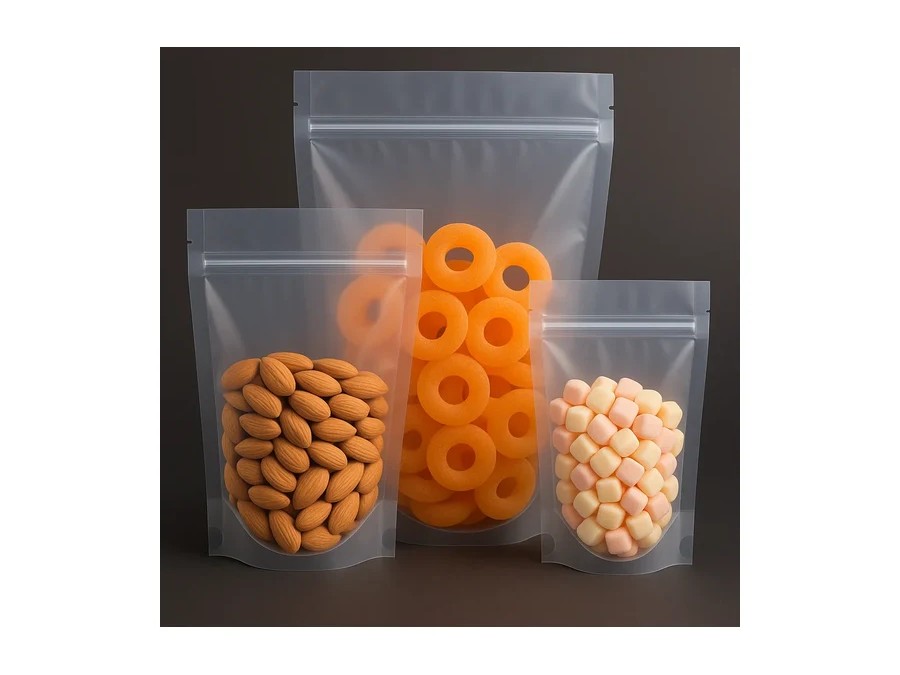
2 sizes, matt clear/matt silver · Material: Matt clear/matt silver laminate
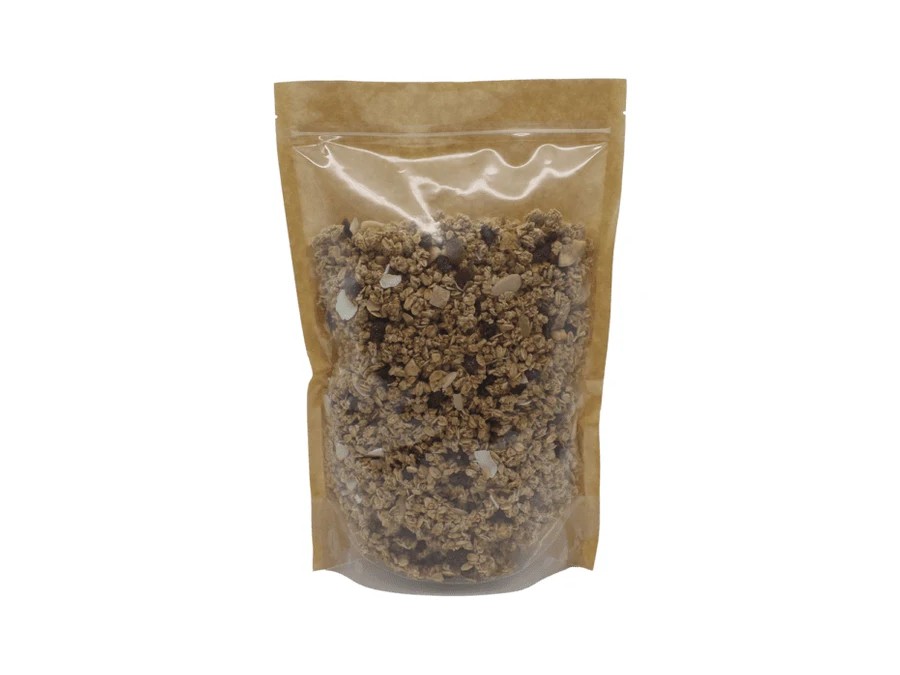
2 sizes, brown kraft, oval window · Material: Brown kraft laminate + window
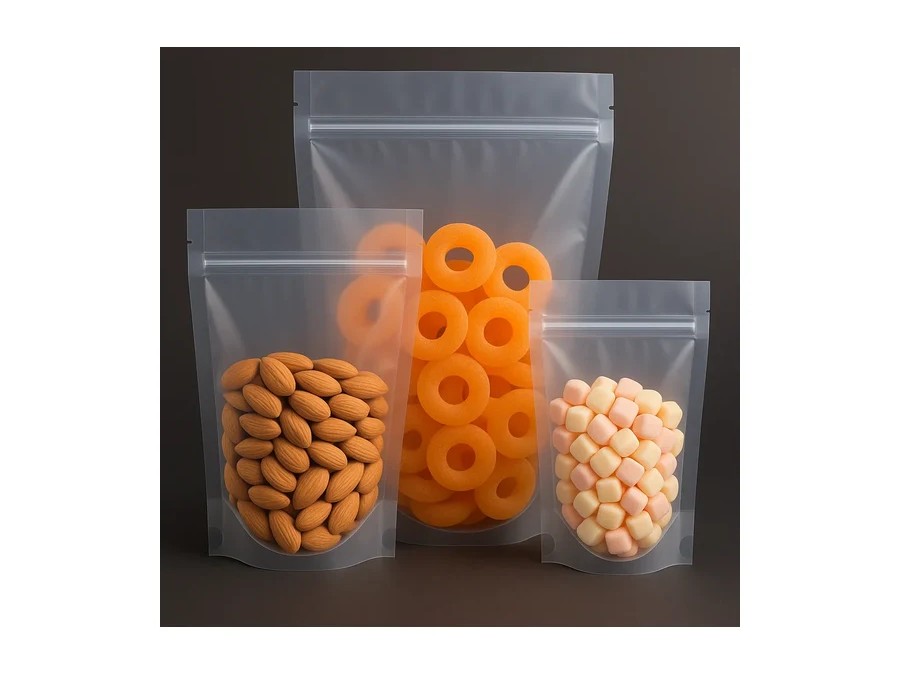
approx 250ml, grip seal zipper · Material: Clear recyclable laminate
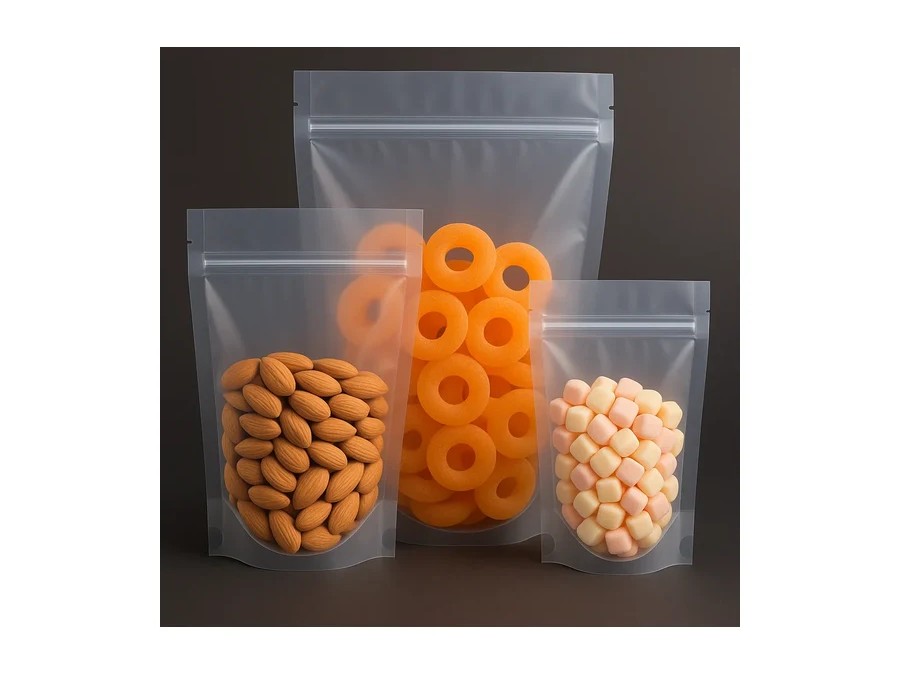
approx 500ml, grip seal zipper · Material: Clear recyclable laminate
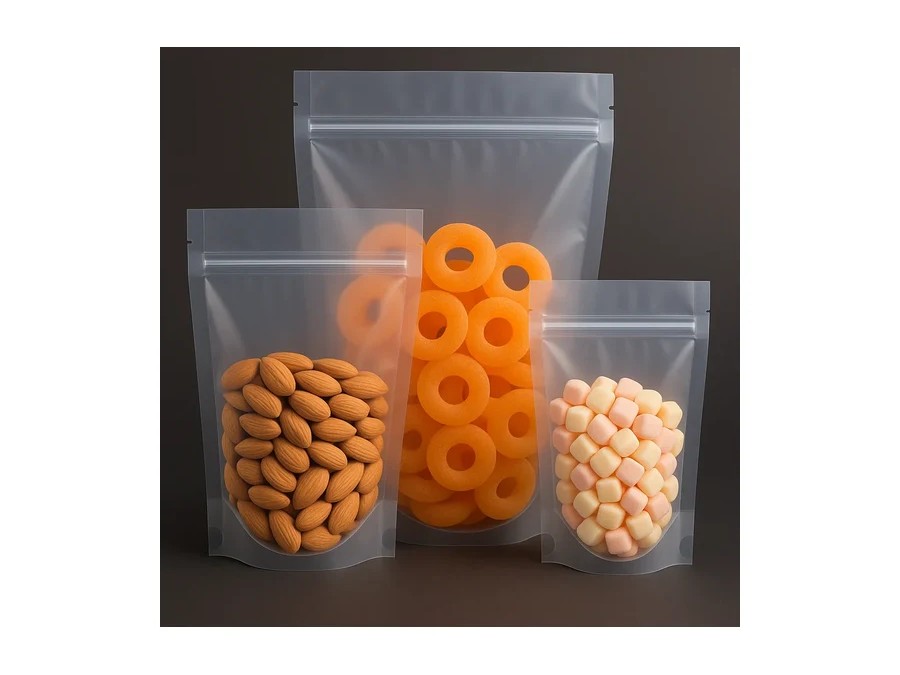
approx 750ml, grip seal zipper · Material: Clear recyclable laminate
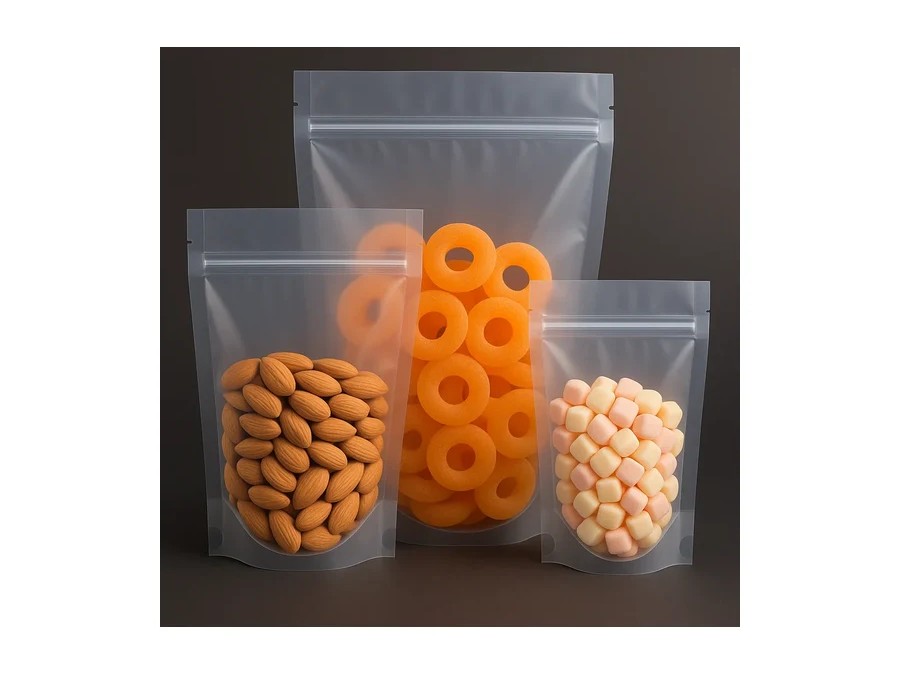
approx 1500ml, grip seal zipper · Material: Clear recyclable laminate
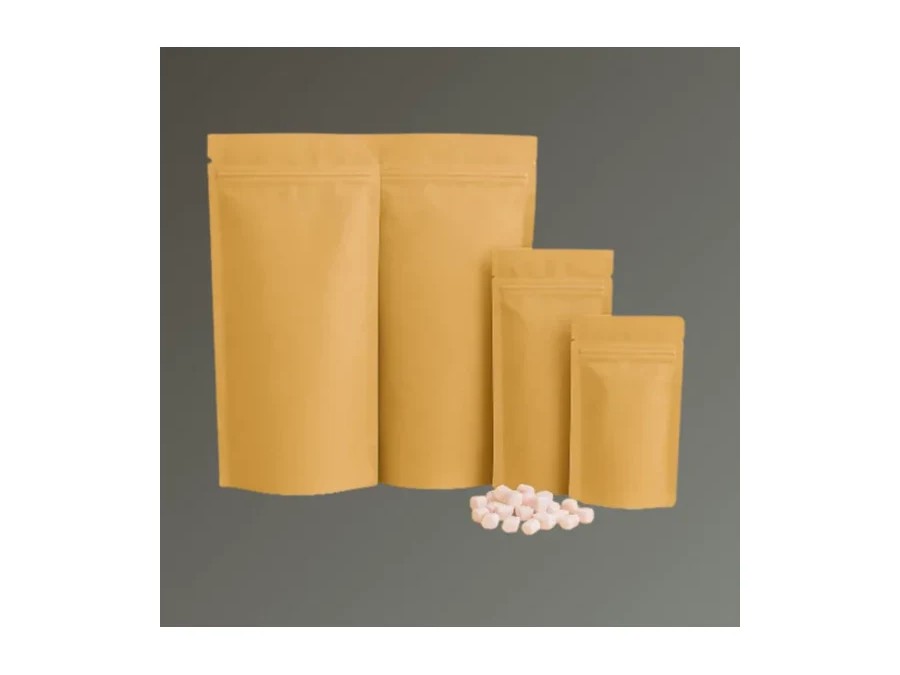
500ml, zipper, metallic barrier · Material: Silver foil laminate
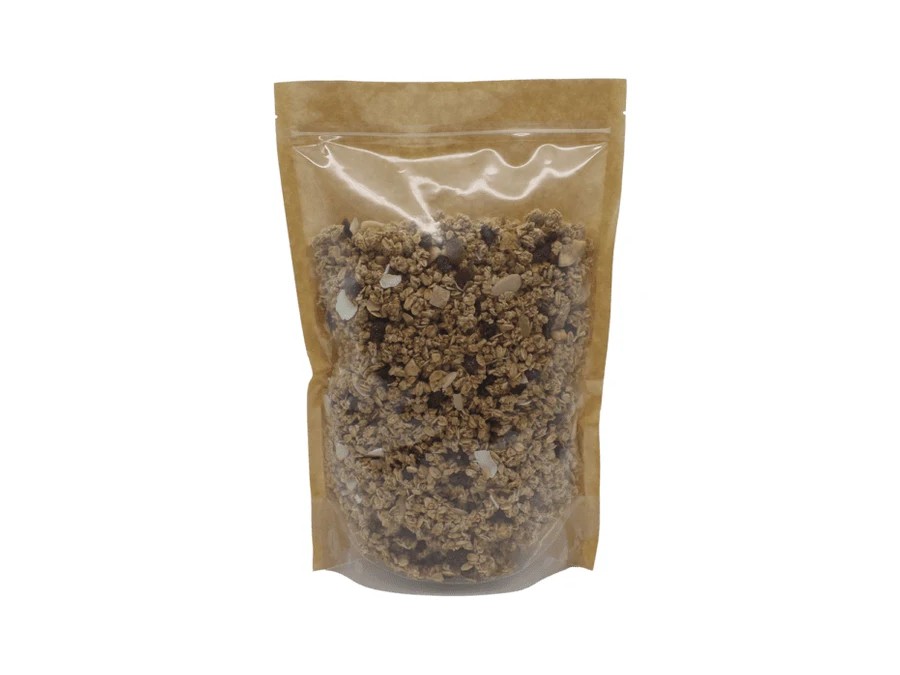
250g, window, zip · Material: Kraft laminate + window
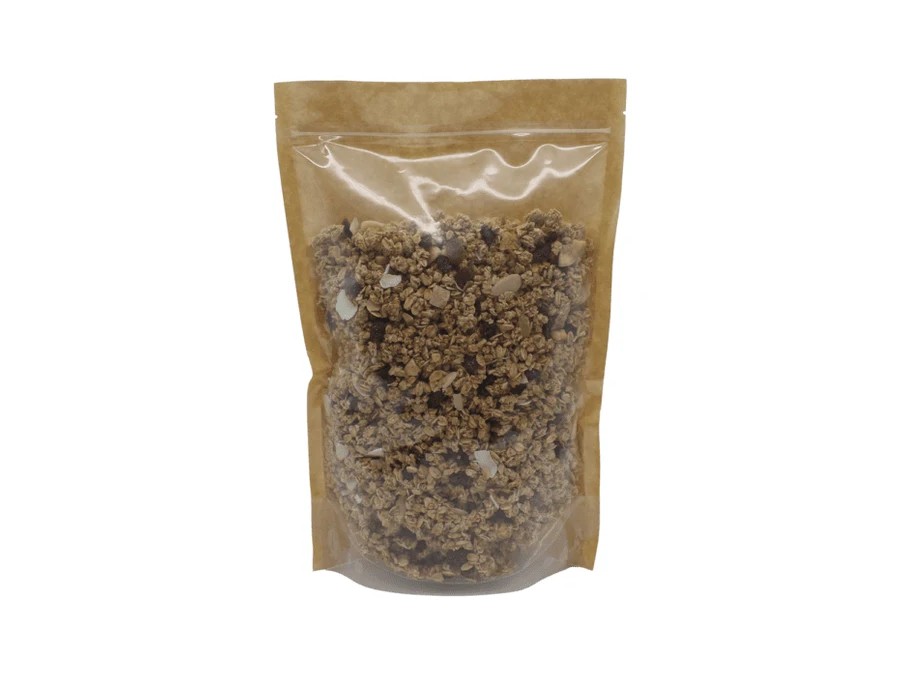
500g, window, zip · Material: Kraft laminate + window
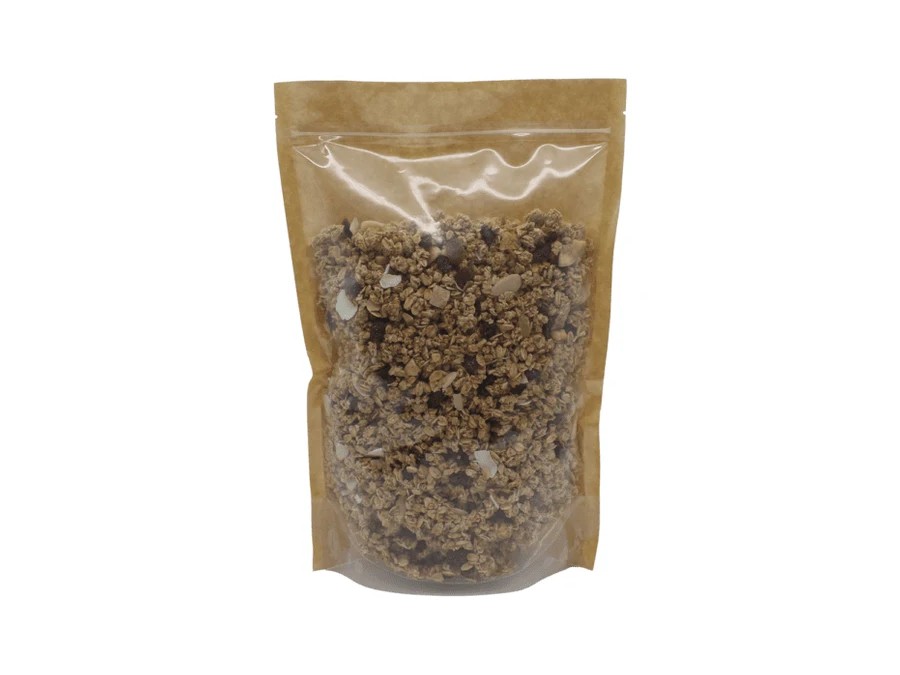
100g, zip seal, heat sealable · Material: Kraft laminate
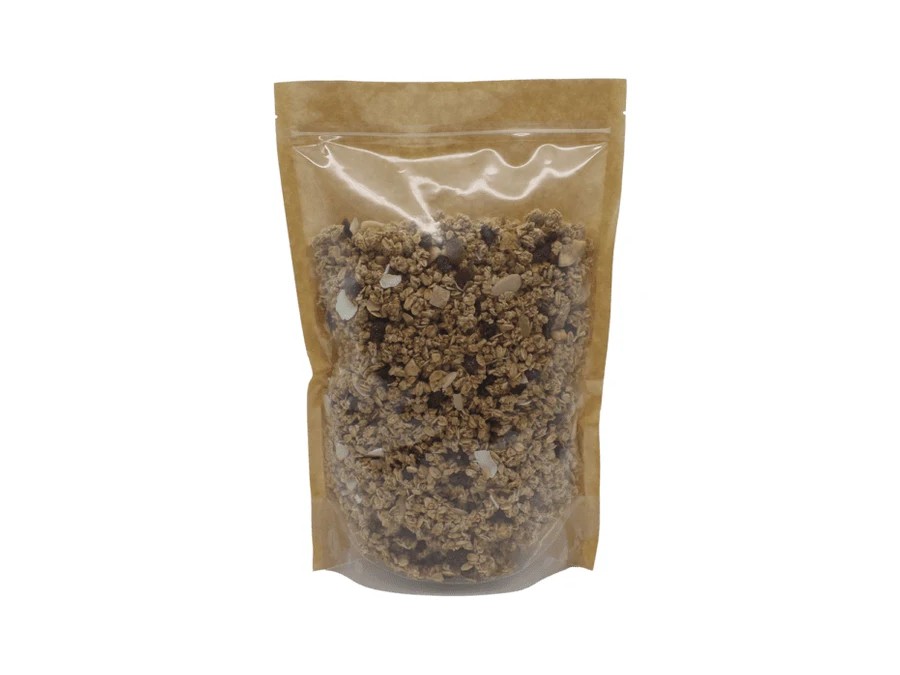
250g, zip seal, heat sealable · Material: Kraft laminate
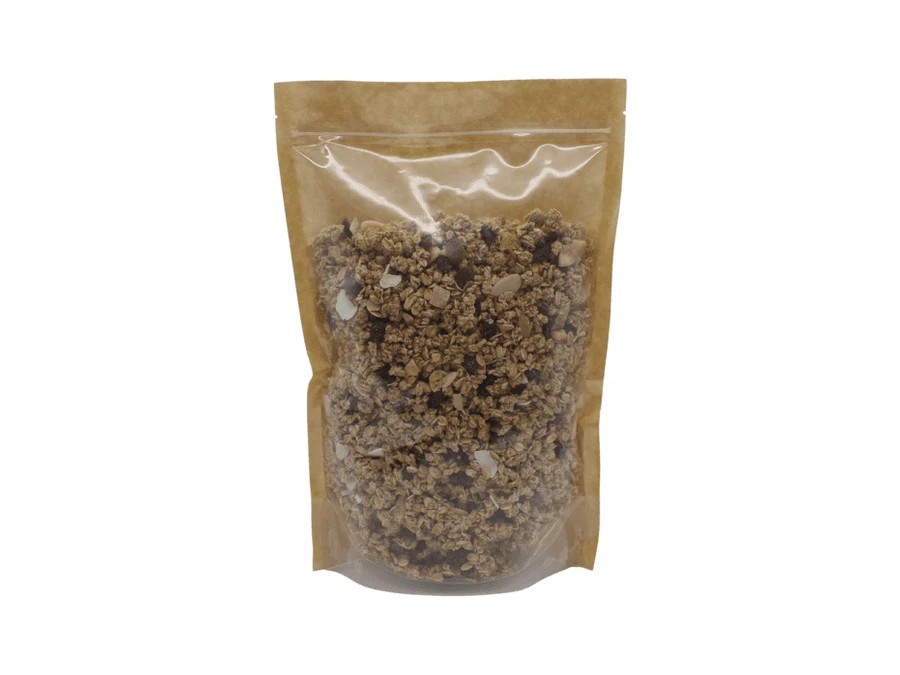
500g, zip seal, heat sealable · Material: Kraft laminate
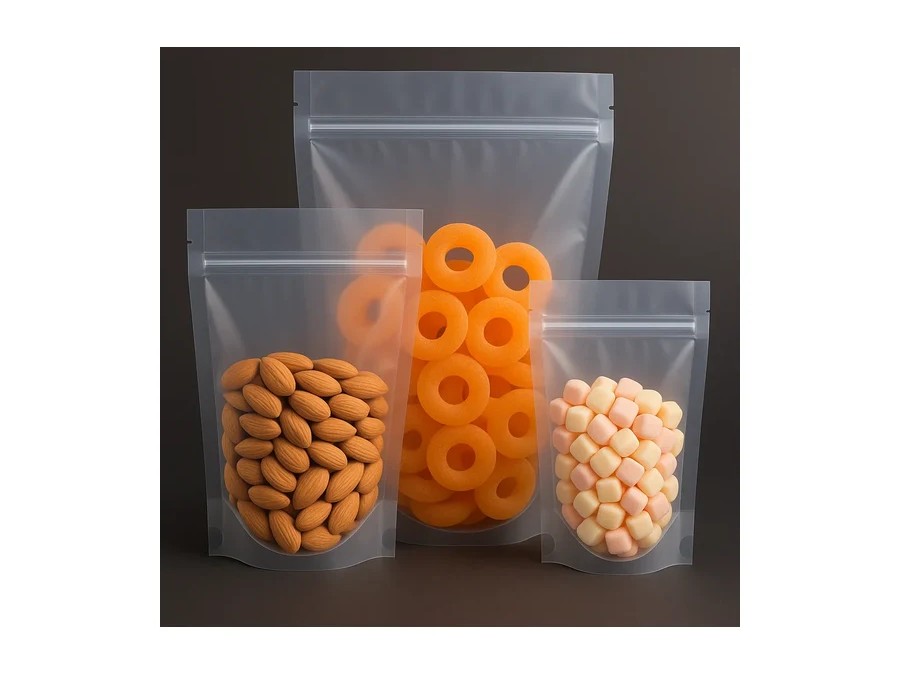
100g, zip seal, heat sealable · Material: Clear laminate
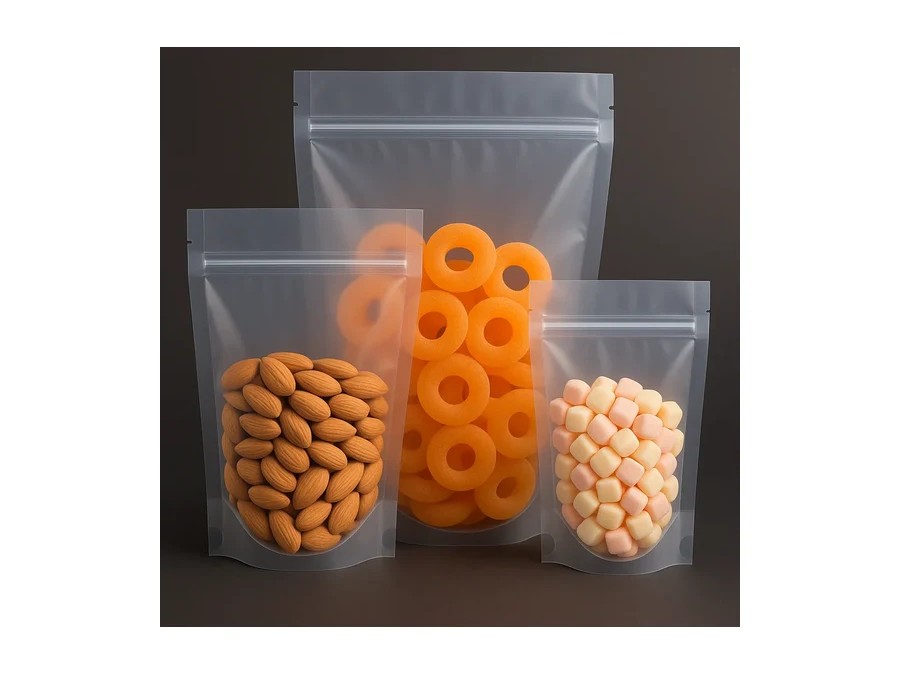
500g, zip seal, heat sealable · Material: Clear laminate
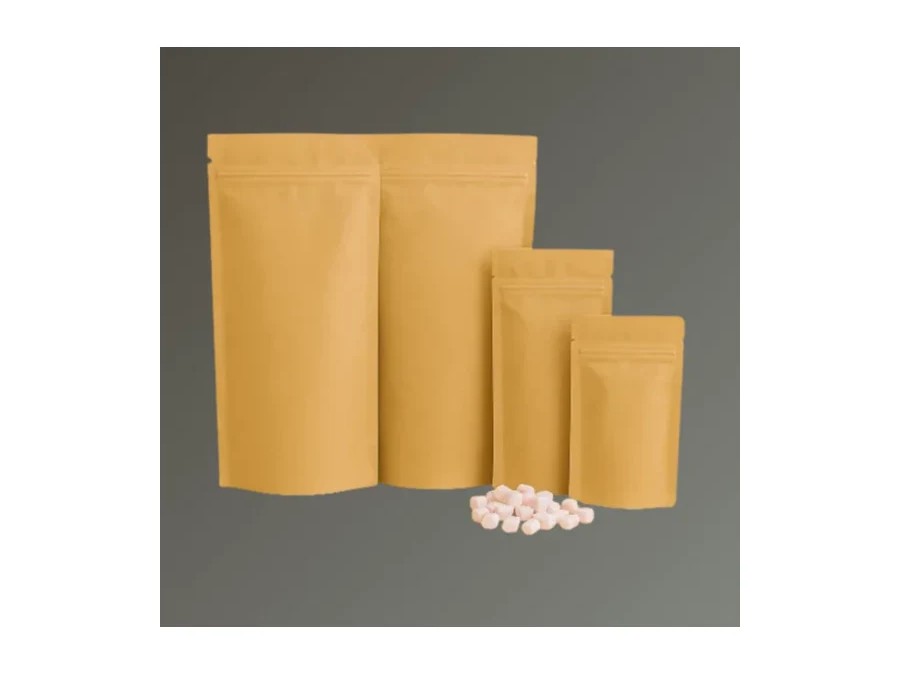
250g, gold matt, zipper · Material: Gold matt laminate
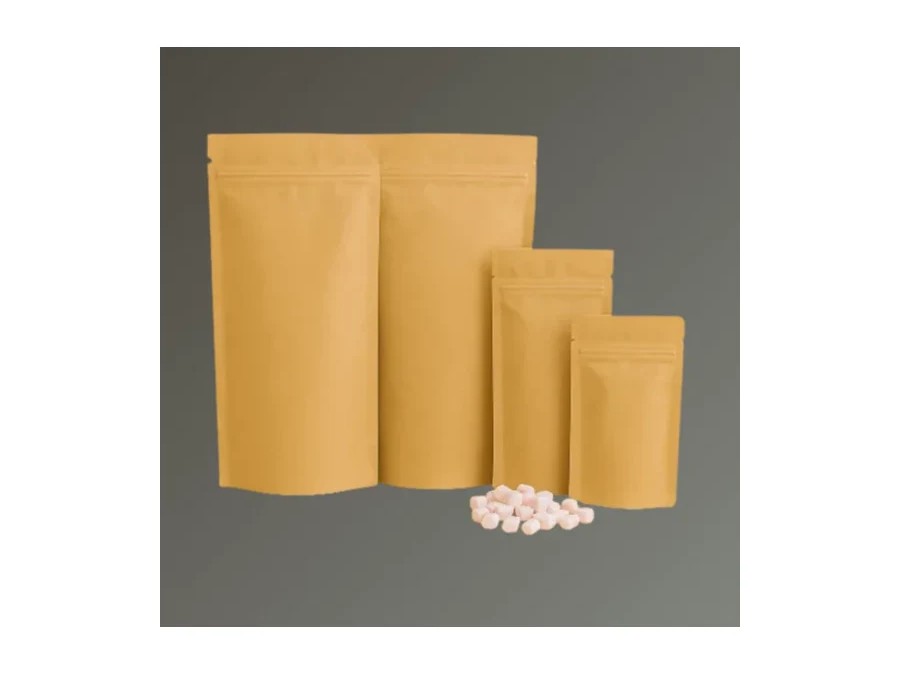
500g, gold matt, zipper · Material: Gold matt laminate
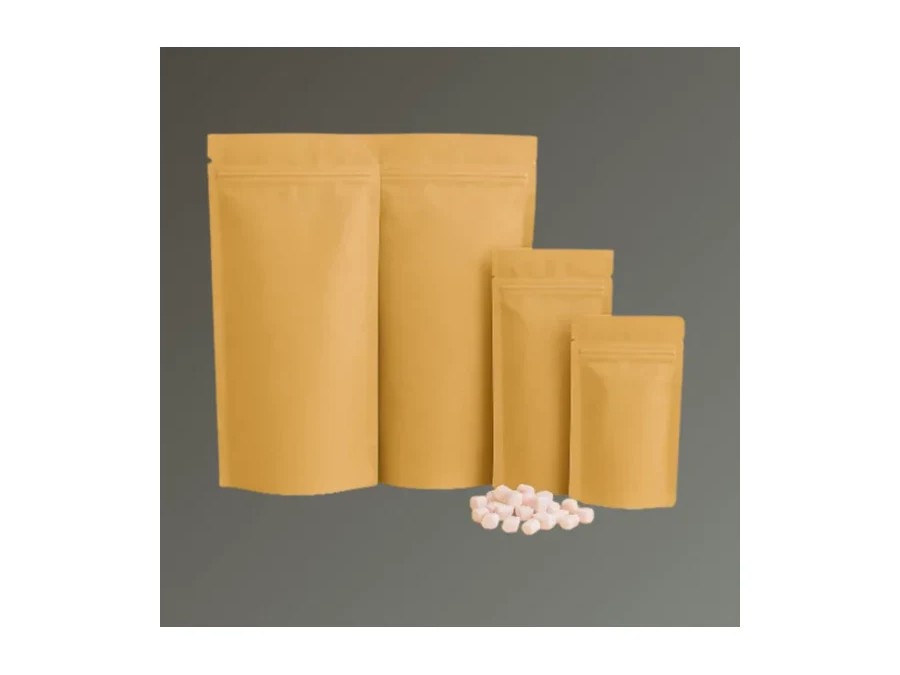
250g, shiny holographic, zipper · Material: Holographic plastic laminate
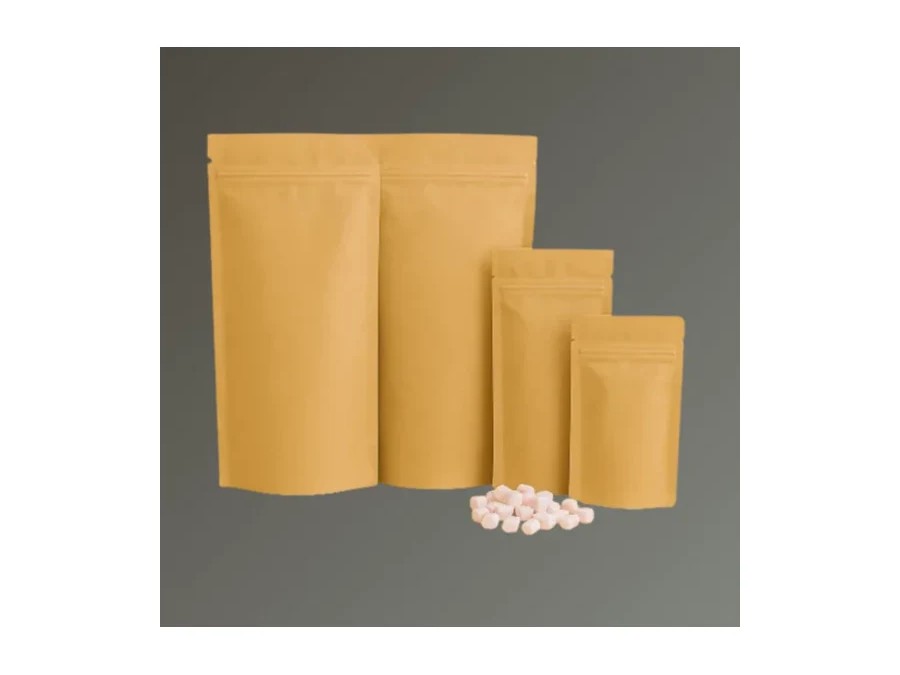
500g, shiny holographic, zipper · Material: Holographic plastic laminate
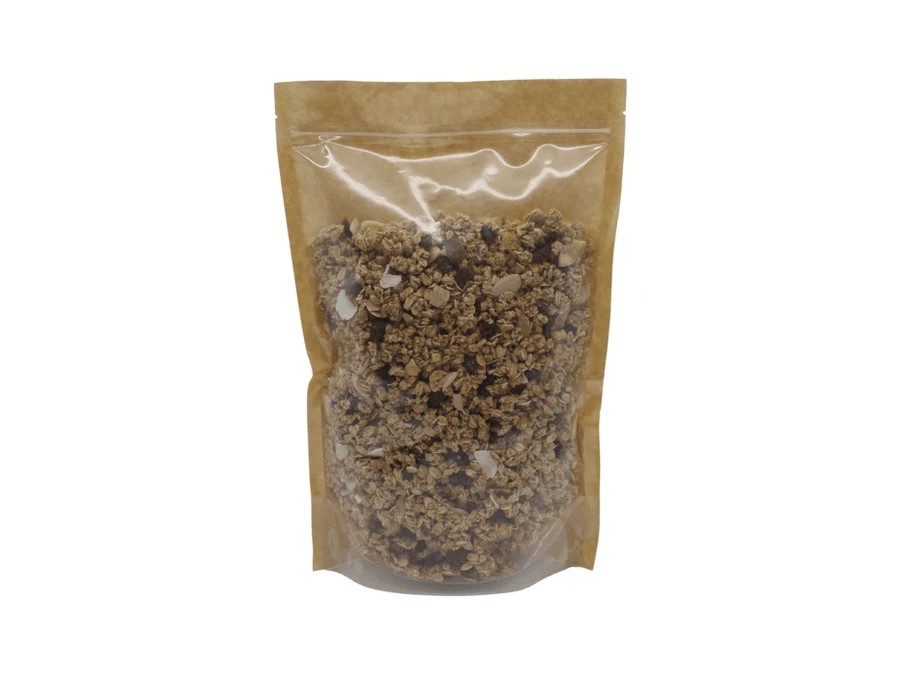
250g, box pouch, window · Material: Kraft laminate + window
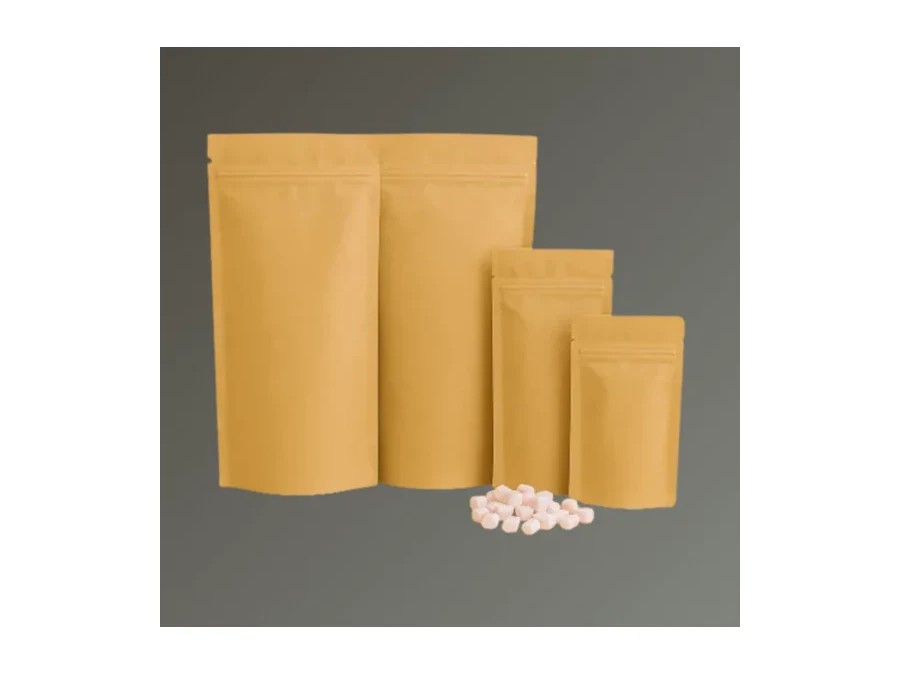
500g, box pouch, no window · Material: Black matt laminate
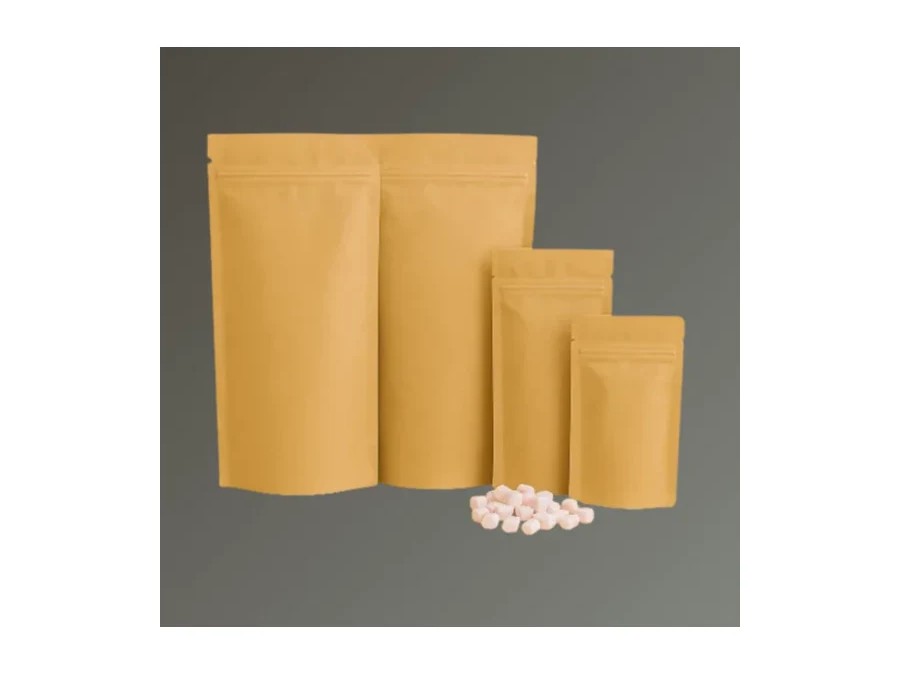
250ml, corner spout, clear · Material: Clear laminate + spout
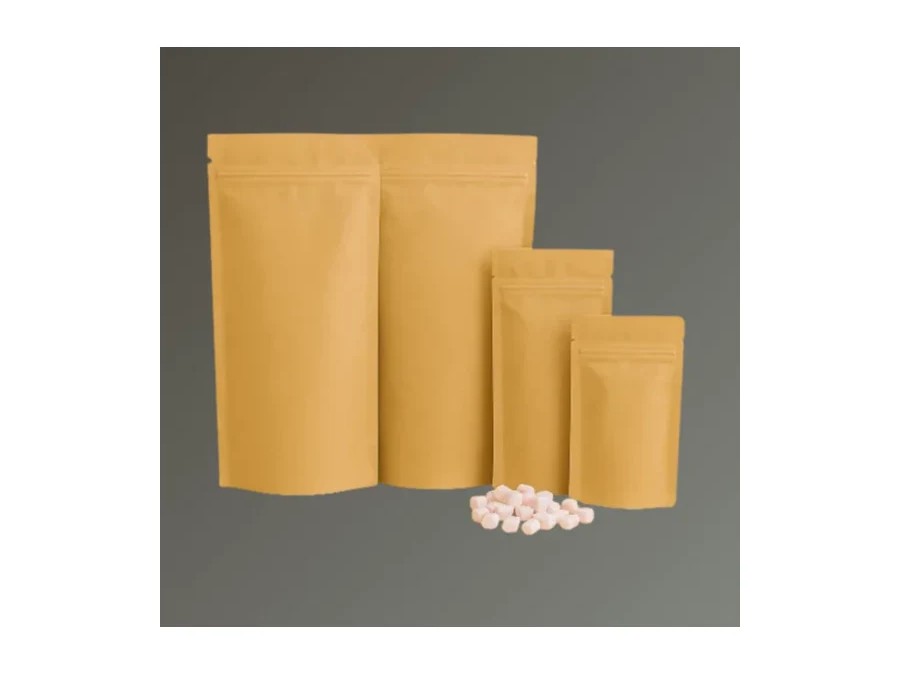
500ml, corner spout, clear · Material: Clear laminate + spout
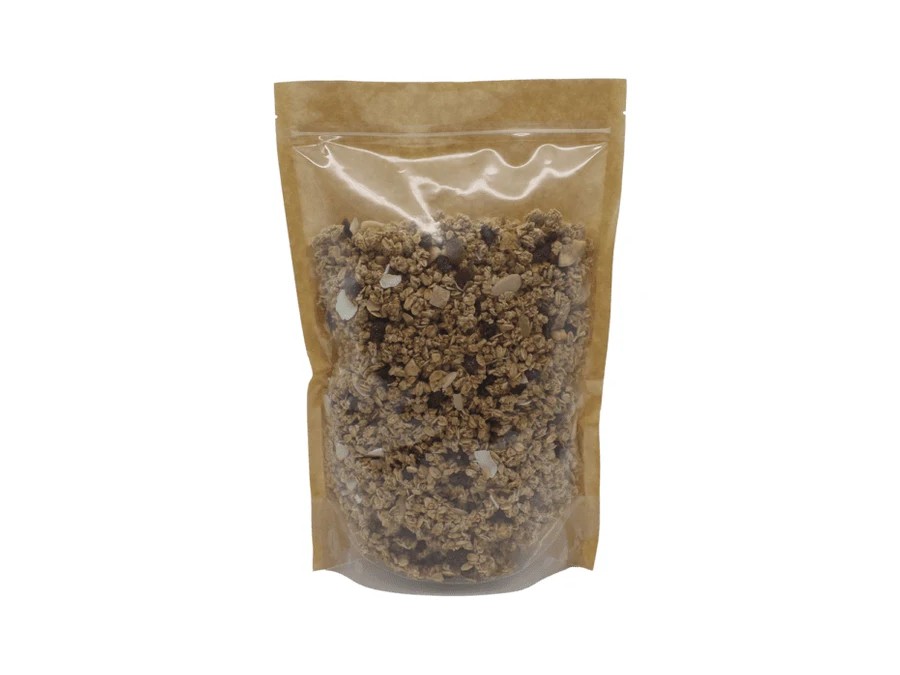
250ml, spout, kraft-effect · Material: Kraft-look laminate + spout
250g, heat-process compatible · Material: Silver retort laminate
250g, one-way valve · Material: Foil/kraft laminate
Range: flexible spouted pouches · Use case: drinks, concentrates, refills and liquid product packaging
Range: printed stand-up pouches · Use case: retail packs, refill packs and branded pouch packaging
Stand-up, kraft-look, valve and spouted pouches can look similar while using materially different structures. The barrier, sealant layer, zipper, valve, spout, print and window all need to be included when assessing product protection or a recyclability claim.
| Contents | Dry, oily, aromatic, acidic or liquid products can require different moisture, oxygen, aroma, grease or leak resistance. |
|---|---|
| Filling and sealing | Fill temperature, headspace, powder contamination in the seal area, sealing-jaw design and dwell conditions affect seal integrity. |
| Format | Dimensions, gusset, usable capacity, zipper, valve, spout position, cap and tear features must suit both the user and the filling method. |
| Structure | “Kraft look” describes appearance, not necessarily a paper-only structure. A mono-material claim must cover the actual film and attached fitments, not just the main web. |
Do not infer a household recycling route from appearance or a single polymer name. Recycle Now says selected out-of-home points accept many plastic bags, wrapping and some pouches; its plastic bags and wrapping guidance lists accepted formats and advises users to check the collection point. In England, government guidance states that plastic film packaging and bags are due to be collected with household plastic recycling from 31 March 2027.
Before printing a disposal instruction, obtain the exact structure, fitment materials and current collection guidance. For a mono-material or recycled-content statement, retain the supplier evidence linked to the specific pouch reference.
Provide the product, target fill weight or volume, bulk density where relevant, pouch dimensions, fill temperature, barrier requirement, print area, zipper or fitment, first-order quantity and forecast usage. For liquids, agree leak, seal, drop and transport tests. For machine filling, provide sample product and pouches to the machinery specialist; see Lancing packaging machinery rather than duplicating that intent here.
Useful next steps include the mono-material pouch guide, spouted pouch guide and pouch buying guide.
A stand-up or spouted pouch is a system of layers, seals and optional components. Similar-looking pouches can behave differently during filling, heat sealing, storage and transport, so the visible format should not be used as a substitute for the complete material specification.
| Contents | Product form, particle size, oil or solvent content, aroma, moisture sensitivity, oxygen sensitivity, filling temperature and intended shelf-life study. |
|---|---|
| Web construction | Exact layer or mono-material structure, total thickness, sealant layer, printing position, colour, window and any barrier layer or coating. |
| Format and fitment | Flat, stand-up or flat-bottom geometry; zipper, valve, spout, cap, tear notch, handle and consumer opening or dispensing method. |
| Production method | Manual, semi-automatic or automatic filling, sealing jaw type, seal width, dwell and temperature window to be established by trial, plus coding and inspection needs. |
| Distribution and disposal | Filled weight, headspace, drop and compression risk, storage orientation, secondary packaging and the current collection route for the complete structure. |
The mono-material versus laminated pouch guide explains why barrier, stiffness, print, sealing and fitments have to be assessed together. “Mono-material” is not by itself proof that a pouch is accepted in a particular collection and recycling route.
Trial representative production samples for seal contamination, channel leaks, fitment retention, cap security, pouch stability, print and label performance, storage and transport. Use agreed pass/fail criteria and retain the approved structure and sample. The barrier guide helps define which protection is genuinely required.
In England, plastic film packaging and plastic bags are scheduled to be included in plastic collections from 31 March 2027, but the exact structure and current route still need checking. Use the official UK guidance linked in the EPR and recyclability assessment guide.
A pouch is a system of web layers, sealant, print, zipper or fitment and production settings. The complete format must protect the product and run consistently before an end-of-life claim is approved.
A mono-material pouch may not be the lowest-risk choice when the product needs barrier, heat resistance, puncture performance, stiffness or seal behaviour that the candidate structure cannot deliver. The decision should compare product protection and waste prevention as well as end-of-life evidence. Use the pouch structure comparison.
Pouch width, height, gusset, opening, web stiffness, surface slip, sealant layer, zipper position, spout geometry and print or coating near the seal can all affect presentation to the filler and the sealing window. Send the actual filled product and intended process when requesting samples or a quote.
Usable capacity depends on product bulk density, particle shape, headspace, gusset opening, sealing allowance and how the pouch stands or deforms. A weight-based size label does not prove capacity for another product. Fill representative samples and confirm the sealed dimensions before approving artwork or transport packs.
Test fitment retention, leak paths, cap or zipper operation, sealing around the inserted component, filling access, product contamination, consumer use and distribution loads. For liquid packs, use the pouch seal-failure guide; for dispensing products, compare the viscous-product options.
Describe the exact pouch construction and the collection route that supports the claim. Do not infer recyclability from “PE”, “PP” or “mono-material” alone, because fitments, barriers, inks, adhesives and the relevant UK assessment rules can change the result. Use current official guidance alongside the EPR assessment guide.
England’s Simpler Recycling timetable expands collection of plastic film packaging and plastic bags from 31 March 2027. It does not create one answer for every stand-up, coffee, pet-food, spouted or barrier pouch.
Ask for the full polymer, foil, barrier, sealant, zipper, valve, spout and print construction. Current guidance treats some laminated-foil formats differently from conventional plastic film.
A new structure must still provide the necessary seal integrity, barrier, product compatibility, shelf life and filling-line performance. Qualify representative filled samples before approval.
Do not infer “recyclable” from the words mono-material or plastic film. Apply the relevant assessment and state the market, component and conditions supported by the evidence.