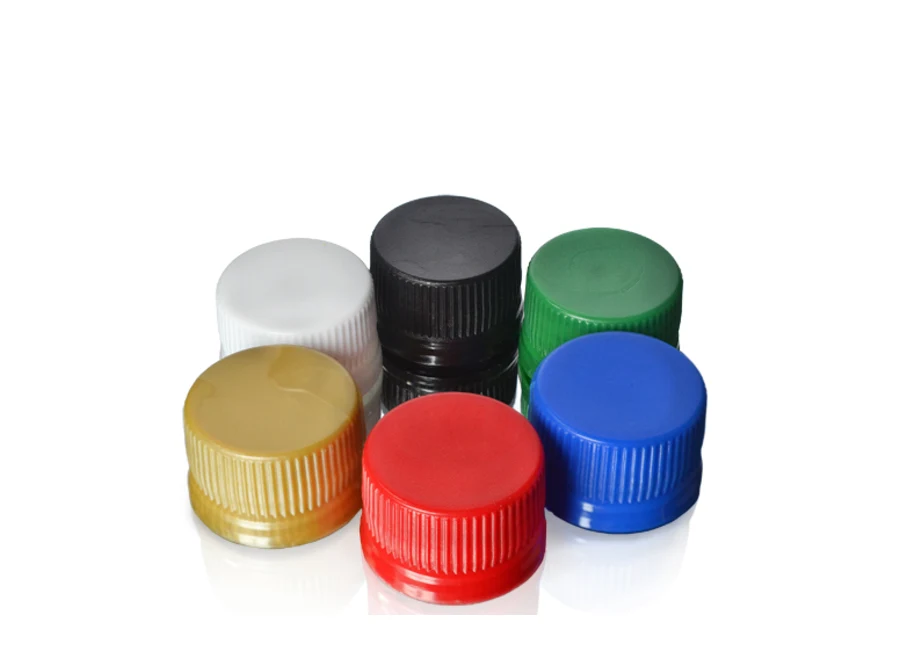
28mm MCA Tamper Evident Screw Cap
Closure type: MCA tamper-evident screw cap · Use case: Tamper-evident beverage-style closure for compatible bottle applications
Contact for priceView product
Browse bottle caps, closures, pumps, sprayers, flip tops and specialist closure options for compatible packaging projects. Every item is contact for price. 65 products are listed in this range. Check neck sizes, liners and closure formats in our cap and closure guides.
Closure type: MCA tamper-evident screw cap · Use case: Tamper-evident beverage-style closure for compatible bottle applications
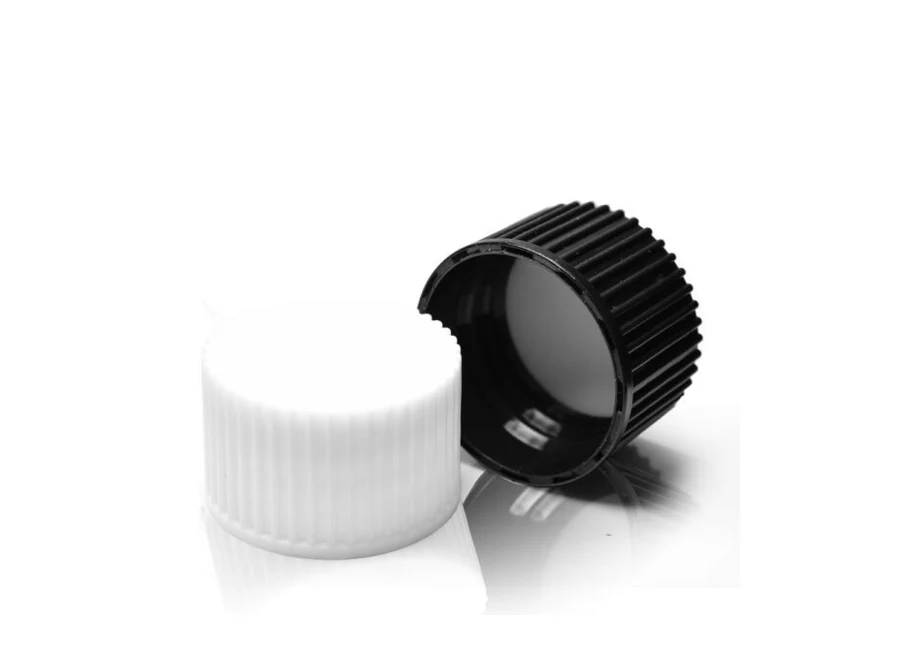
Material/liner: Plastic screw cap with EPE liner · Use case: General 28 mm neck bottle closure
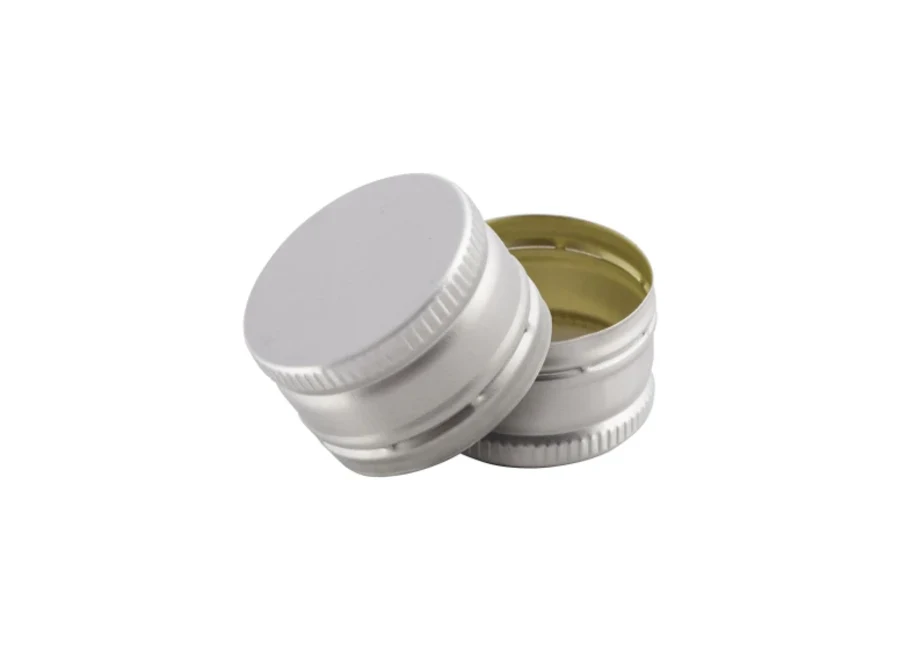
Material/liner: Brushed aluminium screw cap with EPE liner · Use case: Premium-looking closure for body/beauty/health packaging
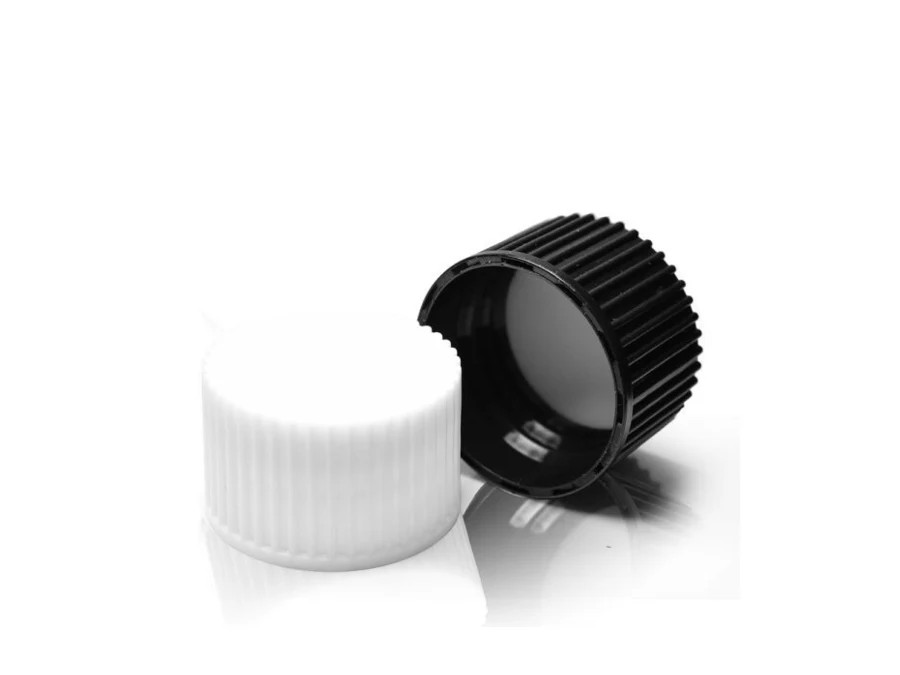
28mm, EPE liner, colour options · Material: PP plastic
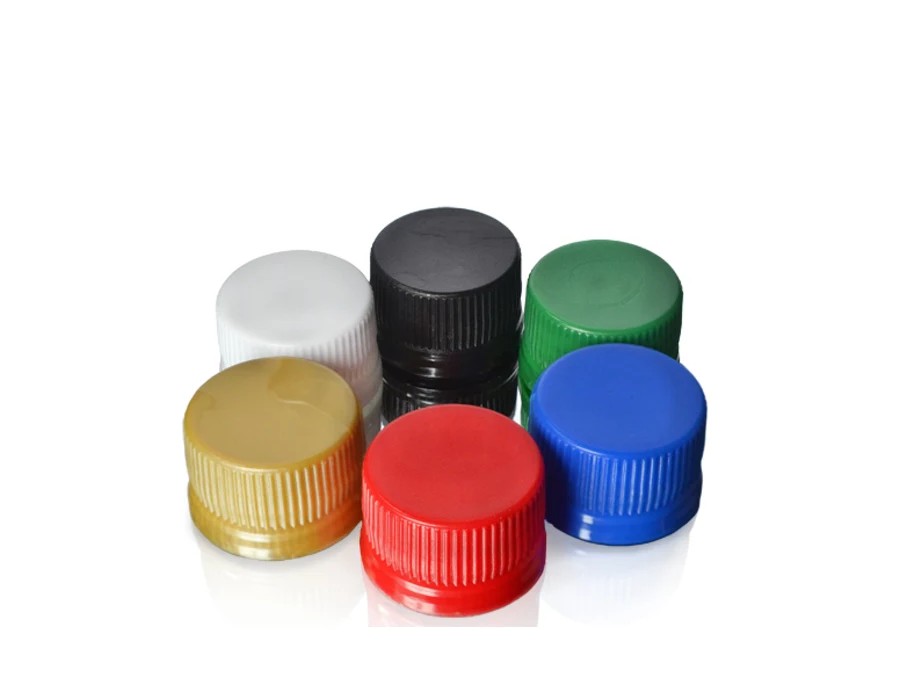
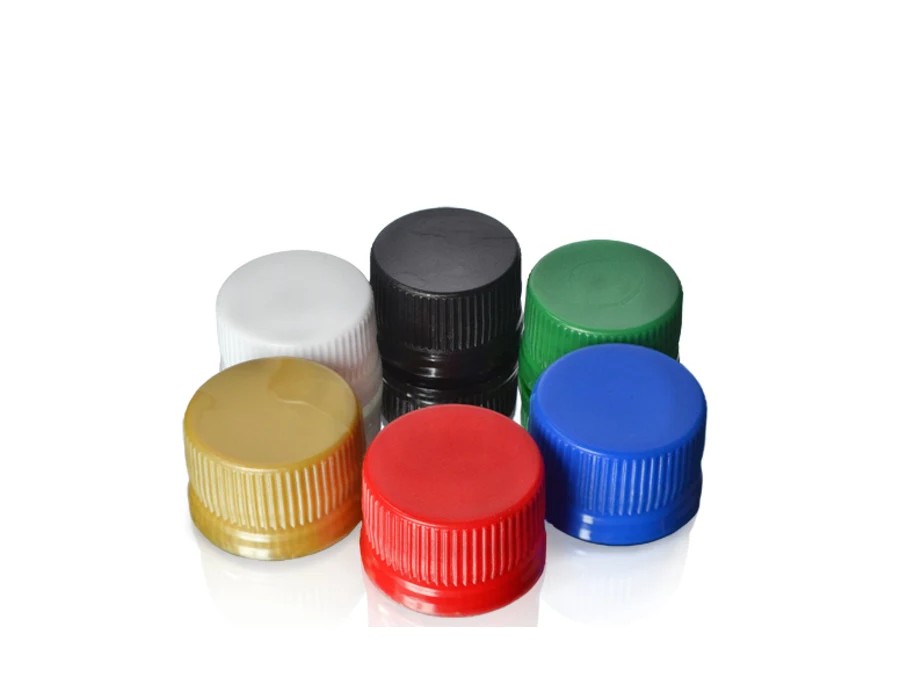
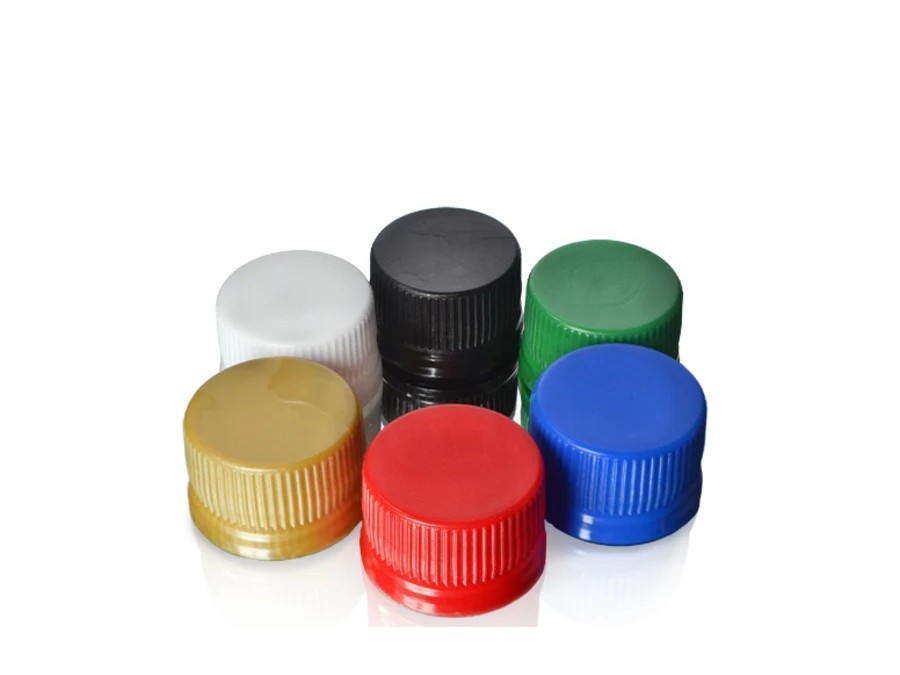
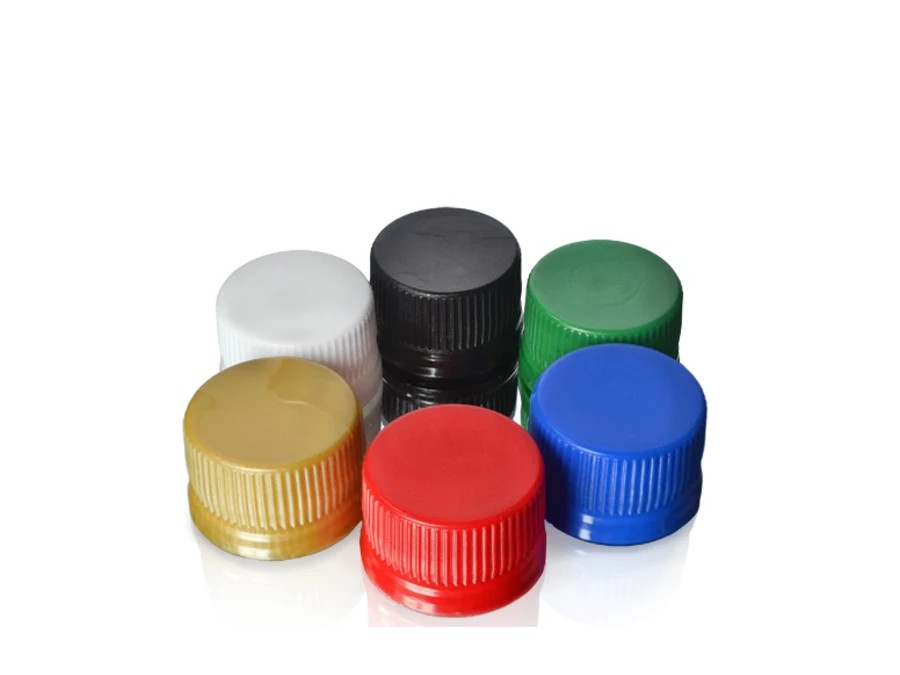
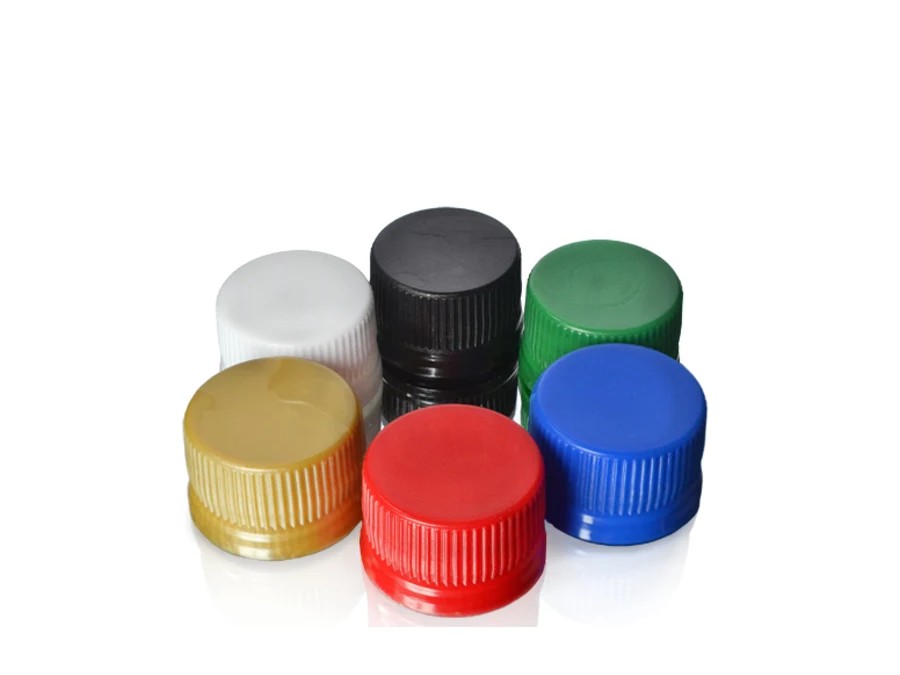
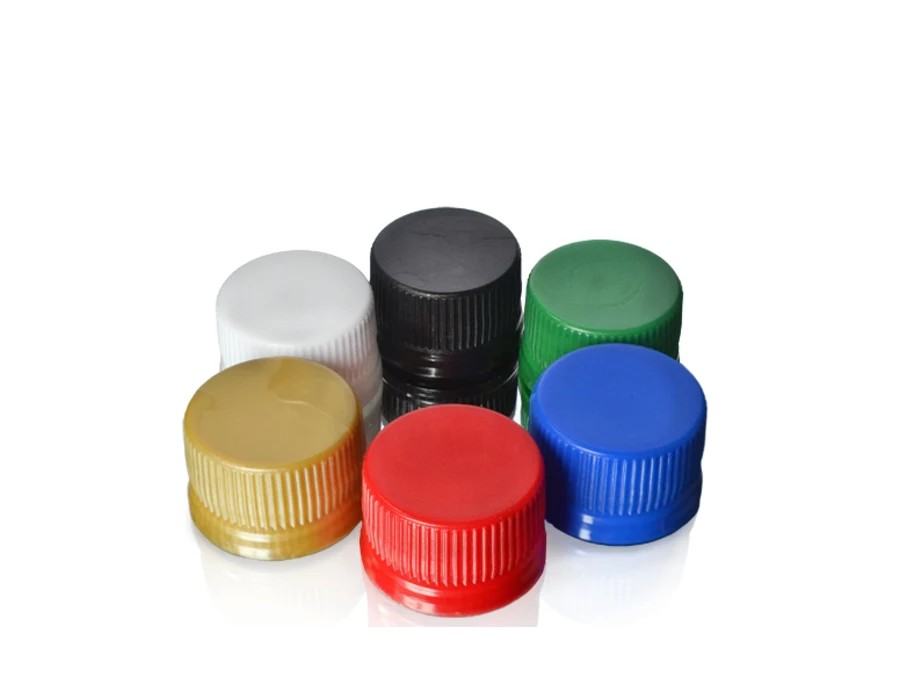
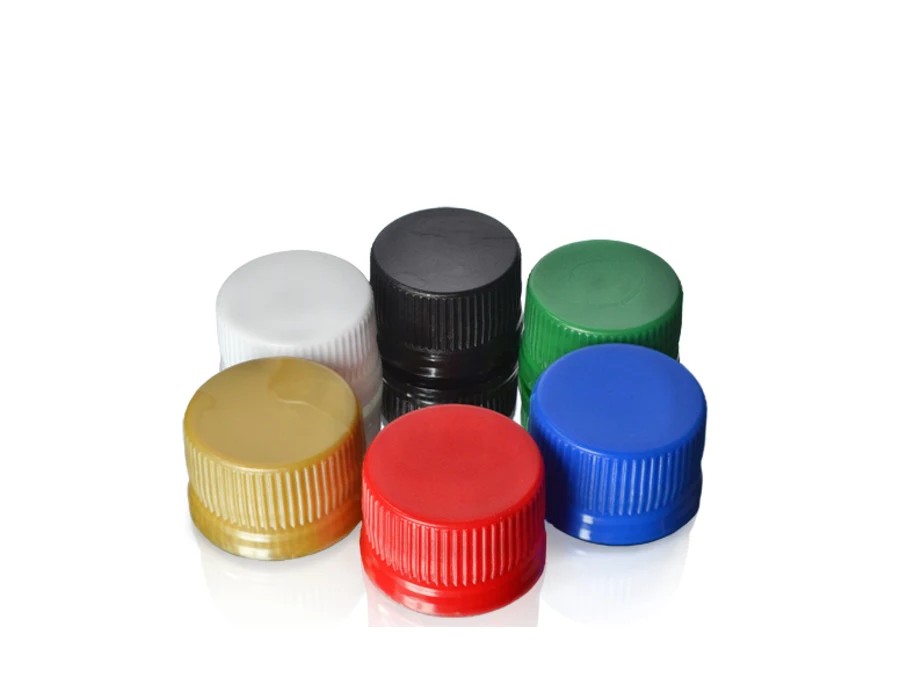
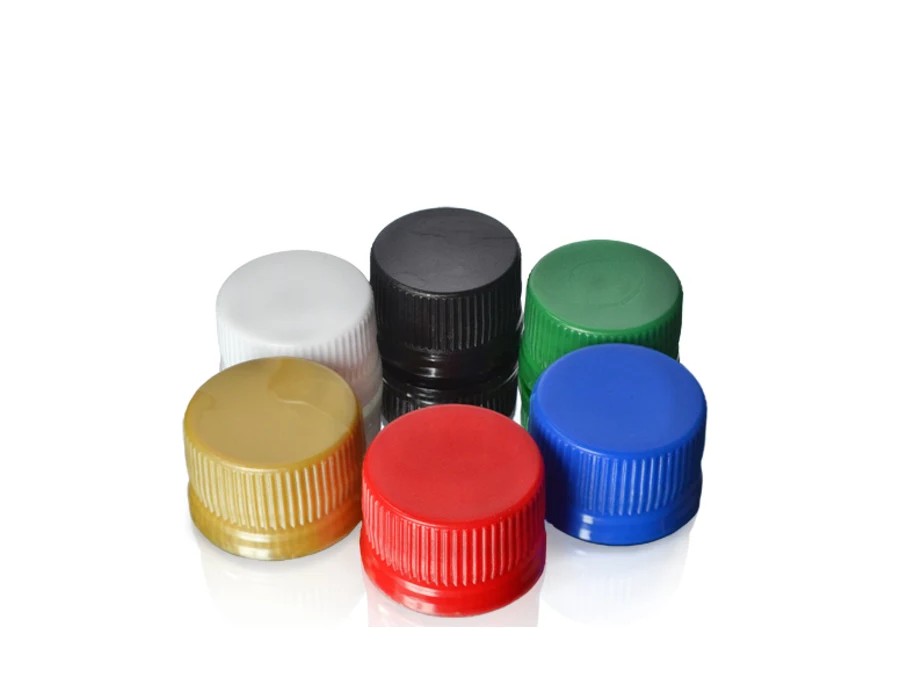
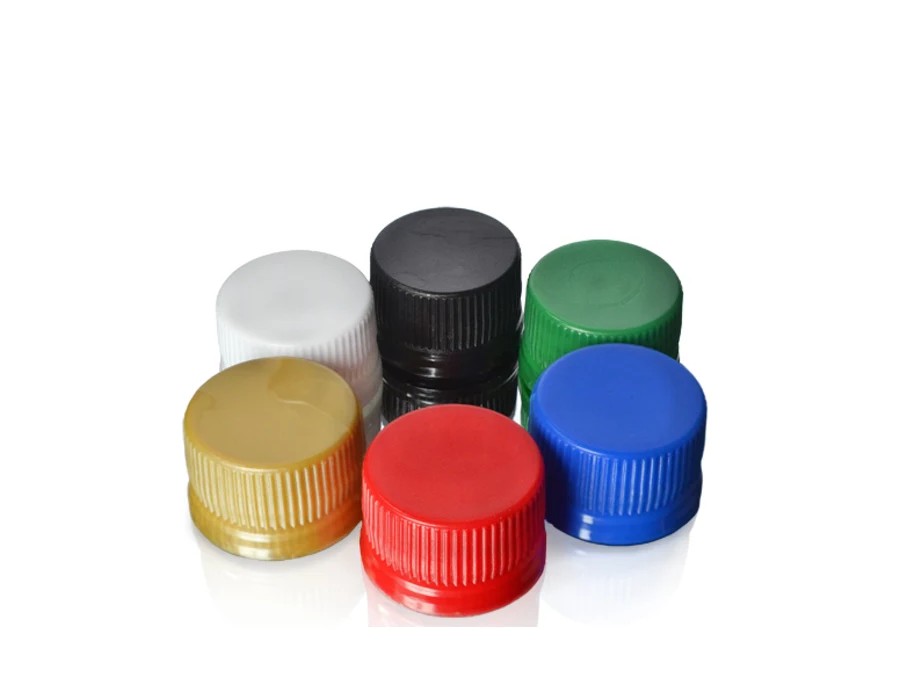
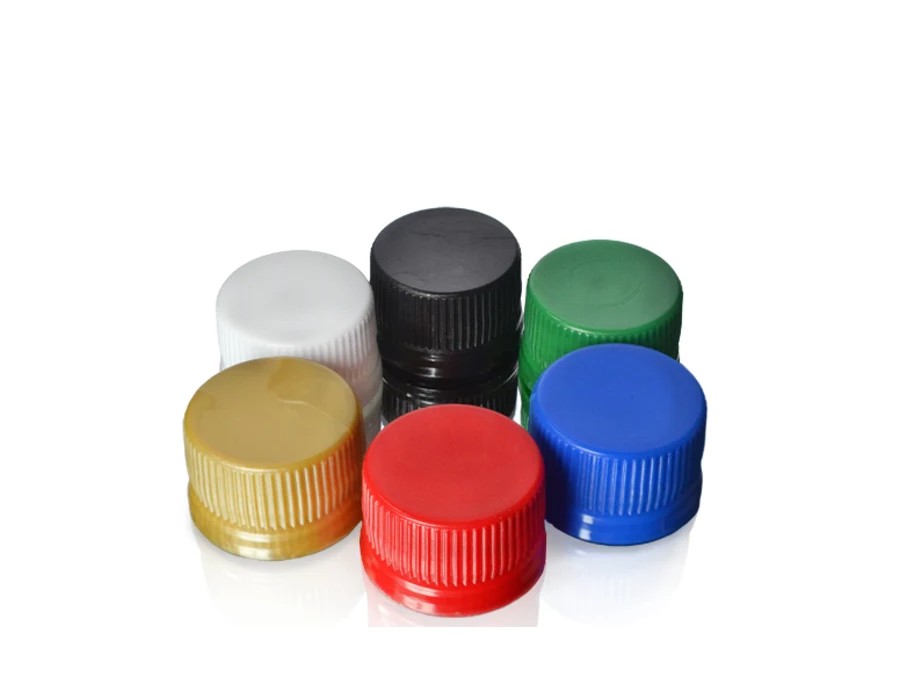
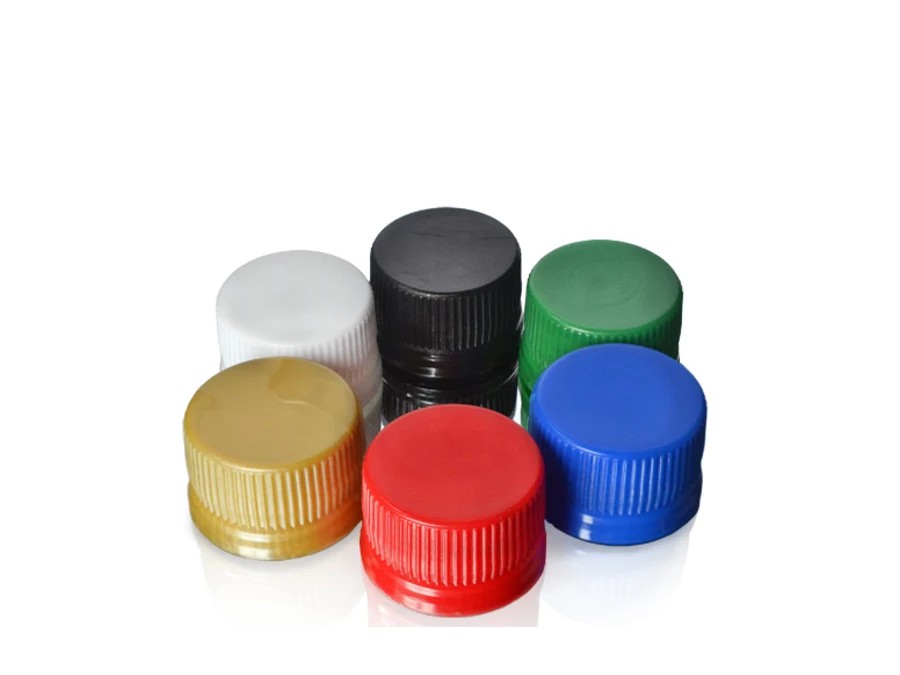
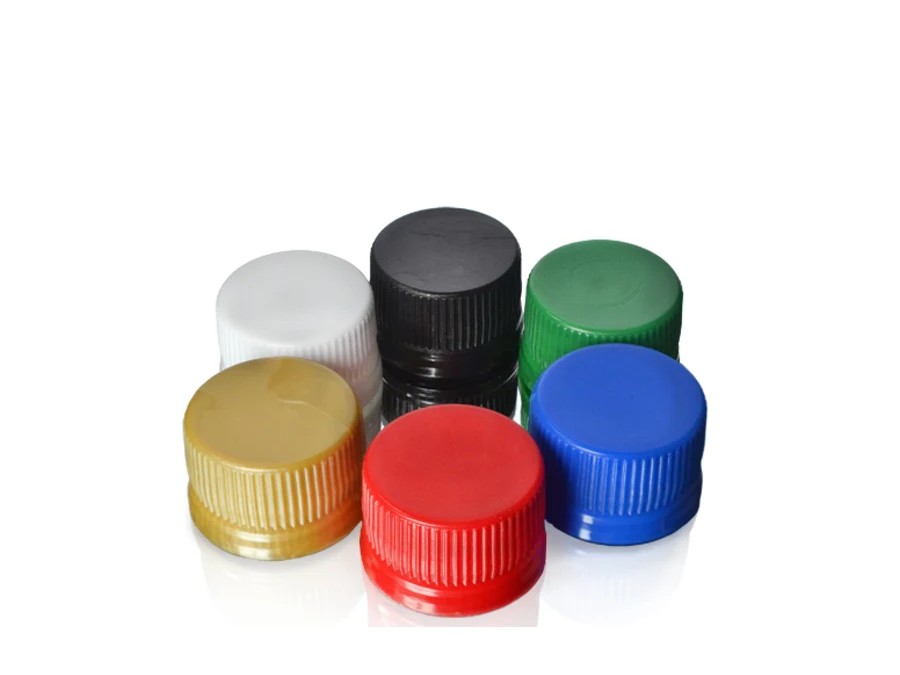
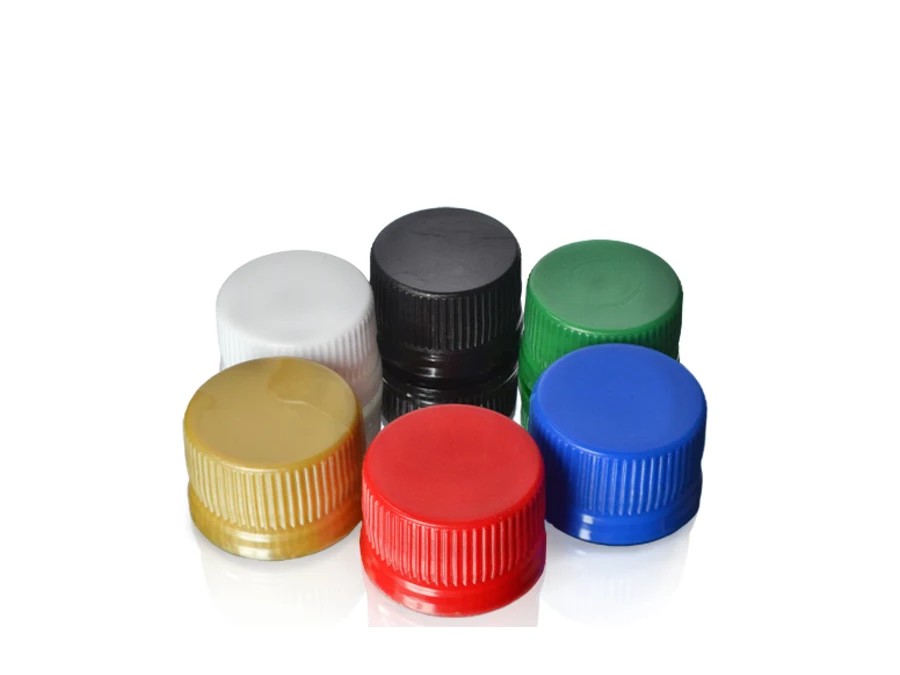
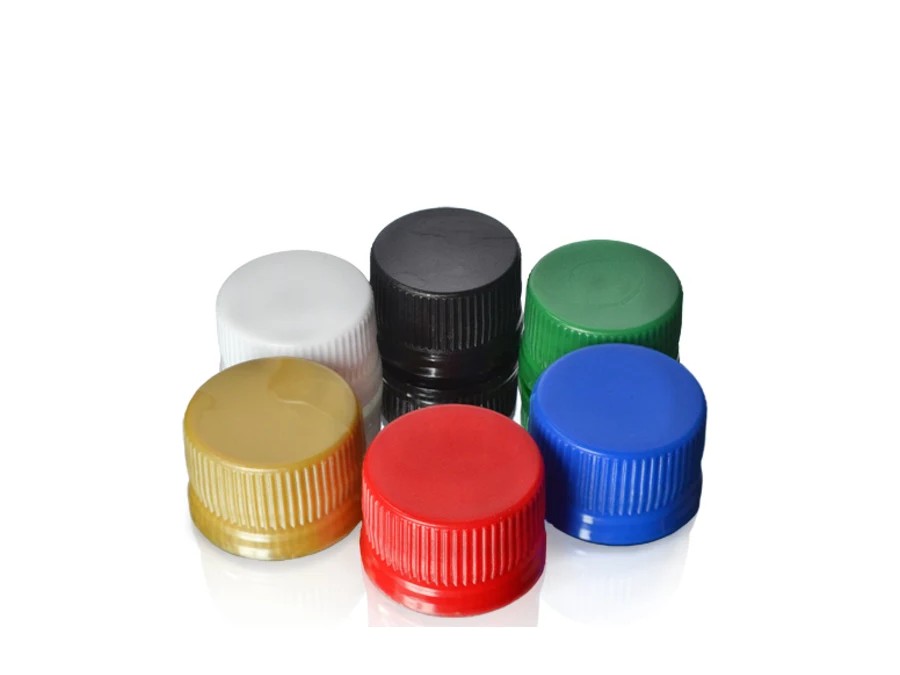
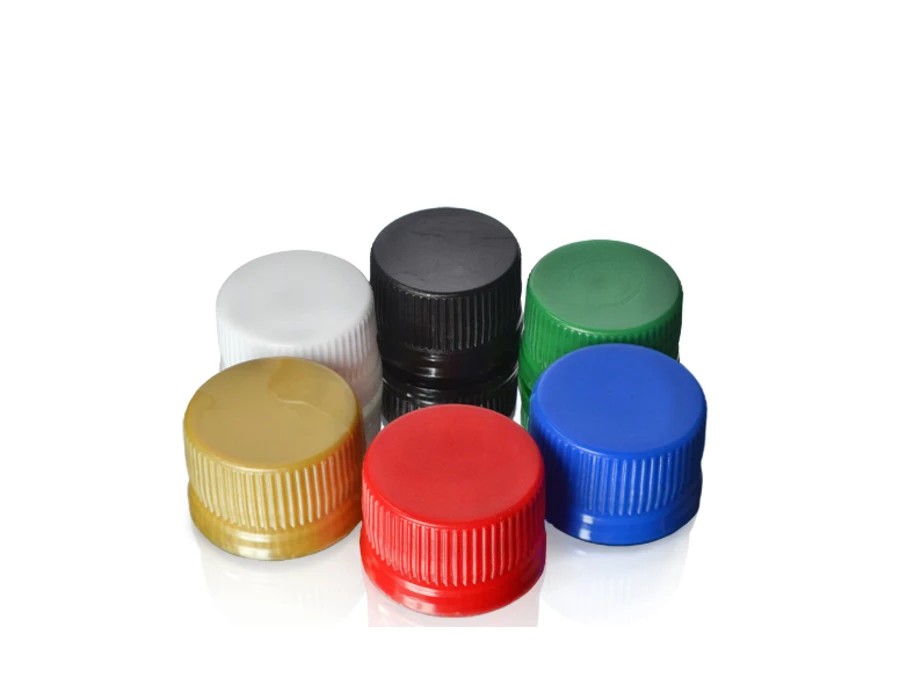
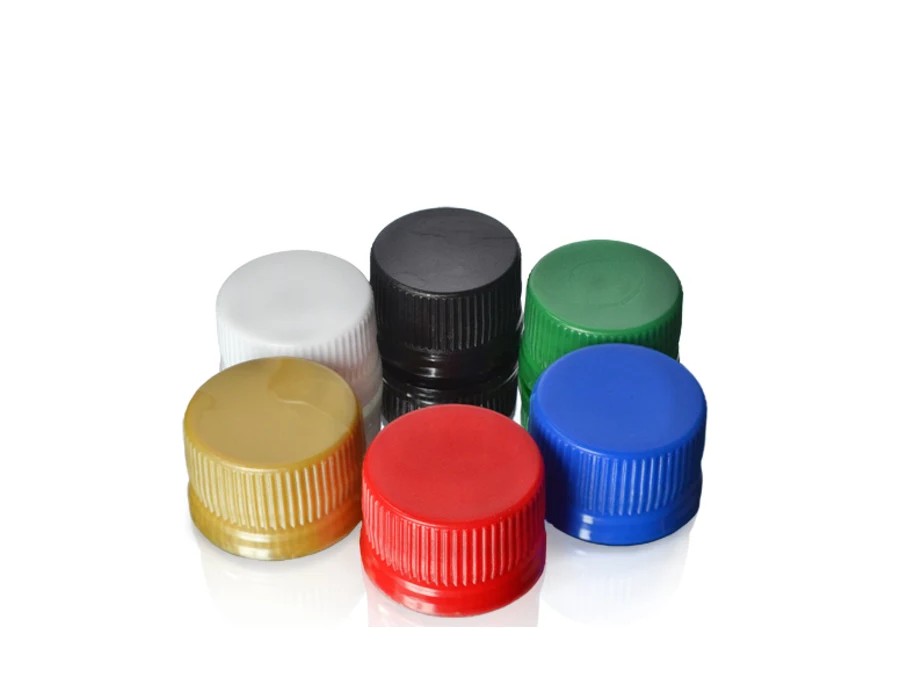
28mm MCA, tamper-evident, multiple colours · Material: PP plastic
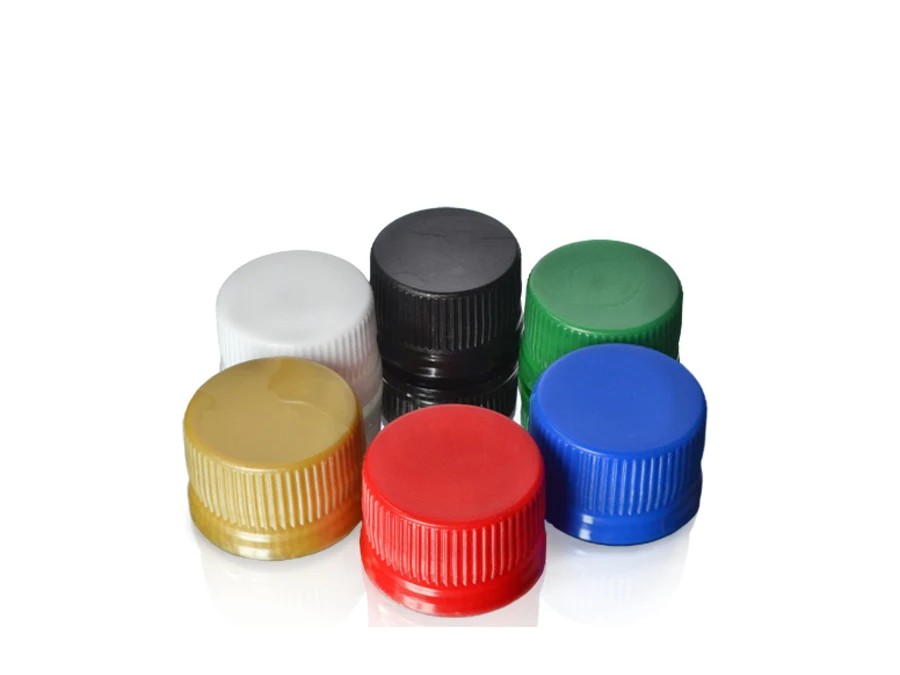
28mm PP28, integrated bore seal, TE band · Material: Black PP plastic
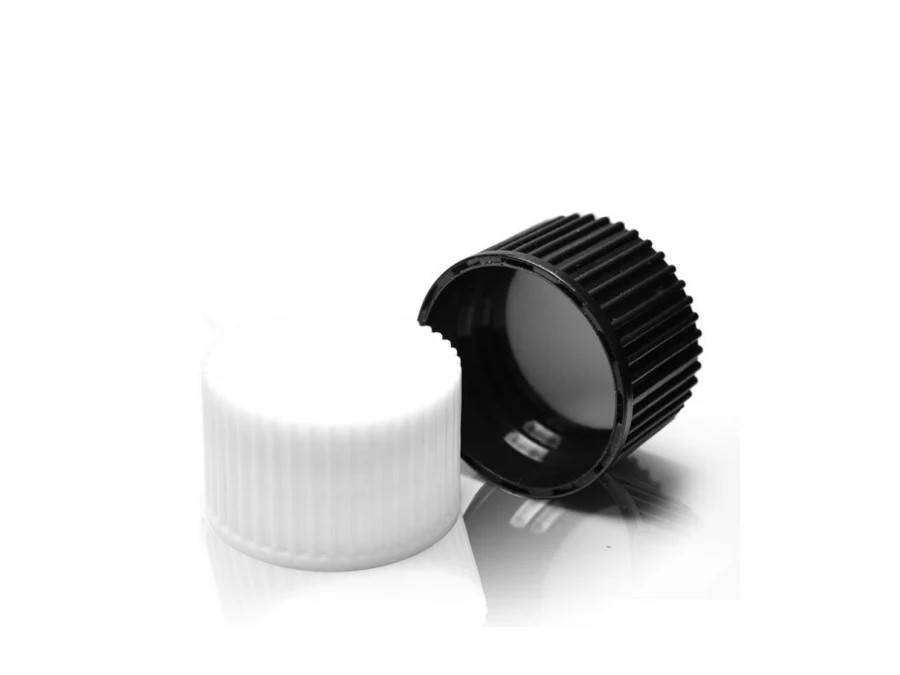
28mm, push-down/twist, EPE liner · Material: White PP plastic
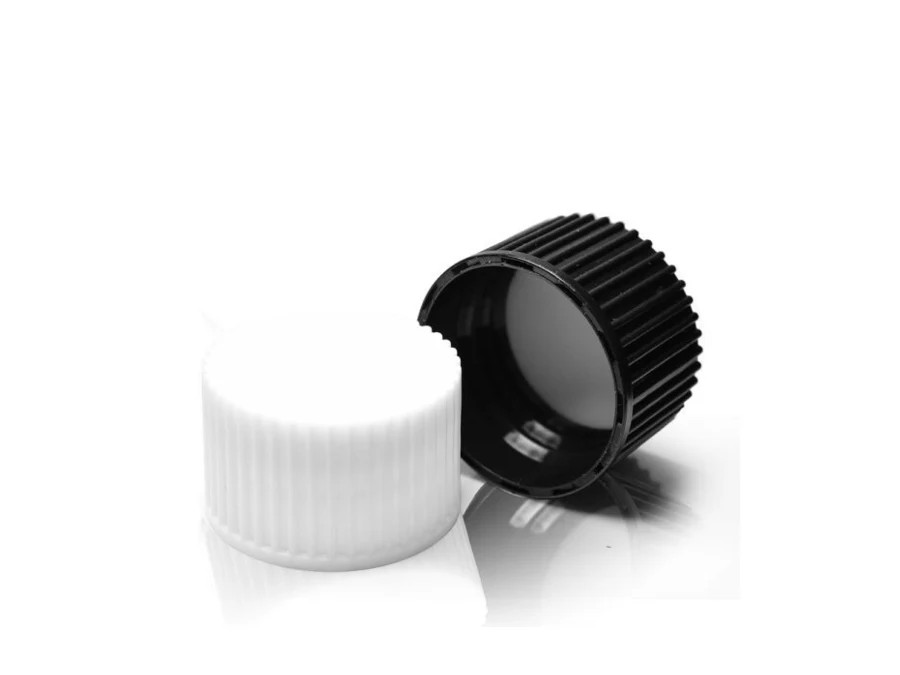
28mm Medilock CR, EPE liner · Material: White PP plastic
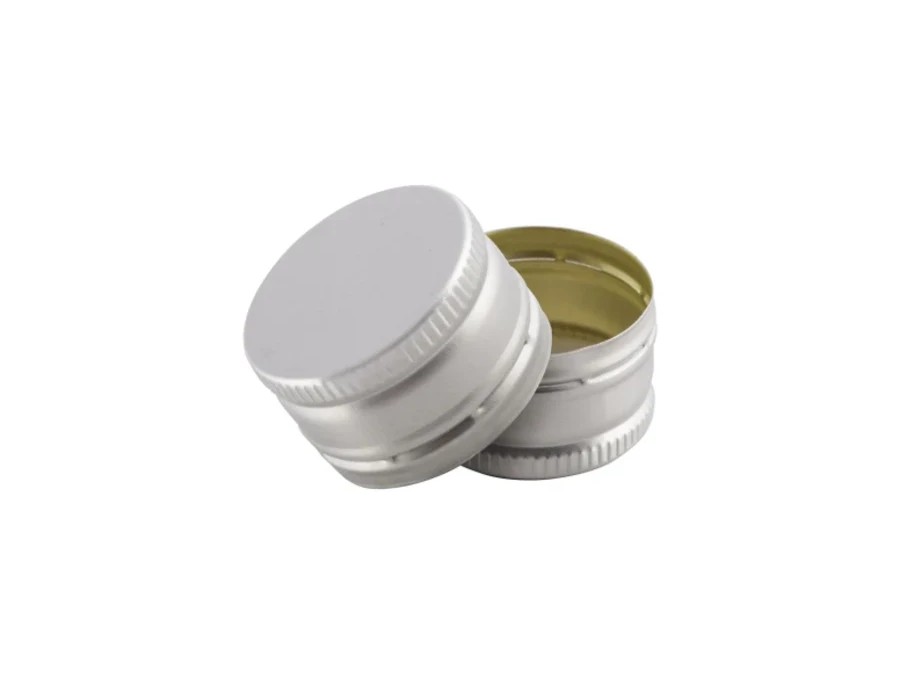
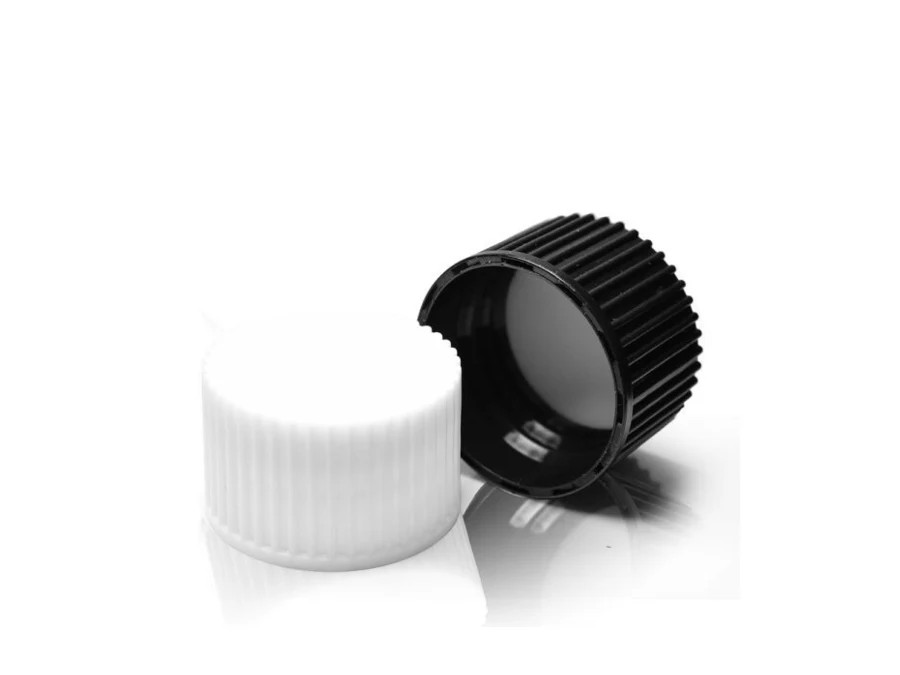
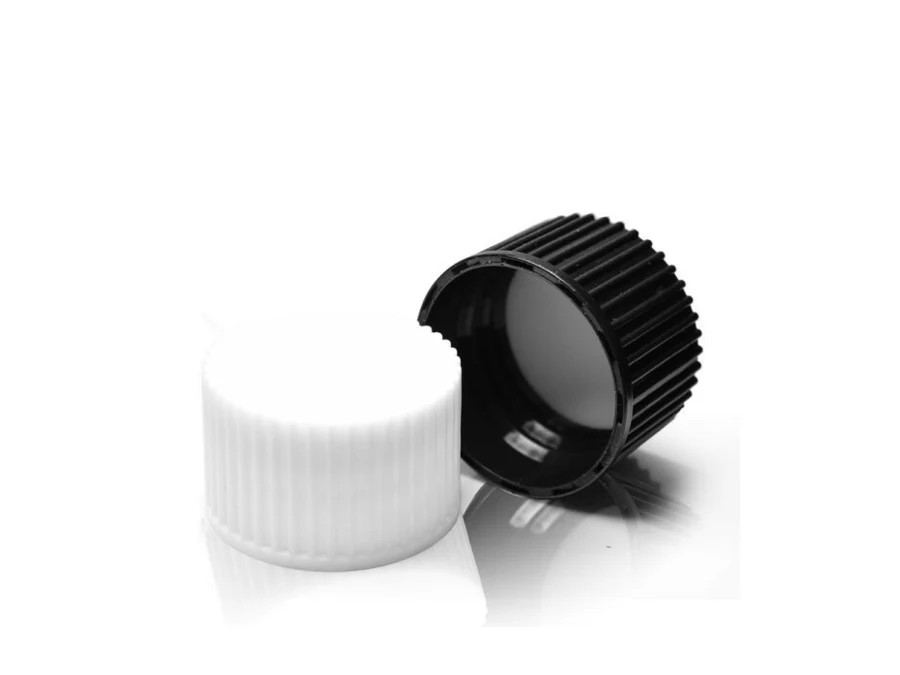
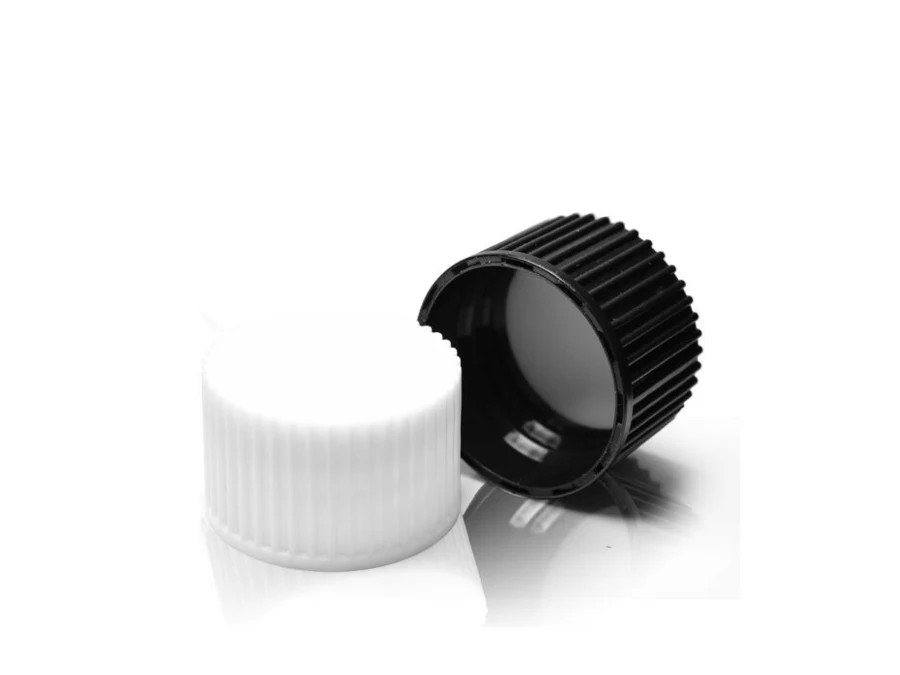
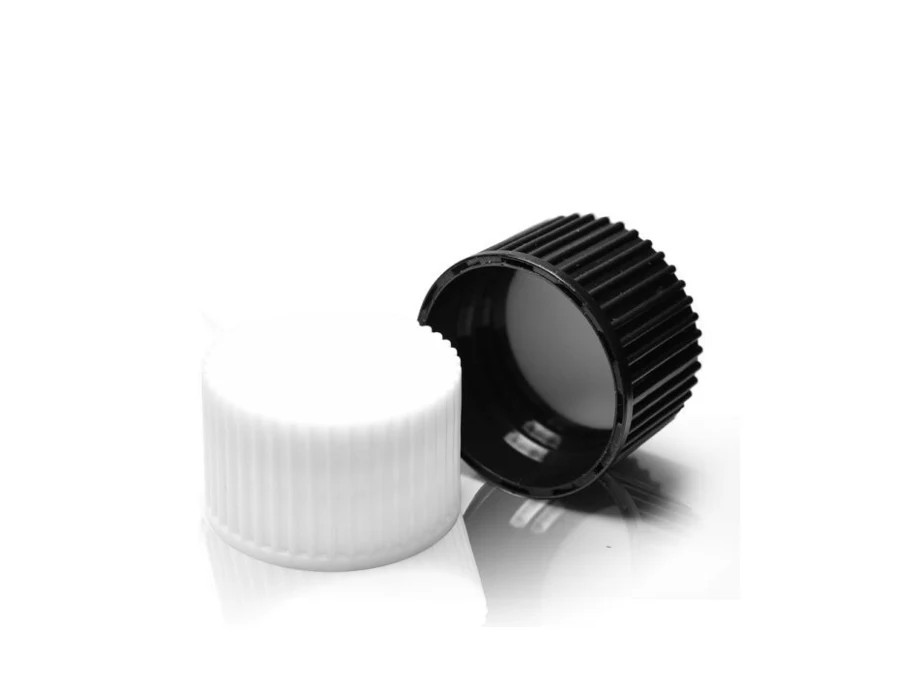
28mm R3, polycone liner, black/white · Material: PP plastic
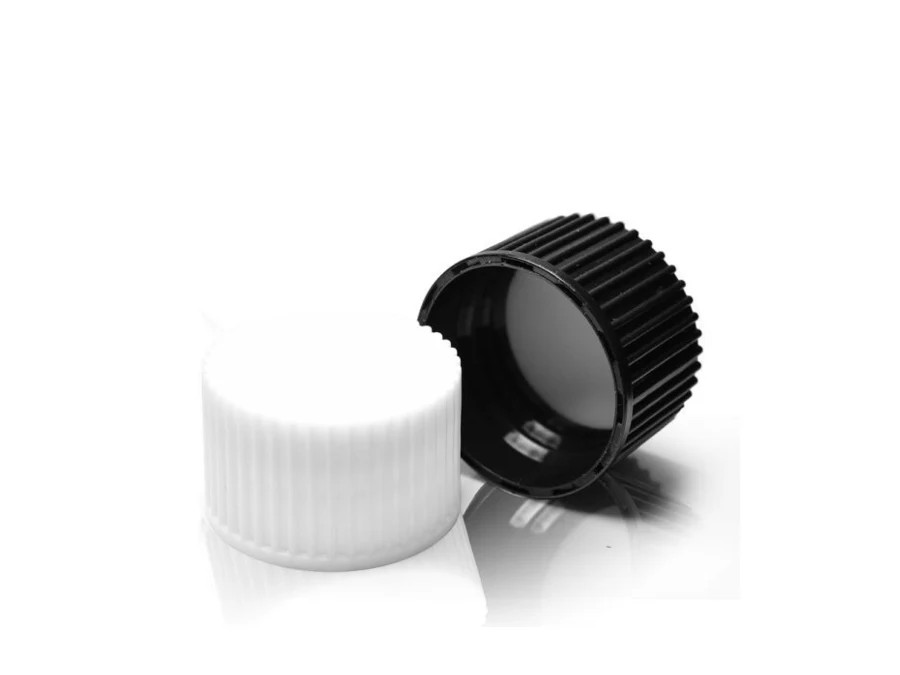
28mm R3, EPE liner, black/white · Material: PP plastic
28mm R3, polycone liner · Material: Black urea plastic
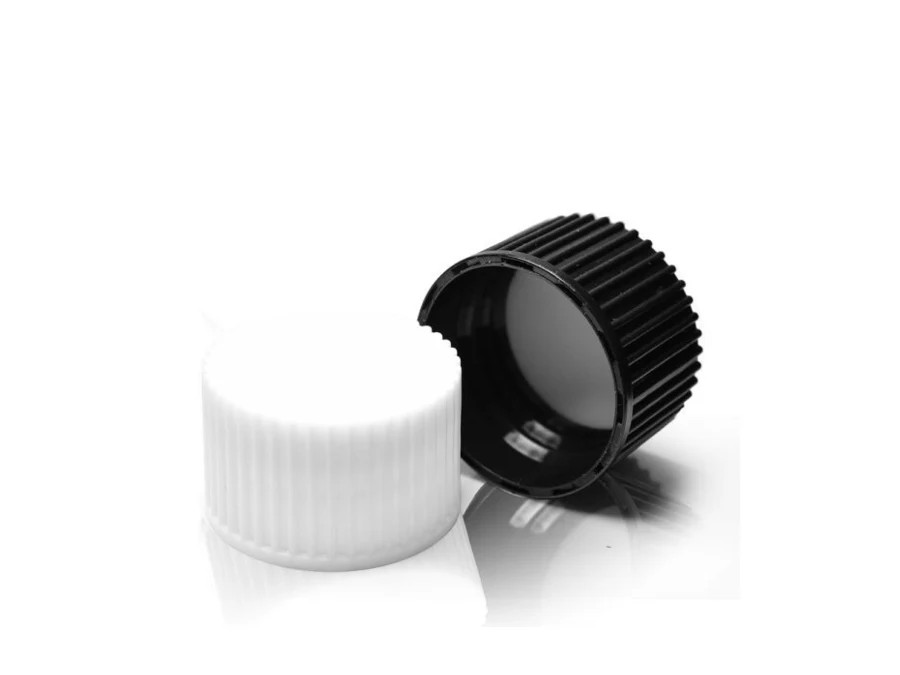
28/400 R3, EPE liner · Material: White PP plastic
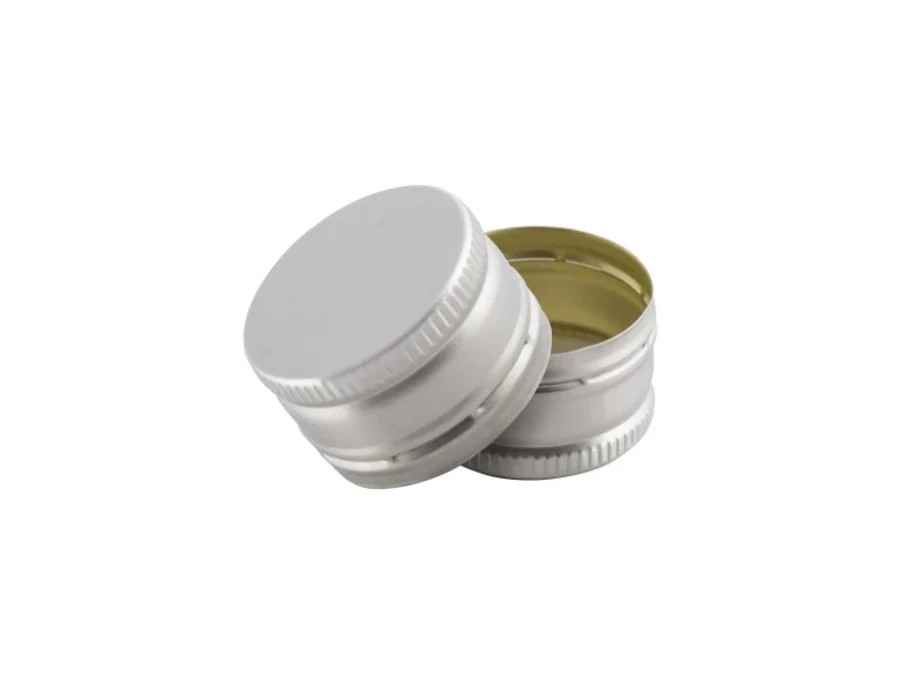
18mm, glass pipette, black tamper-evident cap · Material: PP cap + glass pipette
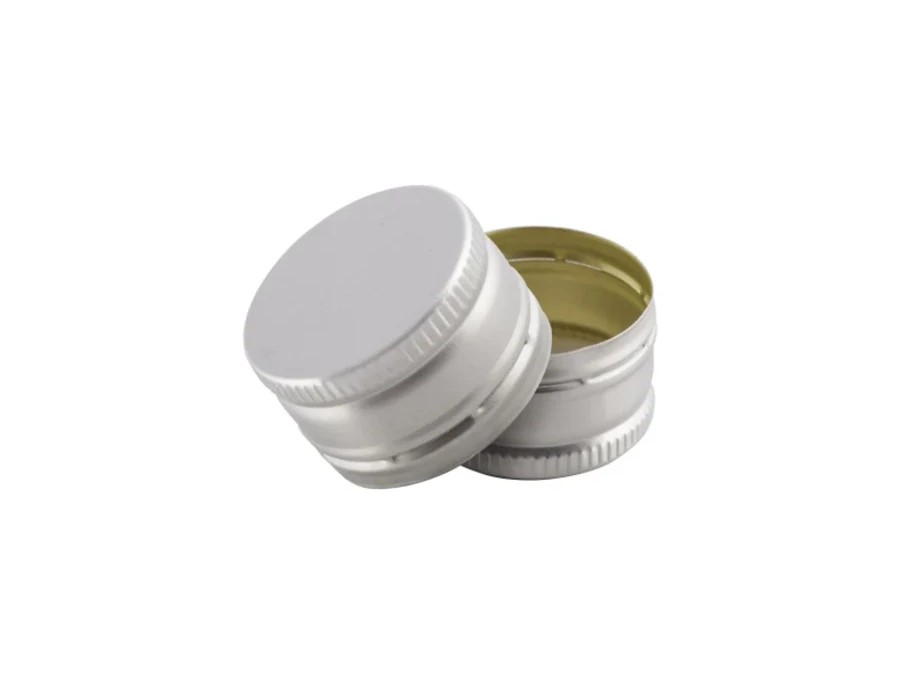
18mm, glass pipette, white cap · Material: PP cap + glass pipette
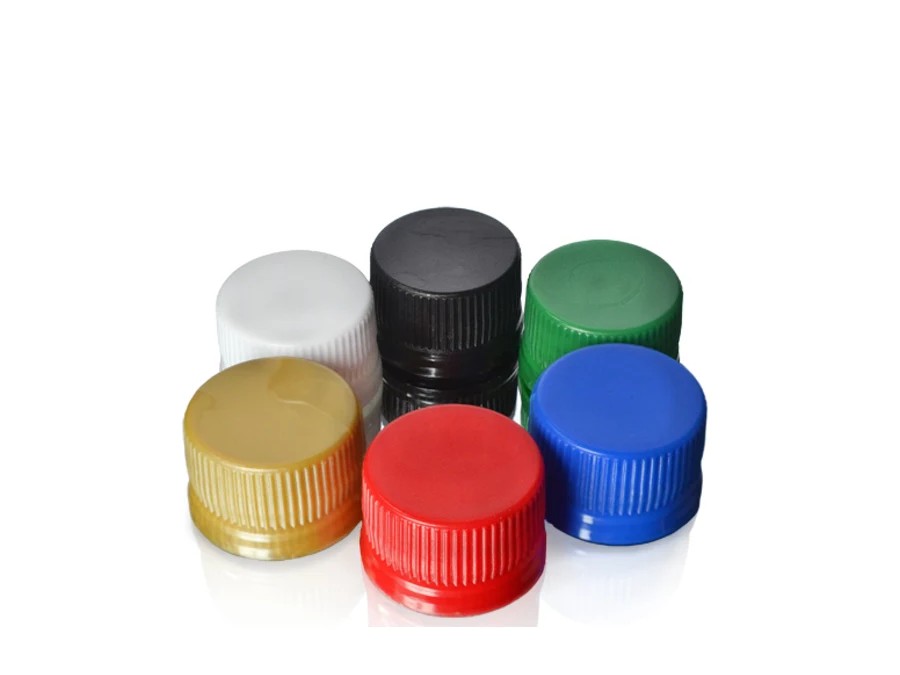
18mm, spray actuator, overcap · Material: Plastic spray closure
20/410, natural, dispensing orifice · Material: PP plastic
24/410, smooth side, liner optional · Material: PP plastic
24mm, natural spout/nozzle · Material: LDPE/PP plastic
24/410, dip tube, lock-down pump · Material: PP pump assembly
24/410, fine mist actuator, cap · Material: PP spray assembly
28/410, lock-down pump, dip tube · Material: PP pump assembly
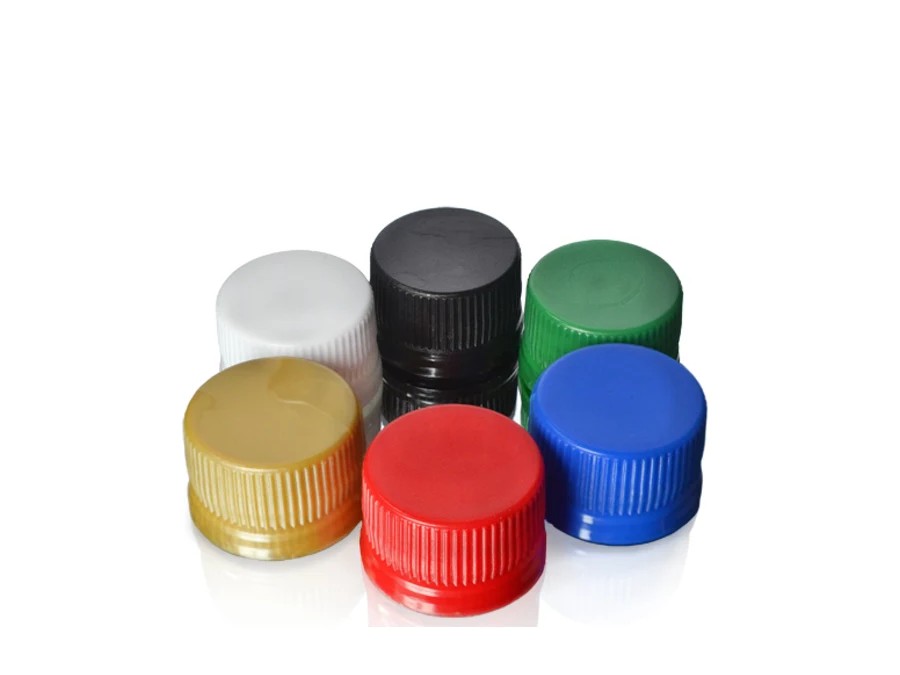
28/400, adjustable nozzle · Material: PP trigger assembly
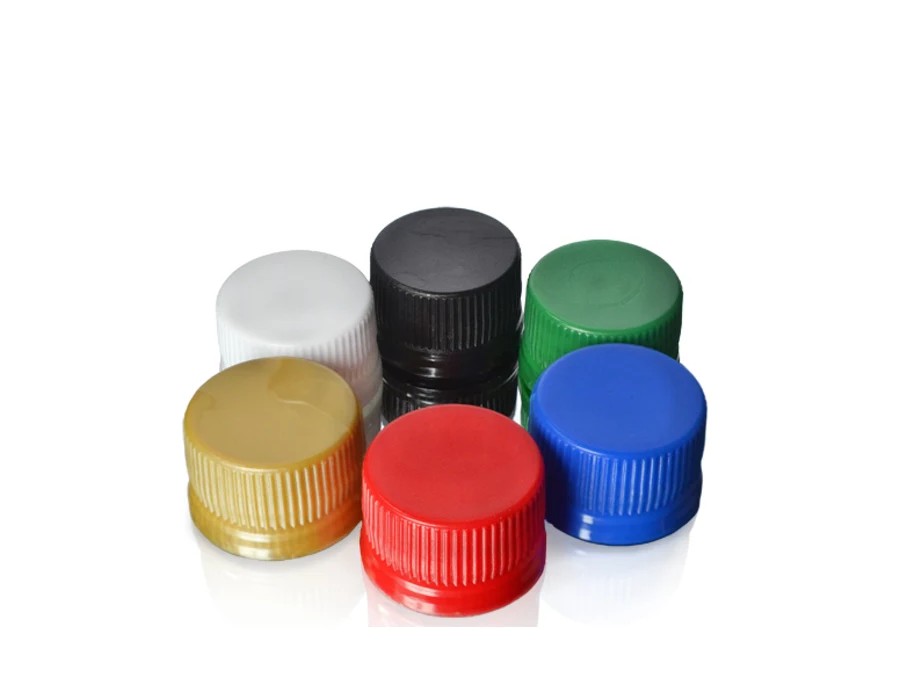
38mm, drink bottle finish · Material: HDPE/PP plastic
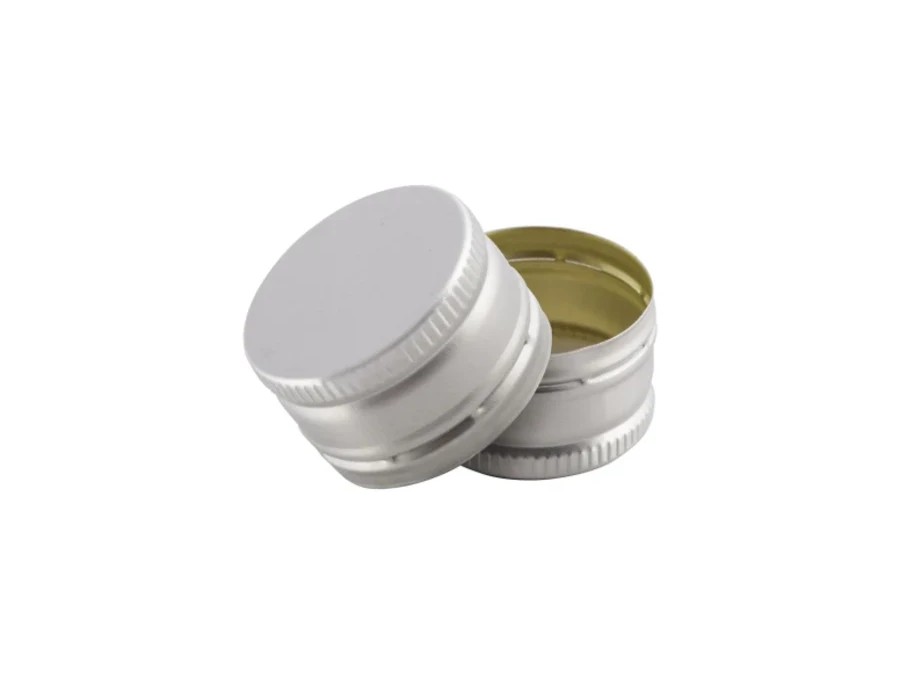
28mm MCA, tamper-evident, gold · Material: Aluminium/metal
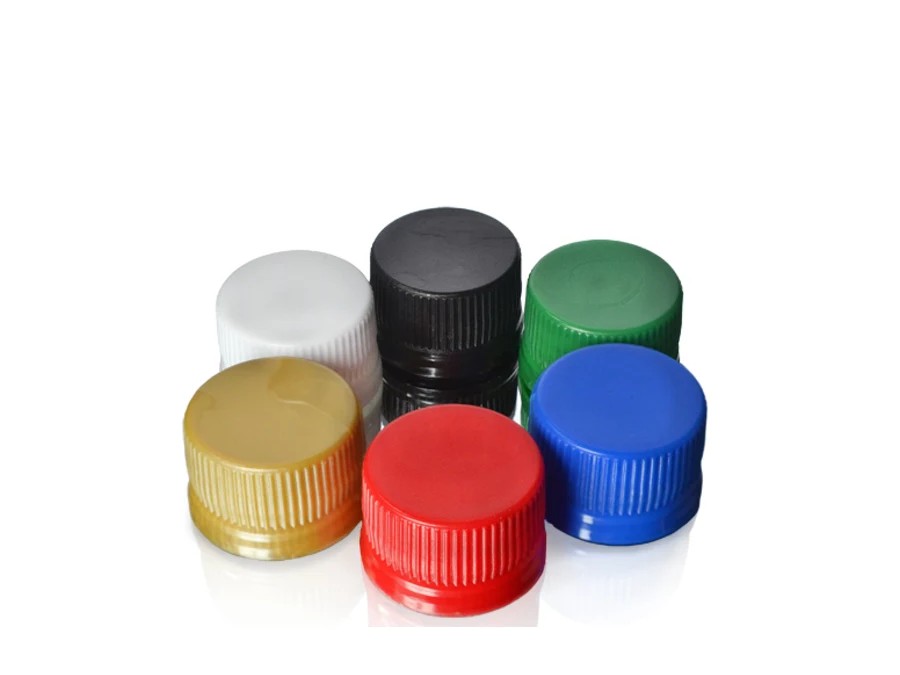
28mm MCA, black, tamper-evident · Material: PP/aluminium finish
26mm crown, pry-off · Material: Steel crown cap
26mm crown, pry-off · Material: Steel crown cap
wire bail + ceramic/plastic stopper · Material: Ceramic/plastic + wire
18/410, EPE liner · Material: PP plastic
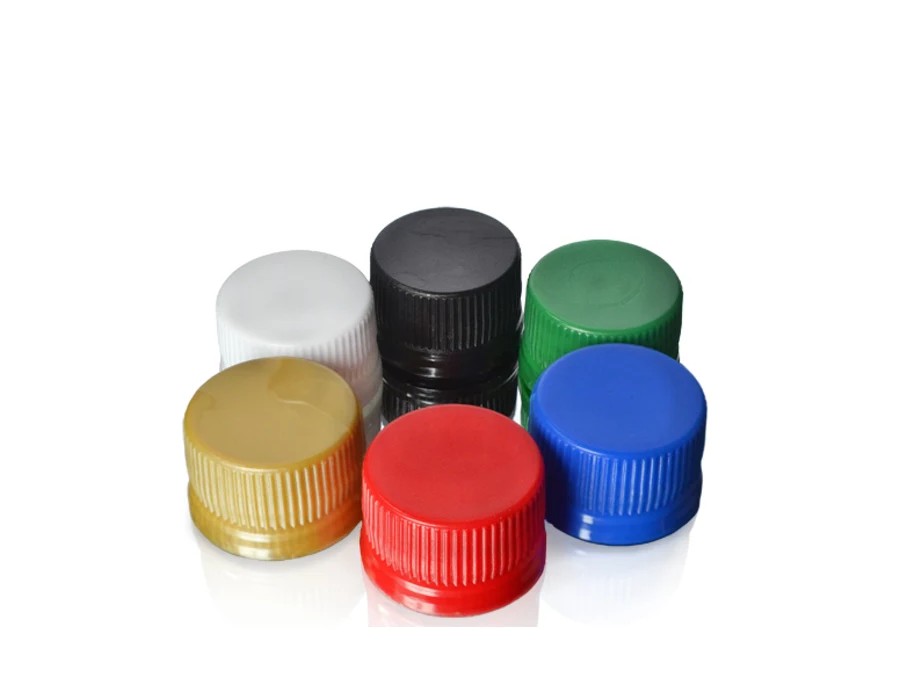
20/410, ribbed, EPE liner · Material: PP plastic
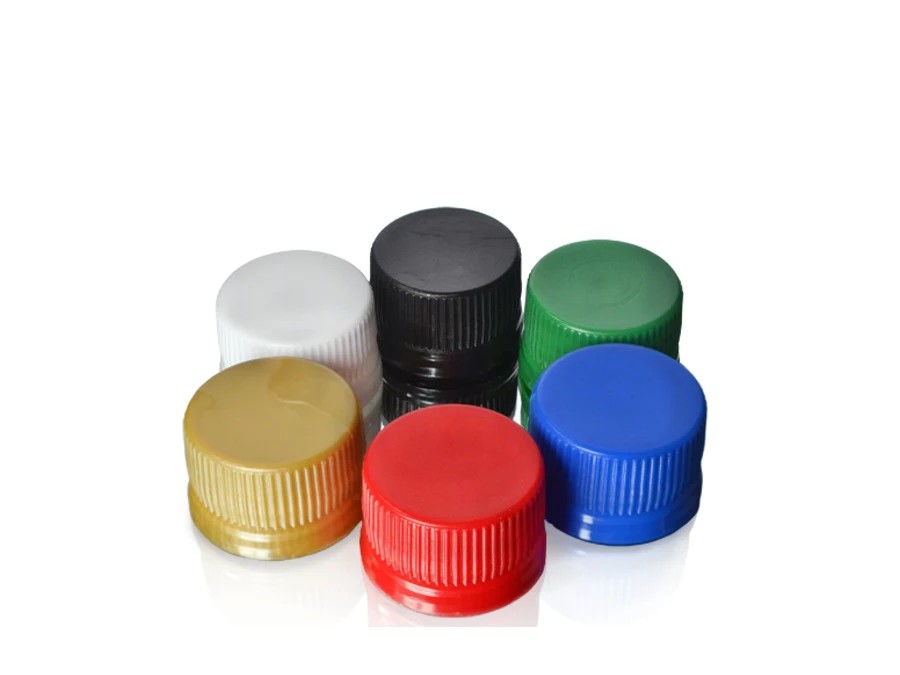
24/410, black, EPE liner · Material: PP plastic
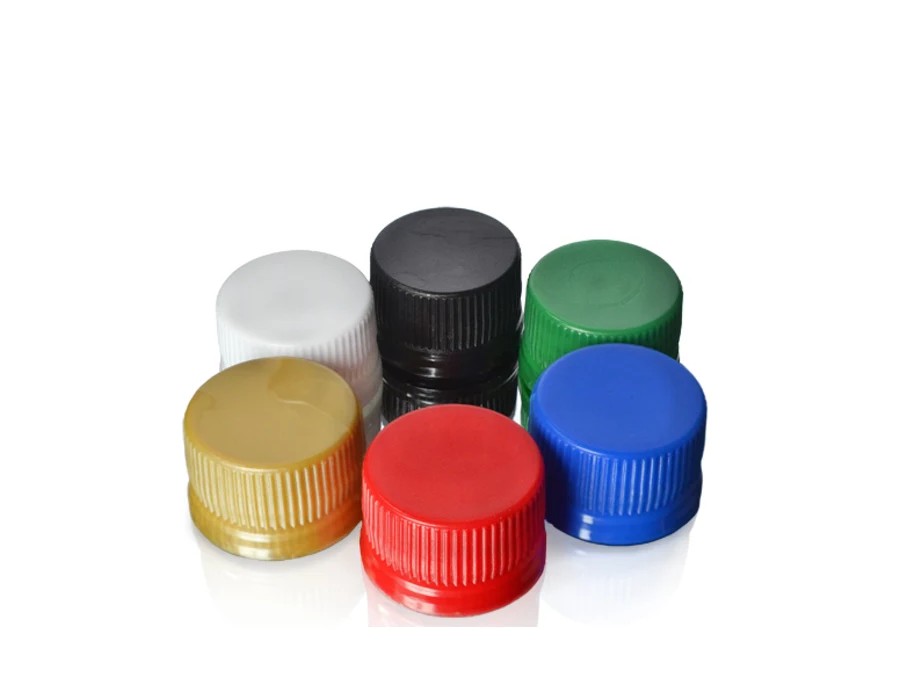
24/410, cone spout, tip cap · Material: LDPE/PP plastic
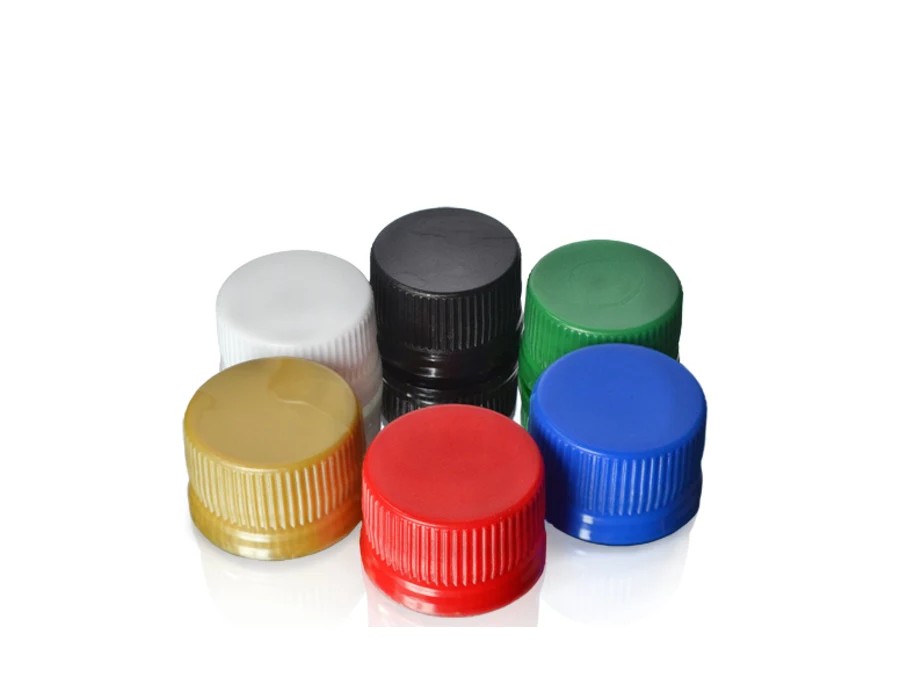
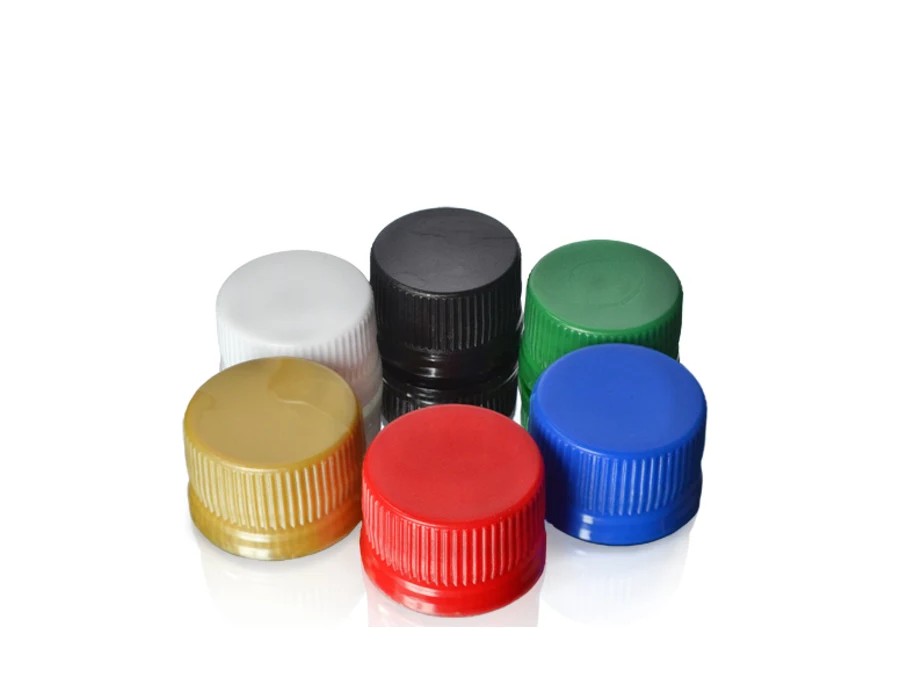
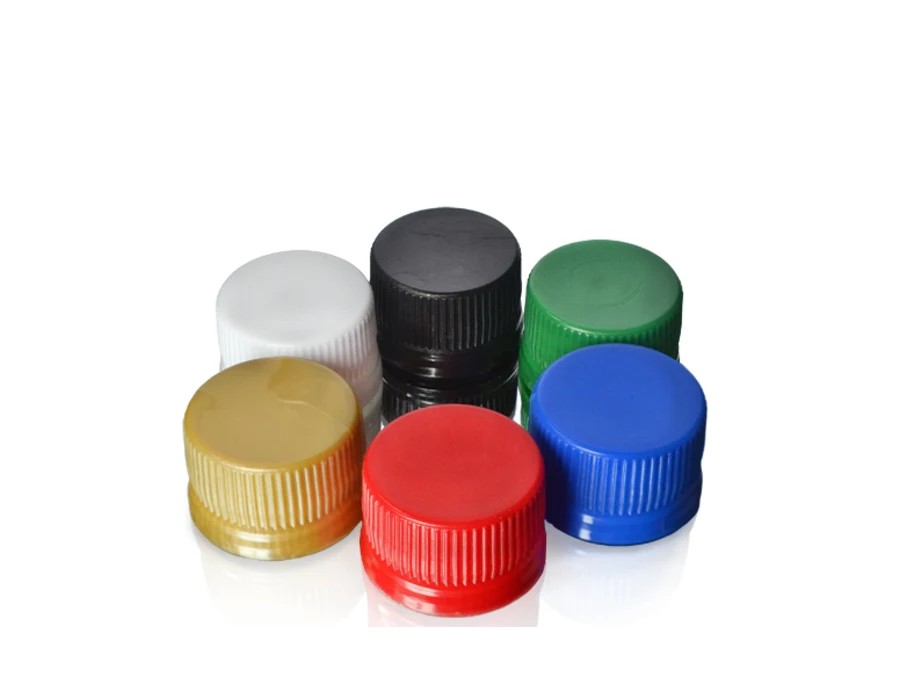
28/410, black, smooth collar · Material: PP pump assembly
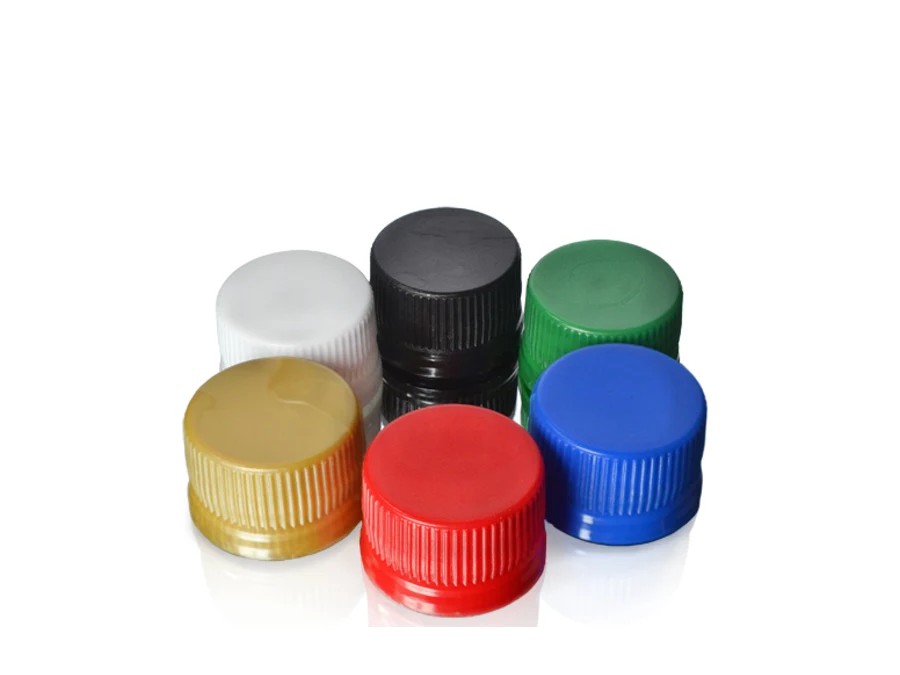
38mm, foam liner · Material: PP plastic
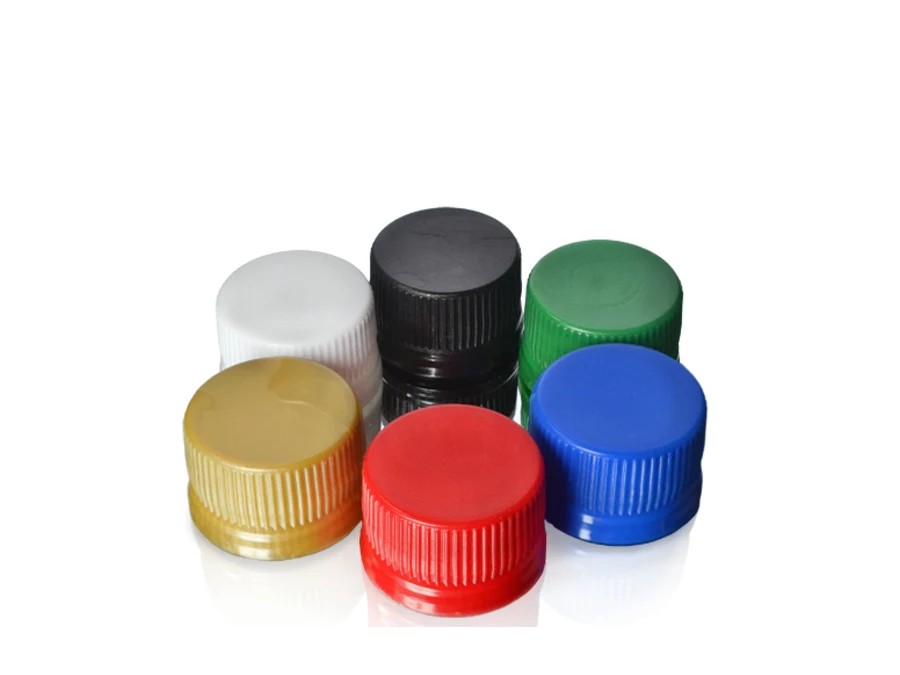
45mm, CR, lined · Material: PP plastic
70mm, lined, ribbed · Material: PP plastic
89mm CT finish · Material: PP plastic
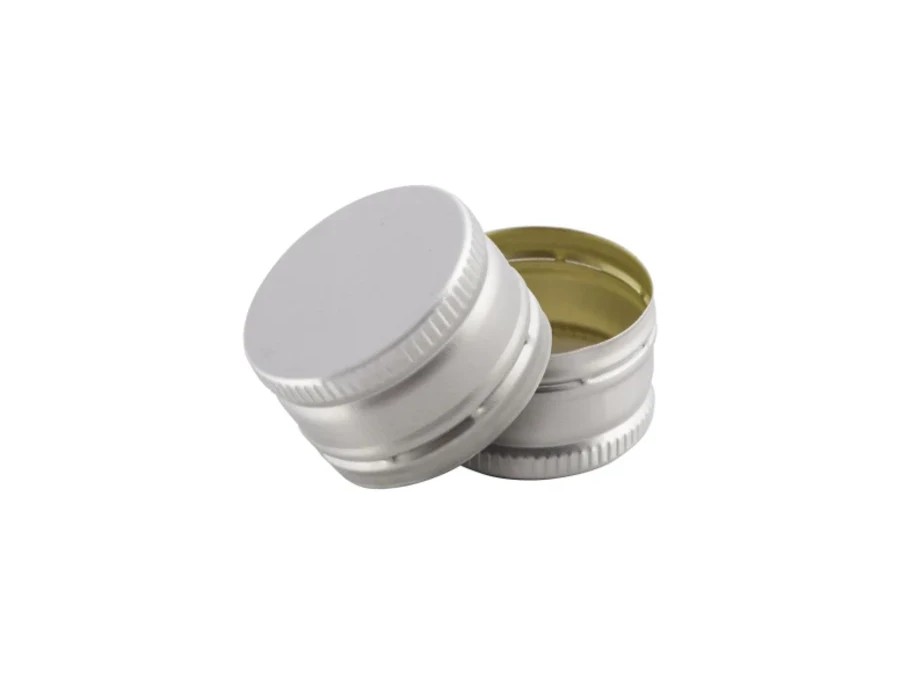
24/410, metal look, disc-top · Material: Aluminium/PP
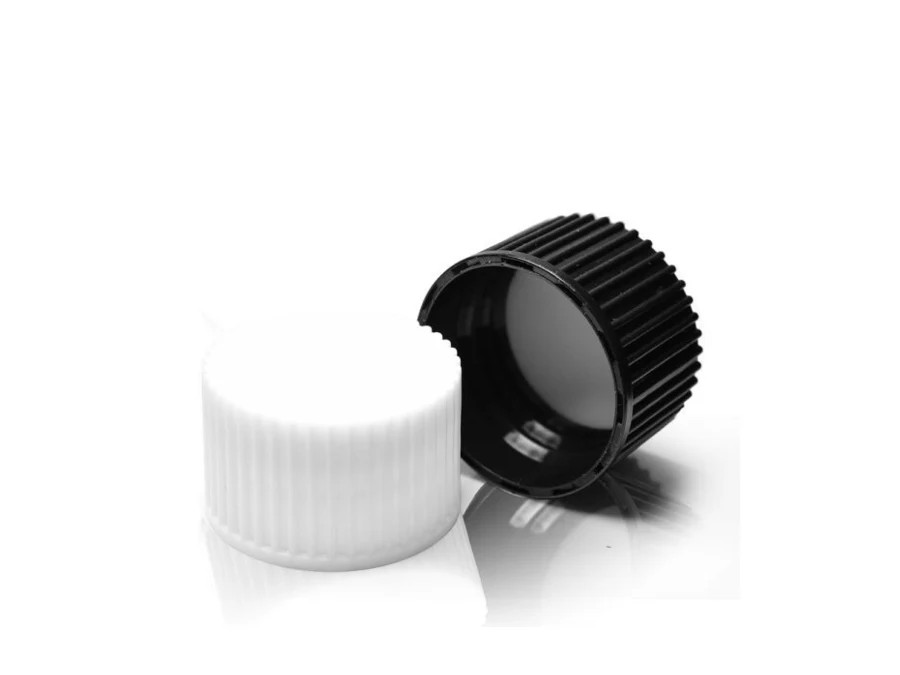
20/410, serum pump, clear overcap · Material: PP pump assembly
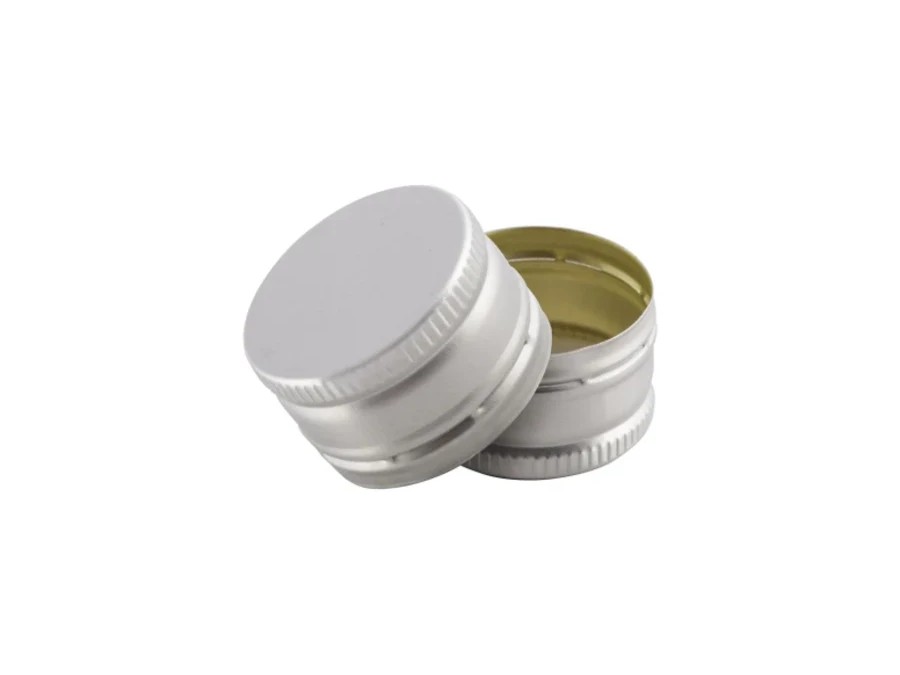
18mm, silver collar, glass pipette · Material: Metal collar + glass pipette
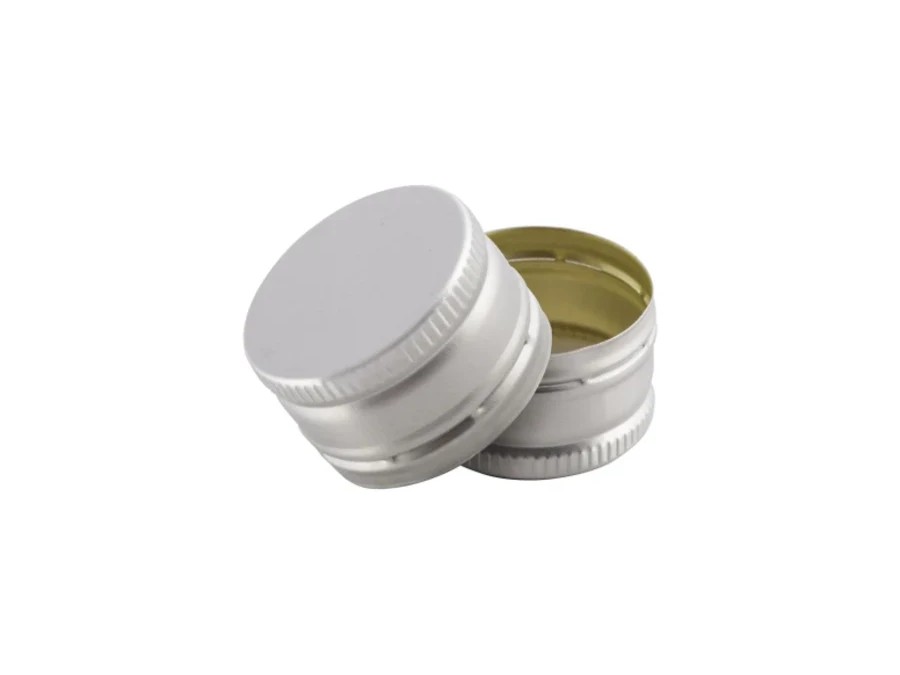
DIN18, dropper insert, tamper evident · Material: PP/LDPE plastic
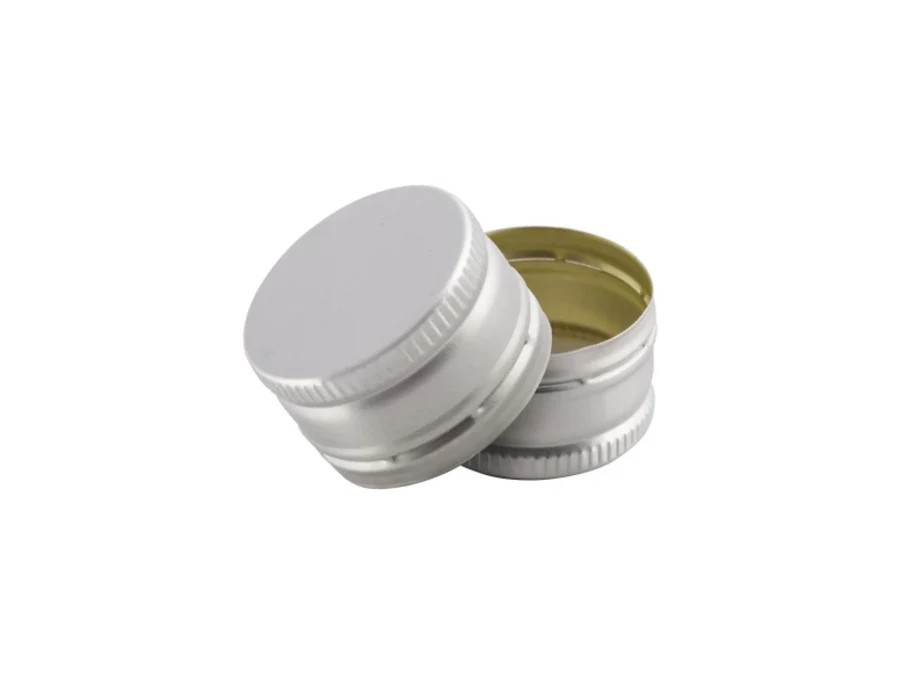
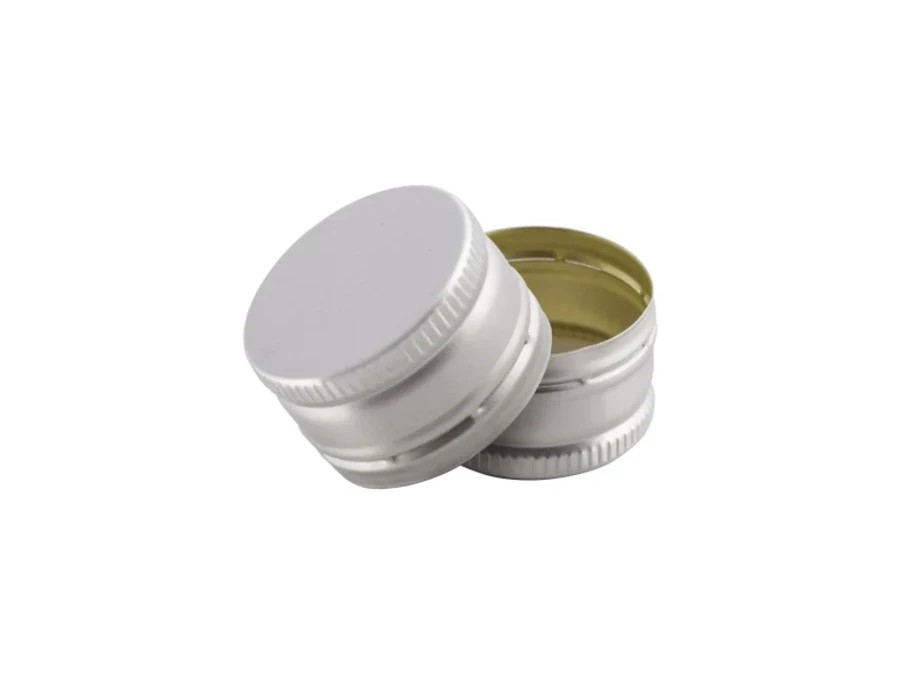
28mm, black, dip tube · Material: PP trigger assembly
24mm, white, overcap · Material: PP spray assembly
20mm, black, clear hood · Material: PP spray assembly
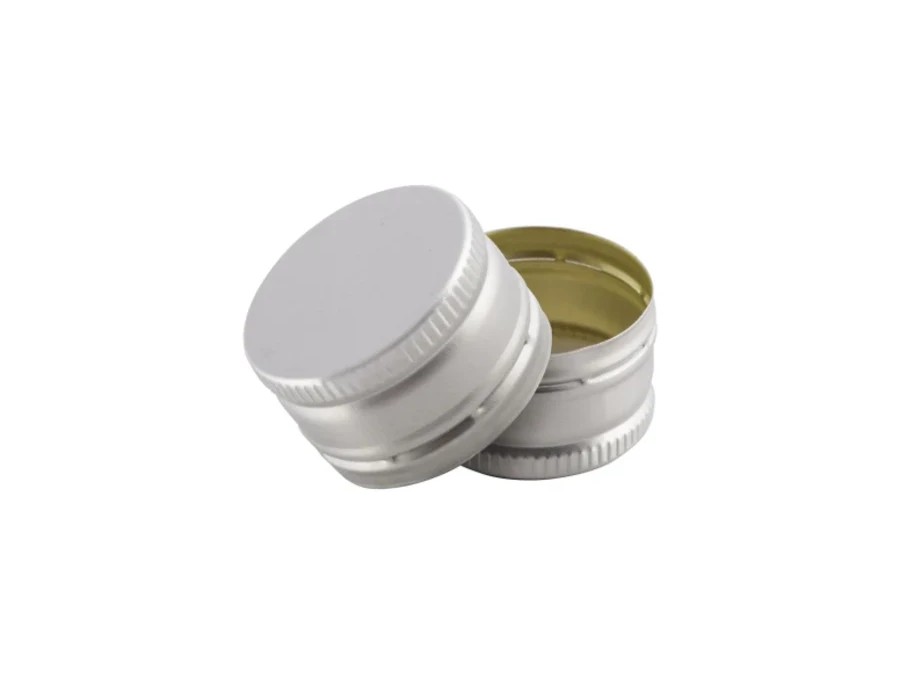
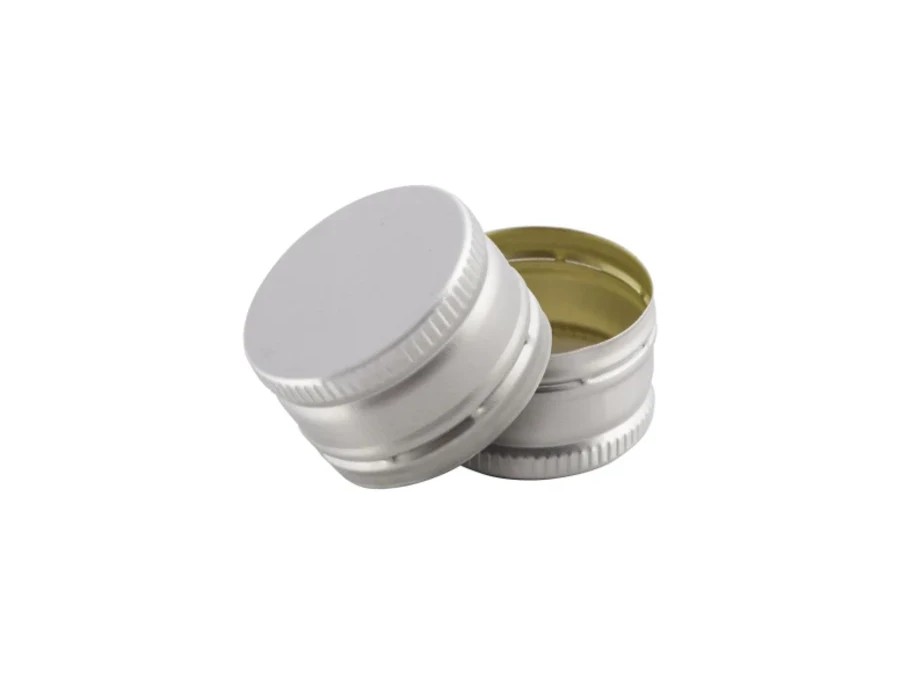
24mm, EPE lined · Material: Aluminium
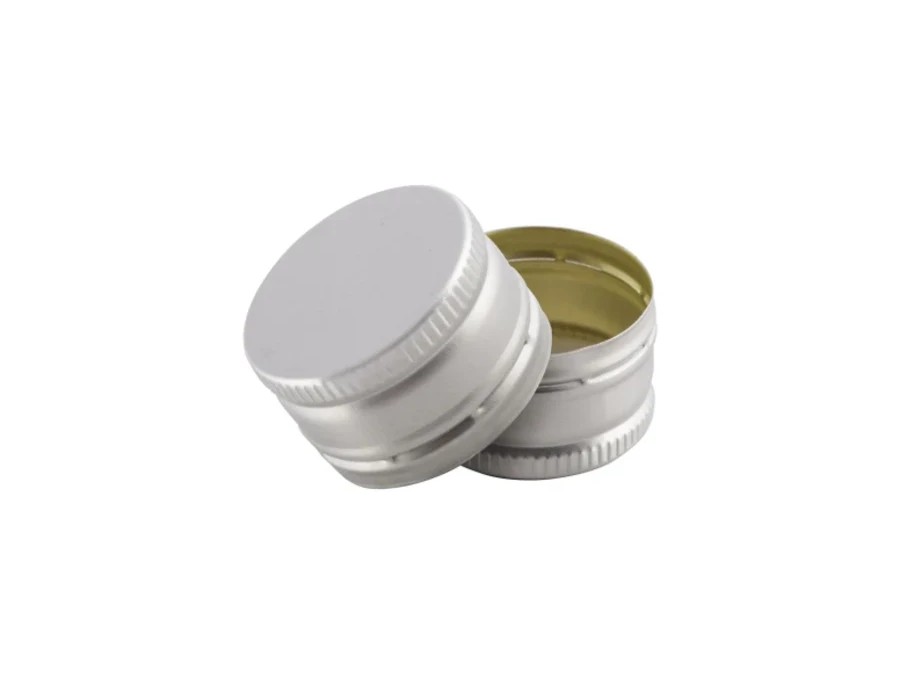
38mm, EPE lined · Material: Aluminium
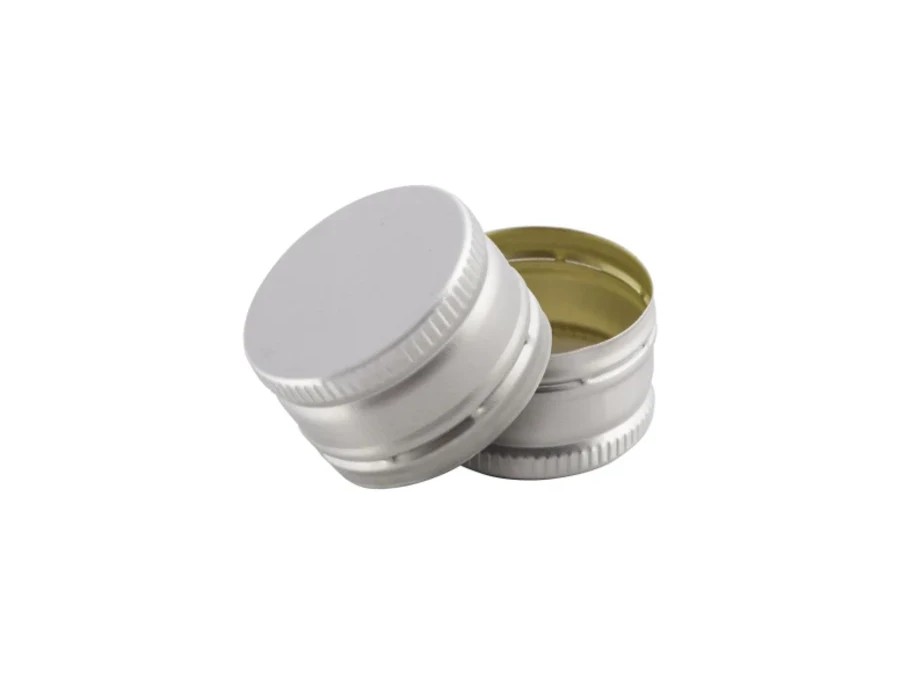
20mm, controlled drop insert · Material: LDPE insert
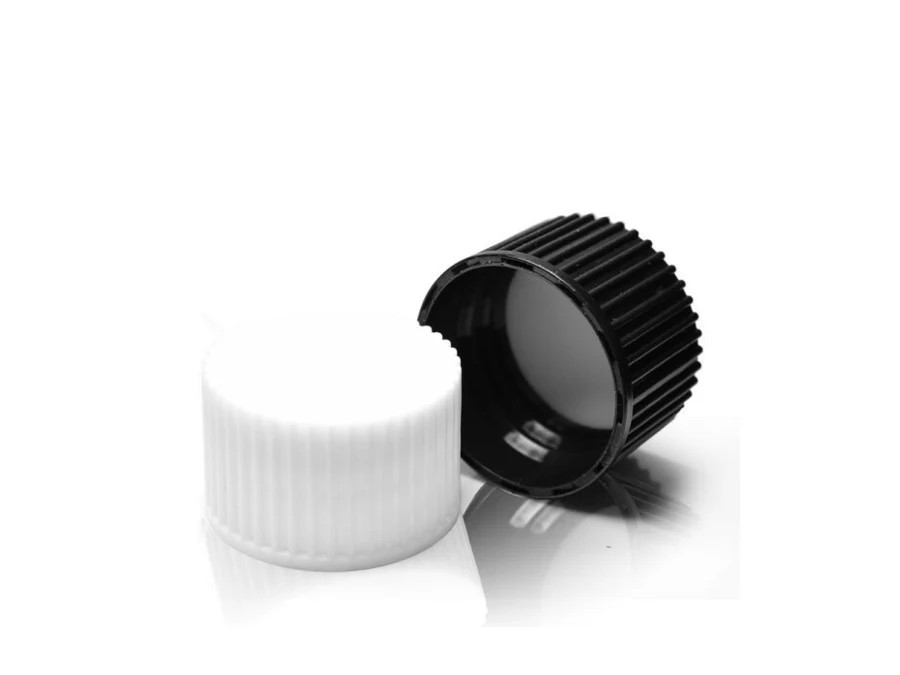
24mm, pour insert · Material: LDPE insert
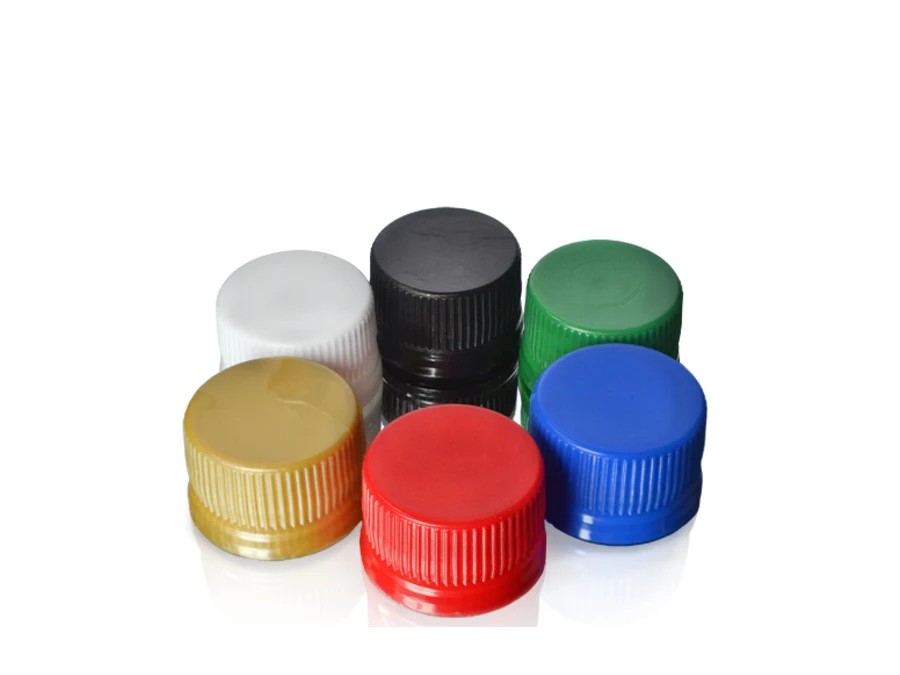
33mm, push-pull, tamper evident · Material: PP/HDPE plastic
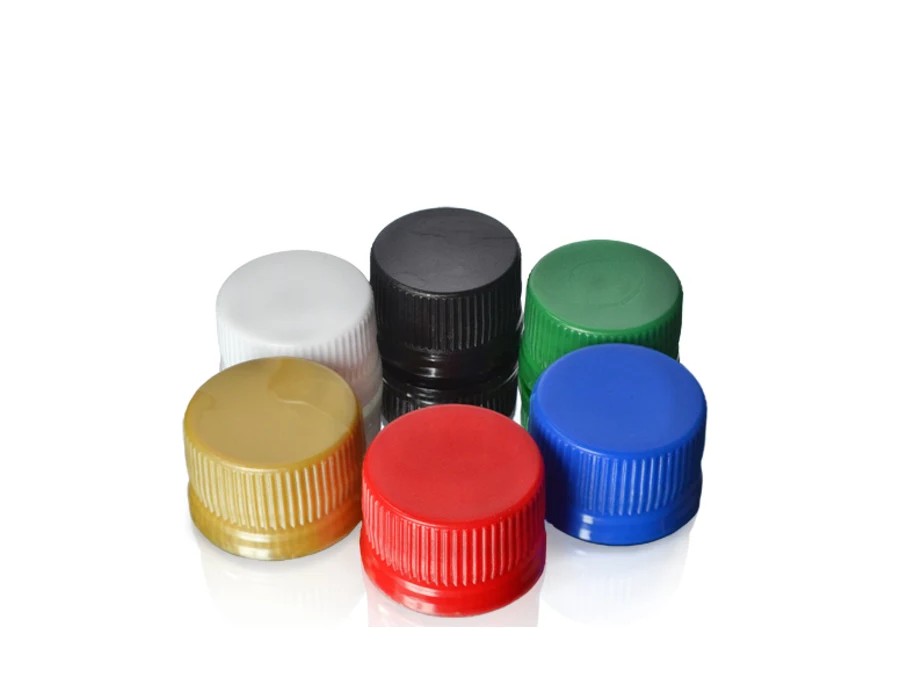
28mm, spout and hinged cover · Material: PP/LDPE plastic
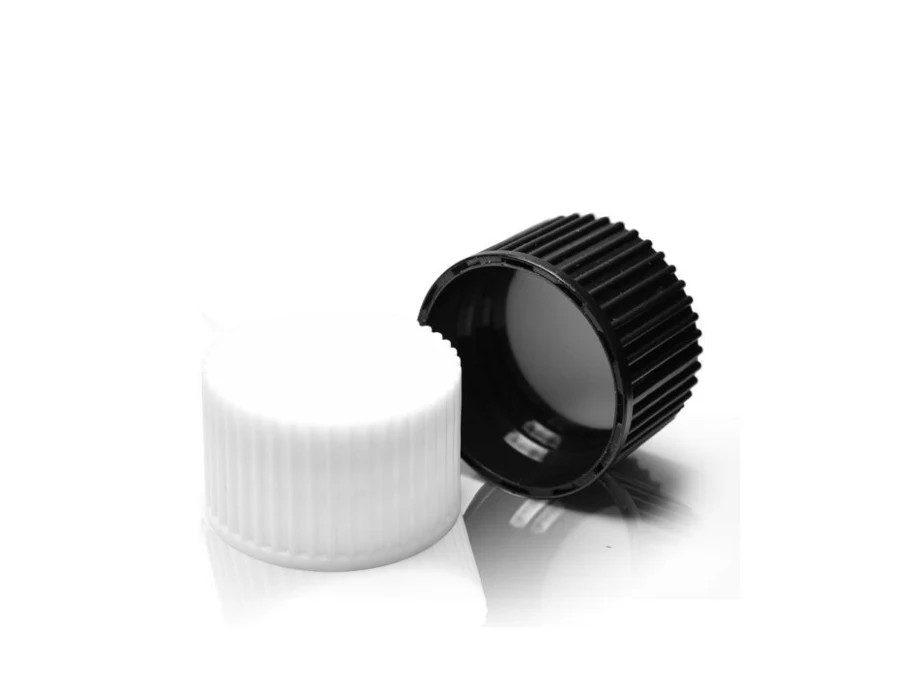
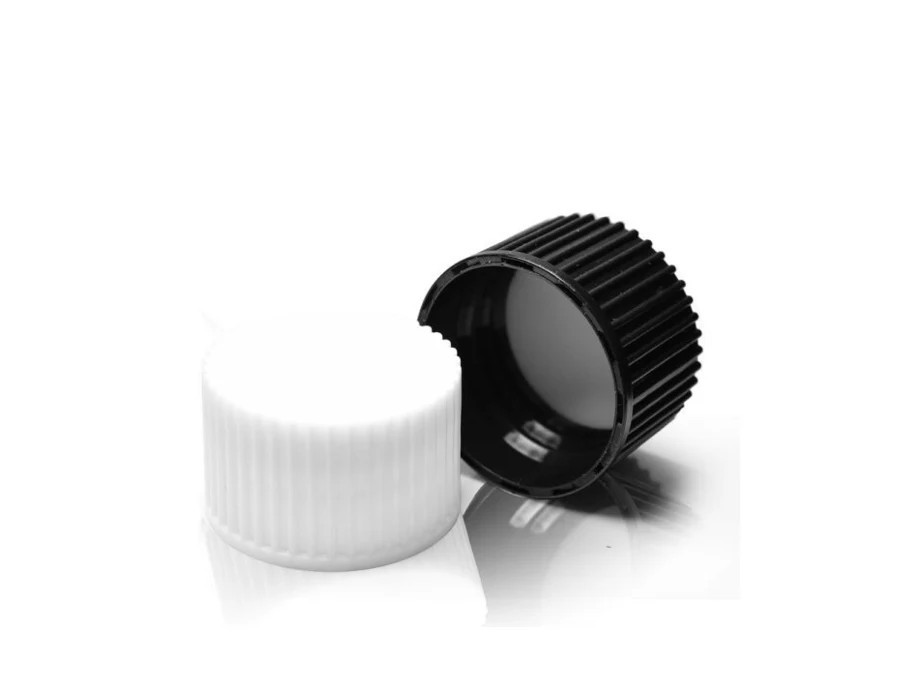
T-top, synthetic cork shank · Material: Synthetic cork + top
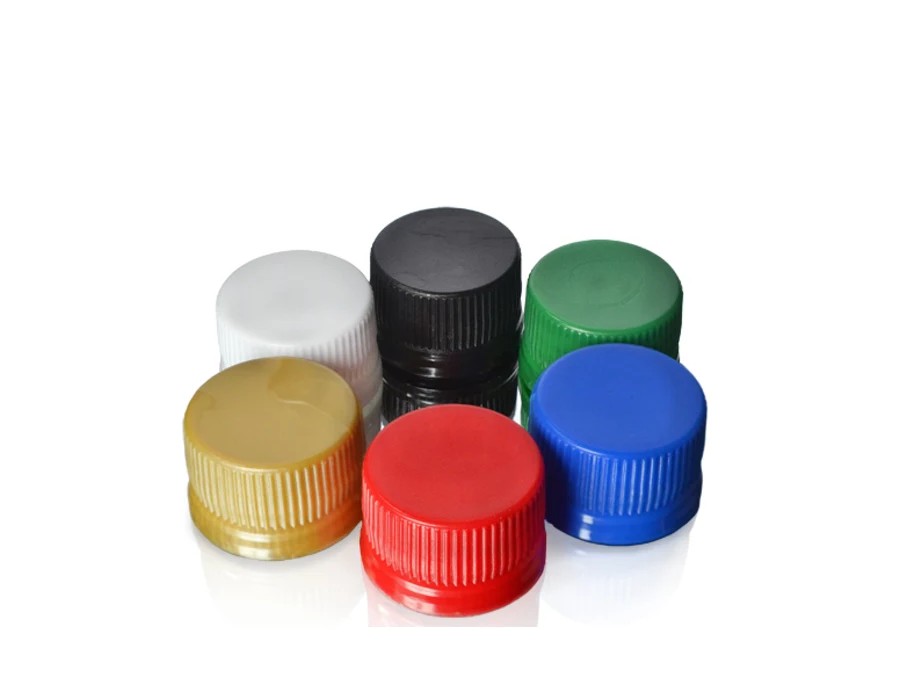
18mm, tamper-evident band · Material: PP plastic
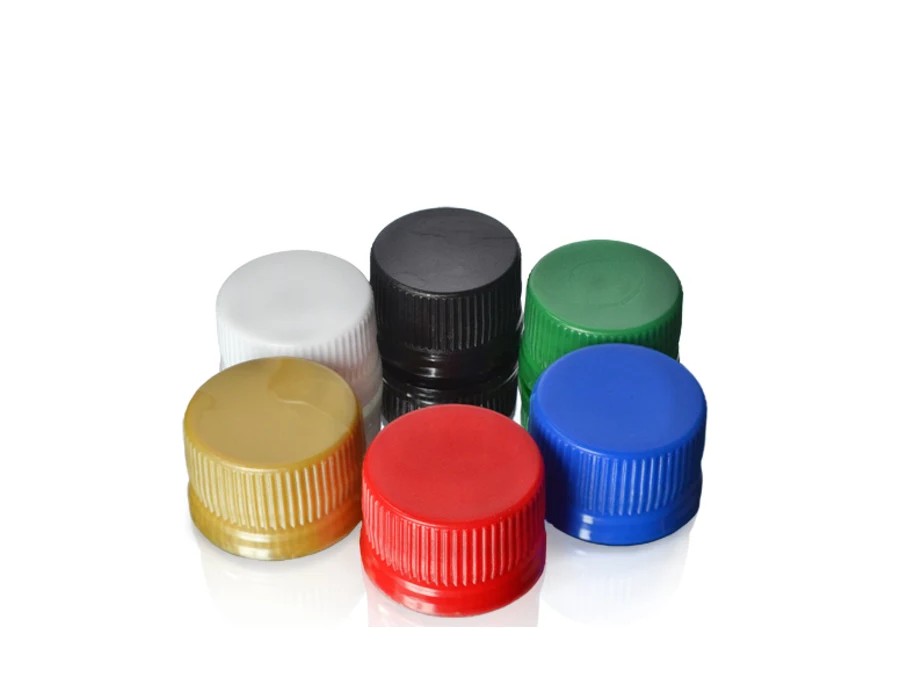
20mm, EPE liner · Material: PP plastic
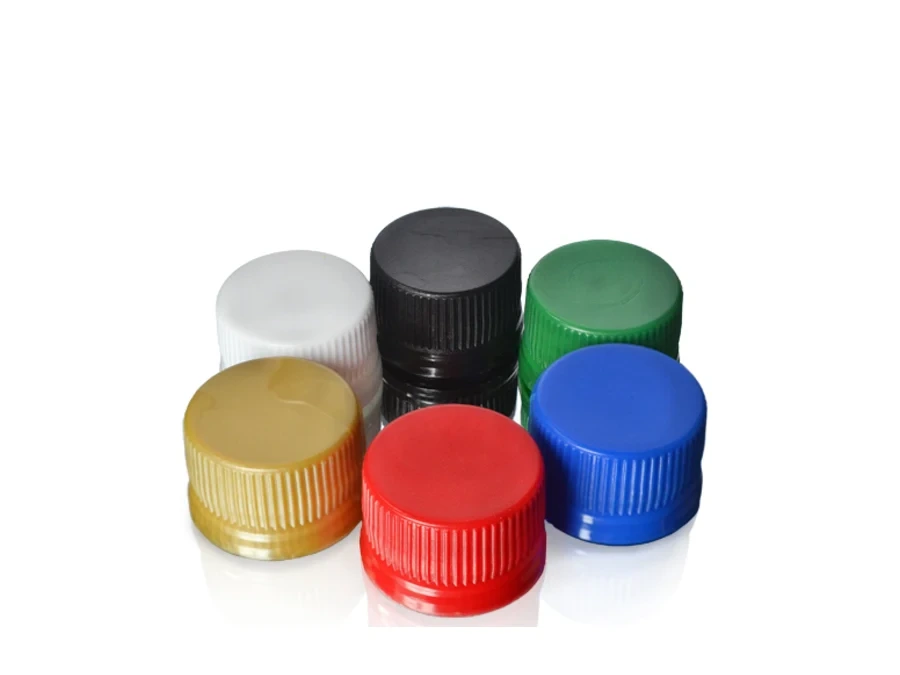
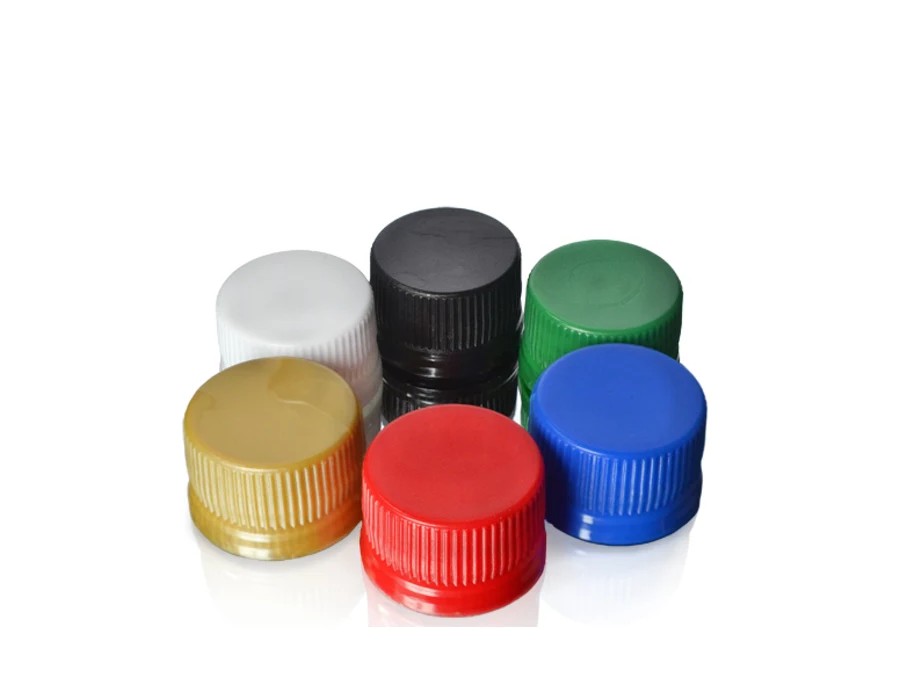
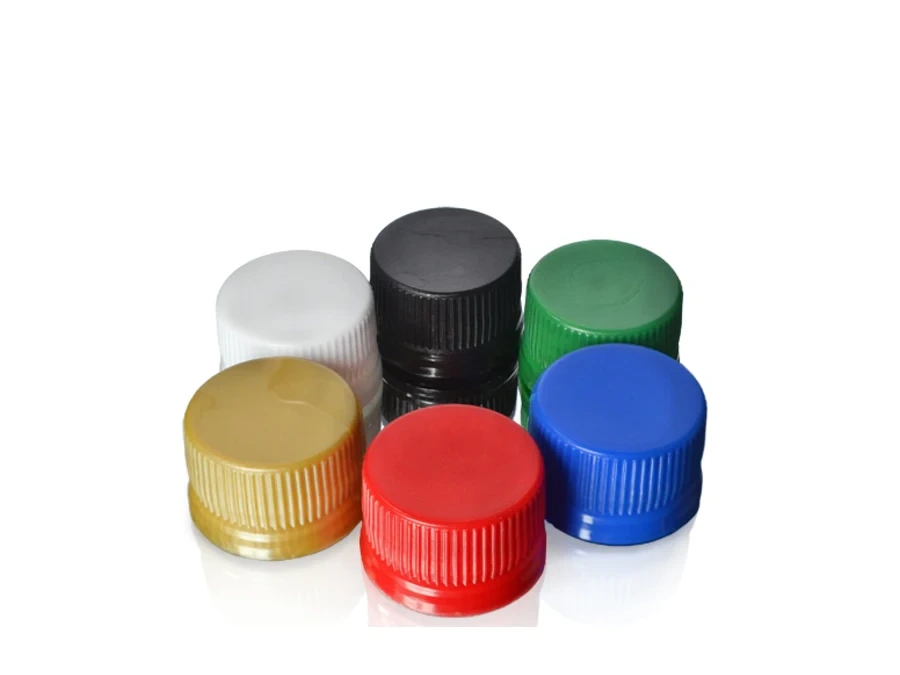
Range: coloured screw caps · Use case: colour-coded closures for bottle packaging
Range: dispensing and push-pull caps · Use case: sports caps, flip caps and dispensing closures
The closure is part of the primary pack. A visually similar cap can use a different thread, sealing system, liner, bore, tamper-evident band or application method, so bottle and cap references should be approved together.
| Neck finish | Confirm the complete finish designation or drawing, including thread profile, sealing land, bore and tamper bead. |
|---|---|
| Seal | Identify whether sealing is provided by a liner, bore seal, plug seal, wad or another feature and whether it suits the contents. |
| Function | Define screw, flip-top, disc-top, pump, spray, trigger, child-resistant or tamper-evident operation and the opening experience required. |
| Application | Set the closure presentation and application method, then validate torque, engagement, band break and leak performance on the actual bottle. |
| Dispensing | For pumps, sprays and triggers, confirm dip-tube length, output requirement and product compatibility without assuming performance from the closure name. |
Colour can support branding or line identification, but the pigment and closure material should be included in any environmental assessment. Small caps can be lost during sorting when separated. Recycle Now's symbol guidance explains that some packs instruct consumers to replace the cap after rinsing so it remains attached to the larger container; use only the instruction supported for the finished pack.
Liner and tamper-evident features can be essential to performance but may introduce another material. Record them in the specification and claim evidence. Where child resistance, food contact or chemical resistance is required, obtain the applicable documentation and test the exact bottle/closure combination.
Send bottle and cap samples or exact references, contents, fill conditions, capping method, required function, quantity and any compliance evidence needed. Use the bottle and cap compatibility guide and closure guide before requesting production quantities.
Secure bottle closure depends on the complete neck finish, thread or snap geometry, sealing surface, liner or plug, closure material and the filled product. The application method and required evidence of opening, tamper indication or dispensing also affect the selection.
Use the intended bottle and contents to evaluate engagement, seal contact, leakage, back-off, stress, liner behaviour, dispensing and repeated opening where relevant. Torque values and settings must come from the actual closure/bottle trial and the component supplier guidance; they should not be inferred from another pack.
Record the bottle and closure references together. If either component changes, decide whether the fit and compatibility assessment must be repeated.
Document closure and liner materials separately from the bottle. Attached or retained components can influence a complete-pack recyclability assessment, while consumer-removable parts may be treated differently under the current methodology. The UK EPR guide links to the reporting-year source. For bottle and closure trial planning, use the compatibility test plan.
Closure performance is created by the interaction between neck, thread, sealing surface, liner or plug, application method and filled product—not by nominal diameter alone.
Closures with the same nominal diameter can use different thread forms, heights, tamper bands, sealing systems or liner geometries. Those differences change engagement and sealing. Match the complete neck-finish specification and test the exact pair. The cap leak and cross-thread guide explains common failure paths.
A liner may need to seal surface irregularities, resist the packed product, maintain compression through storage and support the chosen tamper-evident or induction-seal arrangement. The correct construction depends on the closure, neck land, product and process. Use the liner compatibility guide rather than choosing by colour or thickness alone.
Application torque, chuck or spindle condition, thread start, neck support, bottle rigidity, liner compression, product contamination and temperature can all affect the result. A higher torque is not automatically safer and can damage threads or tamper features. Establish a controlled application window through representative capping and leak tests.
Tamper evidence is a pack-system question whenever performance depends on the bottle bead, neck finish, liner, induction foil, shrink band, opening sequence or visible evidence after first use. The closure and container must be approved together, with the actual filling and capping process and any legal or customer requirements reviewed by the competent team.
Assess the exact bottle and closure combination because PET and HDPE can differ in stiffness, neck behaviour and response to capping loads. Confirm thread fit, liner or plug seal, tamper-band function, removal behaviour and filled-product compatibility. Compare the bottle materials in the PET versus HDPE guide.