PET bottle considerations
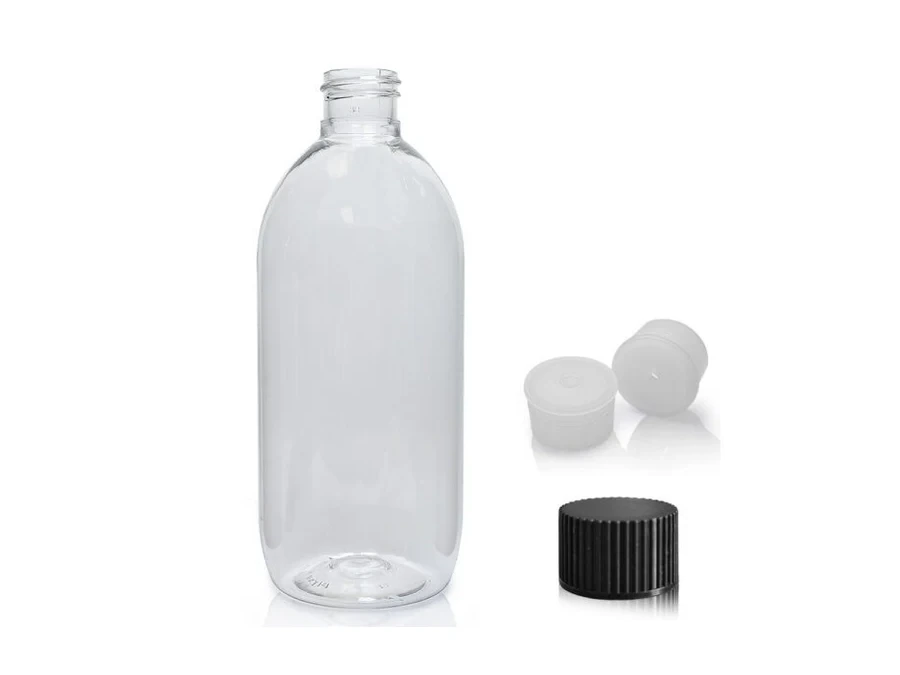
Check PET bottle geometry, wall behaviour, closure and label as part of the intended process rather than relying on resin name alone.
Select packaging against the full temperature profile from filling through closing, cooling, storage and use. A material label alone does not prove suitability. The exact bottle or pouch geometry, closure, liner, label, product and process determine whether the pack retains shape, seal integrity and appearance.
Record the product temperature at the filler, the time before closure, the closure point, the cooling method and the temperature at which labelling, packing and palletisation occur. Those stages can affect container geometry, seal formation, vacuum, condensation and label adhesion in different ways.
A nominal material-temperature statement does not approve a finished pack. Test the exact container or pouch, closure or seal, label and product through the intended fill temperature, residence time, cooling method, storage and distribution conditions.
| Process risk | What to verify |
|---|---|
| Product temperature | Actual range at the filler, not an assumed nominal value |
| Closing stage | Time to cap or seal, contamination and headspace |
| Cooling | Method, rate, orientation and internal pressure/vacuum effects |
| Secondary components | Liner, label, adhesive, sleeve and tamper evidence |
| Approval | Filled-pack observations over the defined storage period |
Temperature changes the product, pack and process at the same time. It can alter bottle stiffness, pouch seal formation, liner compression, internal pressure or vacuum, label wet-out and the time before a closure is applied. Cooling rate and headspace can be as important as the initial fill temperature.
Define the actual temperature at each stage, not only a headline “hot fill” or “cold fill” description. The supplier should confirm what is known for the exact item, and the buyer should validate the finished pack.
As a filled product cools, volume and internal pressure can change. If the pack geometry, headspace, closure seal or cooling process is unsuitable, a bottle may panel, a closure may lose or gain load, or a pouch may distort. Hot product can also soften a pack or contaminate the seal before closing.
Observe the pack during filling, closing and cooling, then inspect after defined storage. A visually acceptable pack immediately after filling may change later.
Apply labels at the intended stage and assess condensation, surface movement, adhesive wet-out and later edge lift. Confirm that liners and plug seals tolerate the product and temperature while maintaining compression. For pouches, validate the sealant, dwell, pressure and contamination control with the actual hot or cold contents.
Use the label defect guide and pouch seal guide when those components are part of the format.
Record product batch, fill temperature range, container or pouch reference, closure and liner, fill volume, headspace, time to close, cooling method, pack orientation, label timing and inspection intervals. Define acceptance for leakage, shape, closure operation, seal, label and product quality before the trial.
Retain approved samples and settings. A material, geometry, closure or process change should trigger a documented review of whether the temperature trial remains applicable.
Check PET bottle geometry, wall behaviour, closure and label as part of the intended process rather than relying on resin name alone.
Compare pouch webs, sealants, fitments and sealing conditions where a flexible pack is being considered.
Define a filled-pack trial with the actual temperature profile, measurements, inspection points and acceptance criteria.
Discuss this packaging requirement Browse all packaging questions