EPR fee modulation

How do UK EPR modulated fees affect packaging choices?

Use the RAM result, material weight and exact finished-pack specification together. A polymer name alone does not determine the producer disposal fee.

Direct answer

From 2026, the household packaging waste disposal fee is varied by the pack’s RAM rating.

PackUK’s published policy uses the Recyclability Assessment Methodology (RAM) rating to modulate the household packaging waste disposal fee element for in-scope packaging. Amber is the unadjusted reference position, red attracts a higher fee through a published factor, and green receives a discount funded by the additional amount collected from red-rated packaging.

The final cost cannot be read from the rating alone. It also depends on the relevant material base fee, the producer’s reported tonnes, the classification of the packaging and PackUK’s final published calculations. A packaging supplier can provide component data, but the obligated producer remains responsible for its assessment and reporting position.

Current source check: this guide reflects PackUK material available on 1 September 2026. Use the current official statement and reporting-year RAM before making a financial or compliance decision.
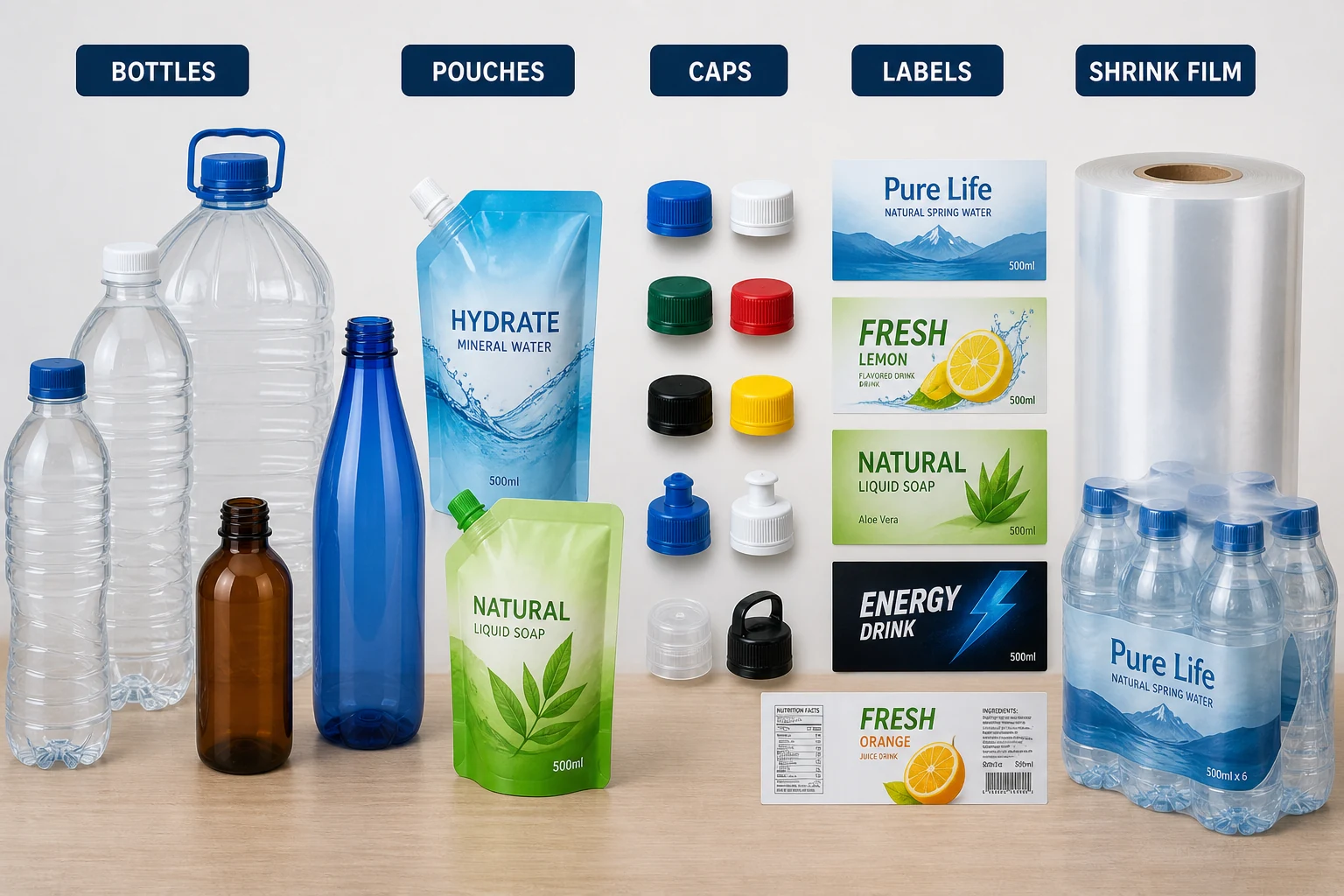
Packaging categories assessed for EPR fee and recyclability evidence
Published modulation approach

What red, amber and green mean for the fee element

The figures below summarise PackUK’s policy for the household packaging waste disposal fee element. They are not a quotation or a calculation of any producer’s total liability.

RAM outcomePublished treatmentBuyer implication
RedThe fee element is multiplied by 1.2 for 2026 to 2027, 1.6 for 2027 to 2028 and 2.0 for 2028 to 2029 under the current policy statement.Identify the feature causing the red result before changing material or format. The issue may be a closure, label, adhesive, colour, barrier, fitment or another component rather than the main body alone.
AmberAmber is the base position and receives no change from modulation.Retain the evidence and decision path. An amber result is not proof that the pack is unsuitable, nor should it be described as green.
GreenA lower fee is created by redistributing the additional revenue generated from red-rated packaging. The final discount is calculated after relevant data are available.Do not promise a fixed saving before PackUK publishes the applicable final modulated fees. Keep the approved green-rated configuration under change control.

Read PackUK’s current modulation statement

Procurement workflow

Build the fee evidence from the exact supplied pack

1. Define the itemList the primary pack and every closure, liner, label, sleeve, fitment, valve, adhesive, seal and inseparable component. Use supplier references rather than a generic description.
2. Record material and weightObtain the current material structure and the data needed to allocate packaging weight correctly. Do not estimate a multi-layer pouch or closure assembly from appearance.
3. Use the correct RAM yearApply the methodology and supporting outputs specified for the reporting period. Retain the source version and date accessed.
4. Separate rating from invoiceRecord the RAM outcome, but keep the fee calculation with the producer’s packaging data, material base fee and final PackUK figures.
5. Control substitutionsA new label, adhesive, colour, liner, cap, trigger, barrier or supplier can change the assessment even when the principal pack shape remains unchanged.
6. Link evidence to purchasingAttach the approved pack version and supporting records to the item code or bill of materials so purchasing changes trigger review.
Questions buyers ask

Practical questions about EPR fee modulation

Does a green RAM rating always make the total EPR invoice lower?

Green receives a lower household packaging waste disposal fee element under the modulation policy, but a producer’s total liability still depends on the applicable material fees, tonnes, packaging classification and other charges. Compare like-for-like pack options using current final fee data rather than a rating in isolation.

Can the packaging supplier calculate the producer’s EPR bill?

A supplier can provide item references, material declarations, component weights and change-control information. The producer or its compliance adviser must apply the regulations to its own activities, reported volumes and packaging classifications.

Does recycled content automatically improve the RAM rating or fee?

No. Recycled content is a separate material-input fact and may be relevant to Plastic Packaging Tax records. The RAM result follows the applicable recyclability stages and pack features. Keep the recycled-content evidence separate from the RAM assessment.

What packaging changes should trigger reassessment?

Review changes to material, colour, barrier, direct print, label, adhesive, sleeve, closure, liner, valve, trigger, fitment, dimensions, supplier or removability. The exact trigger depends on the current RAM rules and the feature affected.

Should a buyer switch material solely to reduce the fee?

No. Product protection, food or product contact, line performance, leakage, shelf life, distribution and total pack weight still matter. First identify the reason for the rating, then test a technically suitable alternative as a complete pack.

Related evidence

Request packaging component information Browse packaging products

This page provides procurement and evidence guidance, not legal, tax or compliance advice. Obtain specialist advice for the organisation’s obligations and calculations.