EPR and RAM guidance

UK packaging EPR and recyclability assessment

Assess the finished packaging against the official methodology for the correct reporting year; do not treat a polymer name or recycling symbol as the result.

Direct answer

RAM is a reporting methodology, not a generic product badge.

Under UK extended producer responsibility for packaging, liable large producers assess relevant household packaging using the Recyclability Assessment Methodology and report the result with their packaging data. The assessment applies to the packaging supplied, including the components and features defined by the current guidance.

Version control matters. GOV.UK currently directs producers assessing the 2026 reporting year to the 2026 materials-and-outputs guidance and publishes RAM 2027 for the 2027 reporting year. Record the reporting period and source version in the approval file.

This page provides a buyer workflow, not legal advice. The producer remains responsible for determining obligations and completing the official assessment.

Packaging material categories used in a complete-pack recyclability assessment
Assessment workflow

Move from pack definition to a controlled result

1. Confirm scopeDetermine whether the organisation and packaging fall within the relevant EPR and RAM obligations. Use the current GOV.UK “who is affected” and reporting guidance.
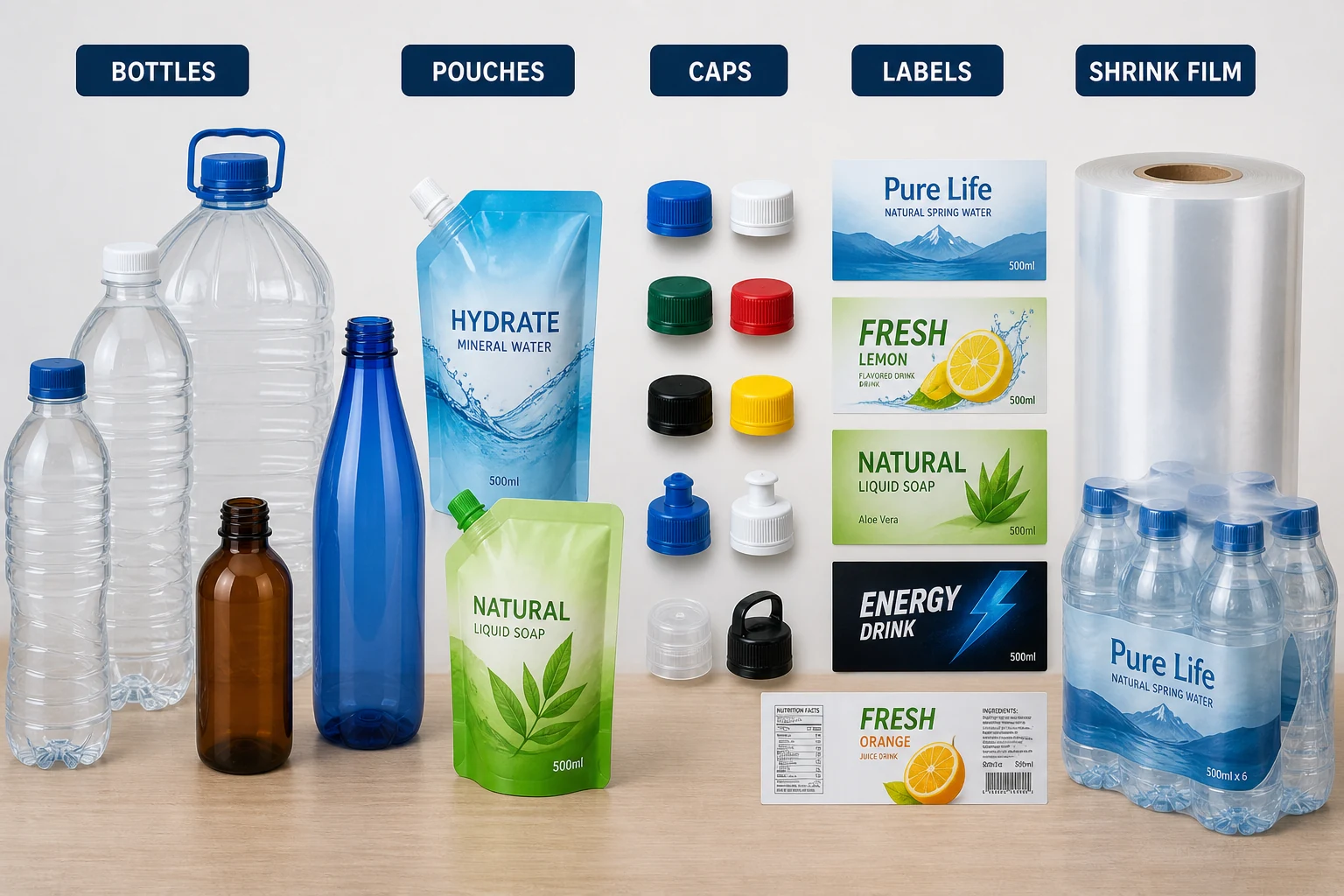
2. Define the supplied packList the primary component and every closure, liner, label, adhesive, sleeve, fitment, seal, valve and other attached or inseparable part. Record consumer-removable components separately.
3. Identify materialsUse supplier specifications and weights for the actual components. Do not infer a complete material structure from appearance or a short product name.
4. Apply the reporting-year stagesFollow the official collection, sorting and reprocessing assessment for the relevant material and output. Use current collection classifications rather than an old local-authority assumption.
5. Record evidence and outcomeRetain the data sources, assessment result, methodology version, responsible person, date and pack/artwork version. Link the result to the exact packaging supplied.
6. Review changesReassess when the pack structure, component supplier, label, adhesive, closure, artwork, market or official methodology changes in a way that could affect the outcome.
Buyer evidence pack

Documents to request before approving a recyclability statement

Component evidence

  • Current component specification and drawing.
  • Material declaration and component weight where needed.
  • Label, adhesive, ink, sleeve, liner and fitment details.
  • Statement showing which components remain attached or are removable.
  • Supplier change-notification process.

Assessment evidence

  • Reporting year and RAM/source version.
  • Collection classification and supporting source.
  • Sorting and reprocessing assessment inputs.
  • Final rating and any assumptions or evidence gaps.
  • Approved consumer wording and artwork version.
Keep recycled content separate. A recycled-content percentage is a material-input claim supported by supplier and tax records. It does not by itself prove that the finished pack is recyclable. Use the Plastic Packaging Tax evidence guide for that record.
Common failure points

Avoid shortcuts that make the evidence file unreliable

Assessing the main polymer only

Closures, liners, labels, adhesives, sleeves and fitments can affect the finished-pack assessment. Record the complete supplied configuration.

Using an outdated methodology

Keep the reporting year and guidance version with the result. Do not automatically carry an earlier result into a later reporting period.

Confusing collection with full recyclability

Collection is one stage. The official methodology also addresses subsequent stages and material-specific outputs.

Using the Mobius loop as evidence

A symbol or resin code does not substitute for the official assessment and the exact supplier data.

Current UK assessment questions

Questions to resolve before a recyclability result is used in reporting or artwork.

UK guidance changes by reporting period. The liable producer should use the current official methodology and retain the component data, assumptions and evidence that support the assessment.

Which RAM version applies to packaging placed on the market in a particular reporting year?

Use the Recyclability Assessment Methodology version and supporting guidance specified for the relevant reporting period. PackUK published RAM 2027 for the applicable 2027 assessments. Check the official page before each reporting cycle rather than carrying forward an earlier result automatically.

Is each packaging component assessed separately?

Not always. Current official guidance distinguishes components that are easily separable by hand from those that remain attached or require tools or mechanical sortation. Record the pack as supplied and used, including caps, liners, labels, sleeves, pumps, triggers and fitments, then follow the component rules in the applicable methodology.

Does a green RAM rating prove that every local authority collects the pack?

No. A RAM rating is produced under the methodology and reporting rules; it should not be presented as a guarantee that every household collection accepts the finished pack. Consumer disposal wording and commercial environmental claims need their own current evidence and clear scope. The CMA’s Green Claims Code guidance explains why the claim must identify what it covers.

Can a packaging supplier declare the buyer’s final EPR status?

A supplier can provide product and component information, but the obligated organisation remains responsible for applying the rules to the packaging it supplies or imports and for its reporting position. The buyer should combine current supplier data with its own brand, filling, component and market information and obtain specialist compliance advice where required.

How should a recyclability result be retained?

Keep the assessed configuration, component weights and materials, supplier references, methodology version, decision path, supporting evidence, assessor and approval date. Link the result to artwork and purchasing versions so later substitutions are visible. A new cap, label, sleeve or pouch fitment may require review even when the principal material remains unchanged.

Request component information Browse packaging questions