Should I use a bottle or a pouch for my product?
Compare bottles and pouches by product protection, filling, closure, labelling, transport, end-of-life evidence and the tests needed before changing format.
Use direct, evidence-led answers to shortlist packaging, prepare a line or sample trial, diagnose common faults and build a quote-ready specification.
Each page gives the direct answer first, then explains the variables, trade-offs, evidence and next step. The guides do not replace an item-specific specification or competent product, safety and compliance review. They help a buyer ask the right questions and provide Lancing with a complete enquiry.
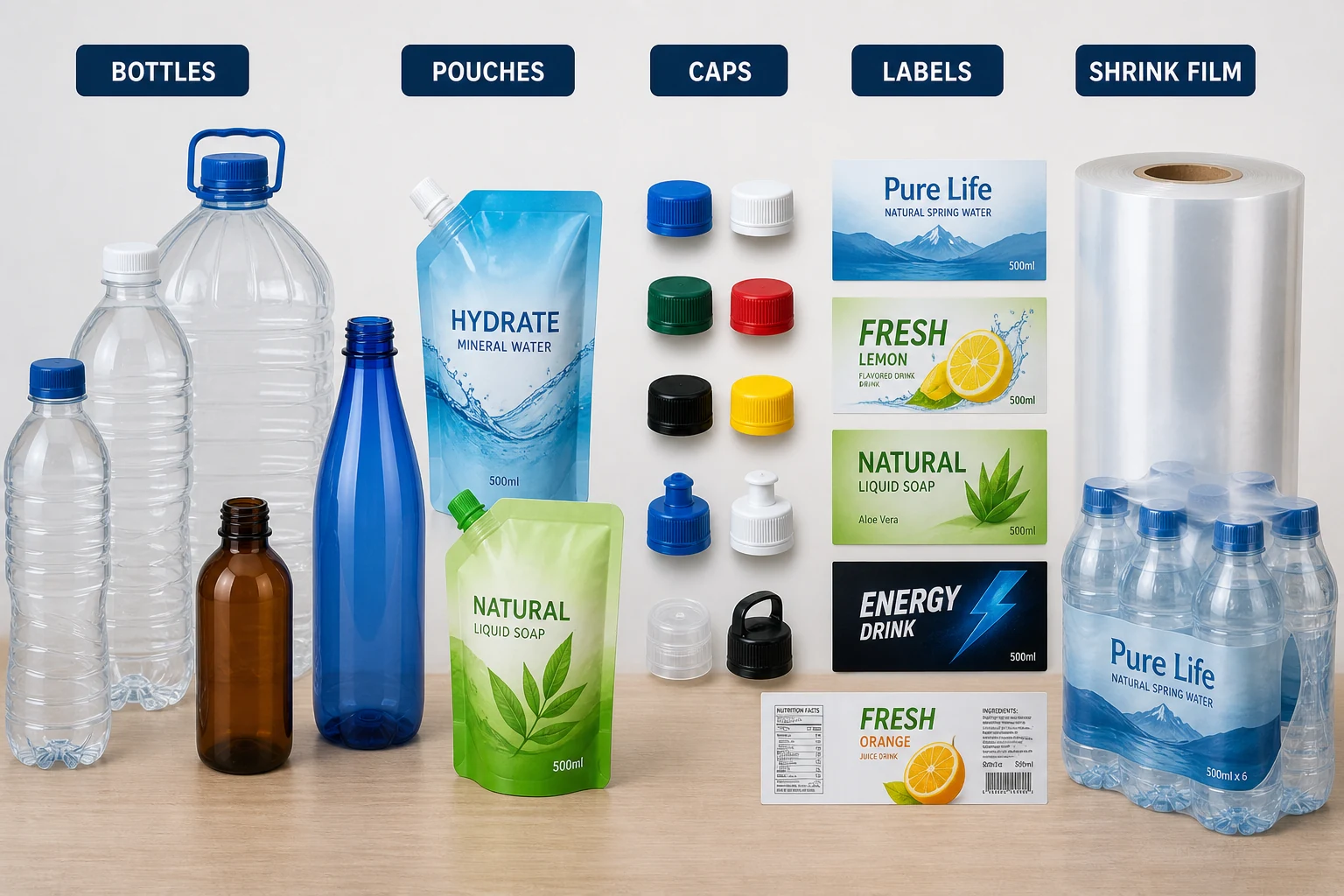
Compare bottles and pouches by product protection, filling, closure, labelling, transport, end-of-life evidence and the tests needed before changing format.
Specify bottles, pouches, closures, labels and film for automated handling using controlled dimensions, tolerances, samples, line trials and approved pack data.
Choose bottles, pouches and dispensing closures for viscous liquids, creams and gels by flow behaviour, clean filling, dispensing, compatibility and trials.
Select and test packaging for hot, warm or cold filling by temperature profile, cooling, vacuum, closure, liner, label, pouch seal and filled-pack behaviour.
Diagnose bottle-cap leaks, loosening and cross-threading through neck-finish matching, torque, liners, sealing lands, product contamination and controlled trials.
Diagnose label lift, bubbles, wrinkles and movement through surface condition, container geometry, adhesive, label stiffness, roll setup and timed trials.
Diagnose pouch seal failures through contamination control, sealant and web structure, sealing window, fitments, cooling and defined integrity tests.
Identify packaging-related filling-line stoppages caused by container, closure, label, pouch and film variation, then control data, samples and trials.
Qualify food-contact packaging by exact item, food type, contact time and temperature, supplier evidence, migration or use conditions and controlled approval records.
Test bottles, pouches, caps, labels and secondary film for parcel distribution using representative filled packs, failure modes, conditions and retest triggers.
Assess the finished pack under the methodology and reporting period that applies.
Control recycled-content records by product line without confusing the tax position with recyclability.
Translate oxygen, moisture, light, aroma and chemical-protection needs into tests and supplier data.
Define samples, conditions, acceptance criteria, inspection intervals and approval responsibility.
These evidence-led guides address questions that are often confused: the effect of RAM on fees, whether UK EPR mandates a recycling label, which flexible films enter England’s 2027 collection system, and what UK exporters need for EU PPWR.
Red, amber and green treatment, published factors and the producer data needed for the final calculation.
The current EPR/RAM position, claim evidence and artwork controls.
The England timetable, current exclusions and the need to verify the exact material structure.
Market scope, technical documentation and phased packaging requirements.