Labels, adhesives and PET bottle recycling
The label, adhesive, ink and any laminate or sleeve are part of the complete PET bottle design and should be controlled with the container.
A PET bottle is not assessed independently of its attached label.
Current UK RAM supplementary guidance defines attached labels as labels applied with adhesives that prevent easy removal by the consumer and states that they should be assessed with the component to which they are attached. This makes the exact facestock, adhesive, coverage, ink and laminate relevant to the complete-pack evidence file.
Recycling compatibility is only one requirement. The label must also adhere and remain legible through filling, storage, distribution and use, while running correctly through the intended manual or automatic application process.
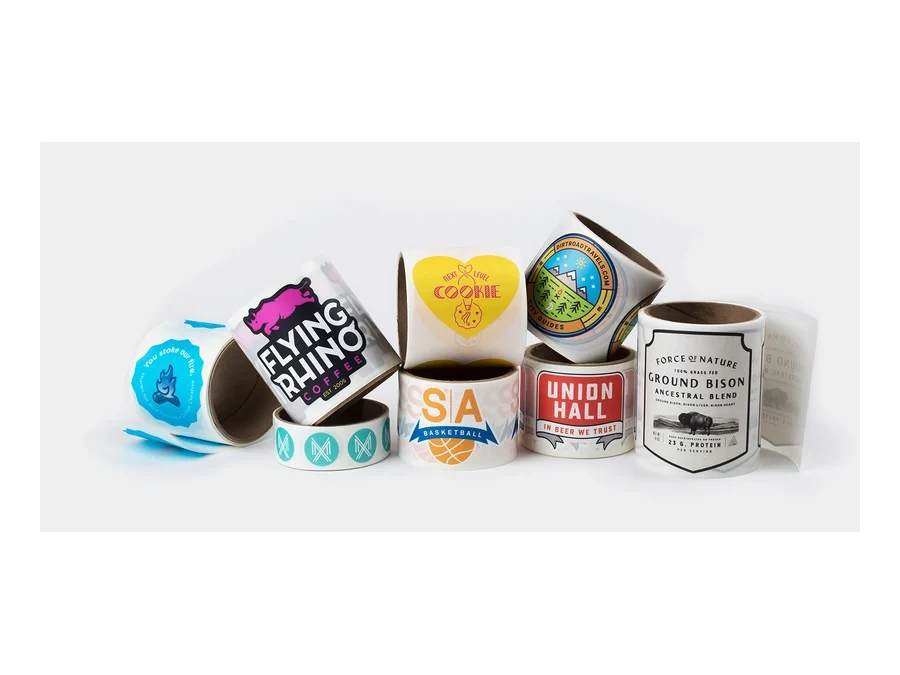
Control the complete construction
| Facestock | Paper or film material, density and thickness, colour, opacity, stiffness and whether it is designed to separate or remain compatible in the intended recycling process. |
|---|---|
| Adhesive | Permanent, removable or wash-off behaviour as applicable; application temperature; service temperature; moisture, oil and chemical exposure; and supplier evidence for the intended PET route. |
| Coverage and shape | Label area, full or partial wrap, overlap, multiple labels and whether the label can interfere with identification or sorting. Apply the current methodology rather than a generic coverage rule. |
| Print and finish | Ink system, white ink, varnish, laminate, metallic effect and any additional layer that changes the label construction. |
| Application | Container surface, cleanliness, condensation, curvature, roll direction, leading edge, wipe-down and time before the labelled bottle is exposed to service conditions. |
| Change control | Facestock, adhesive, printer, laminate or artwork changes can affect application and end-of-life evidence; define who approves the change. |
Approve labels on representative filled bottles
- Use the intended PET bottle grade, colour and production surface condition.
- Apply the actual label construction by the intended manual or automatic method.
- Check placement, wrinkles, edge lift, initial tack and final adhesion.
- Expose samples to the relevant refrigeration, moisture, oils, chemicals, abrasion, light and storage period.
- Confirm barcode, variable data and mandatory information remain readable where applicable.
- Record the bottle, label, adhesive, artwork, roll direction, application settings and approved sample.
For automatic application, provide the approved bottle and roll specification to the Lancing packaging machinery team.
Use the supplier data with the reporting-year methodology
Request a current label specification and material declaration, plus any evidence the supplier provides for behaviour in the intended PET recycling process. Then assess the finished bottle using the applicable UK RAM guidance. Avoid claiming compatibility for an unspecified “PET label” or “recyclable adhesive”.
- GOV.UK RAM supplementary guidance, including attached labels
- UK EPR and recyclability assessment workflow
- Packaging technical document checklist
Browse packaging labels, the custom printed label range and PET bottle guidance.